Categorization skills Science Worksheets for Ages 4-6
5 filtered results
-
From - To
Enhance your child's learning with our engaging Categorization Skills Science Worksheets, designed specifically for ages 4 to 6. These worksheets offer fun and interactive activities that help young learners understand the importance of grouping and categorizing objects based on various attributes. From sorting animals and plants to classifying everyday items, these exercises make science enjoyable and accessible. Your child will develop critical thinking and organizational skills as they explore different categories. Perfect for home or classroom use, these worksheets align with educational standards, ensuring a comprehensive learning experience. Dive into the world of science and watch your child's skills blossom!
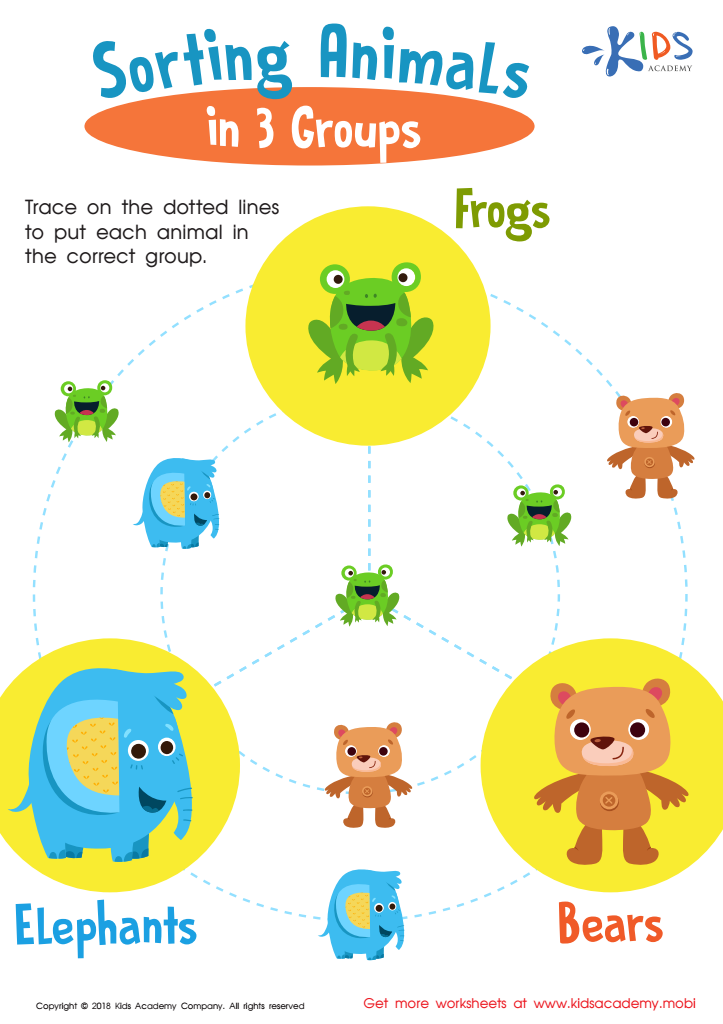
Sorting Animals in 3 Groups Worksheet
 Assign to My Students
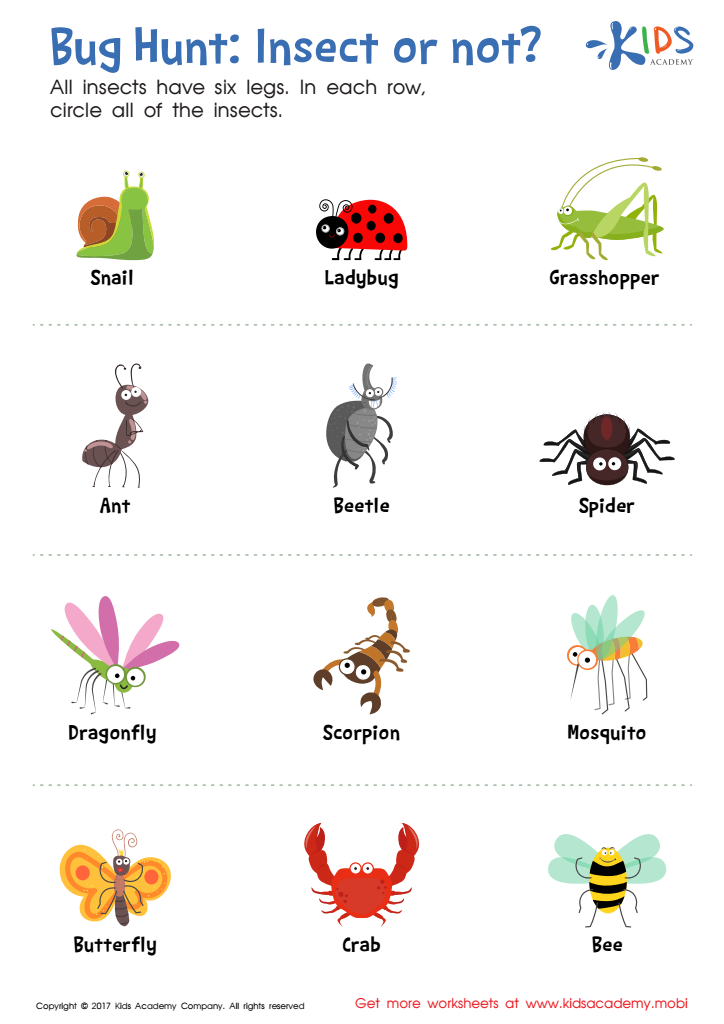
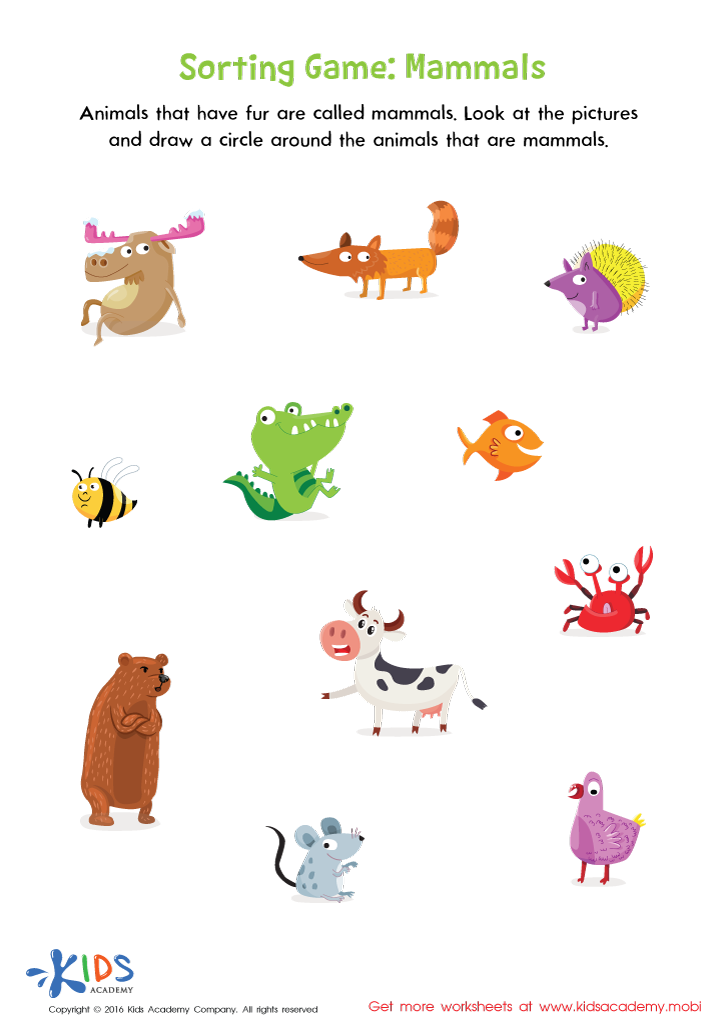
Mammals Sorting Worksheet
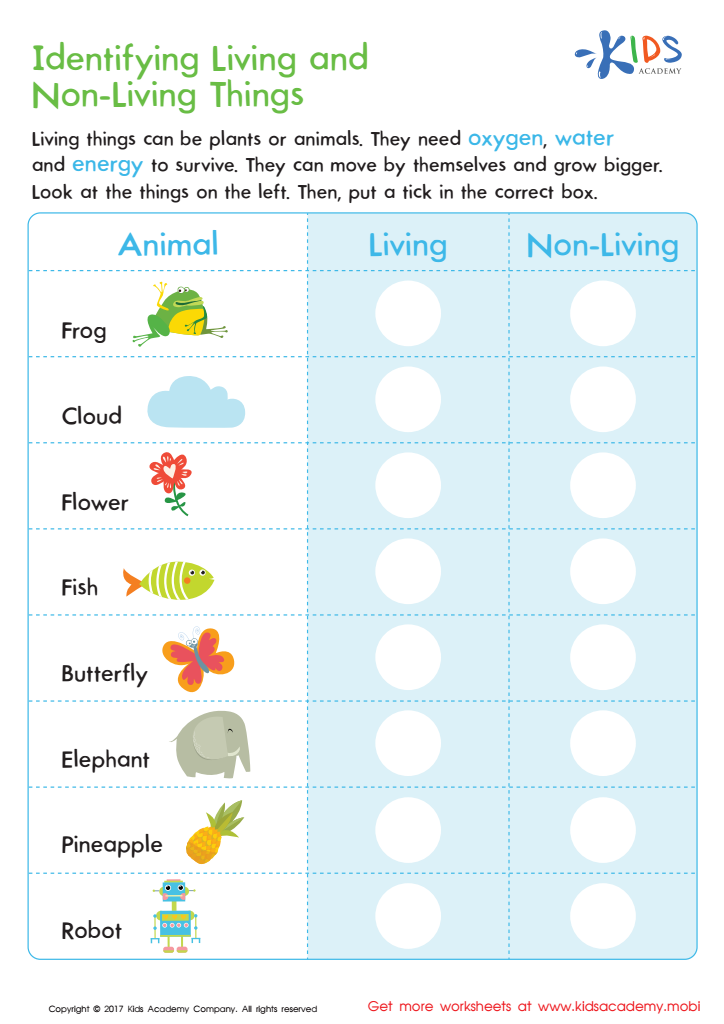
Identifying Living or Non–living Worksheet
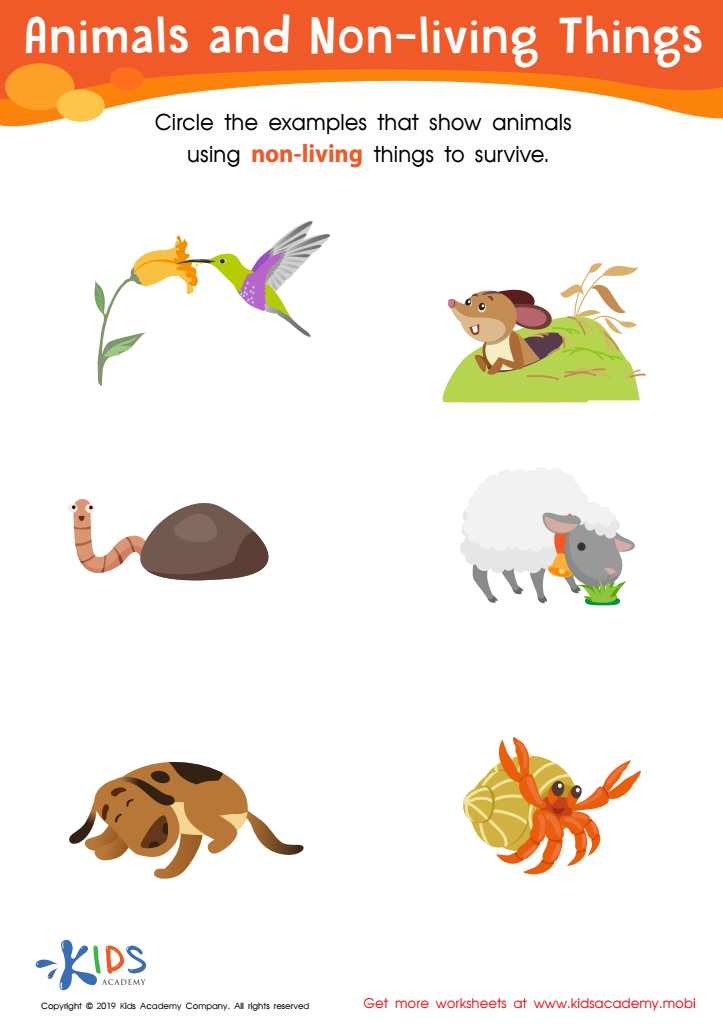
Animals and Non-Living Things Worksheet




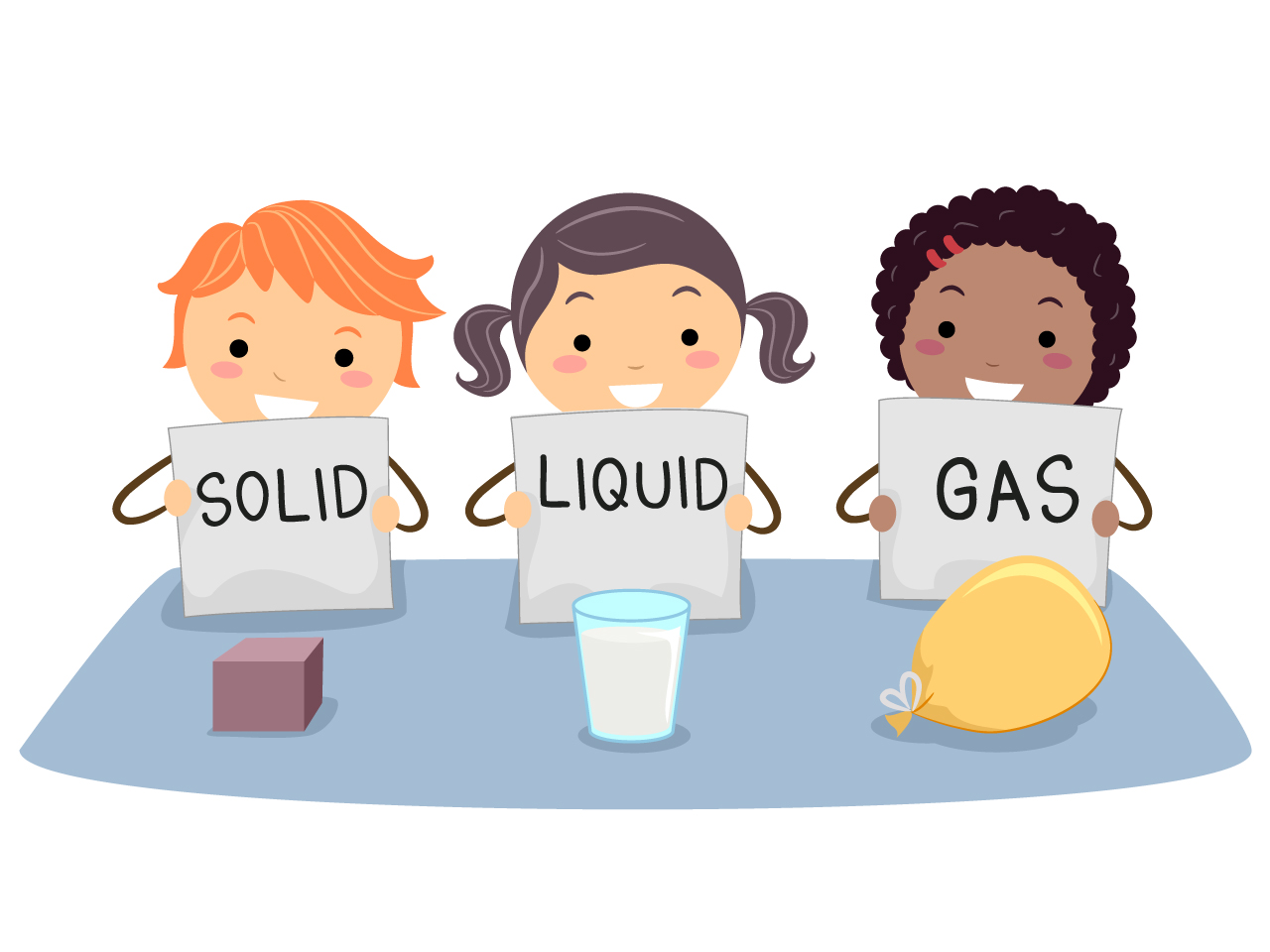



Categorization skills are essential for young children, particularly in the age range of 4 to 6 years, as they serve as the foundation for critical thinking, problem-solving, and organizing knowledge. During this developmental stage, children naturally begin to group objects, ideas, and experiences, which helps them make sense of the world around them. Parents and teachers should care about fostering these skills because they enhance children's cognitive development, enabling them to identify similarities and differences among objects, categorize them effectively, and engage in logical reasoning.
Additionally, categorization plays a vital role in language acquisition. As children learn to group words and concepts, they expand their vocabulary and improve comprehension. This foundational skill also supports early science learning; when children categorize living and non-living things, for instance, they understand basic scientific principles and develop inquiry-based thinking.
Moreover, categorization skills promote social skills by aiding children in understanding social categories and relationships, such as friends versus strangers. By nurturing these skills, parents and teachers equip children with the tools they need to thrive academically and socially, setting them on a path for lifelong learning and success.







