Counting practice Science Worksheets for Ages 4-6
3 filtered results
-
From - To
Discover our engaging Counting Practice Science Worksheets designed for children ages 4-6! These fun resources help young learners develop essential counting skills while exploring scientific concepts. Each worksheet encourages hands-on learning through interactive activities that promote early numeracy and a basic understanding of science. Kids will enjoy counting colorful images, identifying patterns, and recognizing numbers within a scientific context, fostering a love for both math and science. Ideal for home or classroom use, our worksheets support teacher and parent efforts in guiding children through their educational journey. Get started today and watch your little ones thrive in their learning adventure!
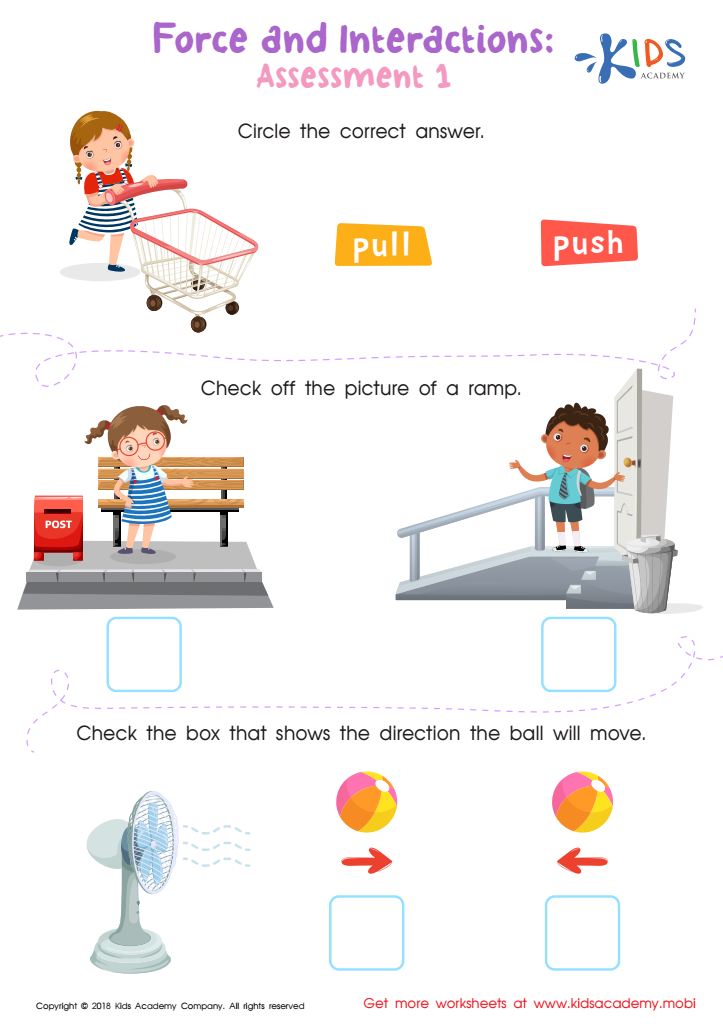
Force and Interactions: Assessment 1 Worksheet
 Assign to My Students
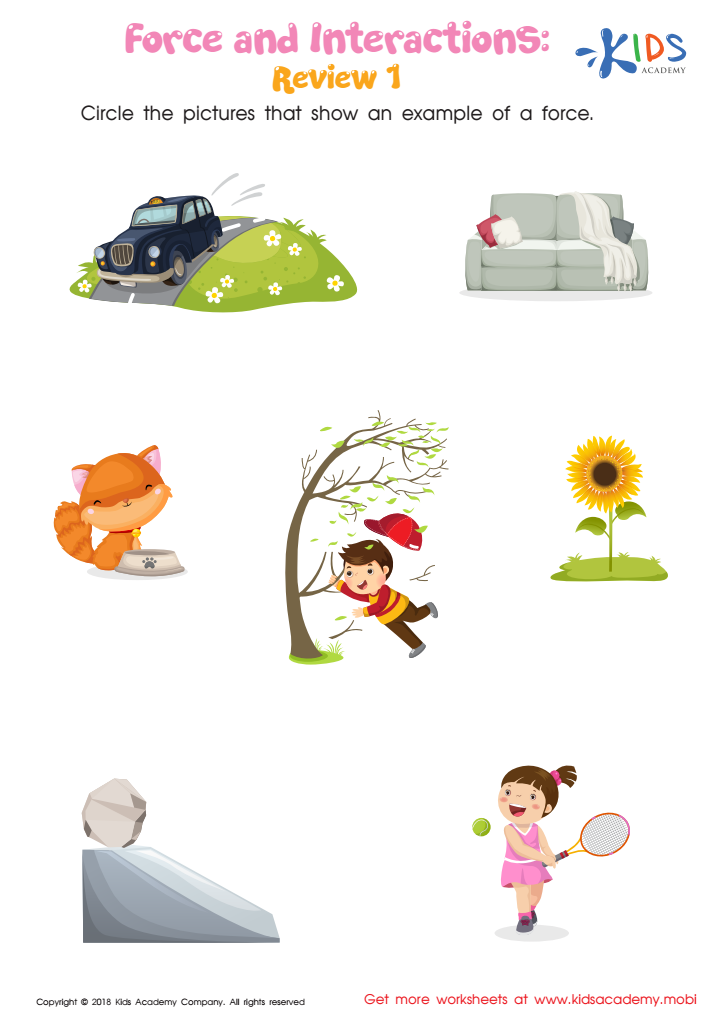
Force and Interactions: Review 1 Worksheet
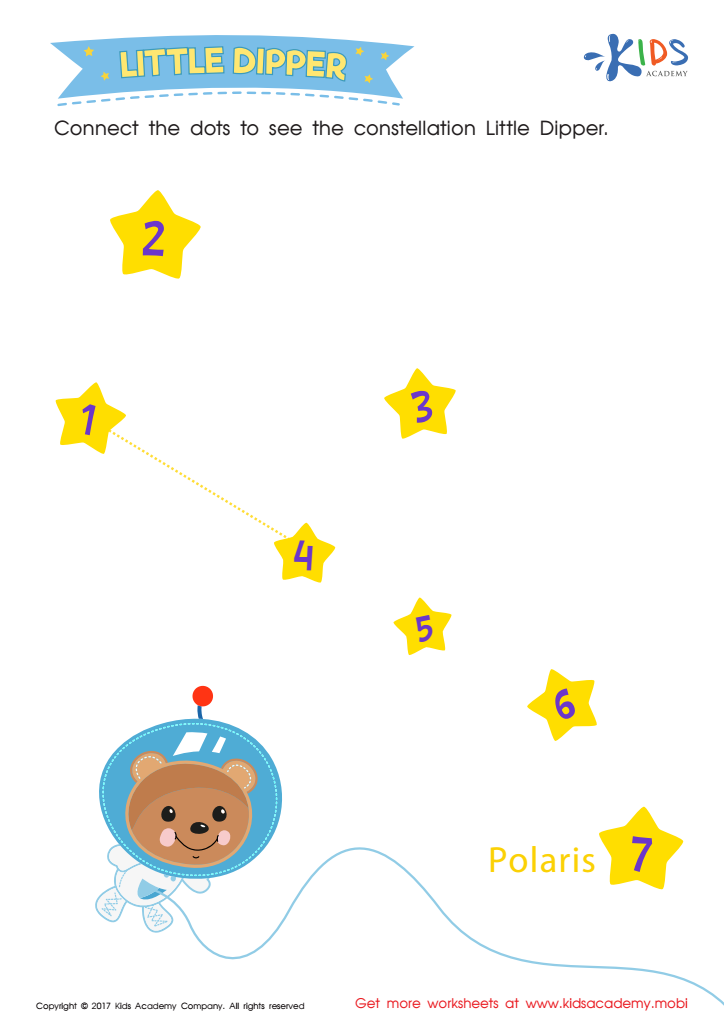








Counting practice is essential for children aged 4-6 as it lays the foundational skills necessary for broader scientific understanding. At this early developmental stage, children naturally explore their environment and encounter concepts related to quantity, patterns, and measurement. Engaging in counting activities helps them develop mathematical thinking and problem-solving skills, both of which are critical for scientific inquiry.
Parents and teachers should care about counting practice because it enhances cognitive development through hands-on learning. When children count objects during science experiments, such as measuring materials or observing living things, they connect math with real-world applications, making learning more meaningful. Additionally, counting fosters attention to detail and enhances memory skills—abilities that are crucial in all fields of study, including science.
By integrating counting practice into science themes, educators can promote a holistic learning experience that nurtures curiosity and encourages exploration. Furthermore, children are more likely to feel a sense of accomplishment and confidence when they directly observe the relationship between counting and scientific concepts. Ultimately, fostering these skills not only prepares them for future academic success but also instills a lifelong love for learning and discovery. Thus, parents and teachers play a crucial role in guiding these developmental milestones.







