Number Recognition Science Worksheets for Ages 4-6
8 filtered results
-
From - To
Unlock your child's numerical skills with our exciting Number Recognition Science Worksheets for ages 4-6! Designed to make foundational math engaging, these printables combine fun activities with educational value. Through vibrant illustrations and interactive exercises, children learn to identify and write numbers, enhancing their math readiness. Ideal for young minds curious about the world of numbers, these worksheets support cognitive development and can be a perfect supplement to early childhood curriculum. Start your child on the path to math success with worksheets that turn learning into a fun-filled adventure. Download today and watch their confidence grow!
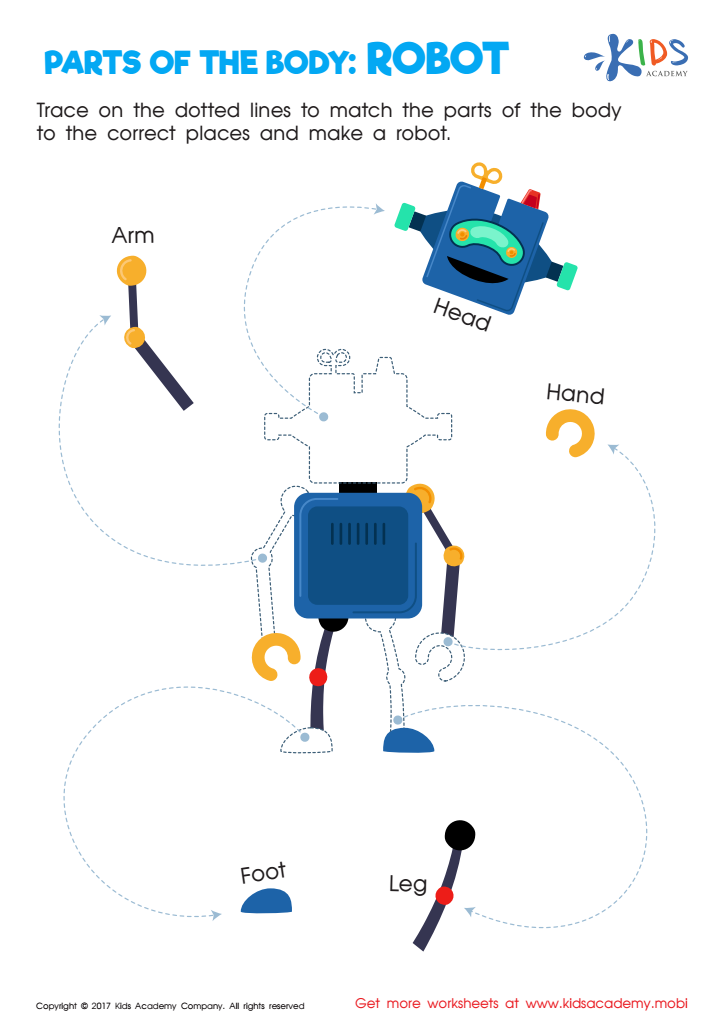
Robot Printable
 Assign to My Students

African Wildlife: Giraffe Worksheet
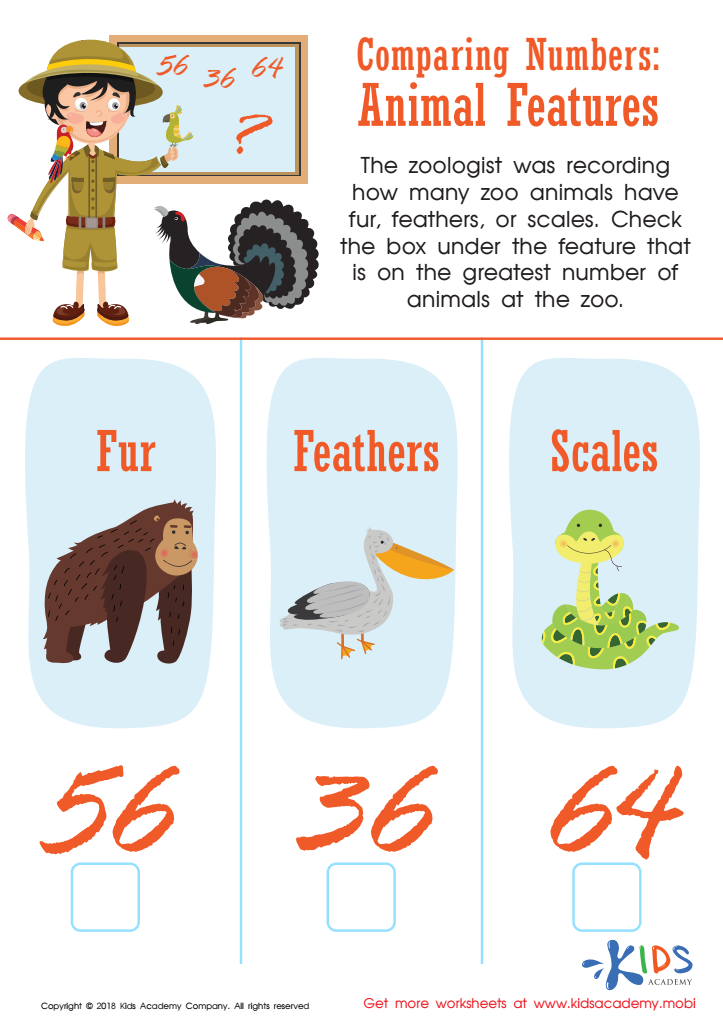
Animal Features Worksheet
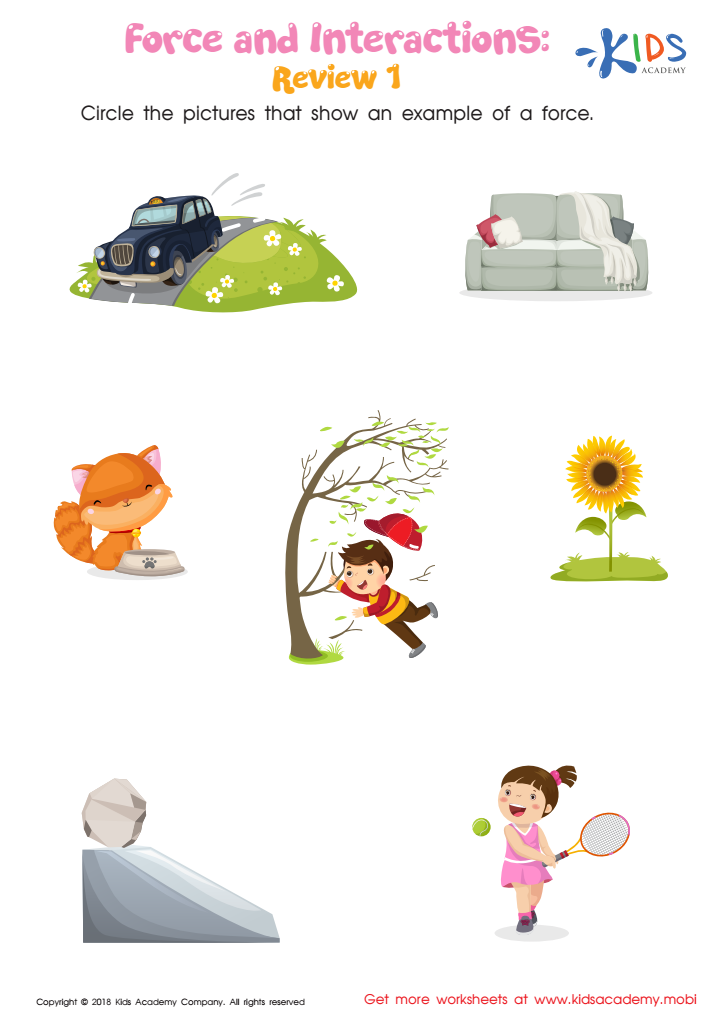
Force and Interactions: Review 1 Worksheet
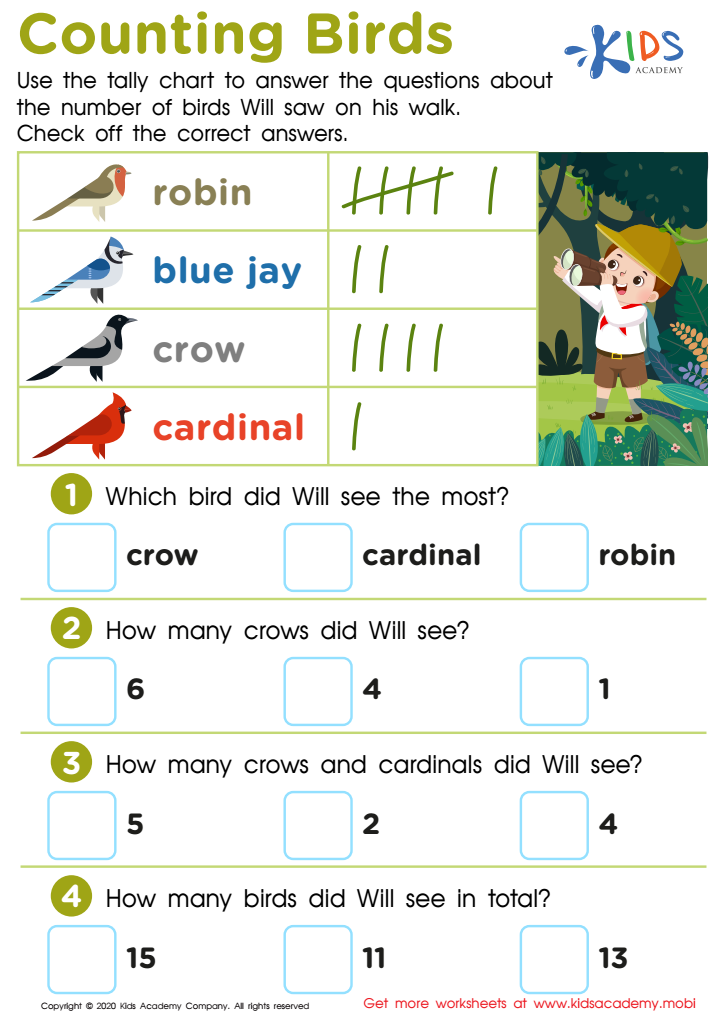
Counting Birds Worksheet
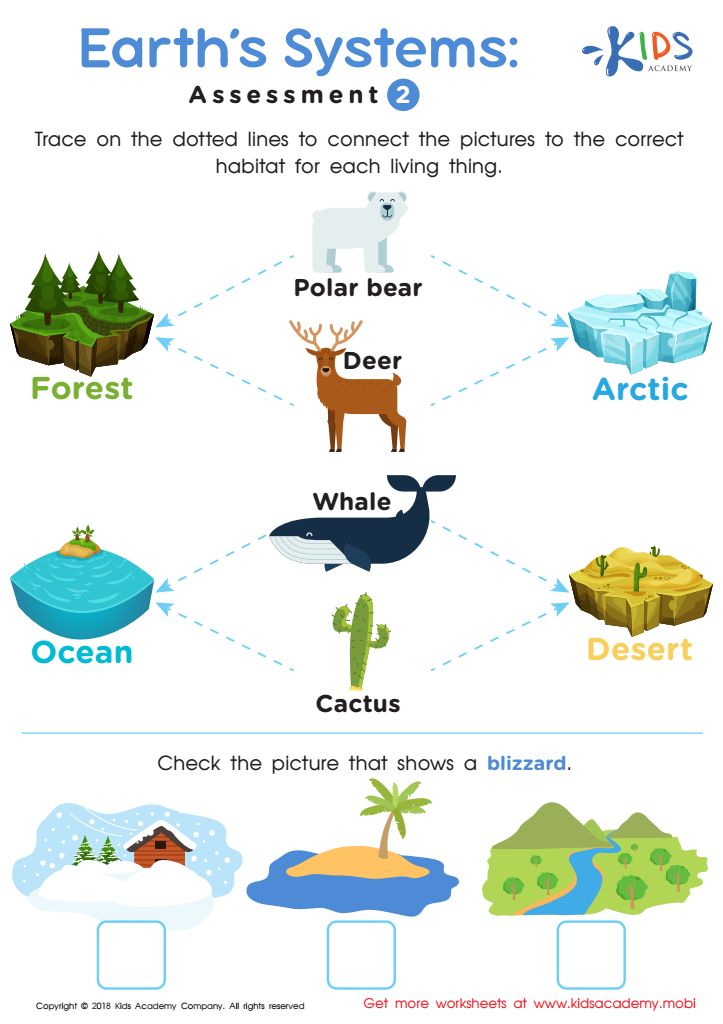
Earth's Systems: Assessment 2
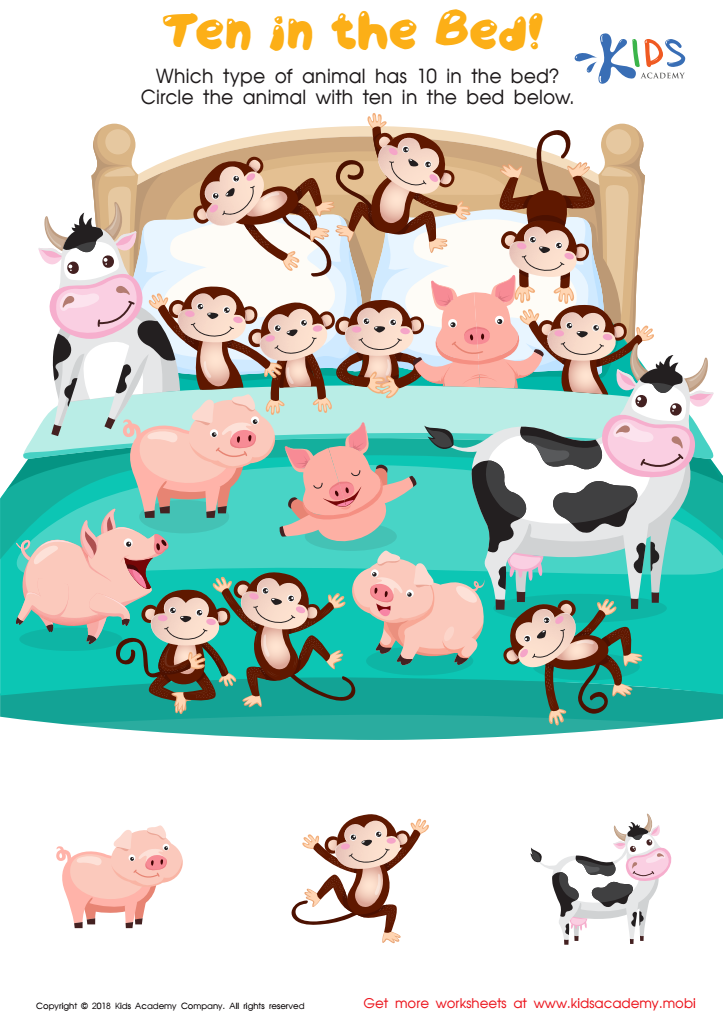
Ten in the Bed Worksheet
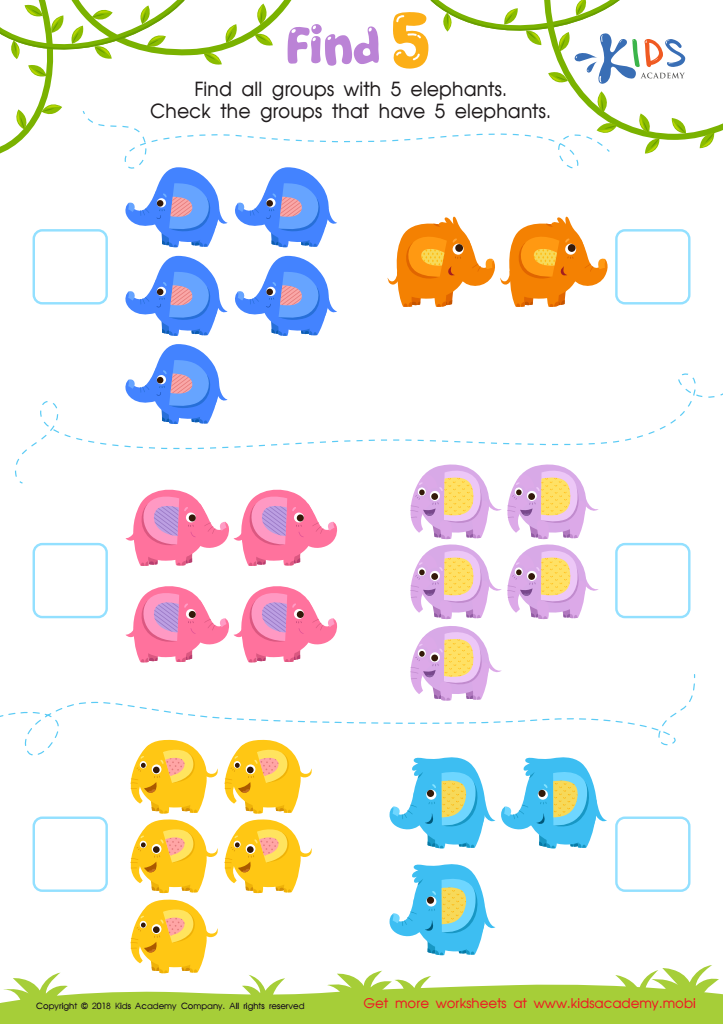
Find 5 Worksheet








Number recognition is a fundamental aspect of early childhood education, and it plays a crucial role in the development of essential mathematical skills. For children aged 4-6, gaining a solid understanding of numbers sets the foundation for future academic success and everyday problem-solving abilities. When parents and teachers prioritize number recognition, they are enabling children to grasp the basic concepts of quantity, order, and value, which are necessary for more complex mathematical operations, such as addition and subtraction.
Moreover, early number recognition is tied to cognitive development. Children who can identify and understand numbers tend to develop stronger reasoning and critical thinking skills. It also helps in enhancing their memory and concentration abilities, as recognizing patterns and sequences are involved in number recognition.
From a practical standpoint, number recognition skills are essential for everyday tasks, such as reading time, understanding addresses, making sense of price tags, and more. With these skills, children become more prepared to navigate the world around them.
Finally, fostering a positive relationship with numbers at an early age helps combat math anxiety, promoting a more confident and curious approach to learning. By focusing on number recognition at this crucial developmental stage, parents and teachers can support children in becoming competent and enthusiastic mathematicians, both in school and in life.







