
Plant identification Plants and Animals Worksheets for Ages 4-6
5 filtered results
Difficulty Level
Grade
Age
-
From - To
Subject
Activity
Standards
Discover the joy of learning with our "Plant Identification Plants and Animals Worksheets" designed for ages 4-6! These engaging worksheets help young learners explore the fascinating world of plants and animals through interactive activities. Each worksheet promotes curiosity as children identify different plants by shape, color, and texture, while enhancing their observational skills. Featuring vibrant illustrations and easy-to-follow instructions, these resources foster an appreciation for nature and boost early science skills. Perfect for classrooms or at-home learning, our worksheets support developmental milestones and create a fun and educational experience. Get ready to nurture a love for the environment in your little explorers!
Favorites
With answer key
Interactive
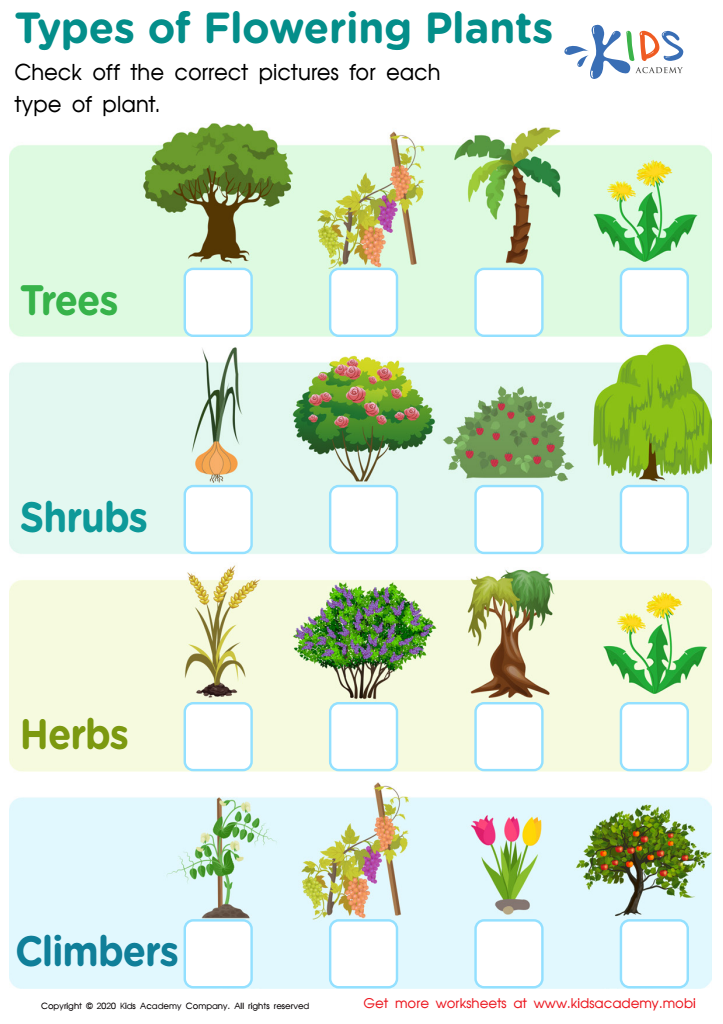
Types of Flowering Plants Worksheet
Help kids explore the variety of plants around them! Have them discover trees, shrubs, herbs, and vines with this fun science worksheet. Print it and let them match the plant pictures to their correct names. It's an exciting learning experience that'll let them check off the right images and explore the botanical world.
Types of Flowering Plants Worksheet
Worksheet











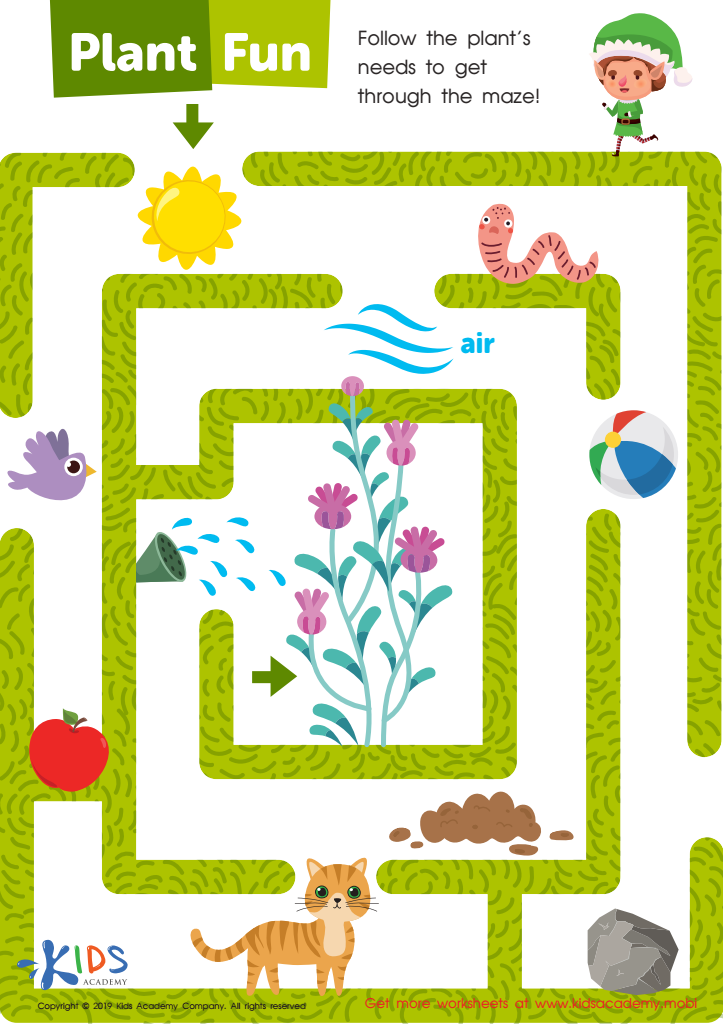
Plant Fun Worksheet
Engage your kid's mind by playing a learning maze! Ask them what plants do for us and what we need to do for the plants to help them grow. Then, help them find their way out of the maze while following the things that plants need.
Plant Fun Worksheet
Worksheet
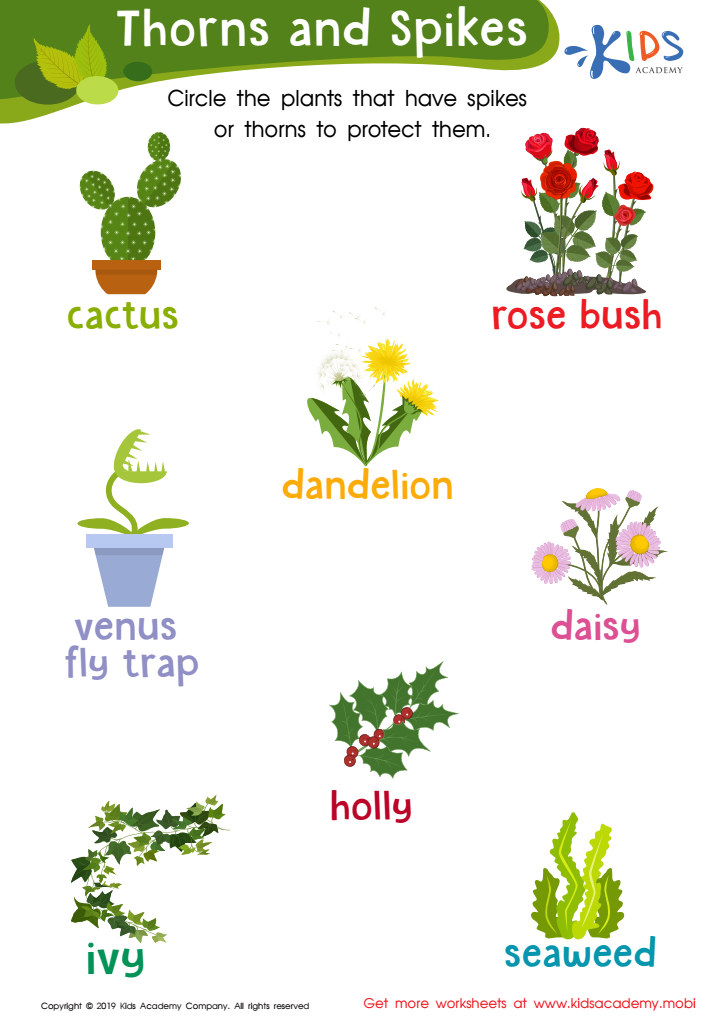
Thorns and Spikes Worksheet
Can your students name and identify the plants and flowers in this worksheet? Ask them to read out the names and circle the ones with spikes or thorns. Help them appreciate nature's beauty and understand how plants protect themselves.
Thorns and Spikes Worksheet
Worksheet
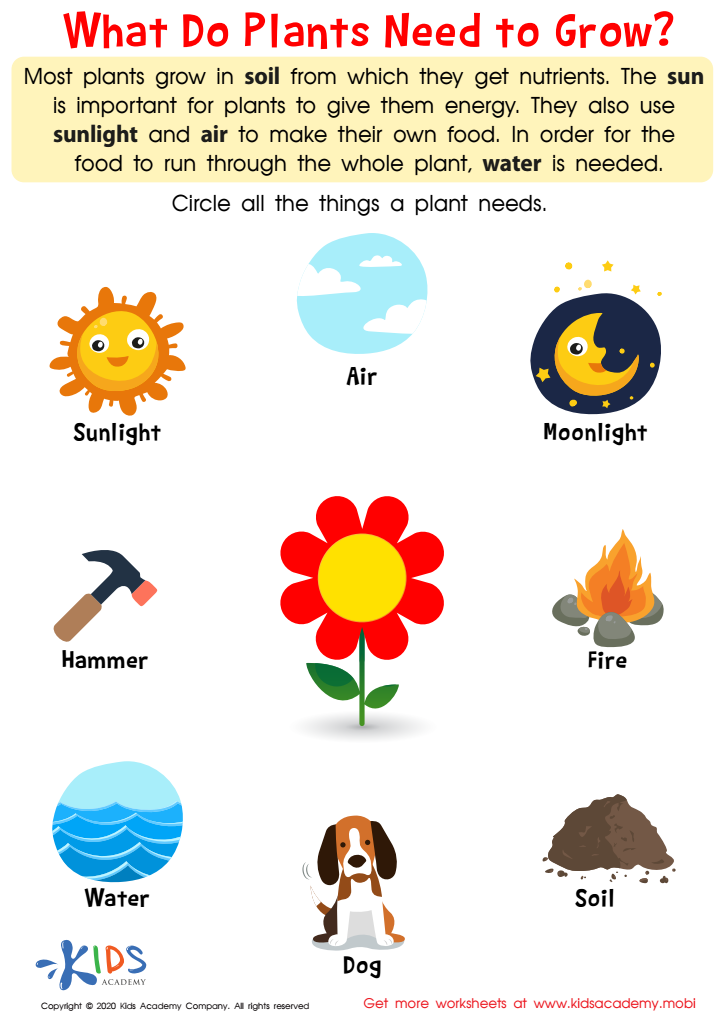
What Do Plants Need to Grow Worksheet
Help your child explore and discover the world of plants with this fun how do plants grow worksheet! They'll gain knowledge, sharpen problem solving skills, and build science foundations as they identify what plants need to grow. Afterward, plant a seed together and watch it sprout right before their eyes!
What Do Plants Need to Grow Worksheet
Worksheet
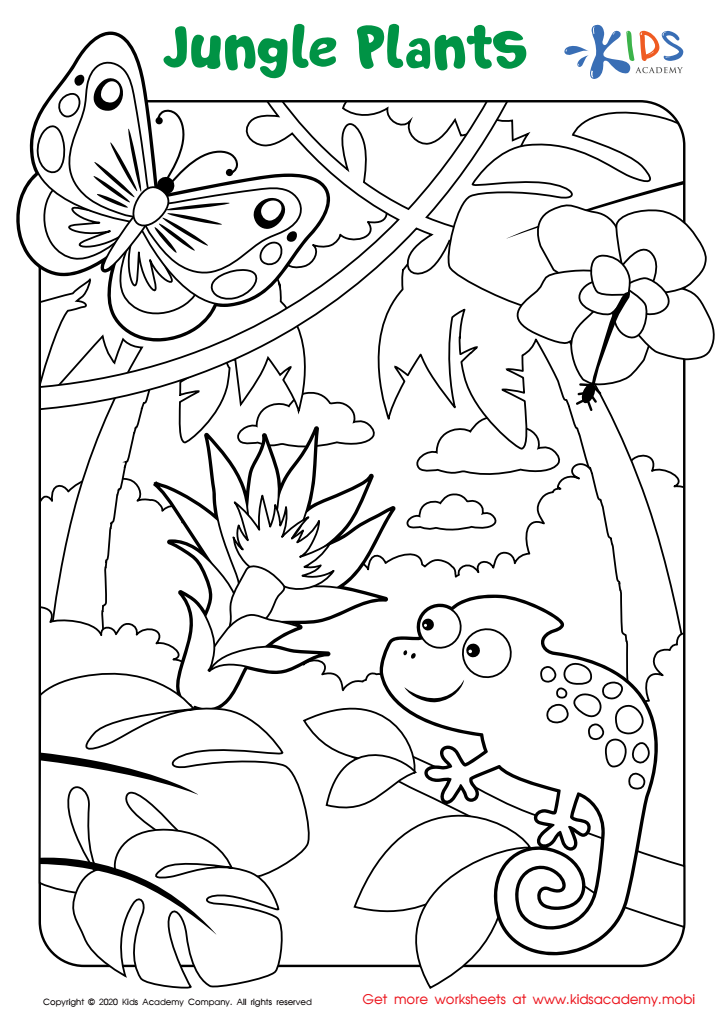
Jungle Plants Worksheet
Coloring pages can be fun and educational for kids! Print this adorable jungle worksheet with plants, a butterfly, and a lizard. Ask preschoolers to choose colors to bring the scene to life, while discussing rainforest plants and animals.
Download (PDF)
 Assign to My Students
Assign to My Students
Jungle Plants Worksheet
Worksheet
Join Kids Academy for Free
Who is primarily going to use this learning content?







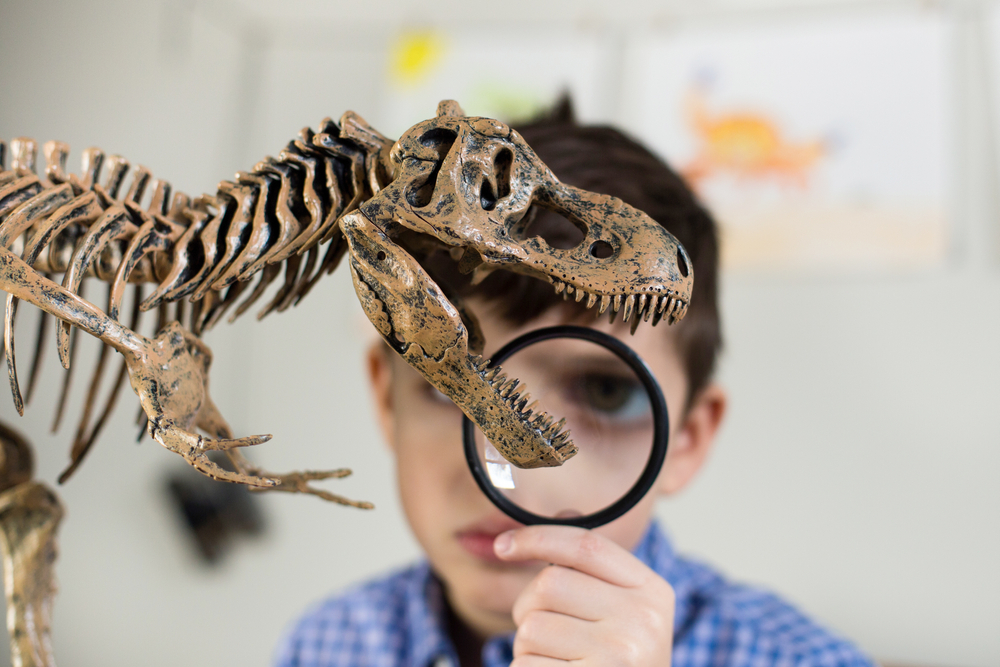
Plant identification is crucial for young children, as it lays the foundation for their understanding of nature and the environment. For ages 4-6, children are naturally curious and eager to explore. By learning to identify plants, they can foster a sense of connection and appreciation for the world around them. This knowledge not only enhances their observational skills but also encourages them to develop scientific thinking and inquire about their surroundings.
Teaching plant and animal identification serves educational purposes by integrating foundational concepts of biology. Parents and teachers can use practical experiences, such as nature walks or gardening activities, to engage children in hands-on learning. Moreover, addressing plant identification encourages environmental stewardship, as children learn about the importance of biodiversity and ecosystems.
Engaging with plants and animals also supports social-emotional development. It provides opportunities for teamwork during group activities and fosters a sense of responsibility when caring for living things. Recognizing plants and animals can spark discussions about safety, nutrition, and the significance of nature in our everyday lives.
Ultimately, plant identification serves as a gateway to holistic education, encouraging curiosity, responsibility, and respect for nature in young learners, laying a strong groundwork for their future learning experiences.








