Critical Thinking Community Worksheets for Ages 4-6
5 filtered results
-
From - To
Unlock your child’s potential with our engaging Critical Thinking Community Worksheets for ages 4-6! Designed to stimulate young minds, these worksheets encourage curiosity, creativity, and problem-solving skills through fun activities that explore community concepts. Your little learners will engage with topics like empathy, decision-making, and collaboration, all while developing foundational critical thinking abilities. Our worksheets are visually appealing and age-appropriate, ensuring children remain captivated as they learn about their surroundings. Ideal for parents and educators, these resources make learning about social studies an enjoyable adventure. Empower your child with essential skills that will last a lifetime! Download now and inspire their future!
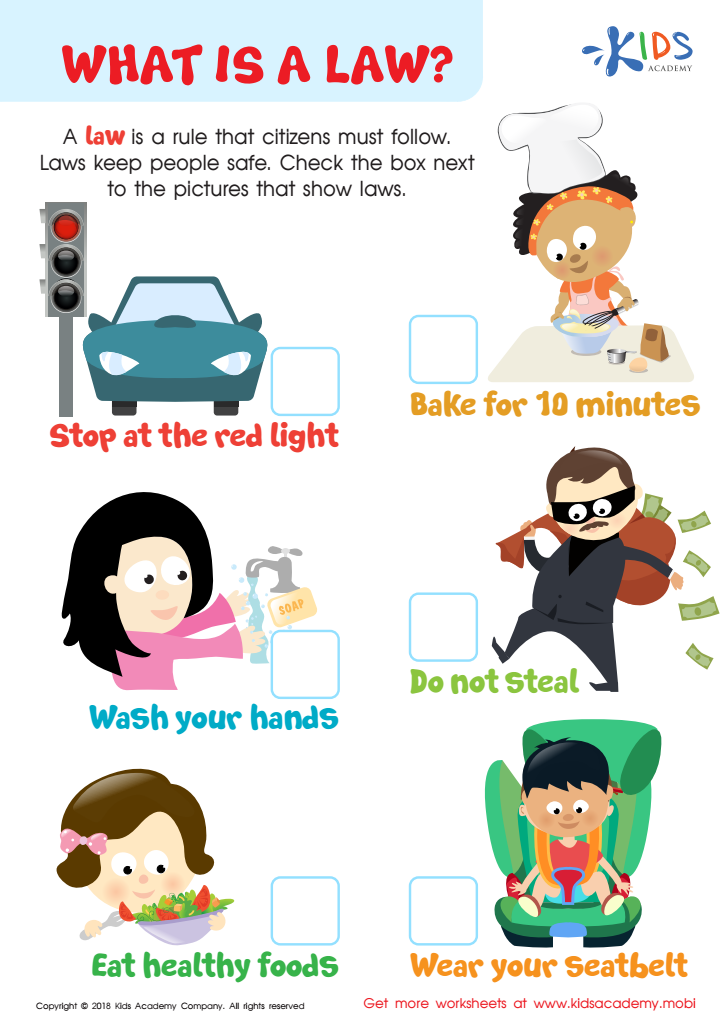
What is a Law? Worksheet
 Assign to My Students
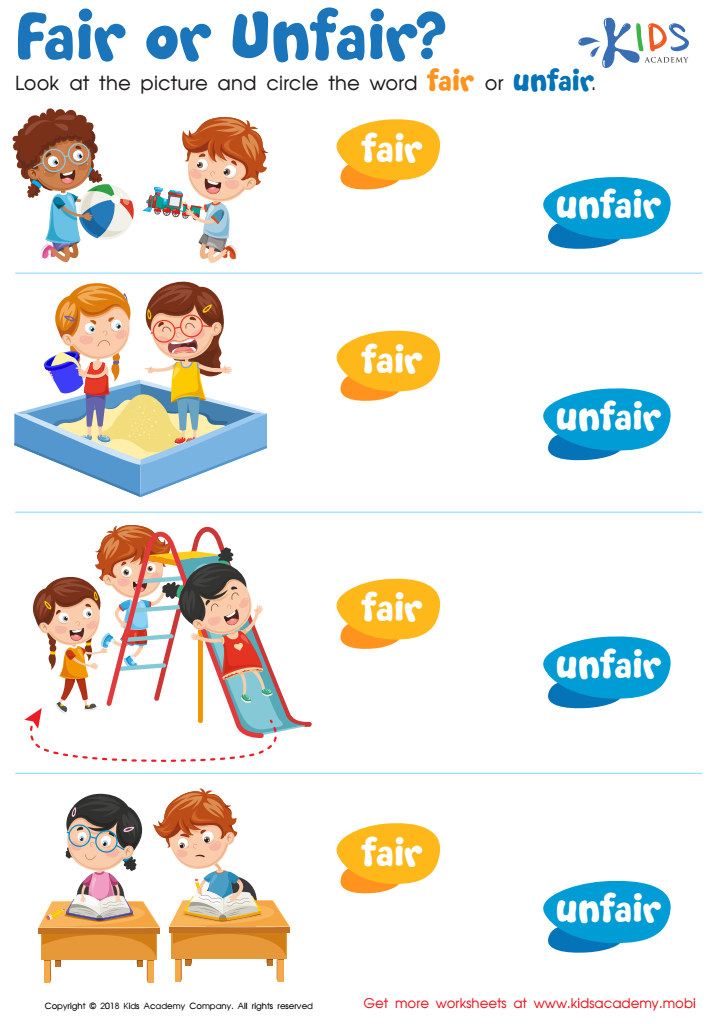
Fair or Unfair Worksheet

What Do Teachers Need Worksheet

Traditional Music Worksheet
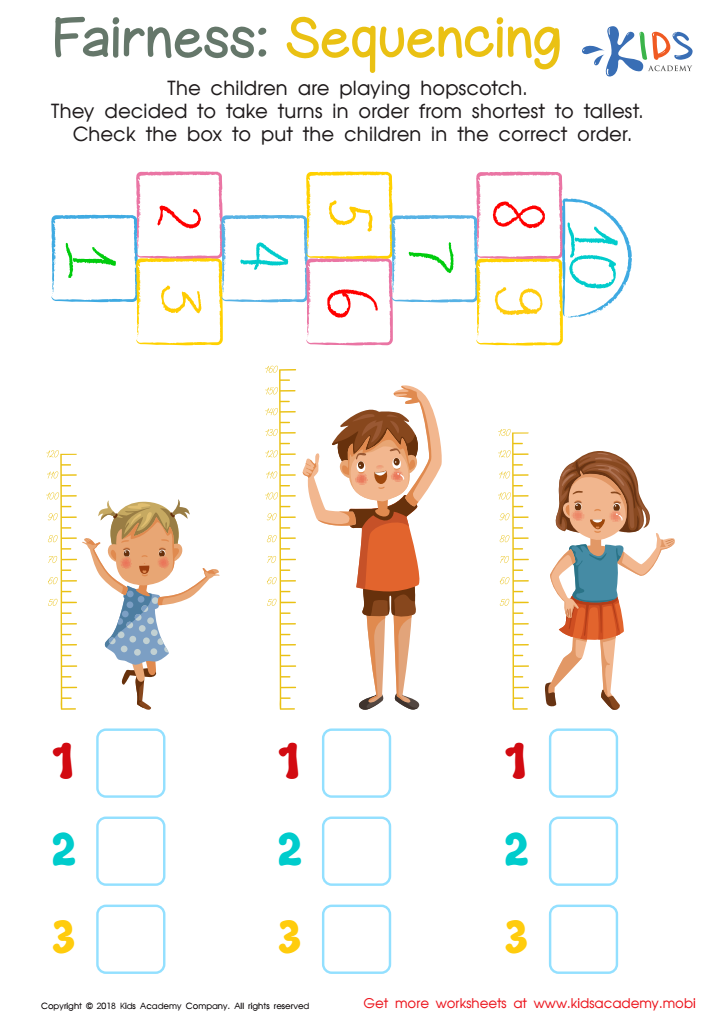
Fairness: Sequencing Worksheet








Critical thinking is an essential skill that lays the foundation for lifelong learning, problem-solving, and effective communication. For parents and teachers of children aged 4-6, engaging with a Critical Thinking Community is invaluable. At this formative stage, young learners are naturally curious, eager to explore, and often ask "why" and "how" questions. By nurturing critical thinking, adults can harness this curiosity, encouraging children to think independently and analyze their surroundings.
Participating in a Critical Thinking Community provides a collaborative environment where both parents and educators can share strategies, resources, and best practices to foster these skills in young learners. It allows for the exchange of ideas that promote creativity, adaptability, and resilience.
Additionally, children who develop critical thinking skills early on are better equipped to navigate future academic challenges and real-world scenarios. They learn to evaluate information, make informed decisions, and approach problems with a solutions-focused mindset. By investing in their critical thinking abilities, adults are helping children become conscious, thoughtful, and engaged citizens. In essence, the Critical Thinking Community empowers both parents and teachers to actively contribute to shaping the inquisitive minds of tomorrow’s leaders.








