Color recognition Social Studies Worksheets for Ages 4-6
5 filtered results
-
From - To
Explore our engaging Color Recognition Social Studies Worksheets, specially designed for children aged 4-6! These worksheets provide a fun and interactive way to help young learners identify colors while integrating essential social studies concepts. Each activity encourages creativity and critical thinking through vibrant illustrations and relatable scenarios that foster an understanding of their community. From coloring maps to matching colors with objects around them, these exercises support early development in a playful environment. Perfect for classrooms or at-home learning, our worksheets make teaching color recognition enjoyable and meaningful. Start your journey of exploration and learning today!

Happy Diwali Printable
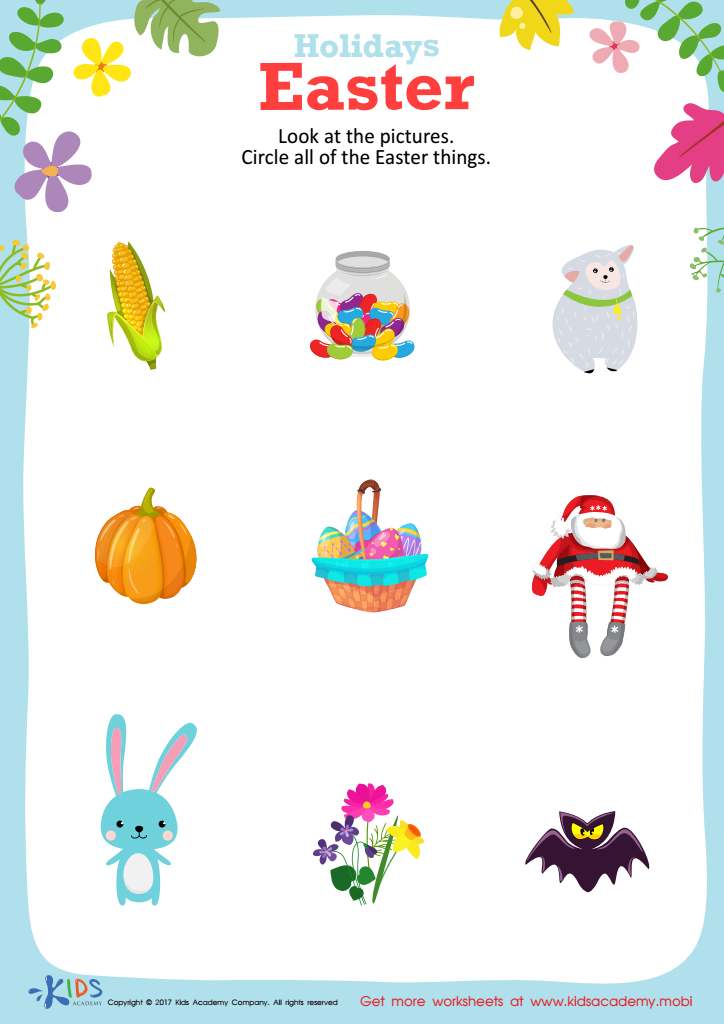
Easter Holiday Printable

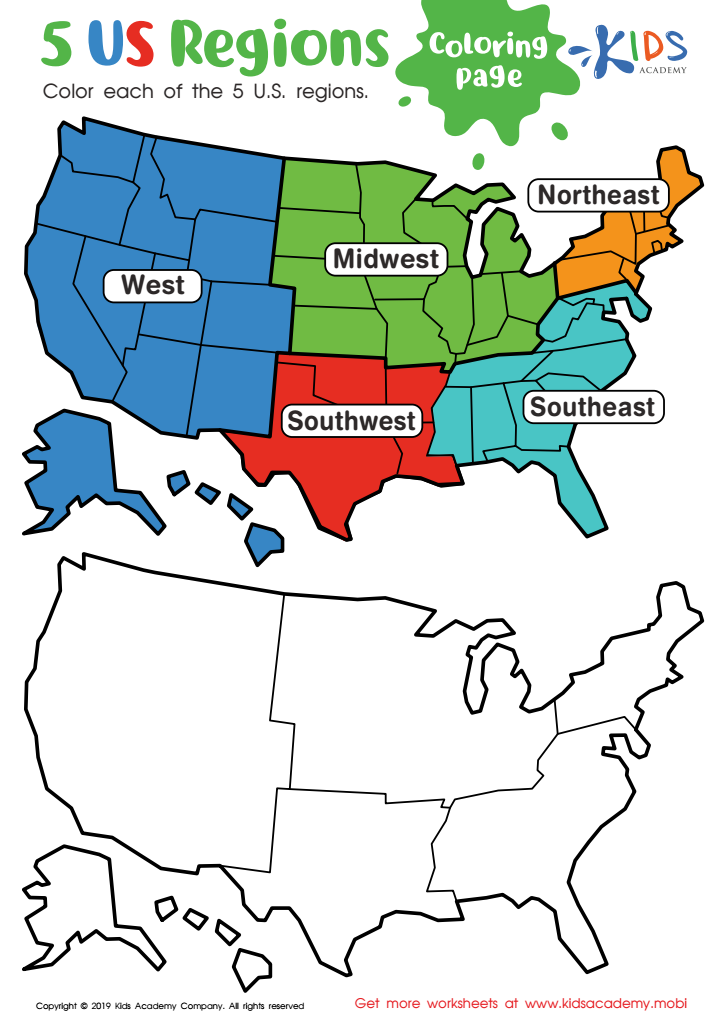
US Regions Coloring Page Worksheet
 Assign to My Students

Globe Coloring Page Worksheet
Assign to My Students








Color recognition is a fundamental developmental skill for children aged 4 to 6 and plays a crucial role in social studies education. Understanding colors enhances children’s ability to identify and categorize the world around them, laying the groundwork for critical thinking and problem-solving skills. In social studies, color recognition becomes a vital tool for categorizing different cultures, geography, and historical events represented through flags, maps, and art.
When parents or teachers prioritize color recognition, they facilitate more inclusive learning experiences. Children often express themselves through colors in drawings or discussions about their world, allowing them to engage with peers and share perspectives. This ability to communicate fosters collaboration and social skills, teaching children to work together, appreciate diversity, and respect different viewpoints.
Moreover, discussions around color can lead to broader themes such as emotions, cultural significance, and environmental awareness. For instance, learning that red in some cultures symbolizes good fortune can create connections between children and the larger world around them. By fostering color recognition, educators and parents can promote not only cognitive development but also social understanding, empathy, and an appreciation for diversity, all vital components in shaping responsible and engaged citizens.








