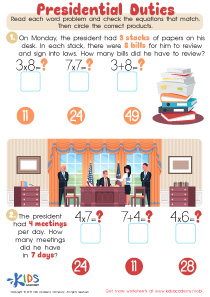
Shape Recognition Social Studies Worksheets for Ages 4-6
4 filtered results
-
From - To
Enhance your child’s learning with our Shape Recognition Social Studies Worksheets designed for ages 4-6. These engaging, age-appropriate printables combine the basics of shape recognition with essential social studies skills. Kids will delight in identifying shapes within engaging real-world social studies contexts, fostering cognitive development and early problem-solving skills. Ideal for both classroom and at-home activities, our professionally crafted worksheets support foundational learning in a fun, interactive way. Lay the groundwork for academic success with resources tailored to beginner learners. Visit us today and explore our stellar selection to boost your child’s educational journey!
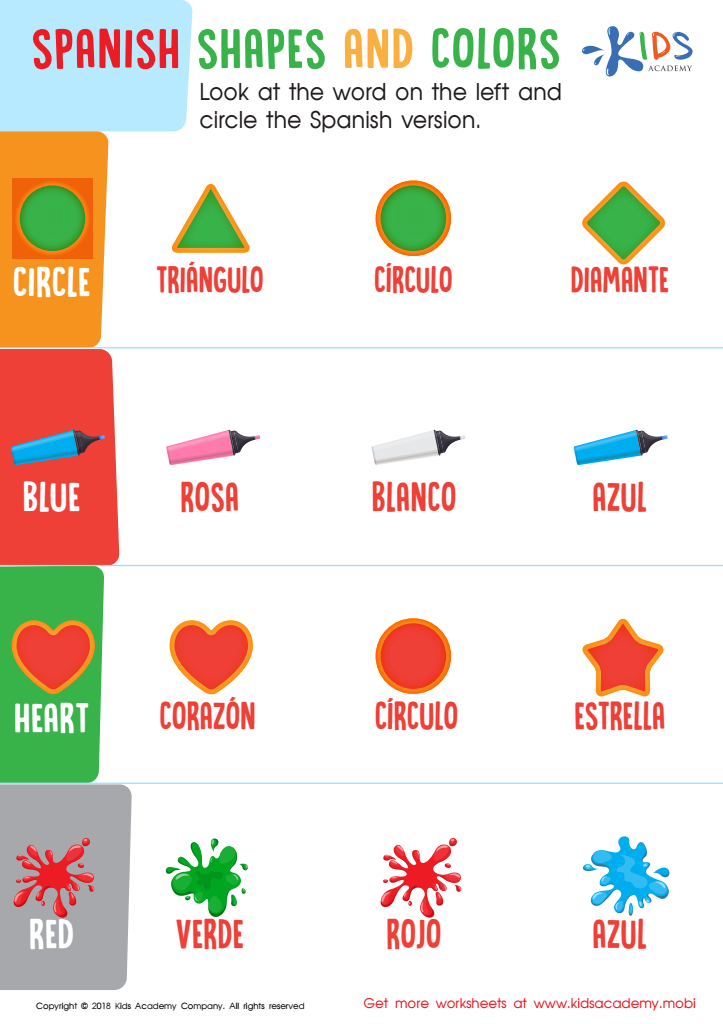
Spanish Shapes and Colors Worksheet
 Assign to My Students
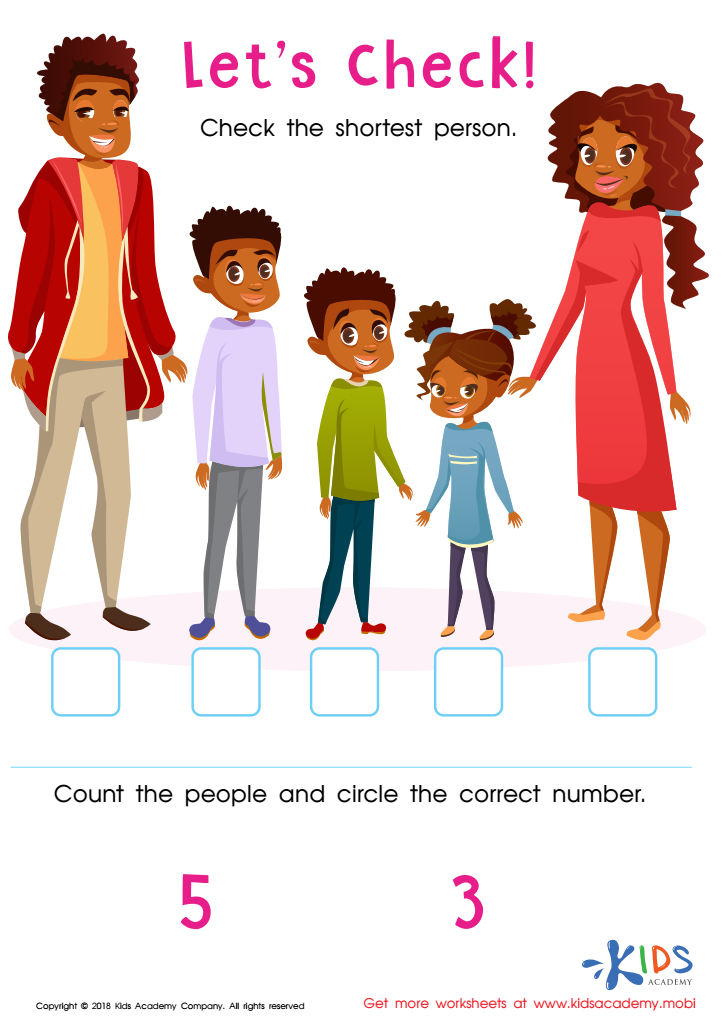
Let's Check! Assessment Worksheet

Playground Worksheet
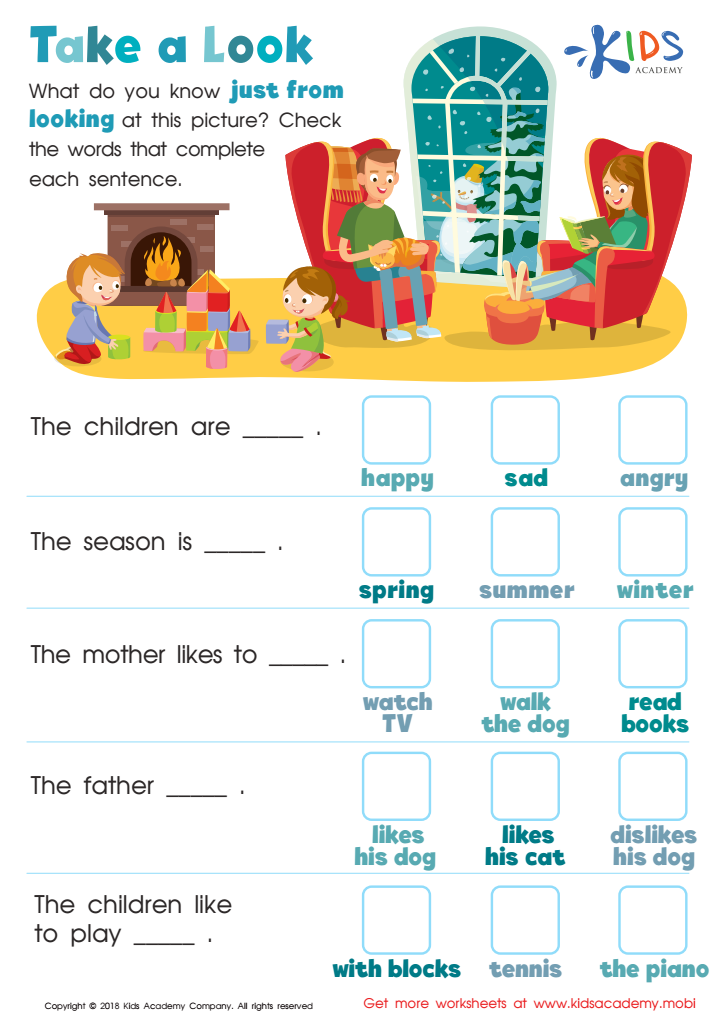
Take a Look - Part 1 Worksheet






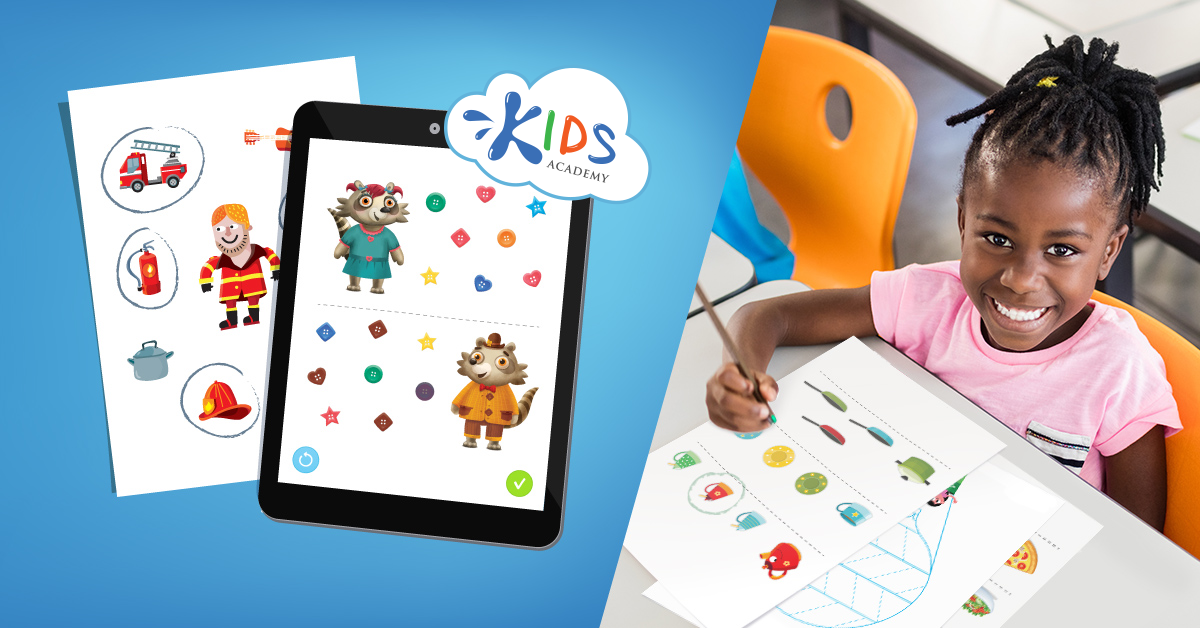

Shape recognition is a fundamental skill for young children that greatly benefits their academic and personal development, especially within the context of social studies for ages 4-6. Incorporating shape recognition into early learning helps kids identify and distinguish different geometric and spatial elements. This foundational skill is critical as it translates into better abilities in other areas such as math, science, and even literacy where recognizing differences in shapes aids in letter and number recognition.
In social studies, understanding shapes facilitates spatial awareness and geographical literacy. For instance, children learn to recognize the shapes of different countries, states, and various landforms, which builds their map-reading skills. When kids can easily identify and differentiate shapes, they gain more confidence interpreting diagrams and symbols used in social studies, enhancing their overall comprehension of the material.
Additionally, engaging in shape-related activities fosters critical thinking and problem-solving skills. Kids start to make connections between shapes and their use in everyday objects and environments. Beyond academics, this recognition aligns with social development by enabling children to better navigate and understand the world around them. Therefore, parents and teachers should prioritize shape recognition as it serves as a stepping stone towards comprehensive early childhood education.