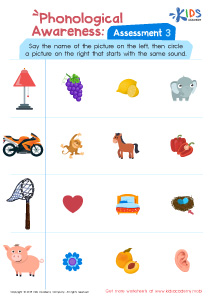
Vocabulary enhancement Elementary Phonics Worksheets for Ages 4-7
9 filtered results
-
From - To
Unlock the potential of young learners with our Vocabulary Enhancement Elementary Phonics Worksheets, designed specifically for ages 4-7. These engaging and interactive worksheets will captivate children while enhancing their vocabulary skills. Our thoughtfully curated activities focus on boosting phonemic awareness, word recognition, and language development through playful exercises. Ideal for both classroom and home use, these resources support early reading success by making learning fun and accessible. Watch your child develop a love for words, while building a strong foundation for future academic achievements. Elevate their language learning journey with our expertly crafted, age-appropriate phonics worksheets today!
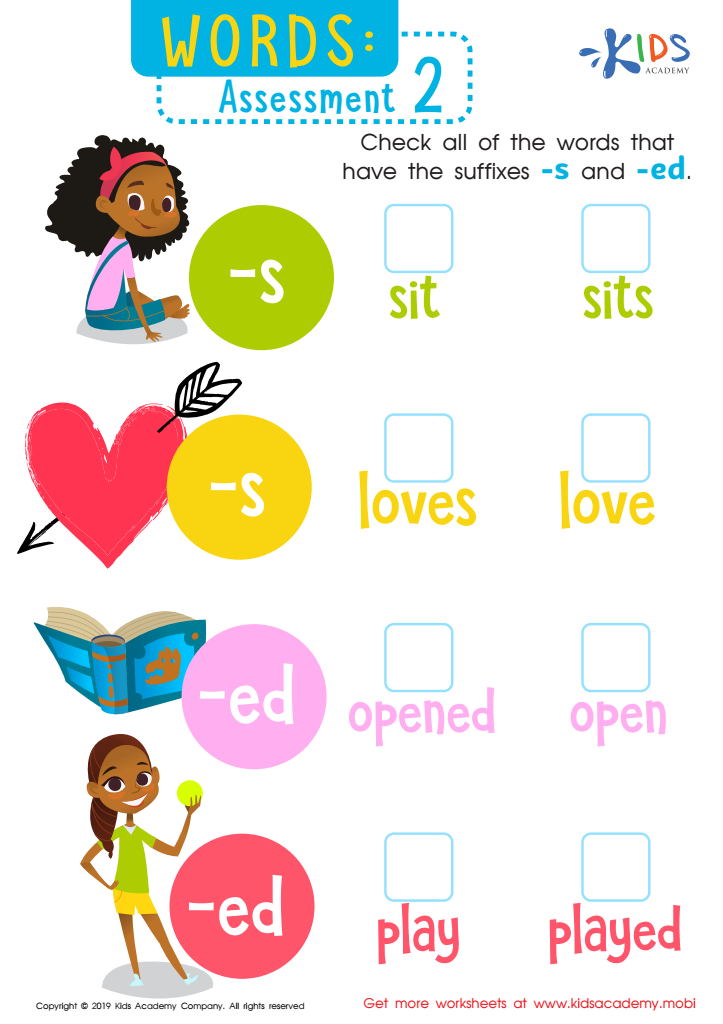
Words: Assessment 2 Worksheet
 Assign to My Students
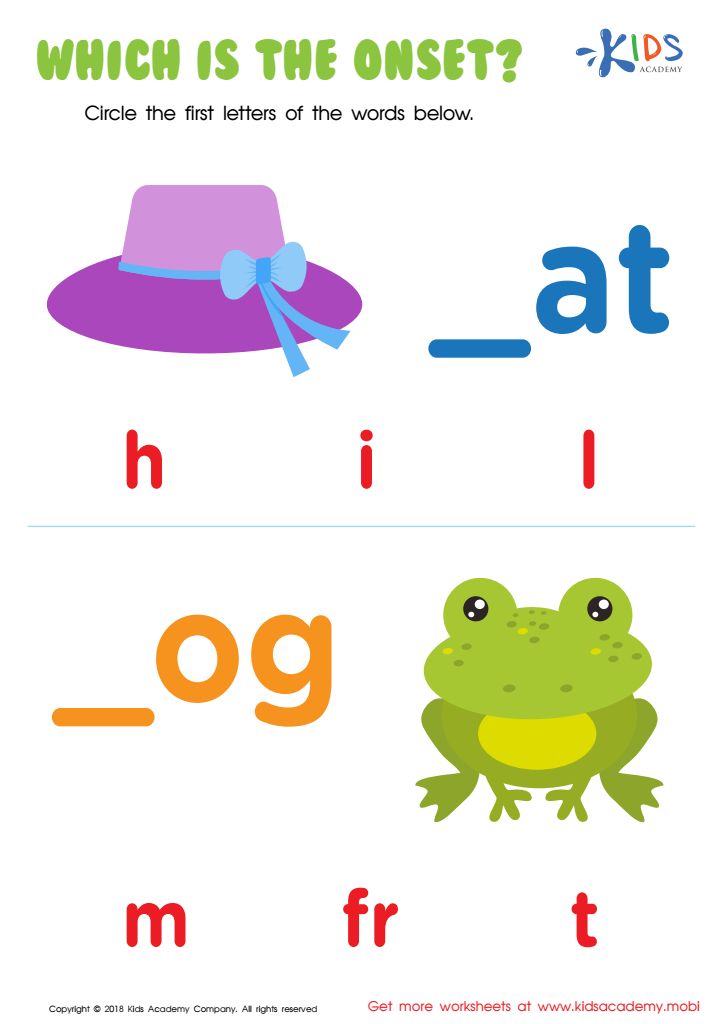
Which Is the Onset? Worksheet
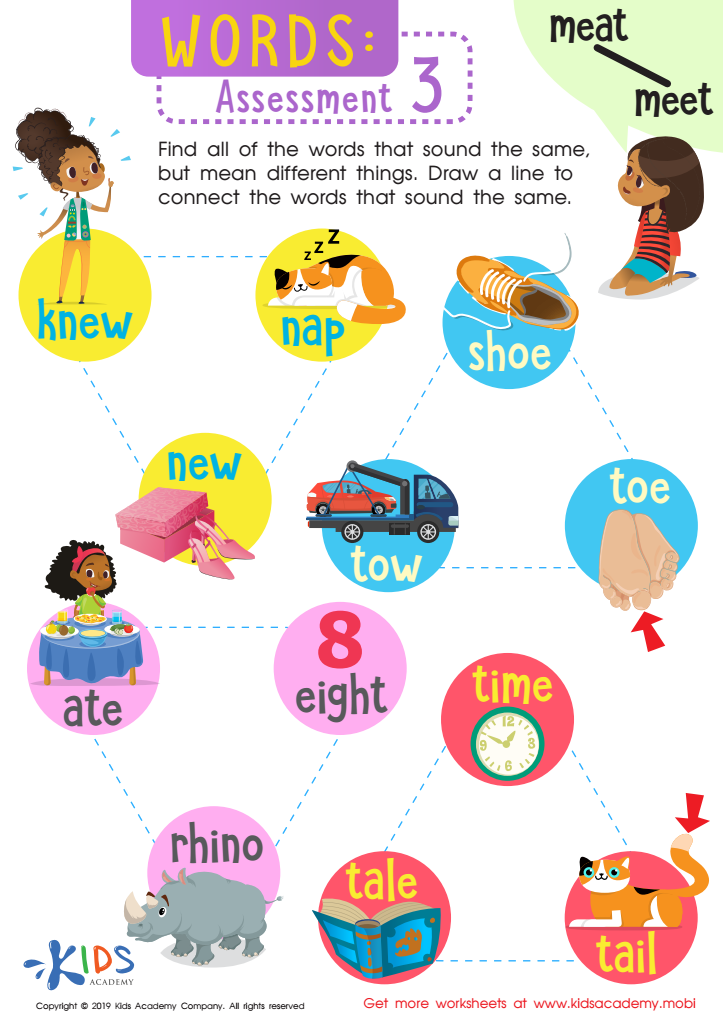
Words: Asessment 3 Worksheet
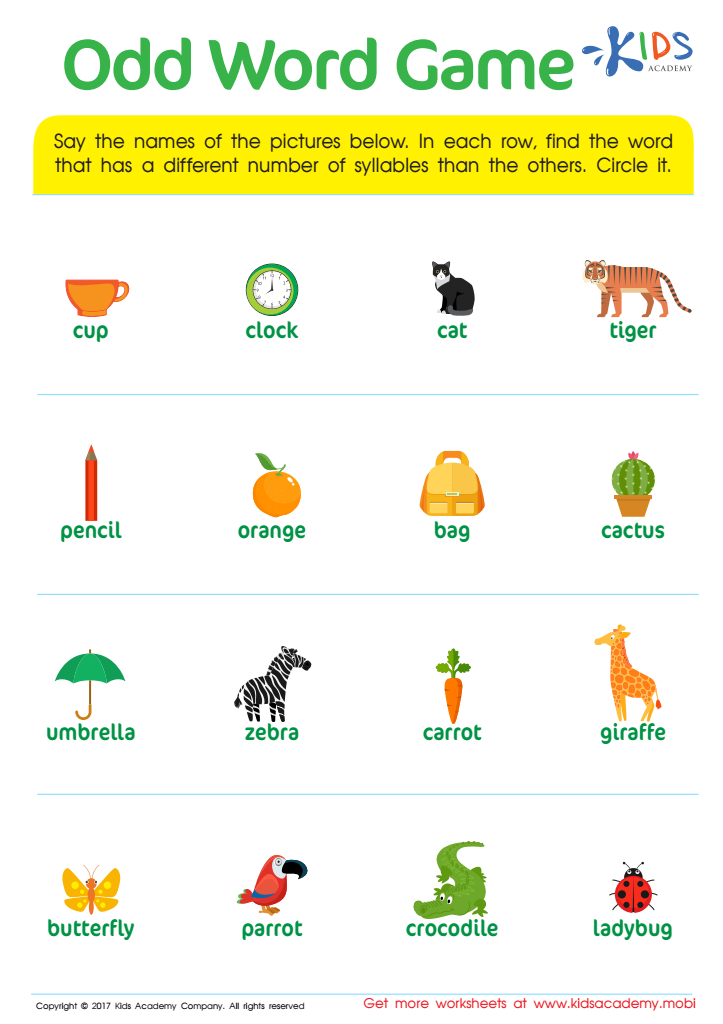
Count Syllables: Odd Word Game Worksheet
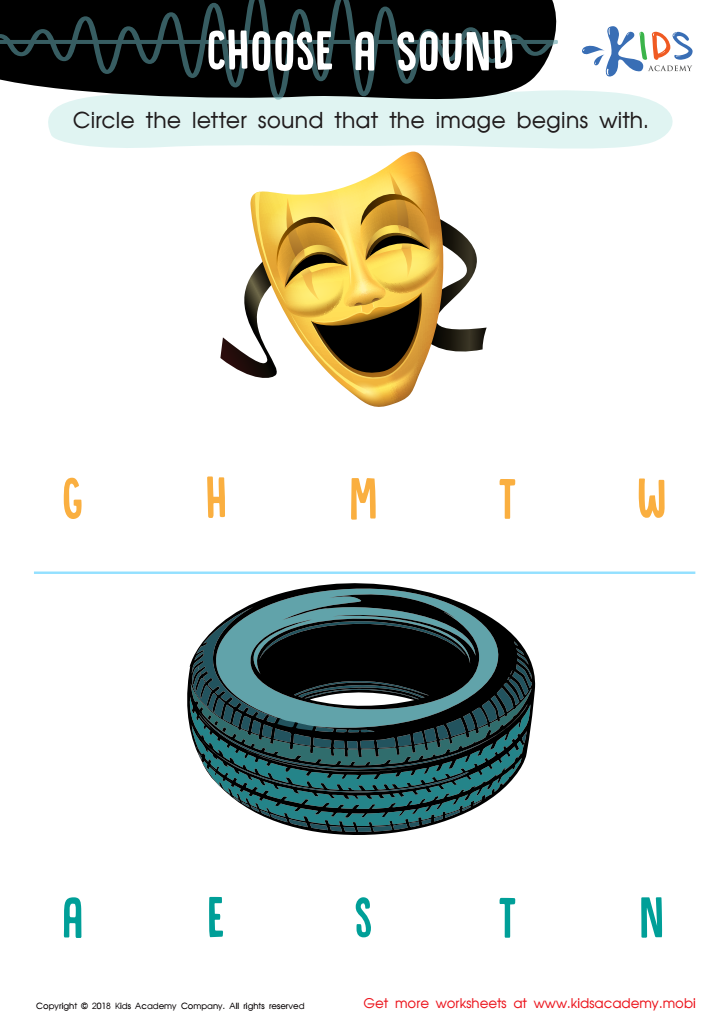
Choose a Sound Worksheet
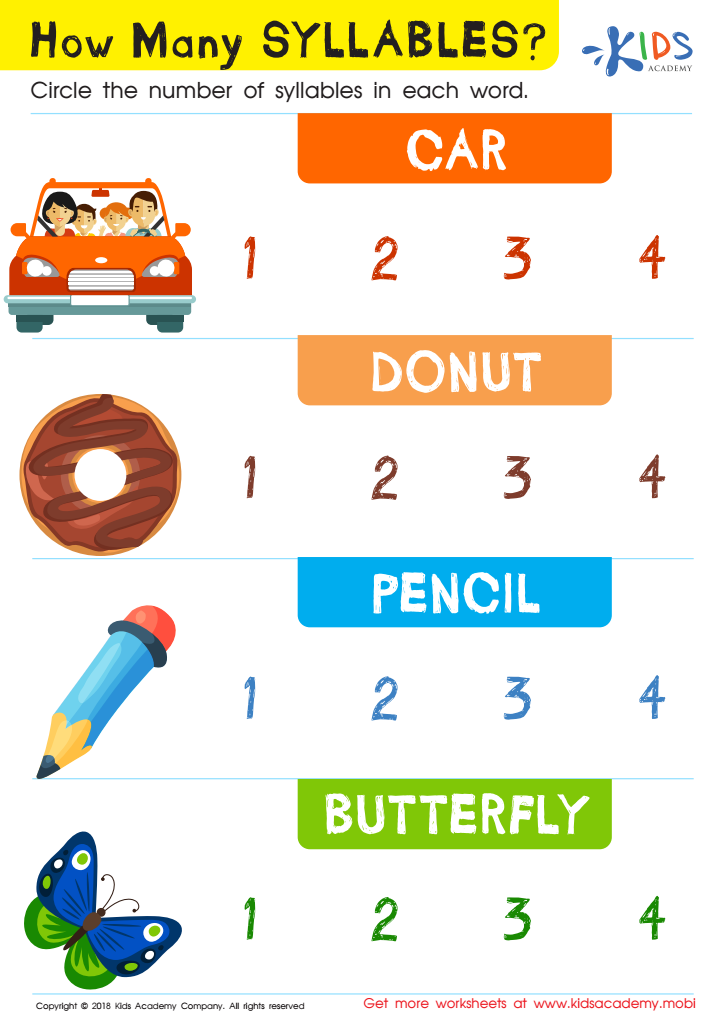
How Many Syllables? Worksheet
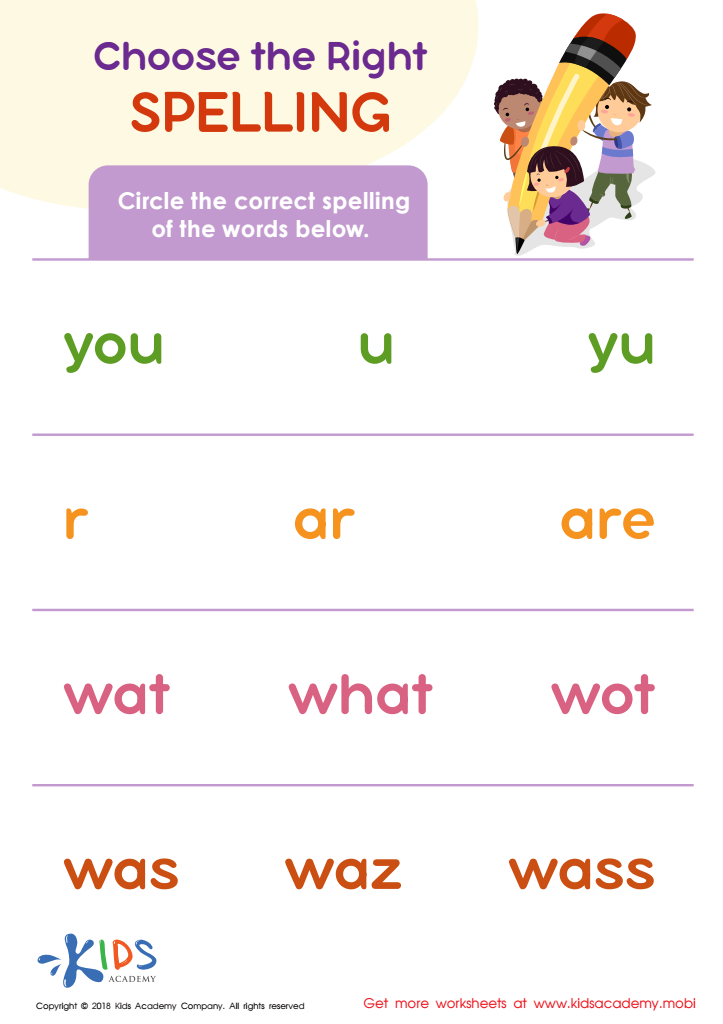
Choose the Right Spelling Worksheet
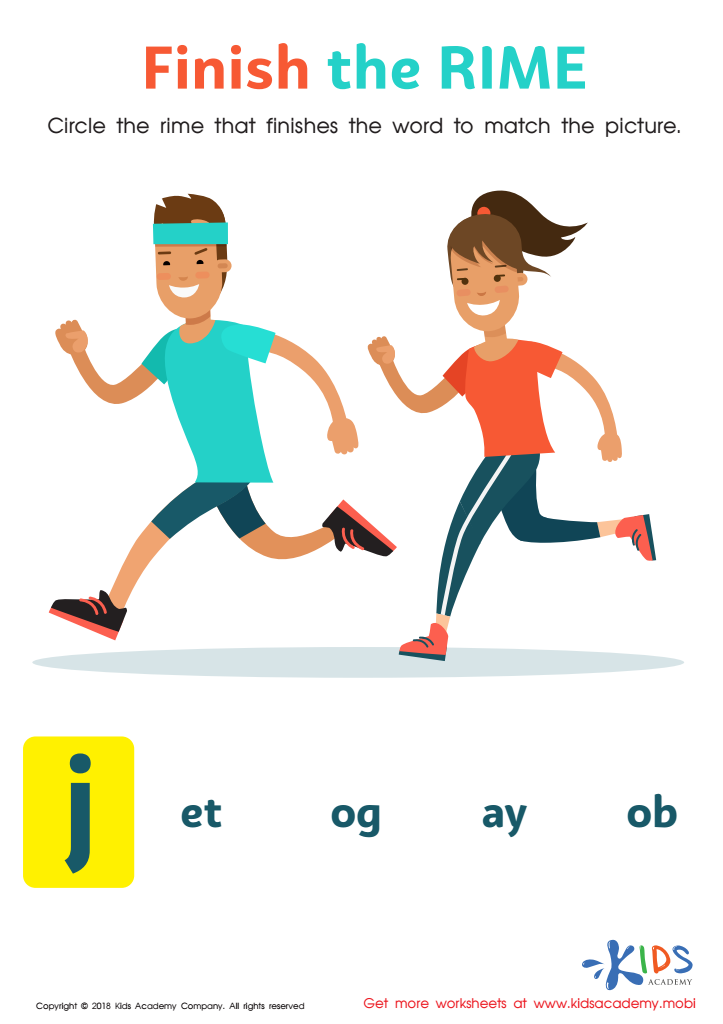
Finish the Rime Worksheet
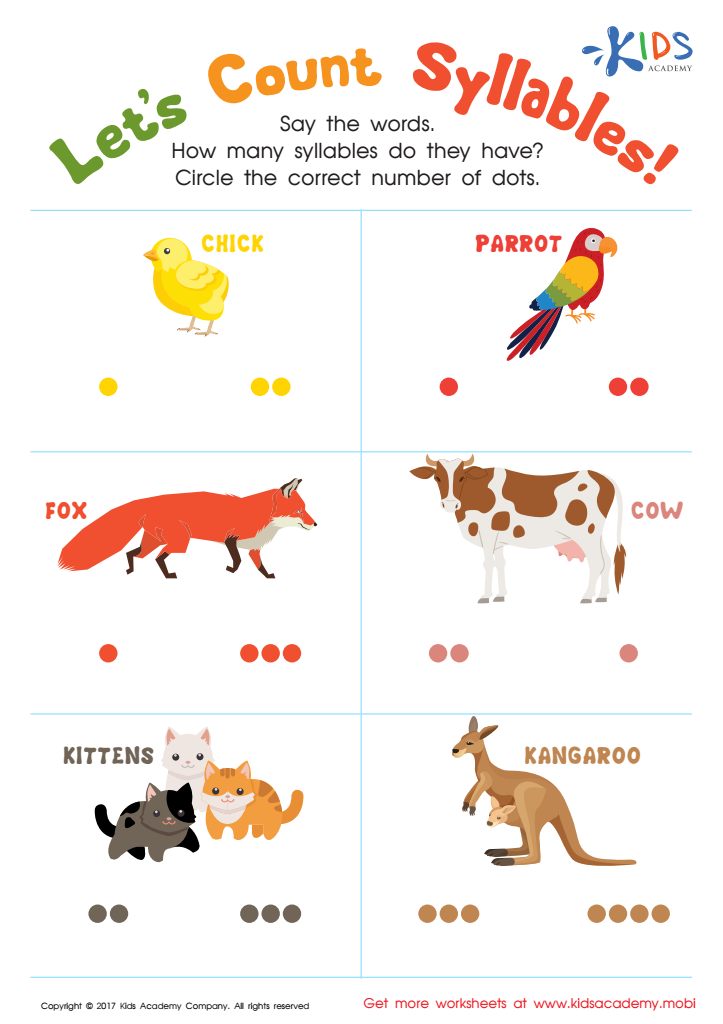
Lets Count Syllables Worksheet




Vocabulary enhancement and elementary phonics are crucial for ages 4-7 because these foundational years set the stage for lifelong learning and effective communication. At this young age, children’s brains are particularly receptive to language acquisition and cognitive development.
First, a strong vocabulary enables children to express themselves more clearly and understand others better. A rich vocabulary not only aids in communication but also enhances reading comprehension and writing skills, which are critical academic proficiencies.
Elementary phonics is equally important as it teaches children the relationship between sounds and letters, a key component of reading. Phonics instruction helps children decode new words, improving their reading accuracy and fluidity. This early literacy skill reduces the risk of reading difficulties later on, fostering a love for reading and a positive attitude towards learning.
Moreover, strong vocabulary and phonics skills contribute to overall academic success. Children adept in these areas tend to perform better across various subjects, as they can understand instructions, grasp new concepts faster, and engage more deeply in classroom discussions.
Parents and teachers should prioritize vocabulary enhancement and phonics to ensure children build a robust linguistic foundation. This investment in early education can lead to improved academic outcomes, better social interactions, and greater self-confidence, benefiting children throughout their educational journey and beyond.