Alphabet Recognition Alphabet Worksheets for Ages 4-7 - Page 3
64 filtered results
-
From - To
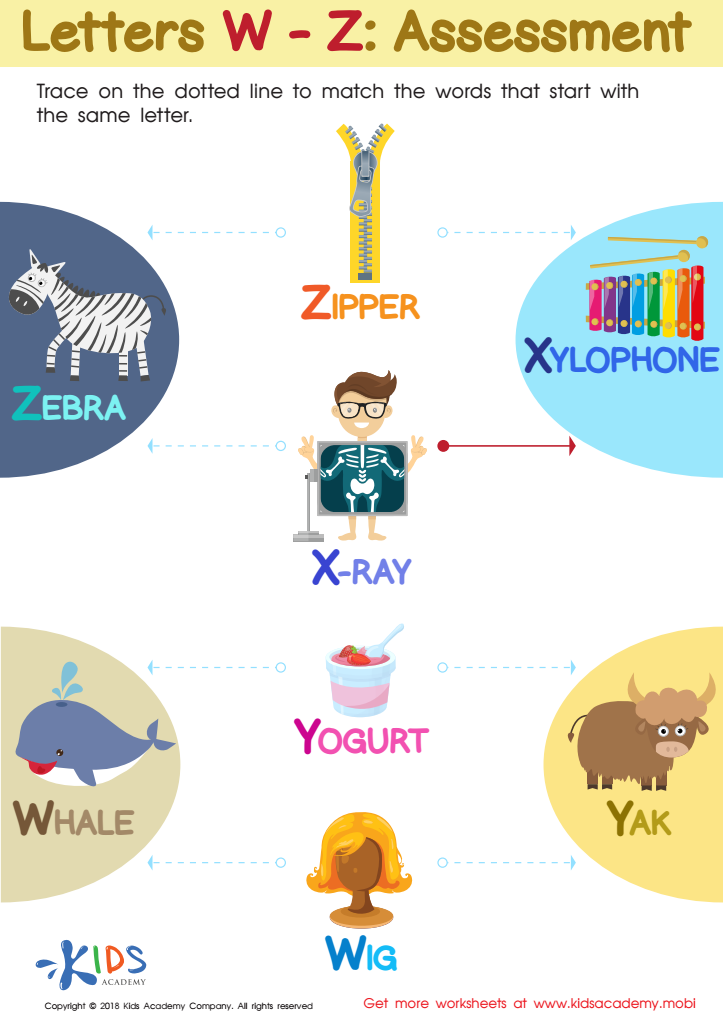
Letters W–Z Tracing Worksheet
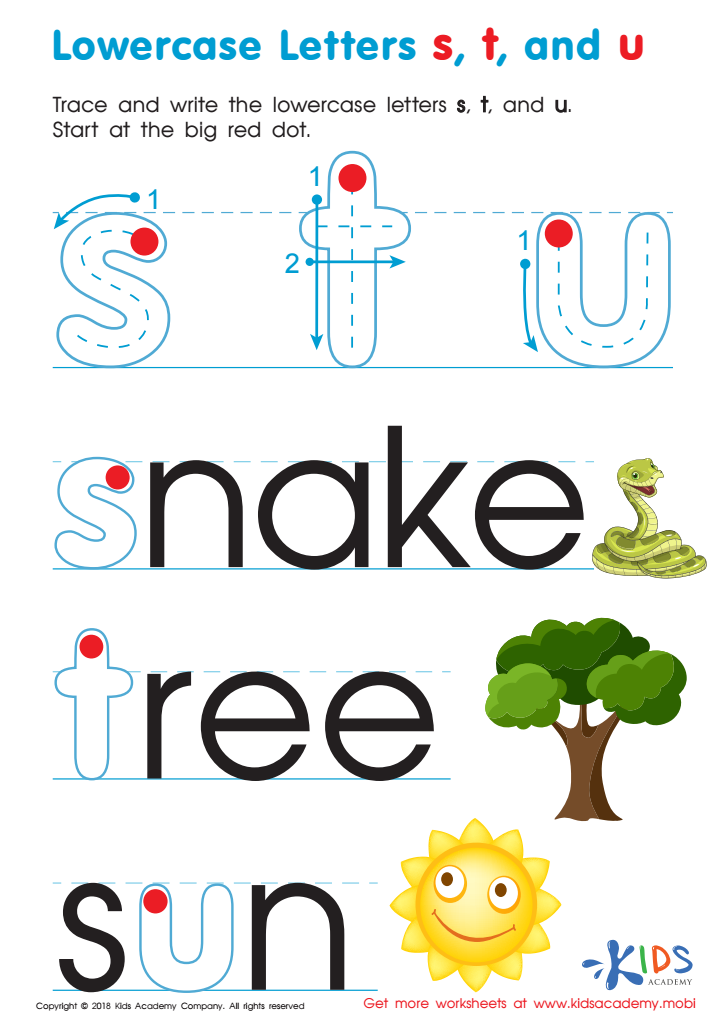
Lowercase Letters s t u Worksheet
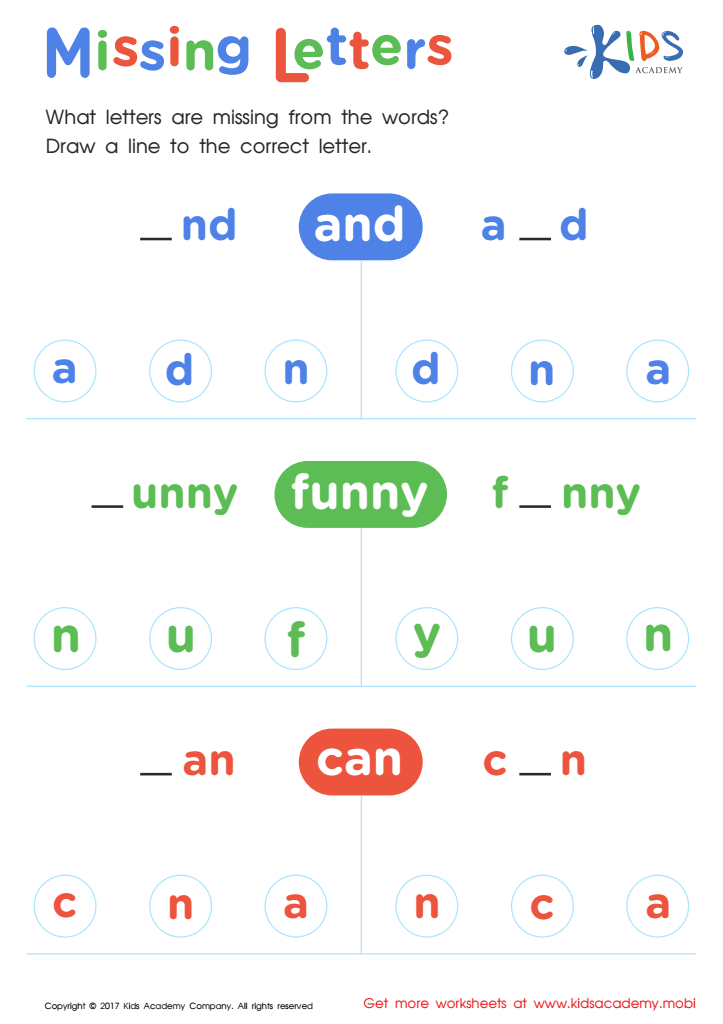
Missing Letters Worksheet
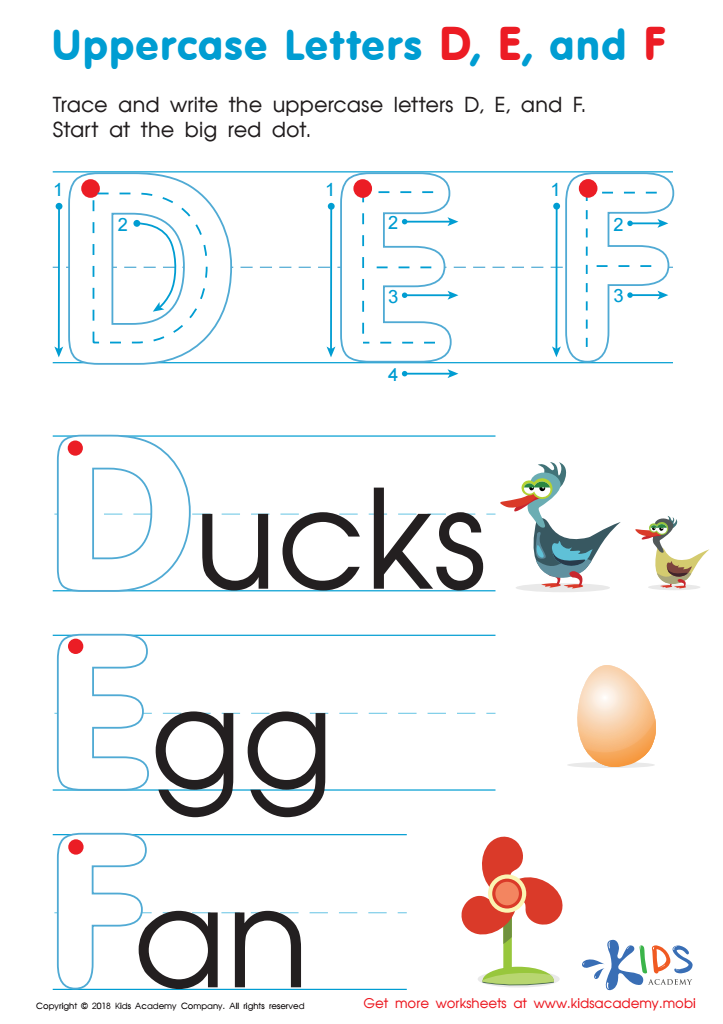
Uppercase Letters D, E, and F Worksheet
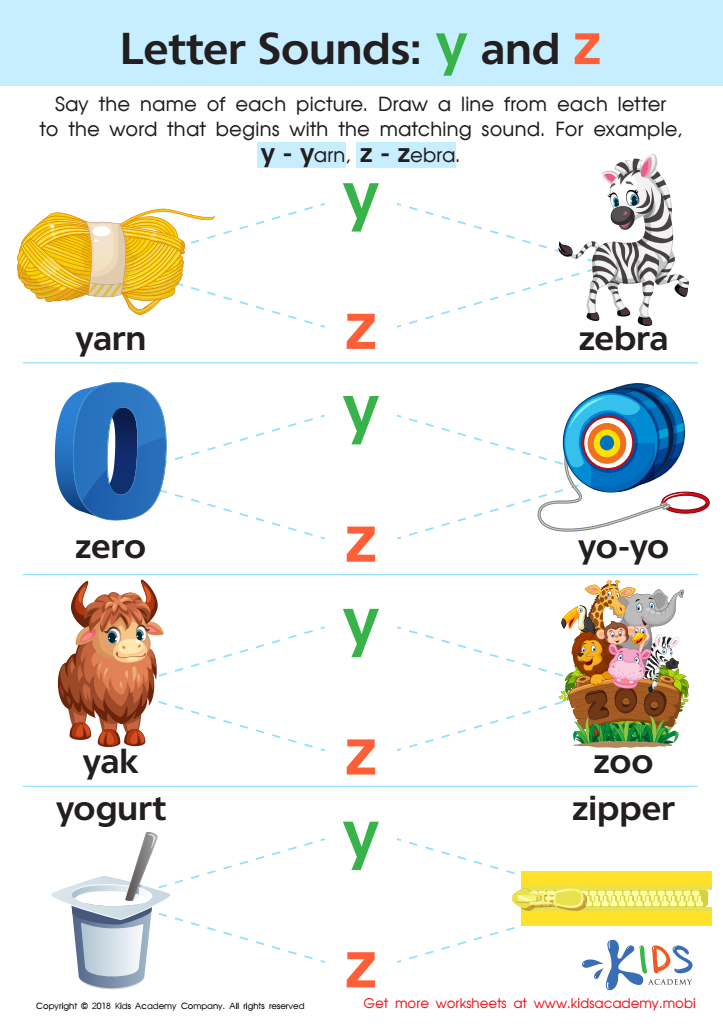
Letter Y and Z Sounds Worksheet
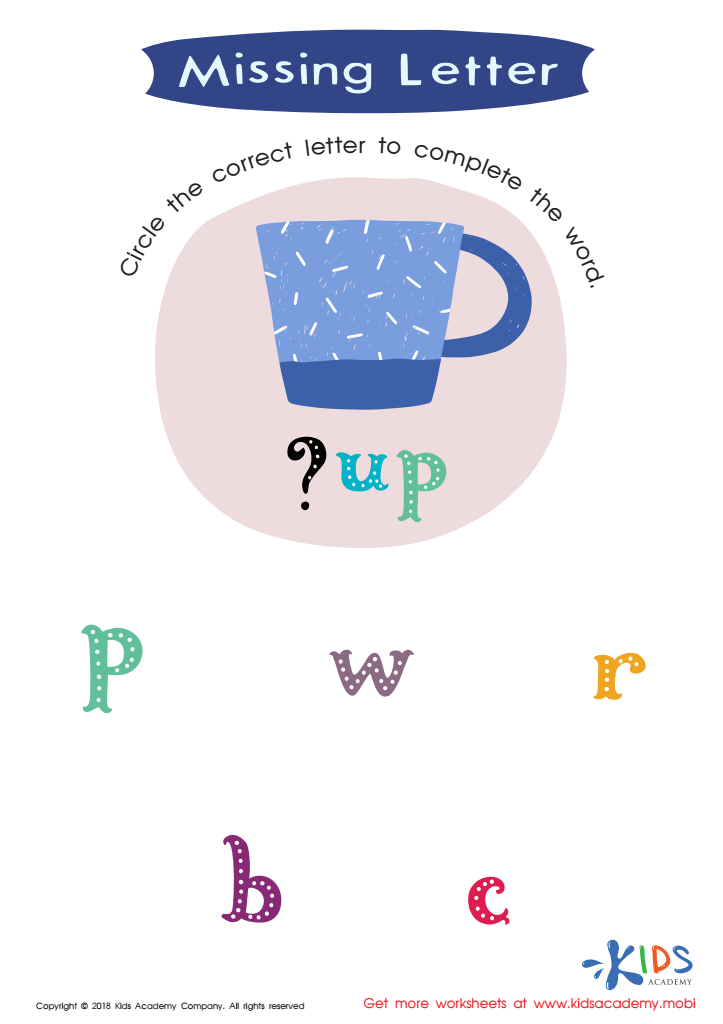
Missing Letter Worksheet
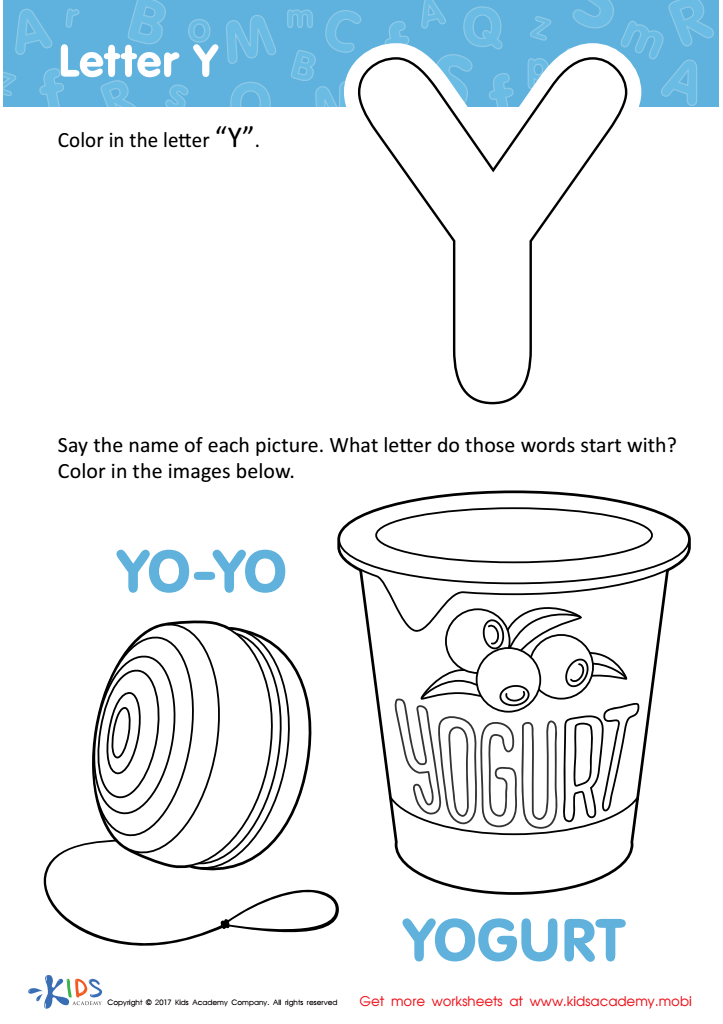
Letter Y Coloring Sheet
 Assign to My Students
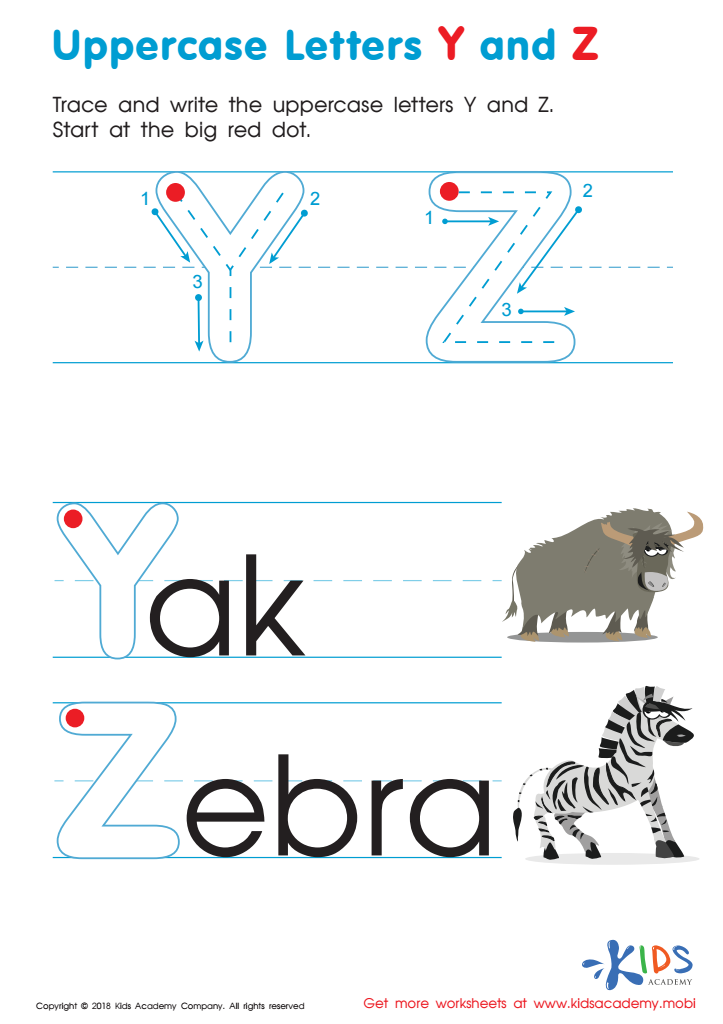
Uppercase Letters Y Z Worksheet
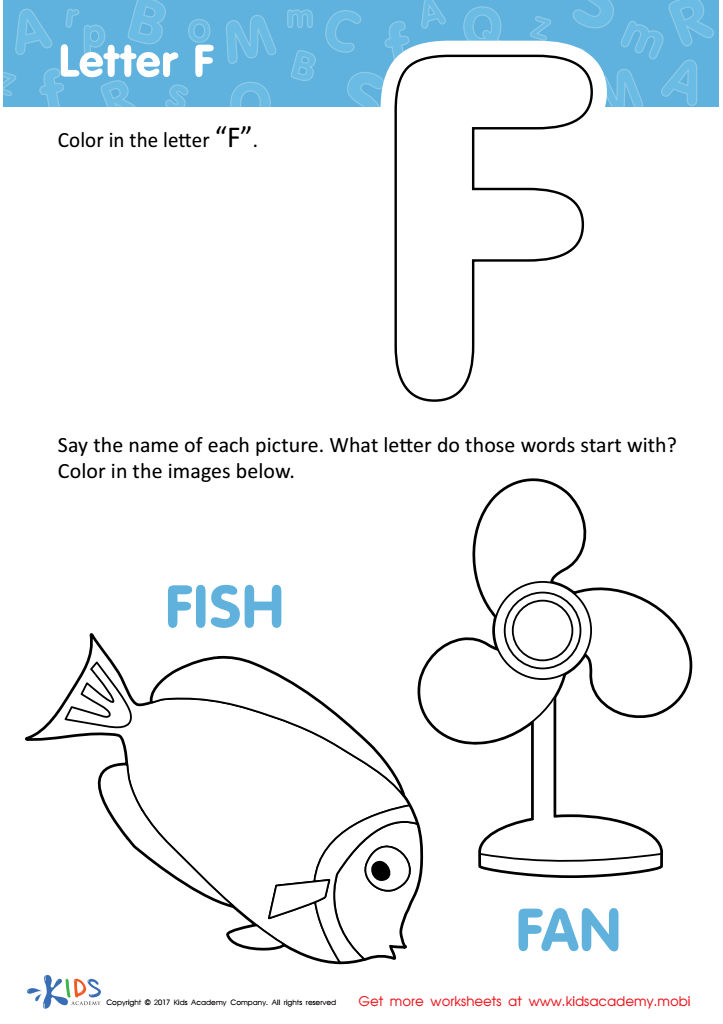
Letter F Coloring Sheet
Assign to My Students

Lowercase Letters g h i Worksheet
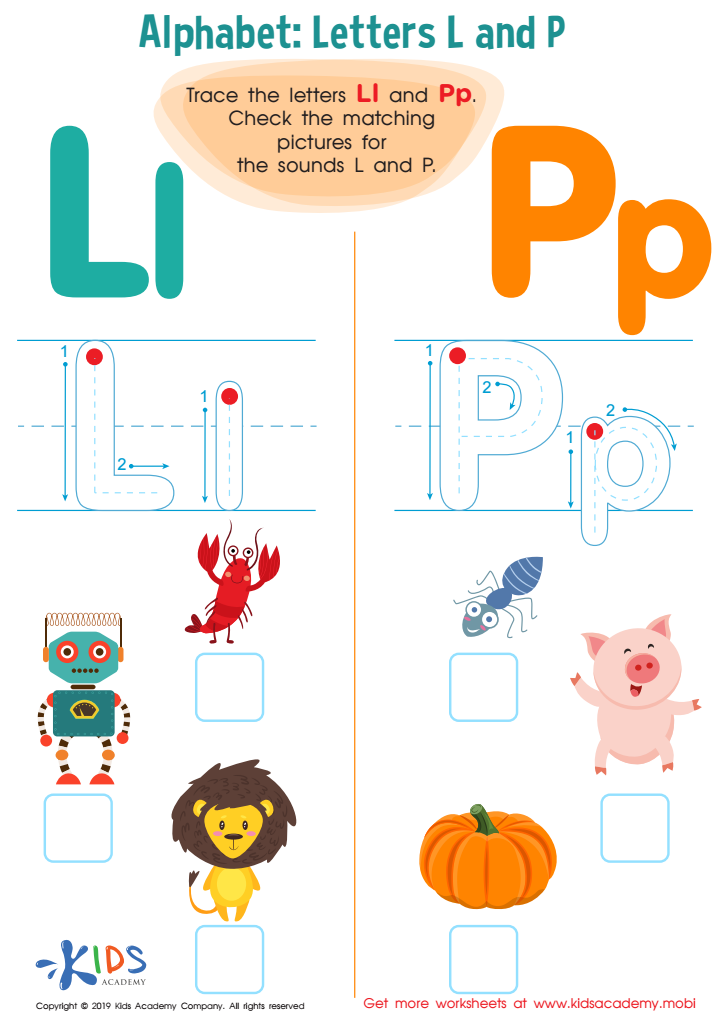
Letter L and P Tracing Worksheet
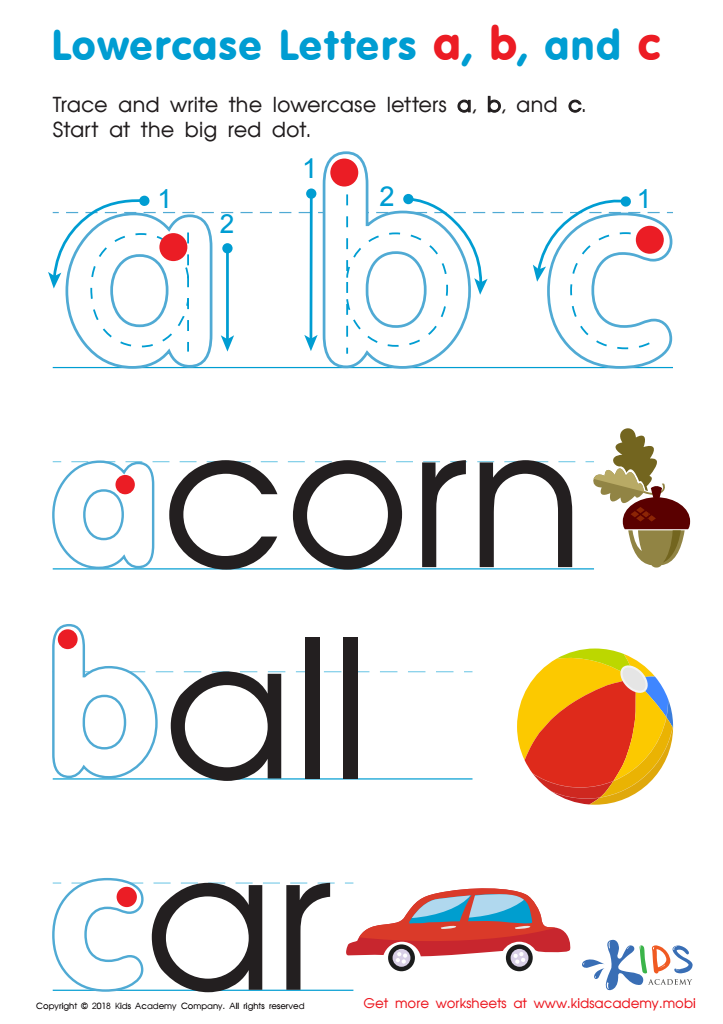
Lowercase Letters a b c Worksheet
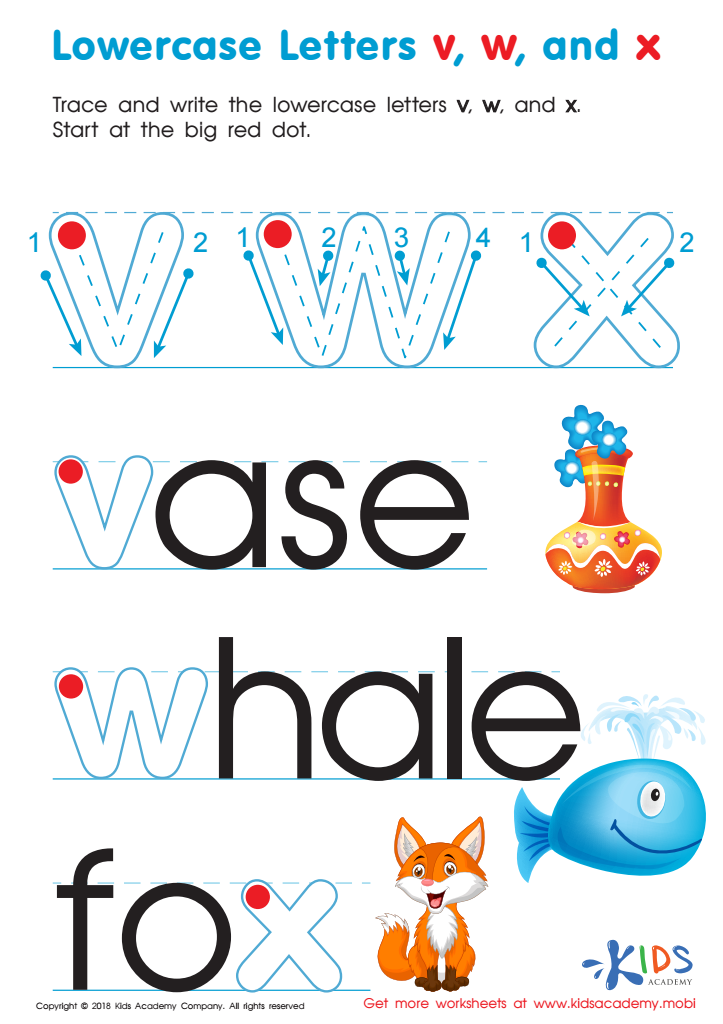
Lowercase Letters v w x Worksheet
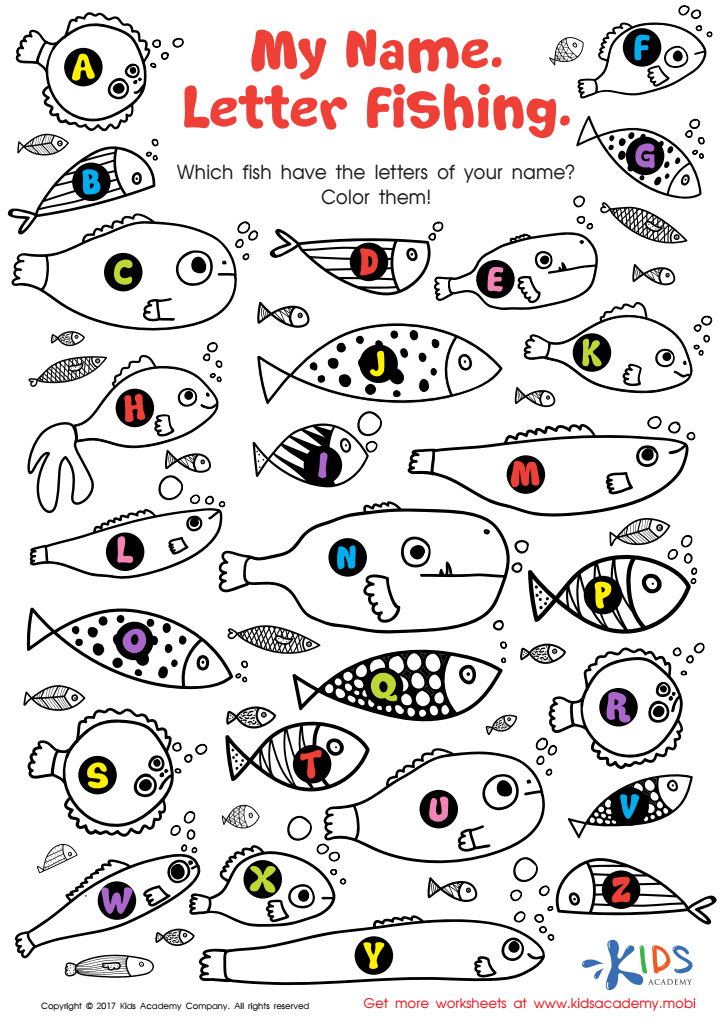
My Name: Letter Fishing Worksheet
Assign to My Students
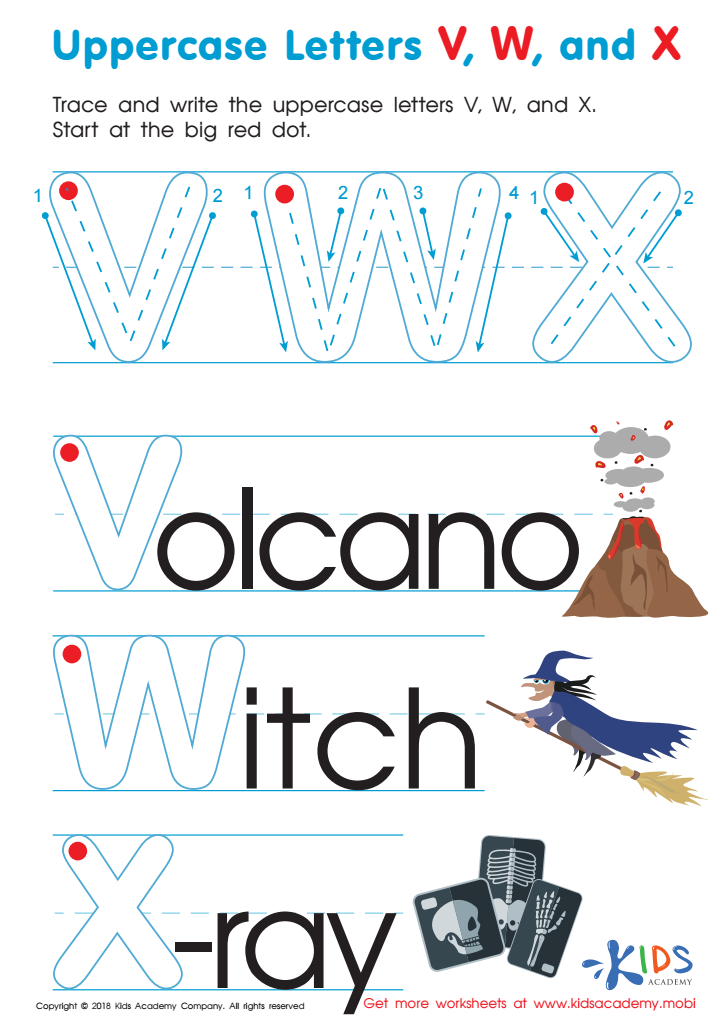
Uppercase Letters V, W, and X Worksheet
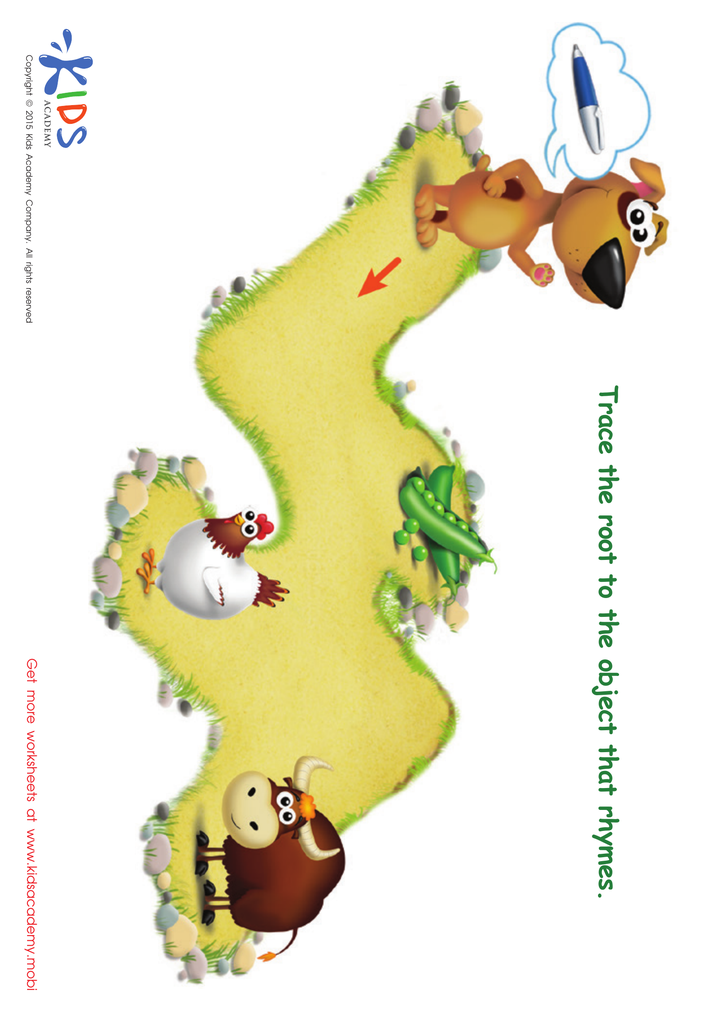
Pen Rhyming Words Worksheet







Alphabet recognition is foundational for young learners aged 4-7, serving as the building block for literacy development and future academic success. Parents and teachers must prioritize this skill because recognizing letters by sight is a precursor to understanding their associated sounds, which is critical for reading and writing. When children are familiar with the alphabet, they can more easily grasp phonemic awareness, where they learn to break down simple words into individual sounds.
Moreover, early success in alphabet recognition promotes confidence and motivation to engage in more complex literacy activities. For teachers, embedding alphabet games and interactive letter activities in the curriculum helps solidify these concepts in a fun, engaging manner, ensuring that children remain enthusiastic learners. For parents, practicing at home creates a continual learning environment that reinforces school-based activities, amplifying retention and comprehension.
Proficient alphabet recognition also aids in other cognitive domains such as memory, attention, and language development. Children who can effortlessly identify and name letters are better prepared to tackle the nuances of reading and writing, laying a strong foundation for future learning in all subjects. Therefore, investing time and resources into this fundamental skill is essential for fostering a lifetime of educational success.







