Alphabetical understanding Alphabet Worksheets for Ages 4-7
3 filtered results
-
From - To
Enhance your child's alphabetical understanding with our engaging Alphabet Worksheets designed specifically for ages 4-7! These worksheets offer fun activities that help young learners master letter recognition and phonemic awareness. Each worksheet is crafted to capture children's interest while promoting essential skills such as sorting, sequencing, and letter identification. Dive into a world of colorful illustrations and interactive exercises that make learning the alphabet enjoyable. Whether used at home or in the classroom, our resources are perfect for building a solid literacy foundation. Encourage your child's love for learning and set them up for future academic success today!
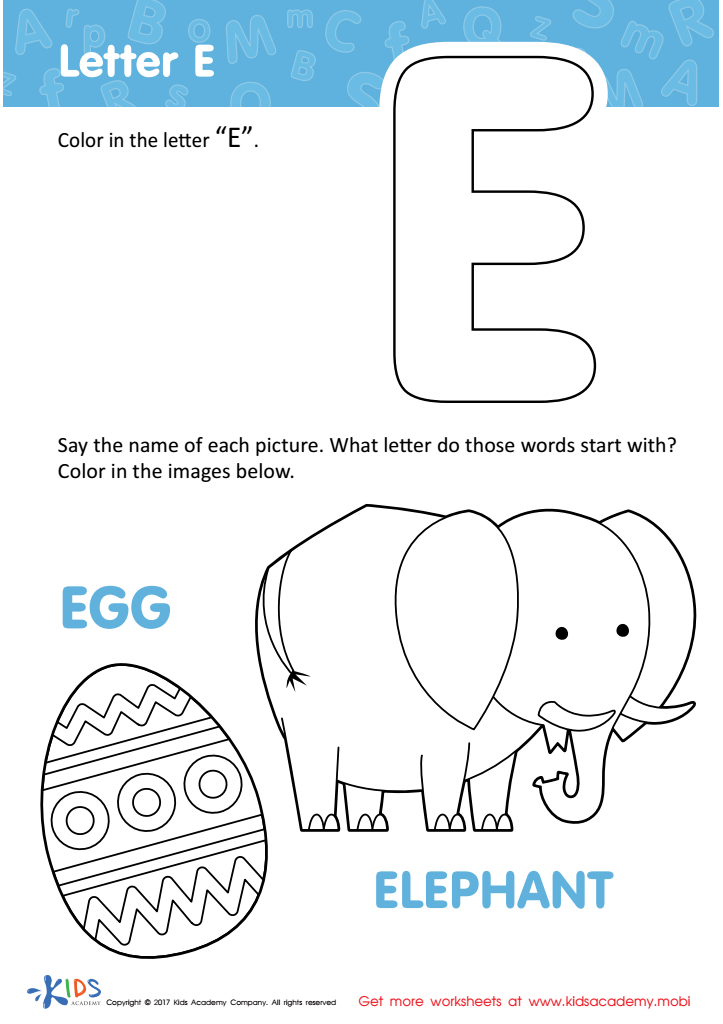
Letter E Coloring Sheet
 Assign to My Students
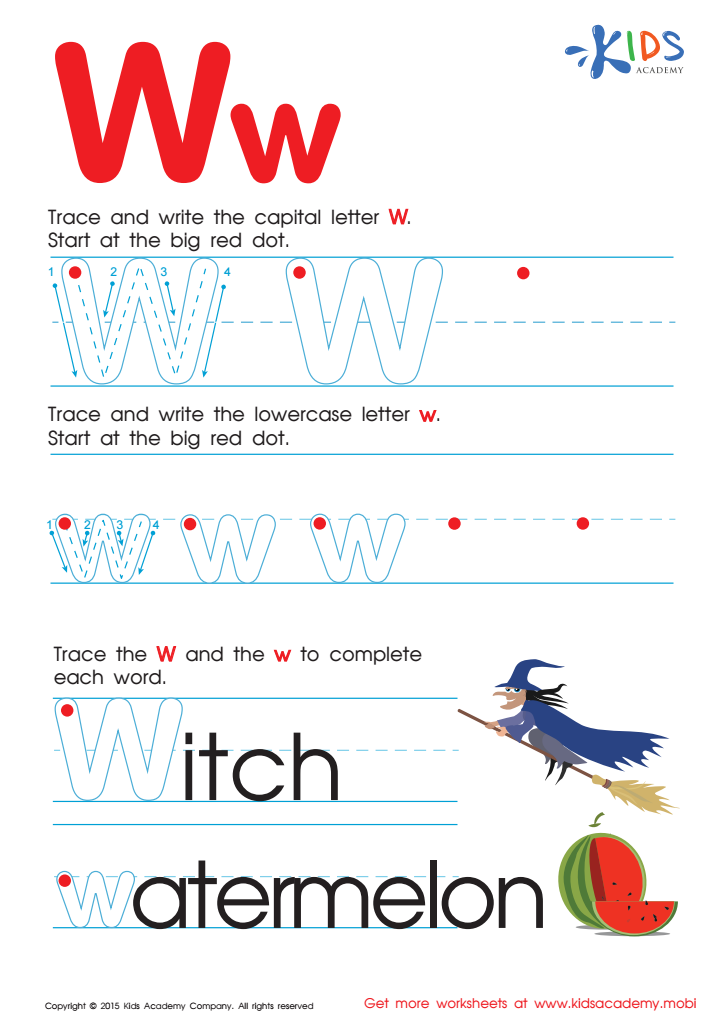
Letter W Tracing Page
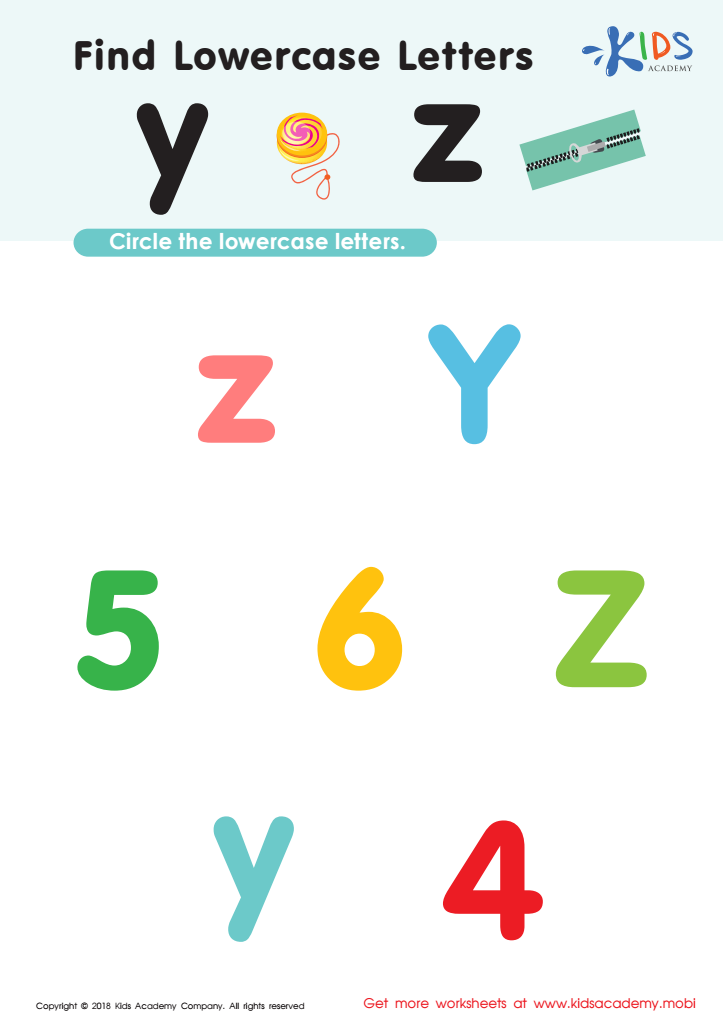
Find Lowercase Letters y z Worksheet








Alphabetical understanding is crucial for children aged 4-7, as it forms the foundation for their literacy development. At this age, children are beginning to recognize letters, understand their sounds, and associate them with words, which is essential for reading and writing. By fostering alphabetical understanding, parents and teachers equip children with the skills they need to decode words, improving their ability to read independently.
Furthermore, a strong grasp of the alphabet enhances language skills, enabling children to communicate more effectively. It also lays the groundwork for future academic success, as literacy is a vital component across all subjects. Parents and teachers can engage children through fun, interactive activities, such as letter games, songs, and storytelling, making learning enjoyable.
Additionally, promoting alphabetical understanding supports cognitive development; children learn to categorize information, fostering critical thinking skills. By caring about the alphabet, adults are investing in children's overall development, encouraging a love for reading and learning that can last a lifetime. In a world that increasingly relies on literacy, understanding the alphabet is more important than ever for ensuring a child’s success in school and beyond.







