Color Identification Alphabet Worksheets for Ages 4-7
5 filtered results
-
From - To
Enhance your child's learning with our engaging Color Identification Alphabet Worksheets for ages 4–7! Designed to make alphabet mastery fun and visually stimulating, these printables combine vibrant colors with familiar letters to boost color recognition, fine motor skills, and letter familiarity. Each worksheet invites young learners to identify and color letters, fostering attention to detail and creativity. Ideal for preschool to early elementary students, these activities transform learning into a delightful, hands-on experience. Empower your child to succeed in foundational literacy skills with our expertly crafted, educational worksheets. Download now and watch them enjoy learning like never before!
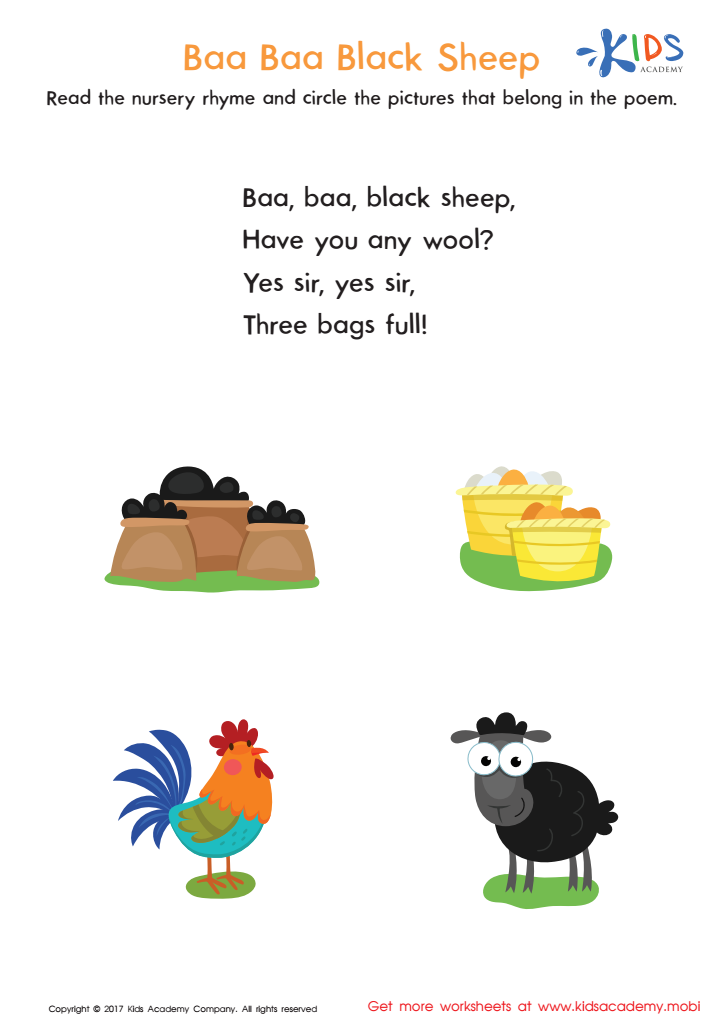
Baa Baa Black Sheep Printable
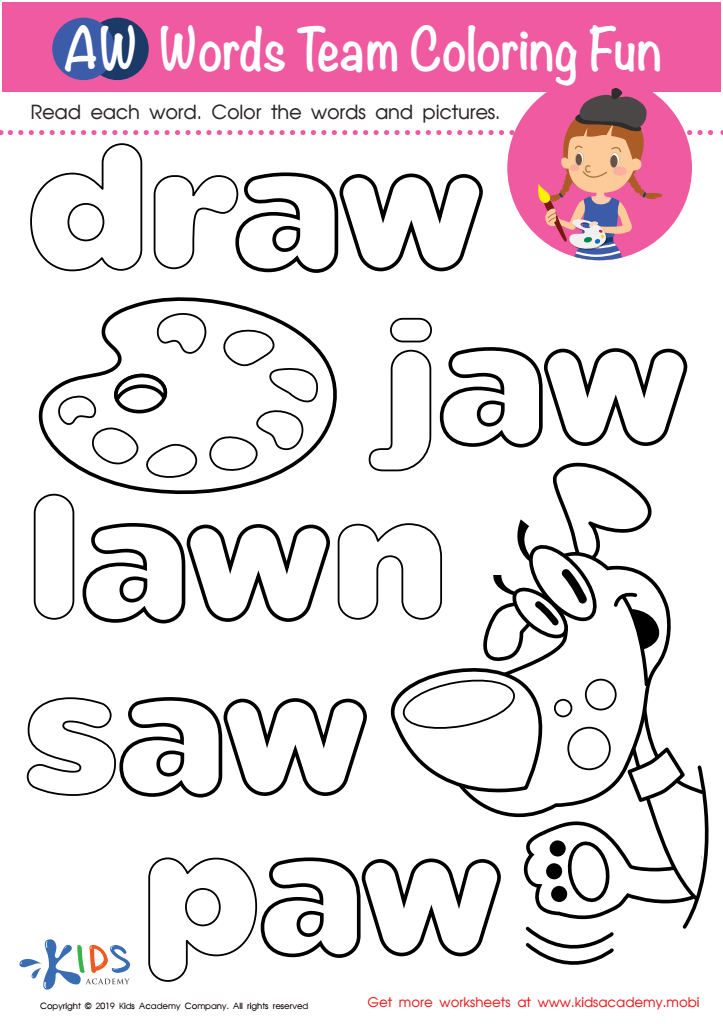
AW Words Team Coloring Fun Worksheet
 Assign to My Students
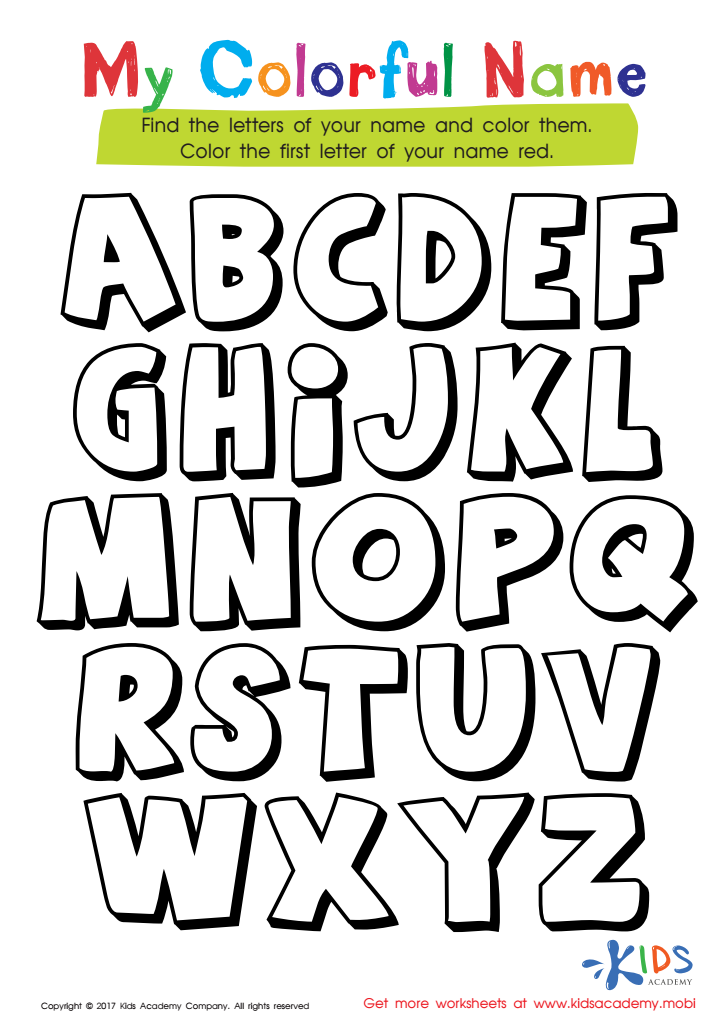
My Colorful Name Worksheet
Assign to My Students
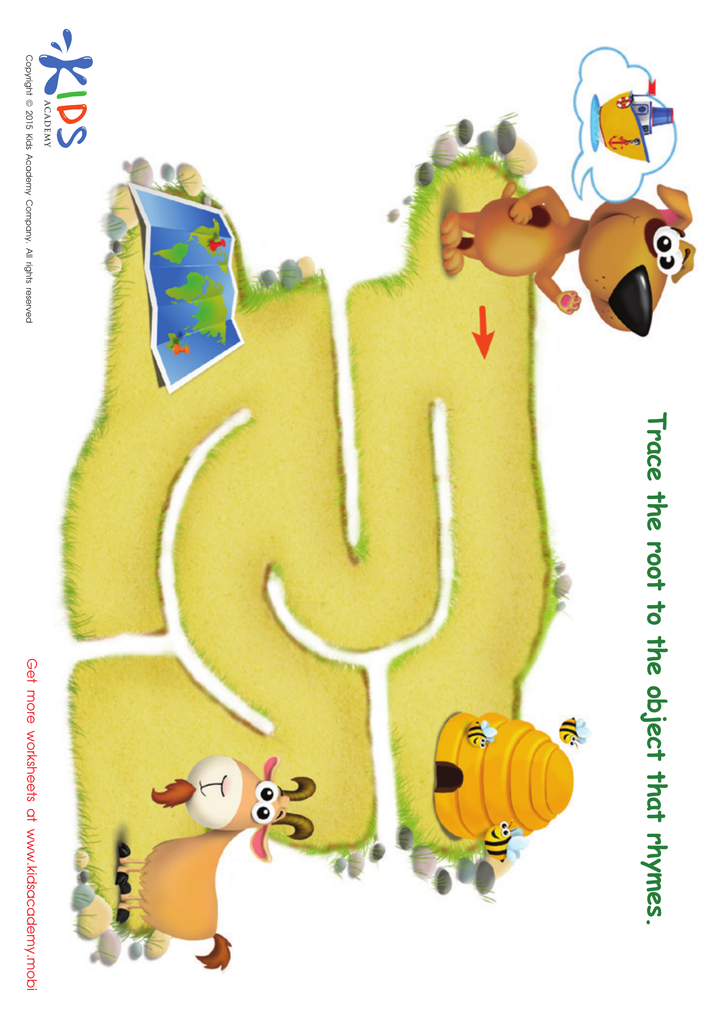
Boat Rhyming Words Worksheet
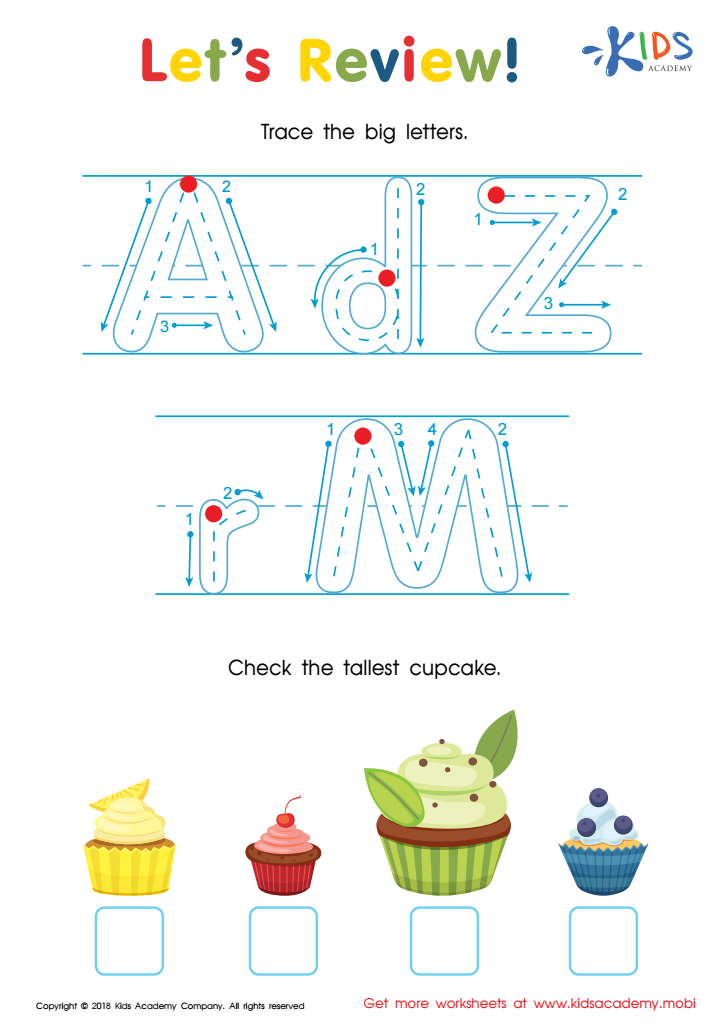
Let's Review! Big Letters Worksheet







Parents and teachers should care about Color Identification Alphabet for children ages 4-7 because it creates a robust foundation for essential early learning skills. During these formative years, children learn best through interactive and engaging methods. Integrating color with alphabet learning transforms a potentially dry subject into a dynamic and memorable experience. By associating letters with specific colors, children's brains form stronger and more vivid memories, aiding in quicker and deeper comprehension.
Additionally, the use of color in the learning process can cater to diverse learning styles. Visual learners, for instance, might find it easier to recall a bright red 'A' or a green 'B' than just the letter alone. This multisensory approach builds not only literacy but also cognitive and fine motor skills as children identify, differentiate, and draw colorful alphabets.
Furthermore, familiarity with colors and letters builds the confidence and enthusiasm children need for future learning. A seamless blend of color and alphabet recognition also prepares children for more complex reading and writing tasks. In summary, incorporating colors into alphabet learning isn't merely playful; it’s a strategic educational technique that enhances memory retention, cognitive development, and learning excitement for young children.







