Phonics improvement Alphabet Worksheets for Ages 4-7
6 filtered results
-
From - To
Discover our engaging Phonics Improvement Alphabet Worksheets designed specifically for children aged 4-7! These worksheets provide a fun and interactive way to enhance early literacy skills, focusing on letter recognition, sounds, and phonemic awareness. Each activity encourages young learners to connect letters with sounds through colorful illustrations and exciting exercises. Ideal for home or classroom use, these materials help kids develop confidence in reading while fostering a love for learning. Whether your child is just starting or needs a little extra practice, our phonics worksheets are a perfect tool to make learning entifthful and effective! Explore the world of phonics today!
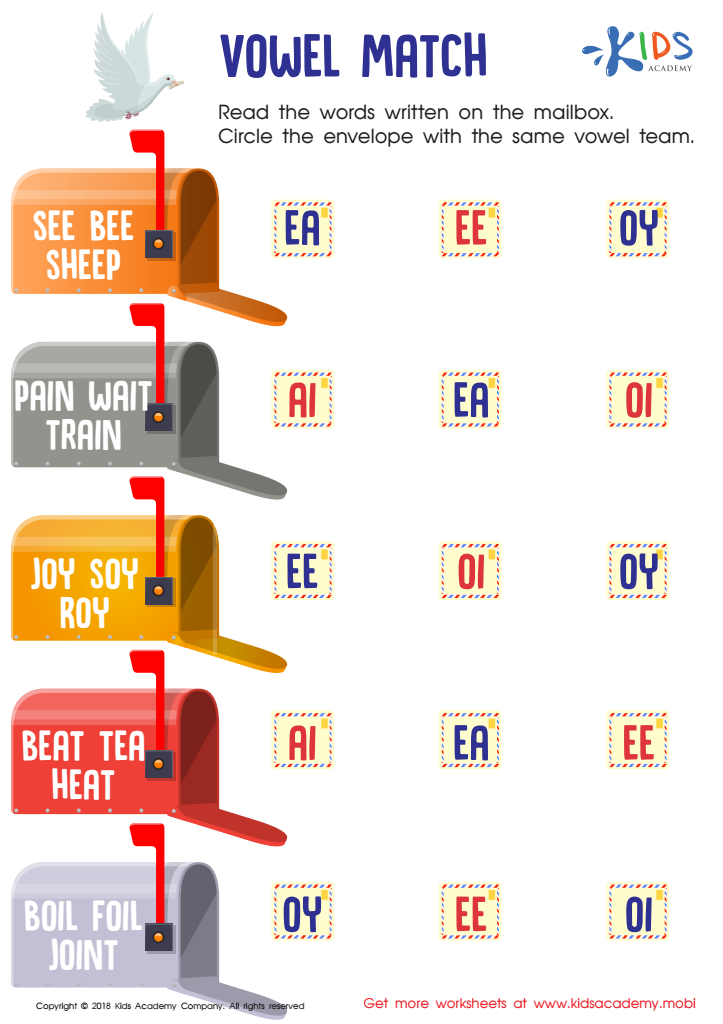
Vowel match Worksheet
 Assign to My Students
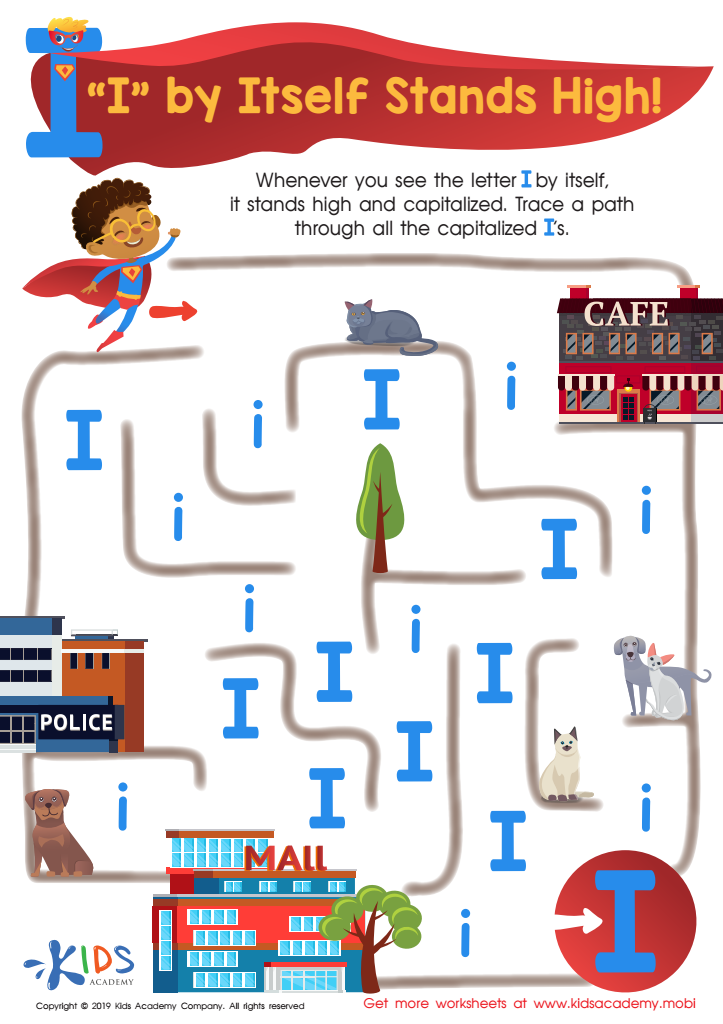
I Stands High Worksheet
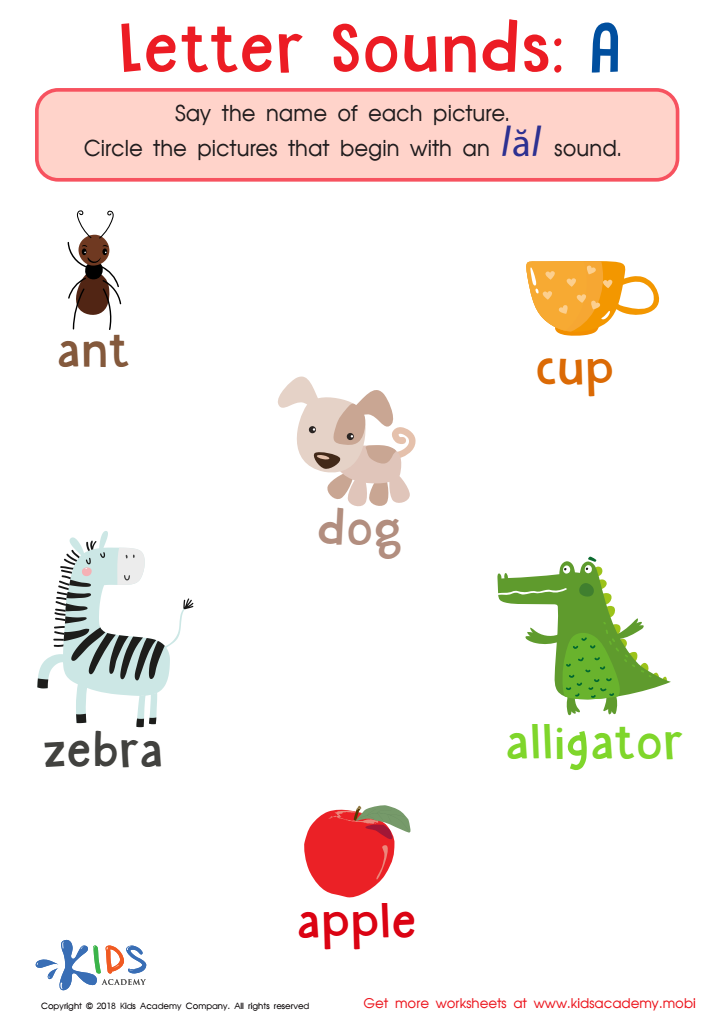
Letter A Sounds Worksheet
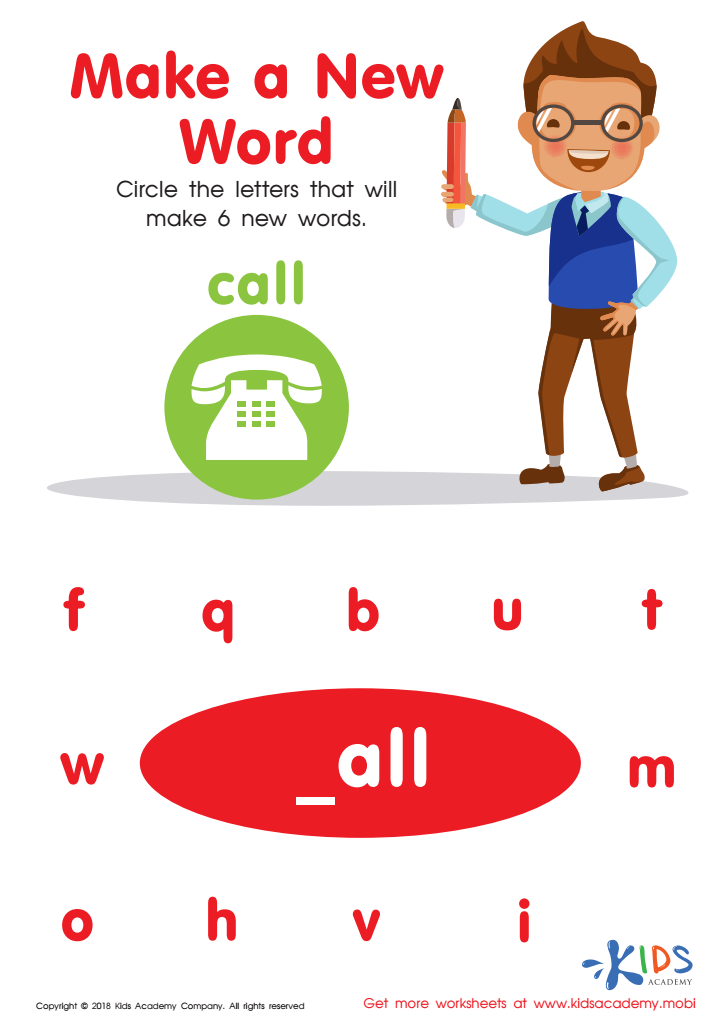
Make a New Word Worksheet
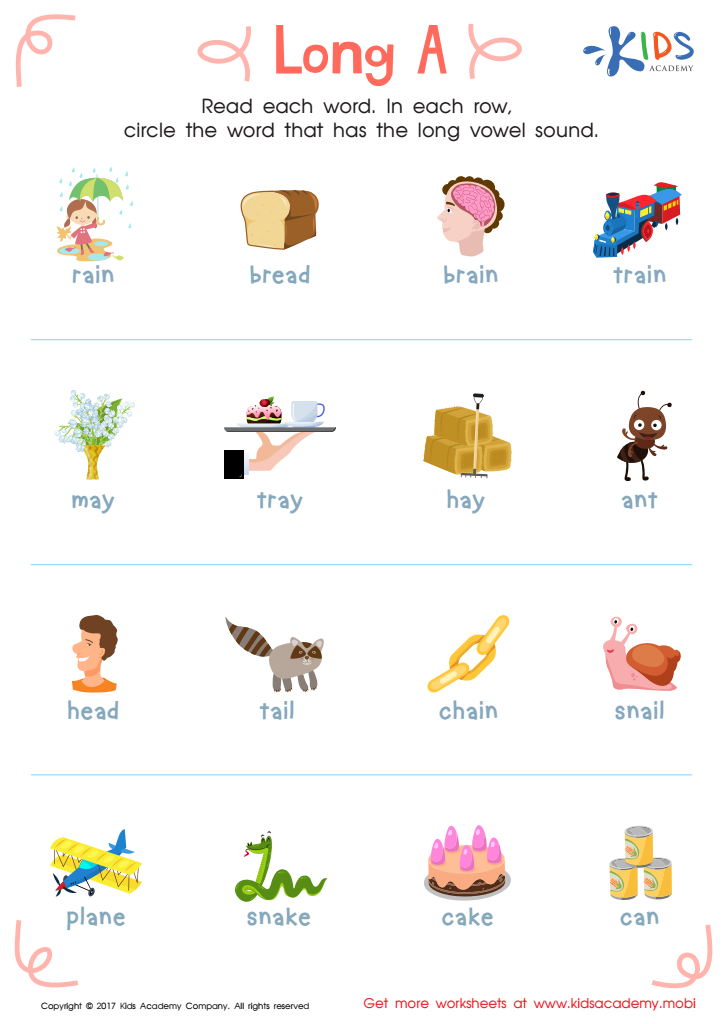
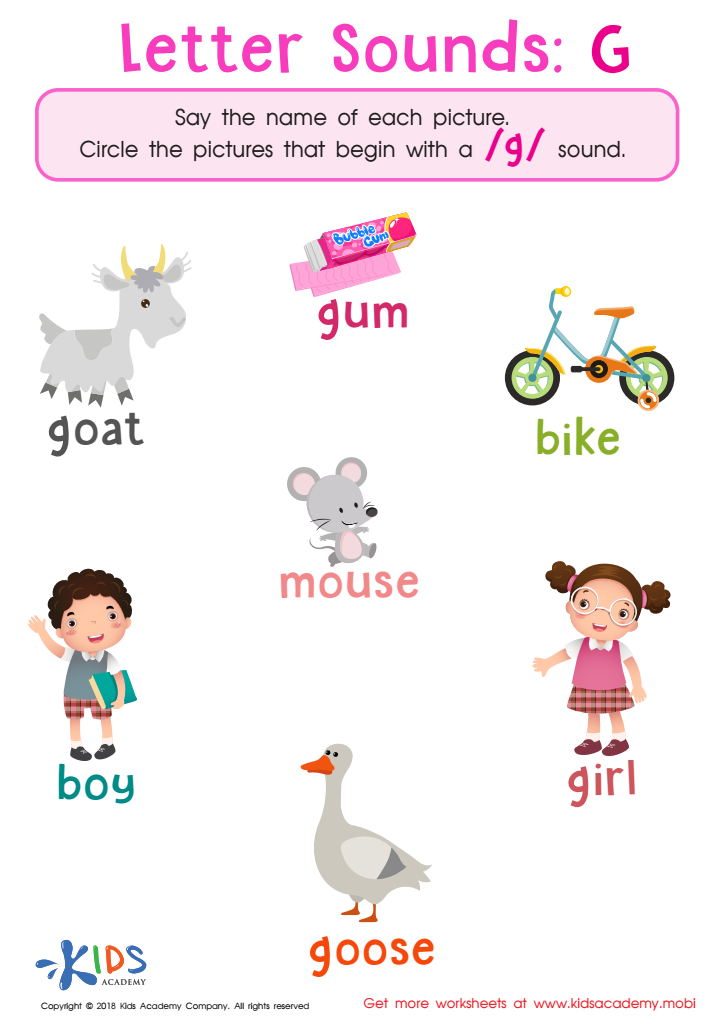
Letter G Sounds Worksheet




.jpg)



Parents and teachers should prioritize phonics improvement for children aged 4-7 because it lays the foundation for reading and writing. Phonics teaches the relationship between letters and sounds, which enables young learners to decode words effectively. Mastery of phonics skills fosters phonemic awareness, essential for understanding how sounds form words. When children grasp these skills early, they gain confidence and motivation in their literacy journey.
Effective phonics instruction can lead to improved reading fluency and comprehension, critical factors in overall academic success. Children who struggle with phonics may experience difficulties in learning, impacting their self-esteem and love for reading. Conversely, those who master these skills early tend to perform better in all subjects, as literacy is foundational to engaging with a range of academic content.
Additionally, teaching phonics can promote excitement around language and literacy. Engaging activities using phonics can help create a positive learning environment. By focusing on phonics improvement for young learners, both parents and teachers can play a vital role in enhancing a child's cognitive skills, emotional well-being, and love for learning. This proactive approach to literacy education ensures that children are equipped to succeed in their future academic endeavors.







