Shape Recognition Alphabet Worksheets for Ages 4-7
4 filtered results
-
From - To
Discover our engaging Shape Recognition Alphabet Worksheets designed for children aged 4-7! These interactive resources seamlessly blend shape recognition with early alphabet skills, ensuring a fun and educational experience. Each worksheet includes vibrant illustrations and activities that help young learners identify shapes while connecting them with corresponding letters. Perfect for home or classroom use, these worksheets encourage creativity, reinforce problem-solving abilities, and enhance fine motor skills. Unlock your child's potential as they embark on a colorful journey through shapes and letters! Ideal for preschool and kindergarten readiness, these resources will nurture a love for learning in your little ones. Download now and instill confidence in their foundational skills!
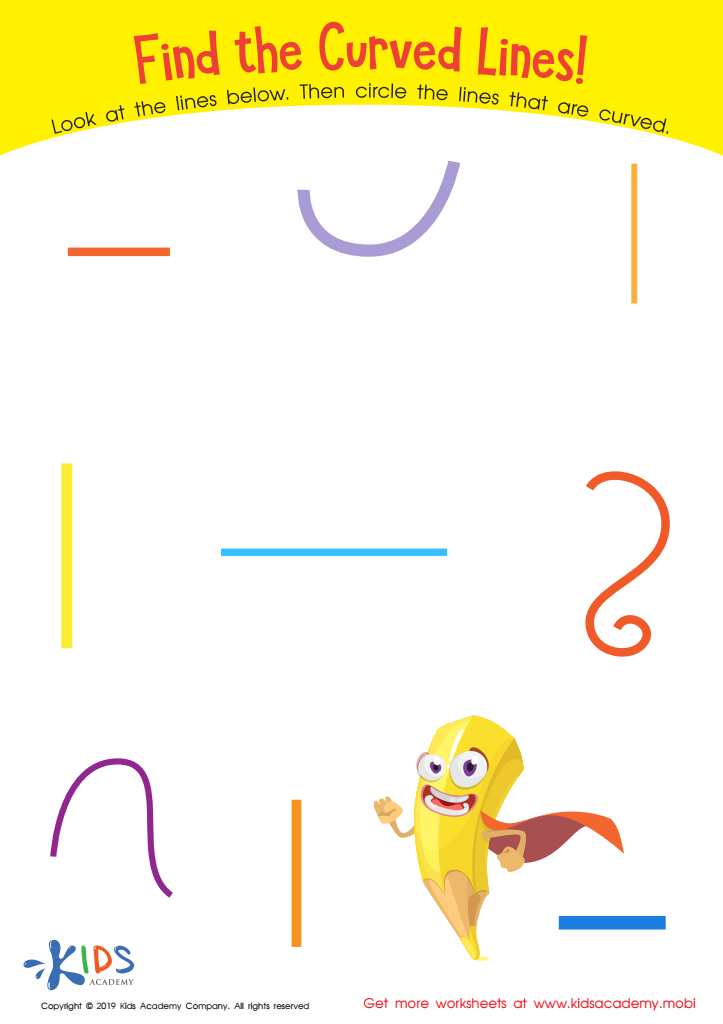
Find the Curved Lines! Worksheet
 Assign to My Students
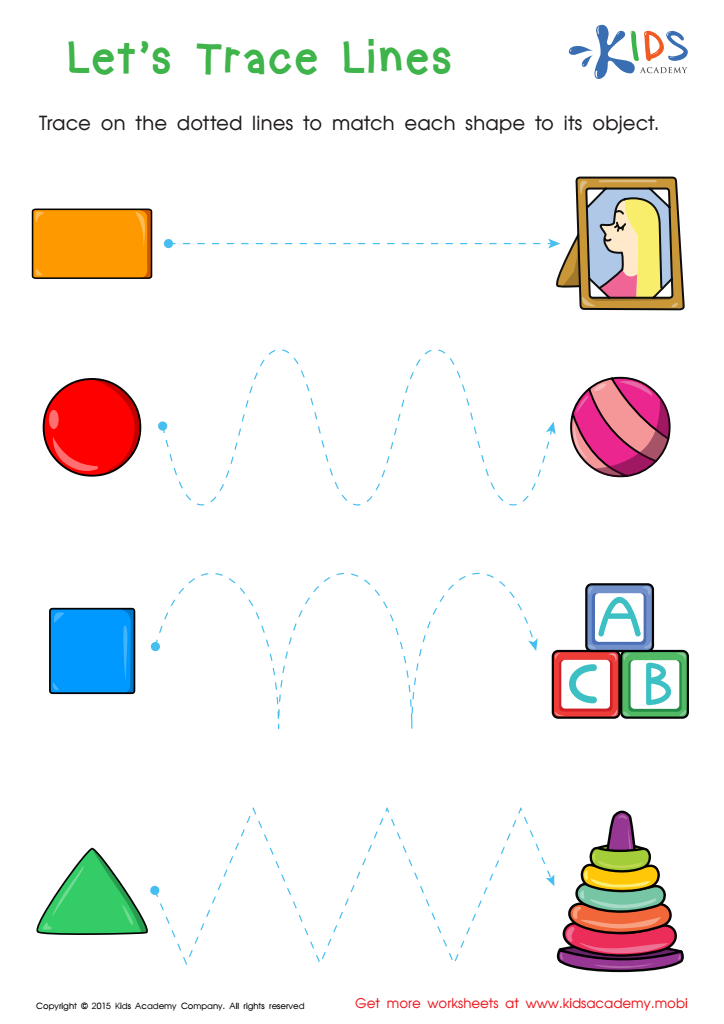
First Words: Let's Trace Lines Worksheet
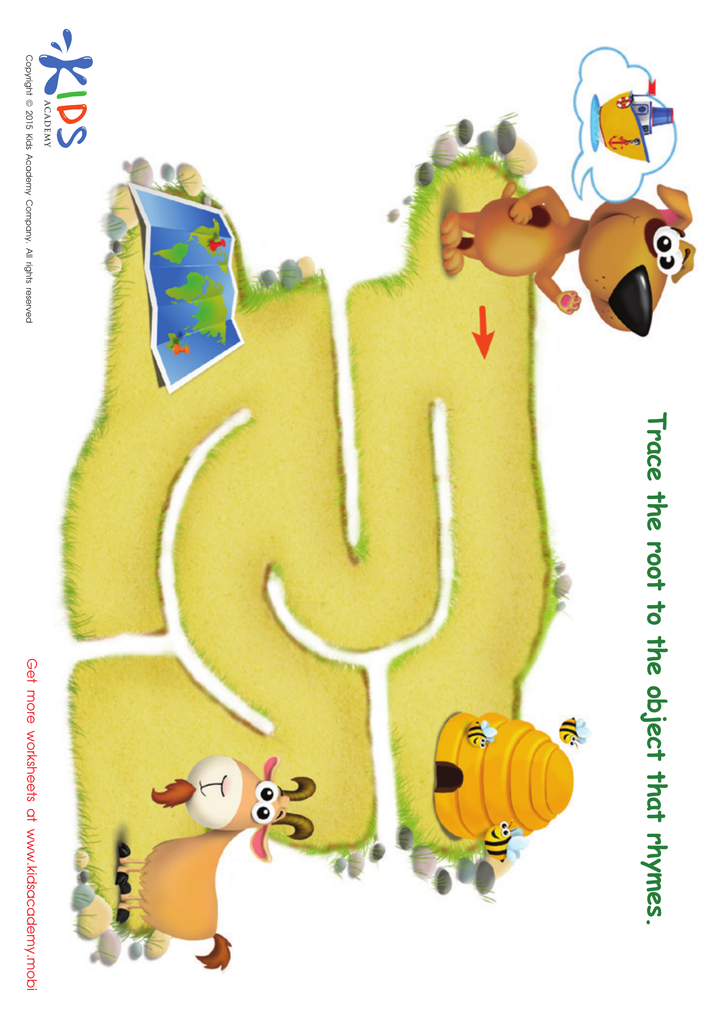
Boat Rhyming Words Worksheet
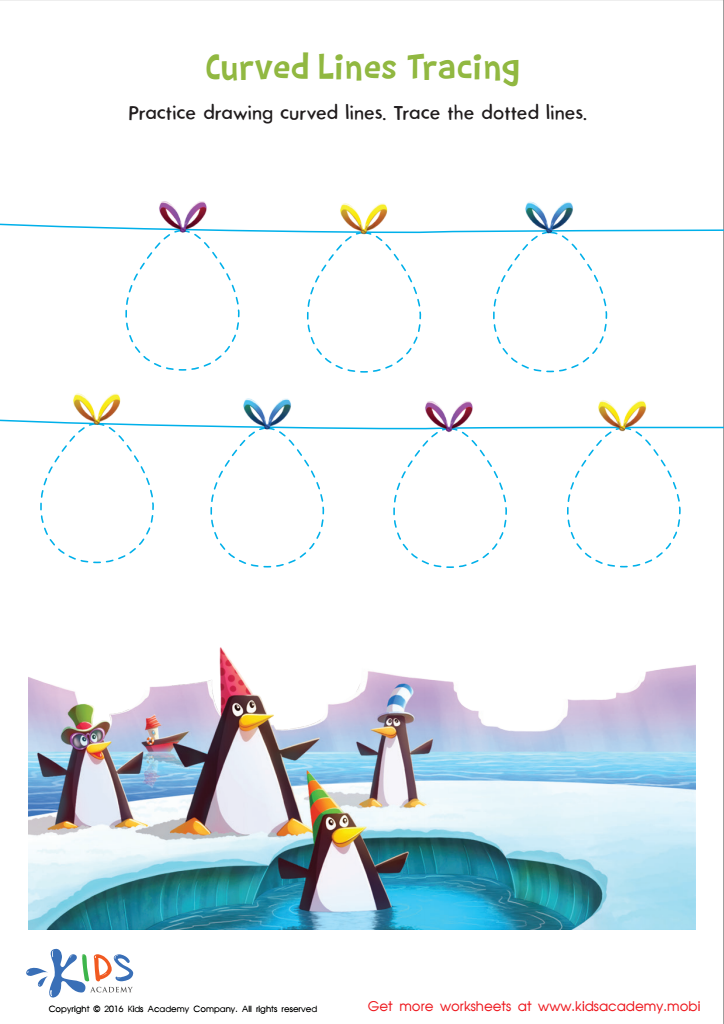
Curved Lines Tracing Worksheet








Shape recognition is a foundational skill for children aged 4-7 that serves as a critical stepping stone in their cognitive development and future learning. Understanding shapes is essential for various reasons. First, it enhances children’s spatial awareness, helping them make sense of the world around them. When children can identify and differentiate shapes, they gain the ability to understand patterns and concepts in mathematics, which is crucial for their academic success.
Moreover, shape recognition is intertwined with language development. Teaching children the names of different shapes expands their vocabulary, enabling them to articulate their thoughts more effectively. This foundational vocabulary enhances their ability to engage in conversations and describe their surroundings, further supporting language skills.
For parents and teachers, supporting shape recognition is not merely about preparing kids for math; it lays the groundwork for critical thinking and problem-solving abilities. These skills are vital in everyday life and future academic pursuits. Engaging children in interactive activities, such as games and crafts that involve shapes, also promotes their fine motor skills and creativity. Ultimately, fostering shape recognition helps cultivate a well-rounded, capable young learner, preparing them for more complex concepts in the years to come.







