Reading comprehension Phonics Worksheets for Ages 4-7
84 filtered results
-
From - To
Unlock the joys of reading with our "Reading Comprehension Phonics Worksheets" designed for ages 4-7. These engaging and educational worksheets help young learners master the art of phonics while improving their reading comprehension skills. Through fun activities, children will familiarize themselves with letter sounds, word recognition, and sentence construction. Perfect for both home and classroom use, our worksheets support early literacy development by making learning an enjoyable adventure. Creatively crafted by educational experts, they ensure children build a solid foundation for future reading success. Explore now to nurture your child's love for reading and phonics!
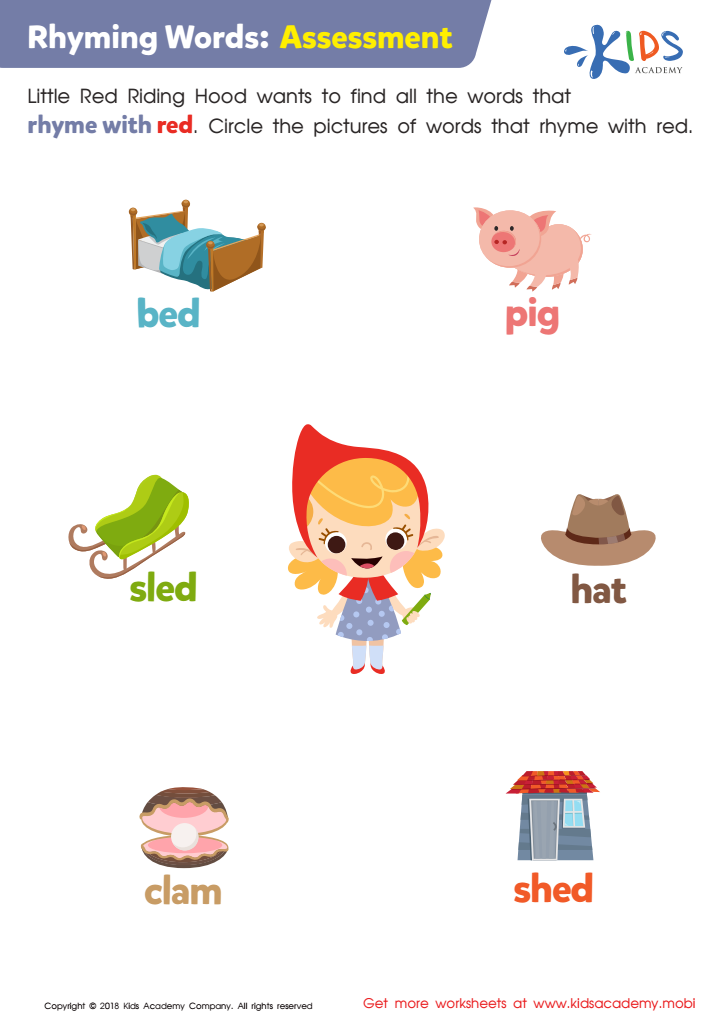
Rhyming Words: Assessment Worksheet
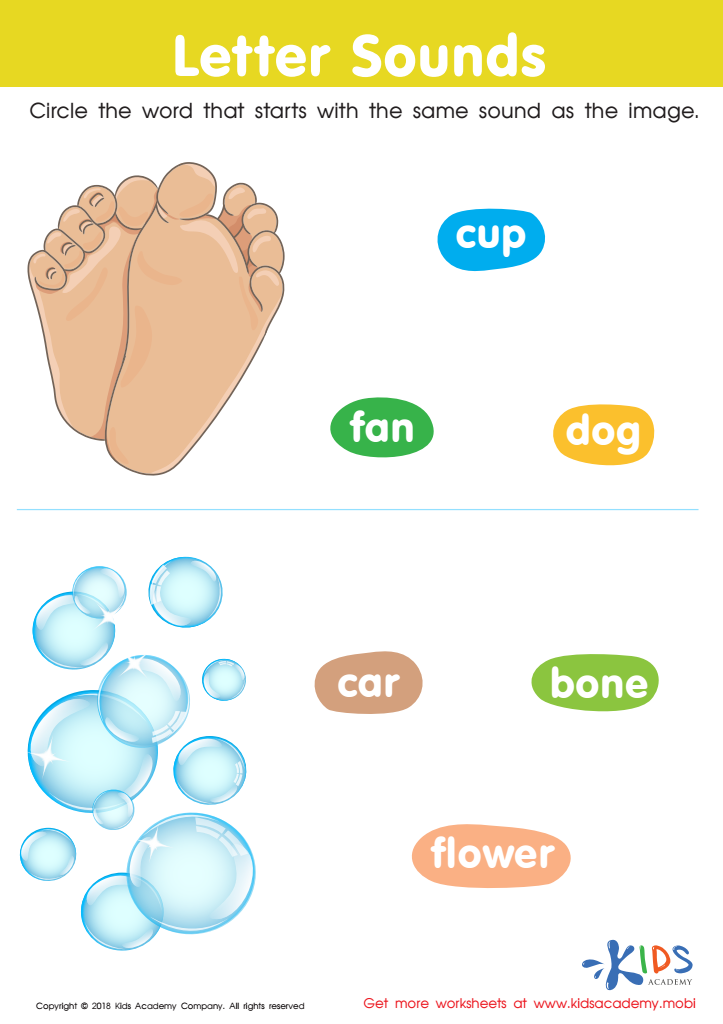
letter sounds Worksheet
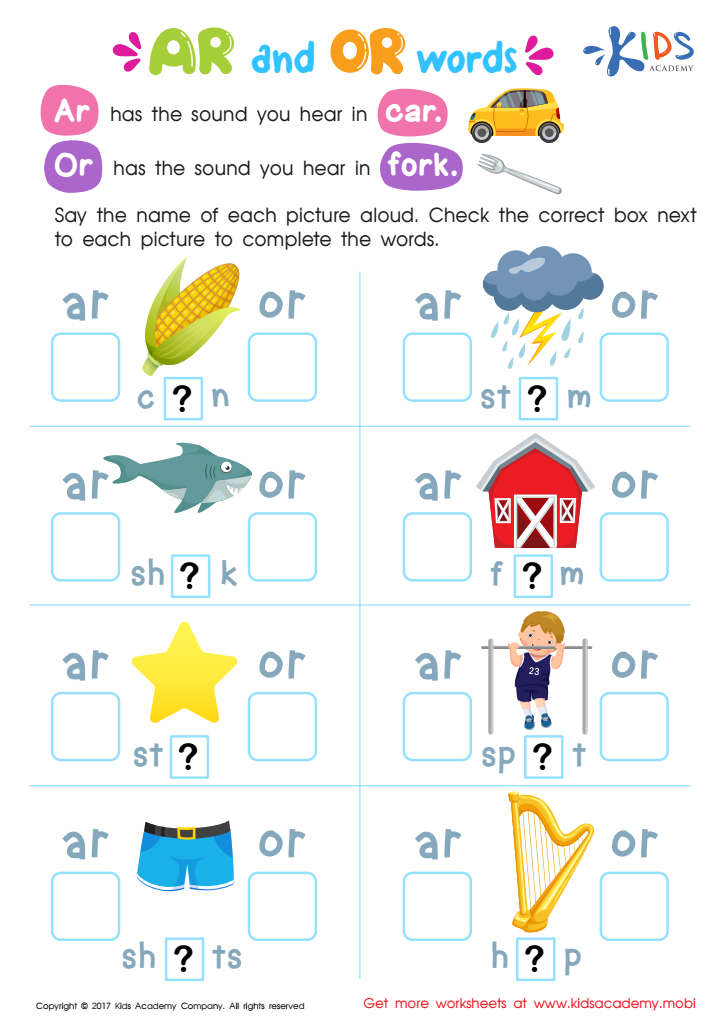
Ar and Or Words Phonics Worksheet
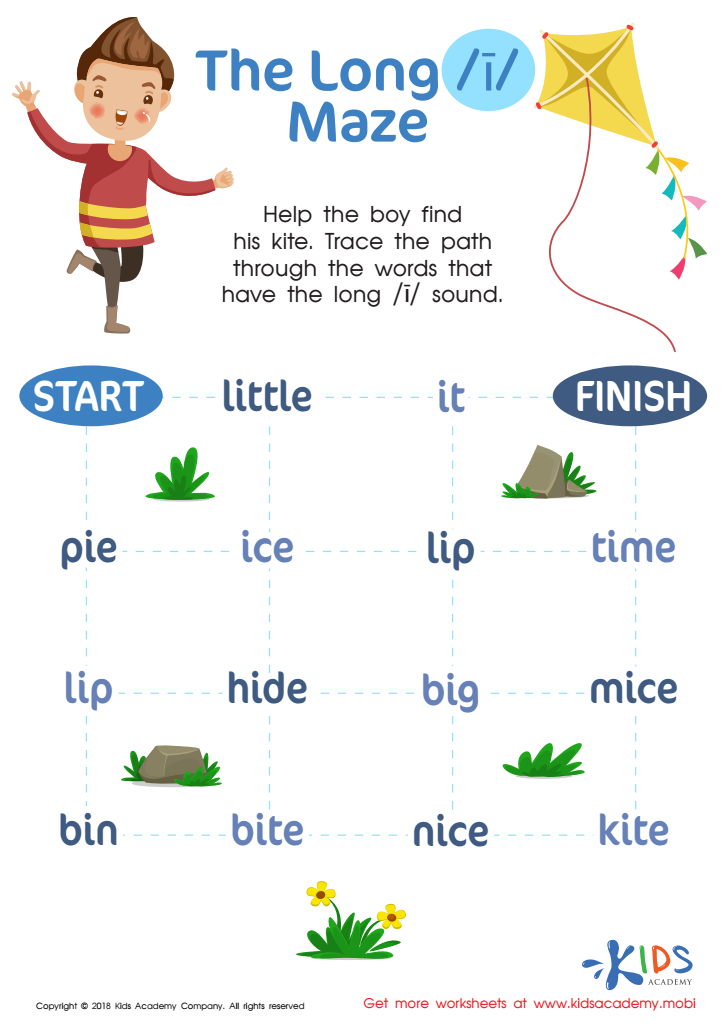
The Long I Maze Reading Worksheet
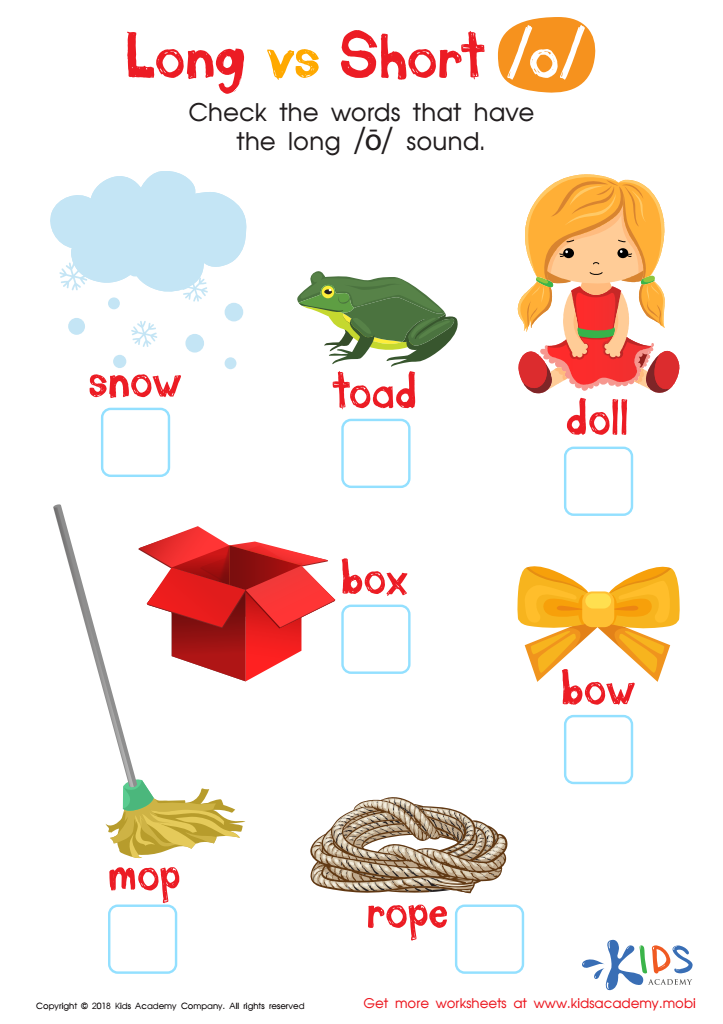
Long vs Short O Reading Worksheet
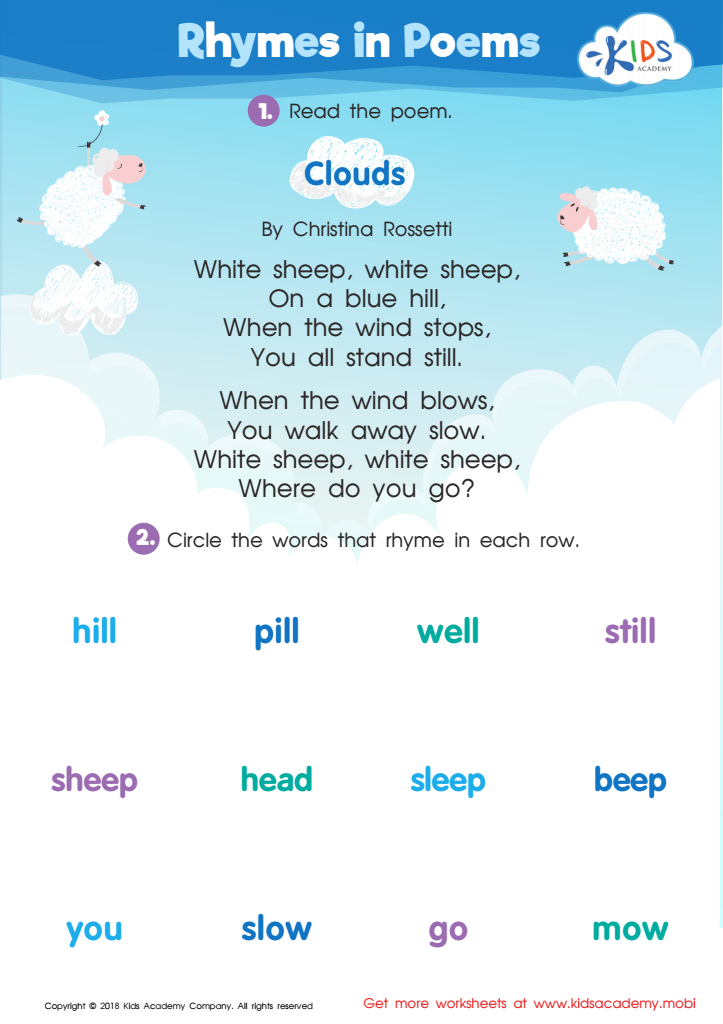
Rhymes in Poems Worksheet
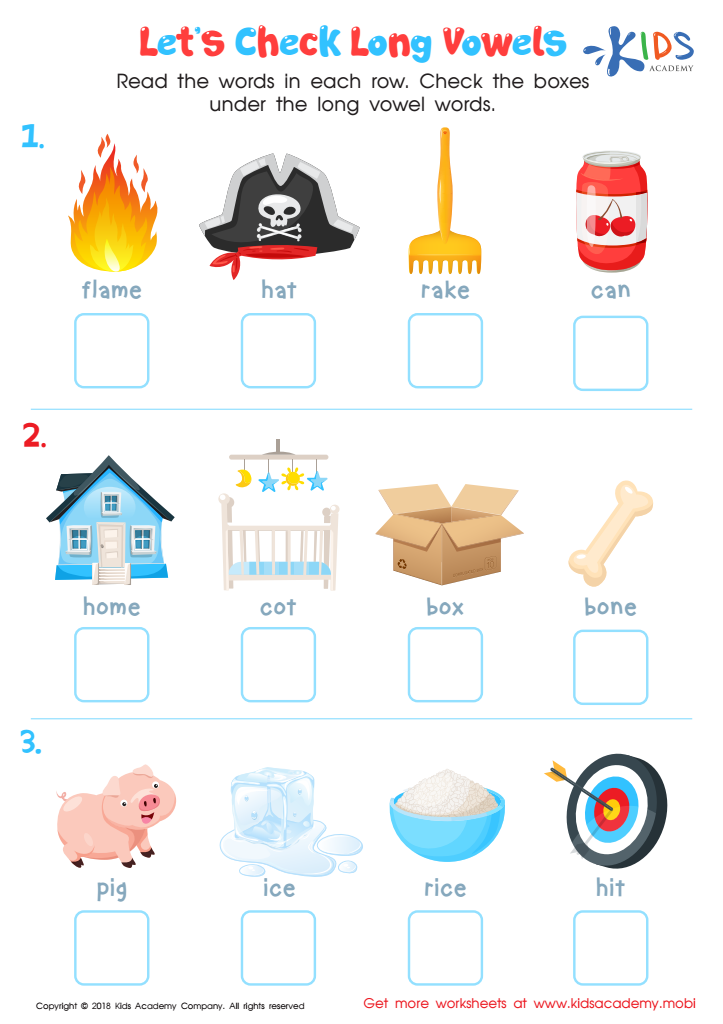
Let's Check Long Vowels: Assessment Worksheet
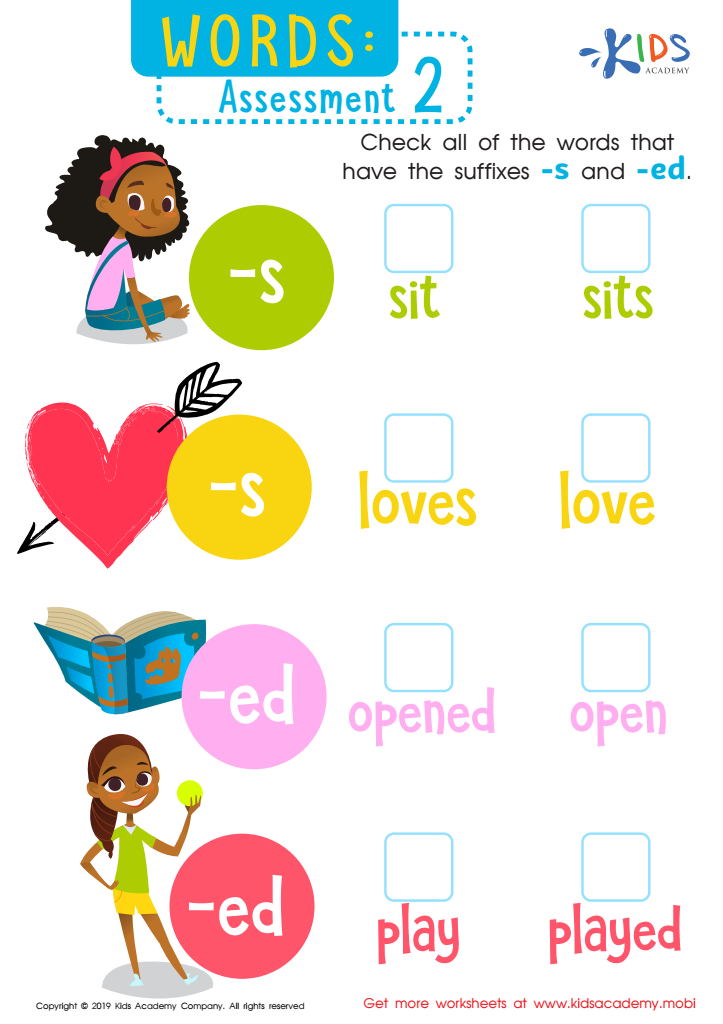
Words: Assessment 2 Worksheet
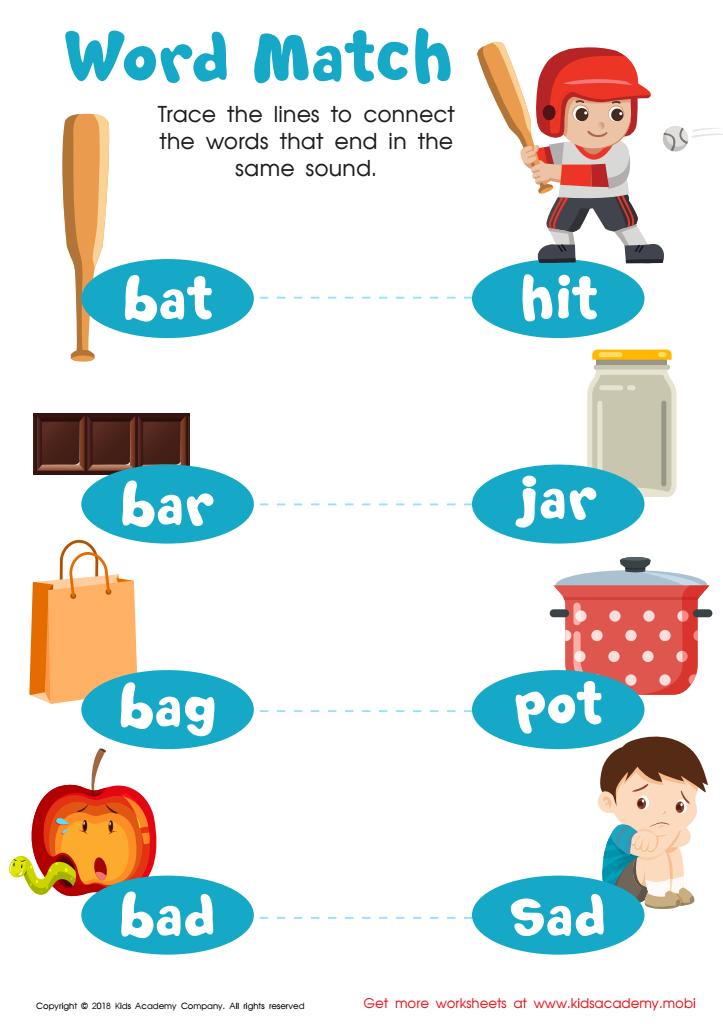
Word Match Reading Worksheet
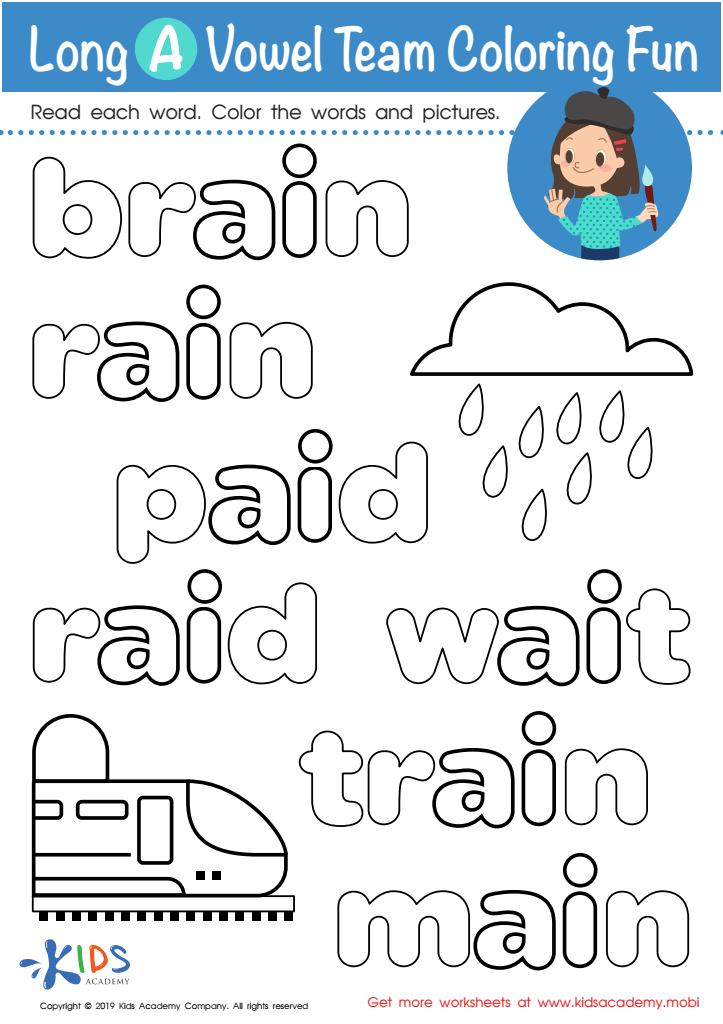
Long A Vowel Team Coloring Fun Worksheet
 Assign to My Students
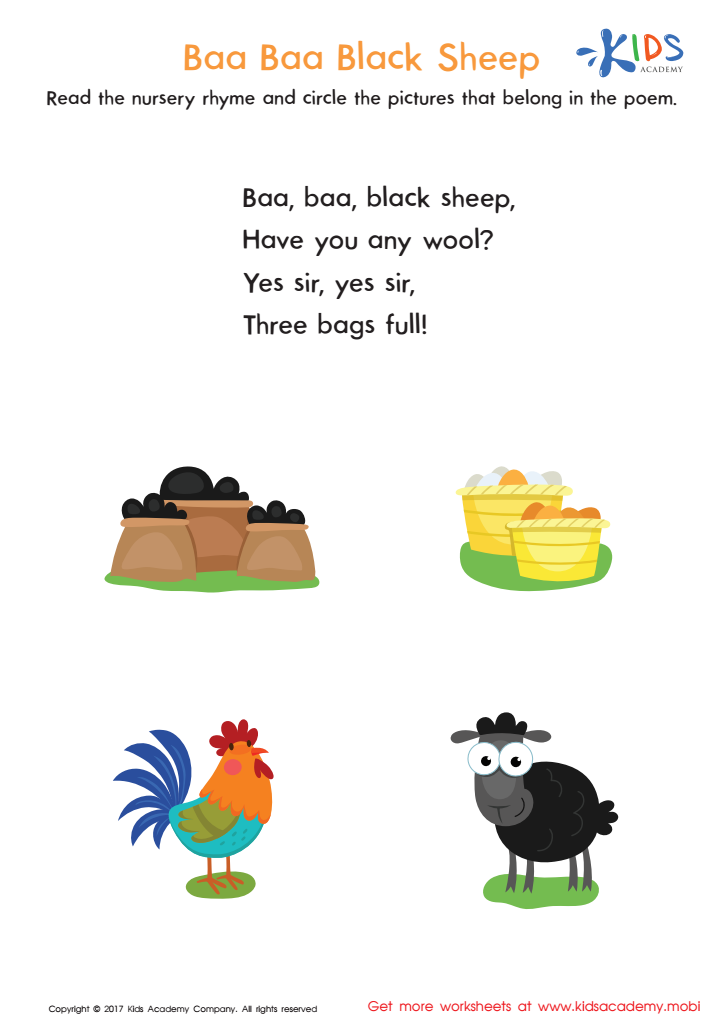
Baa Baa Black Sheep Printable
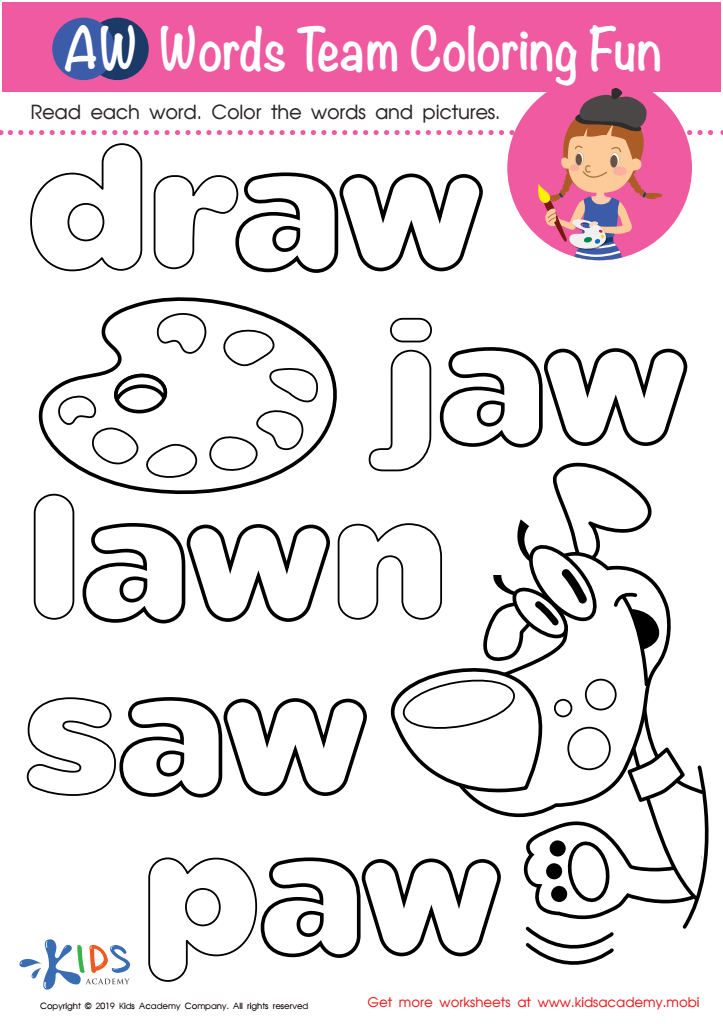
AW Words Team Coloring Fun Worksheet
Assign to My Students
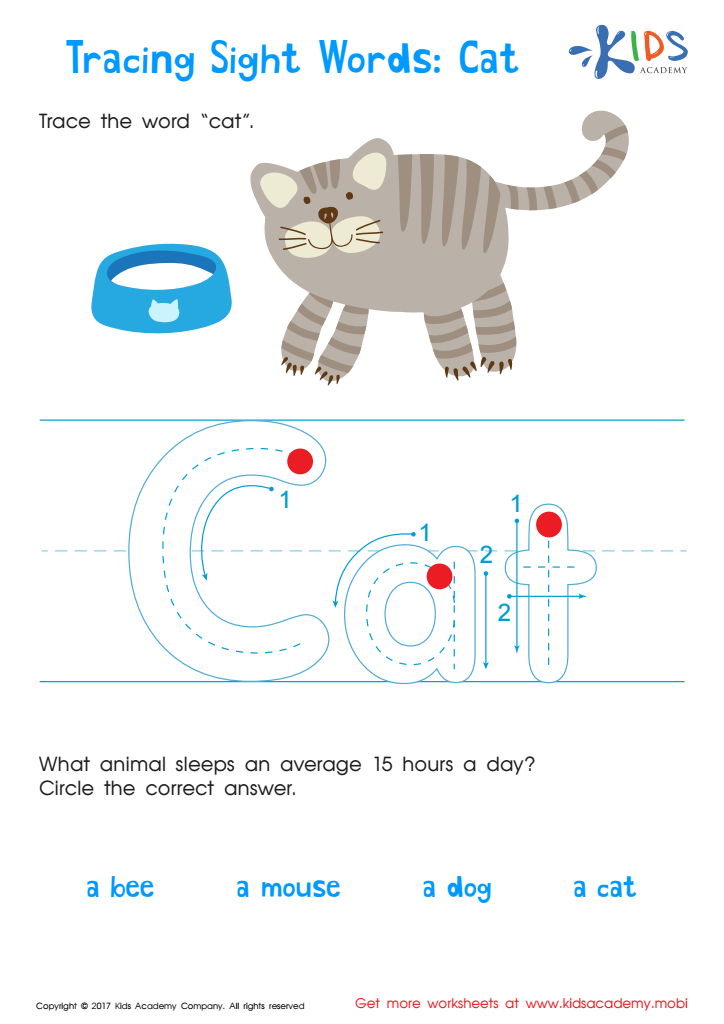
Cat Printable Sight Words Worksheet
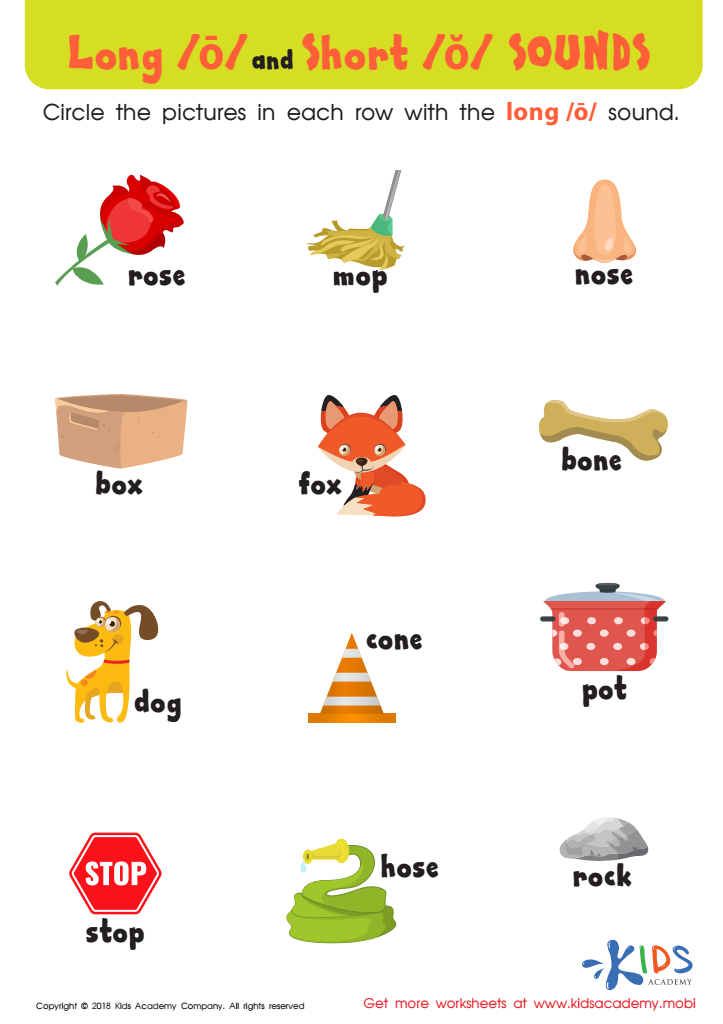
Reading: Long O and Short O Sounds Worksheet
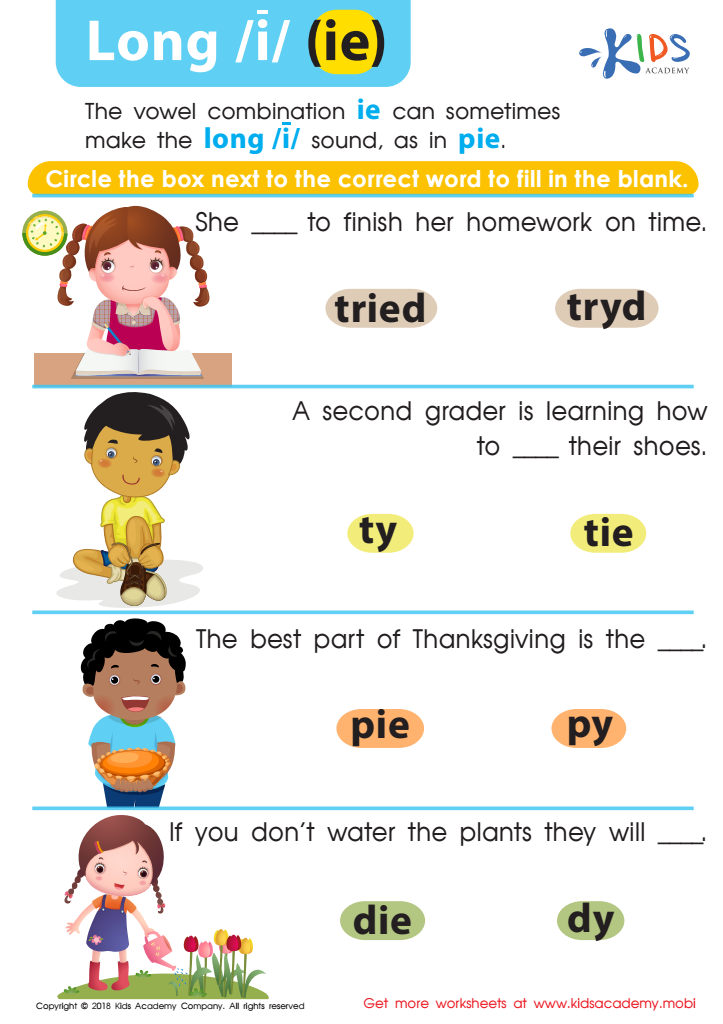
Reading: Long I and IE Worksheet
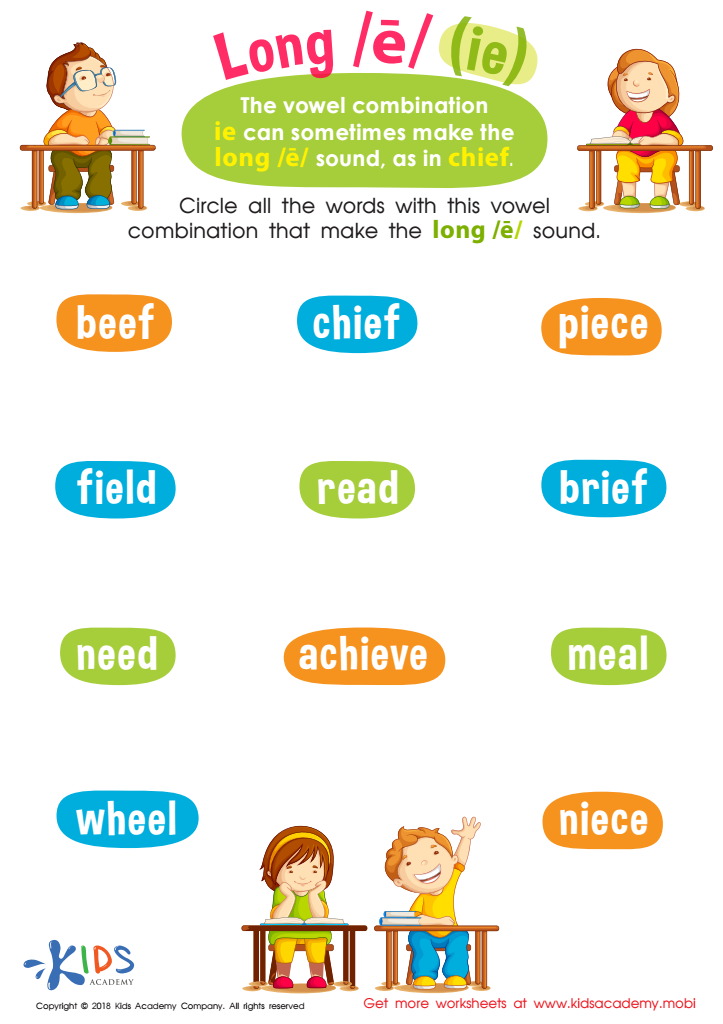
Reading: Long E and IE Worksheet
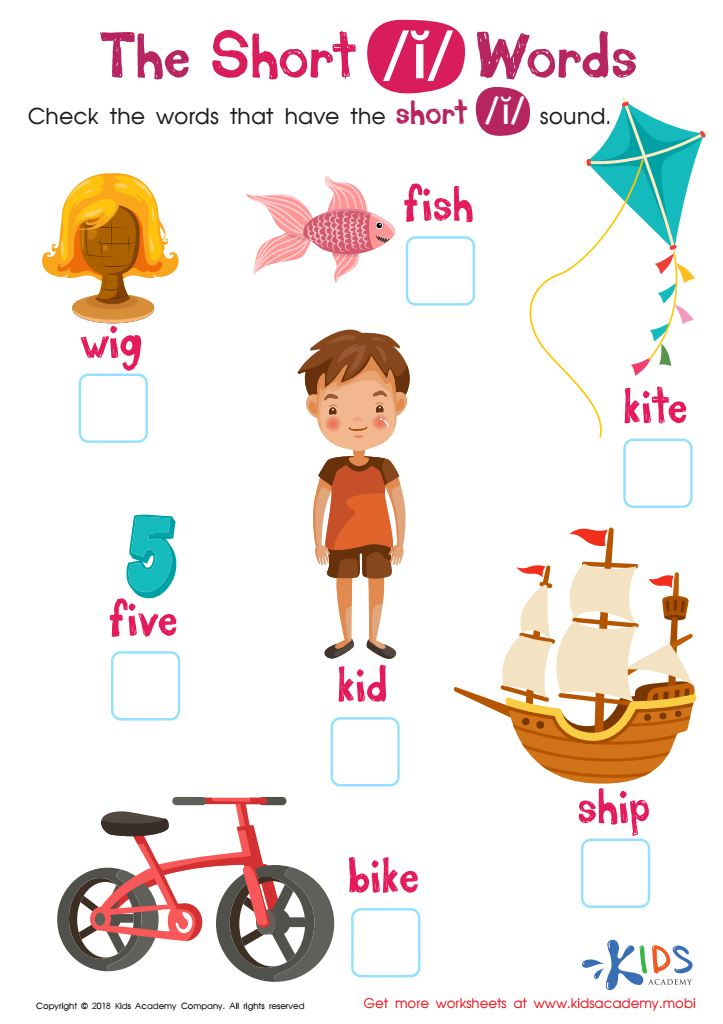
The Short I Words Reading Worksheet
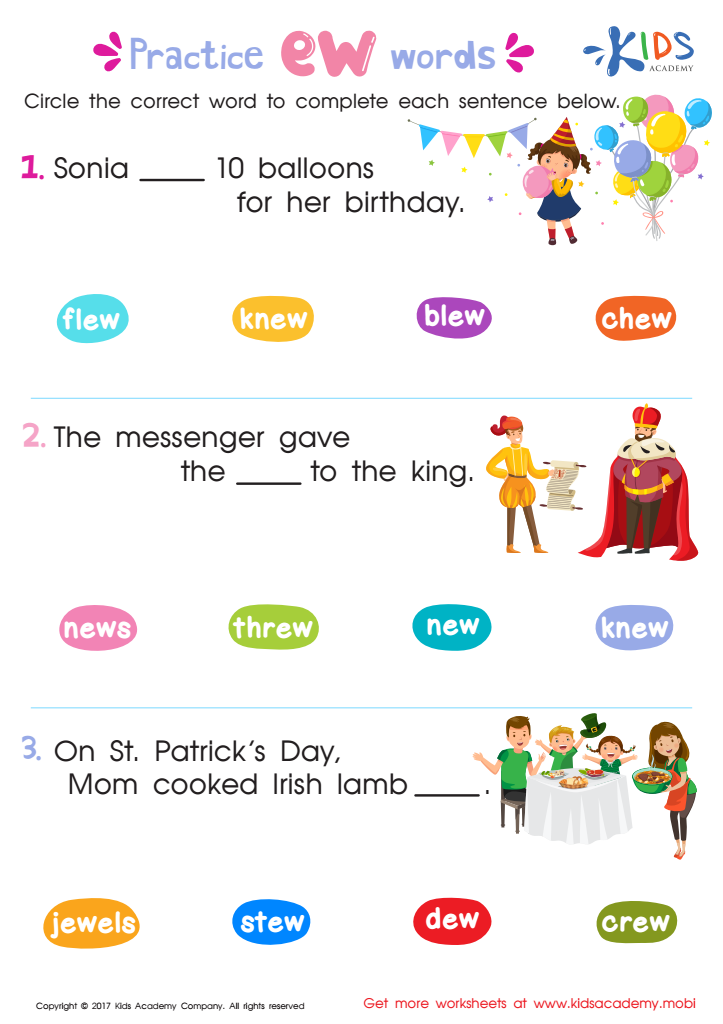
EW Words Worksheet
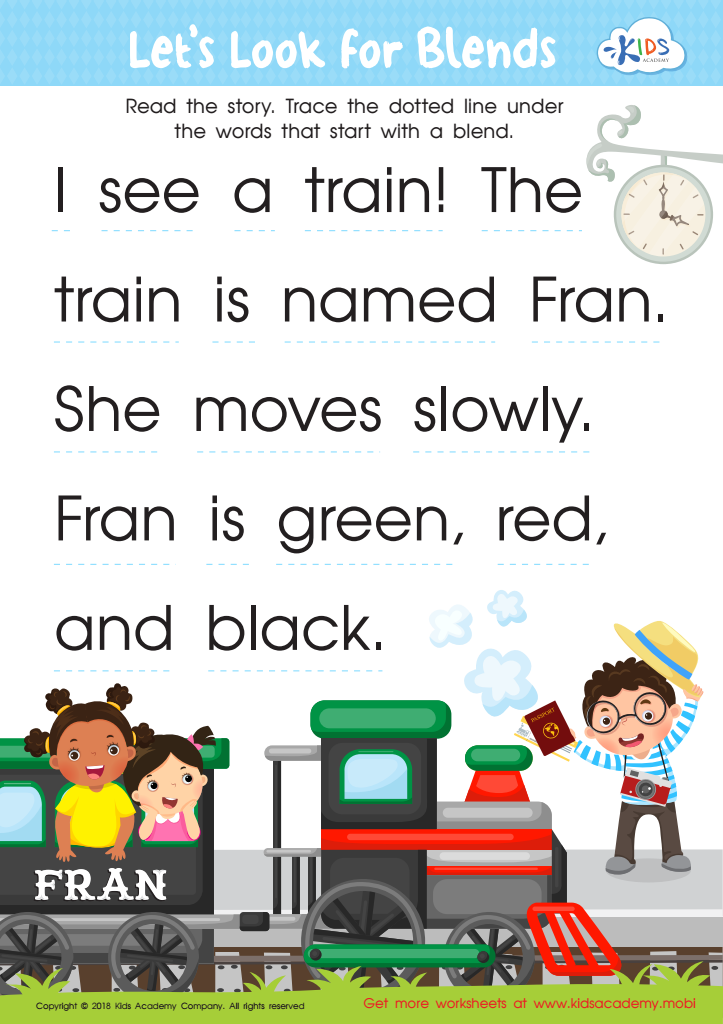
Let's Look for Blends Worksheet
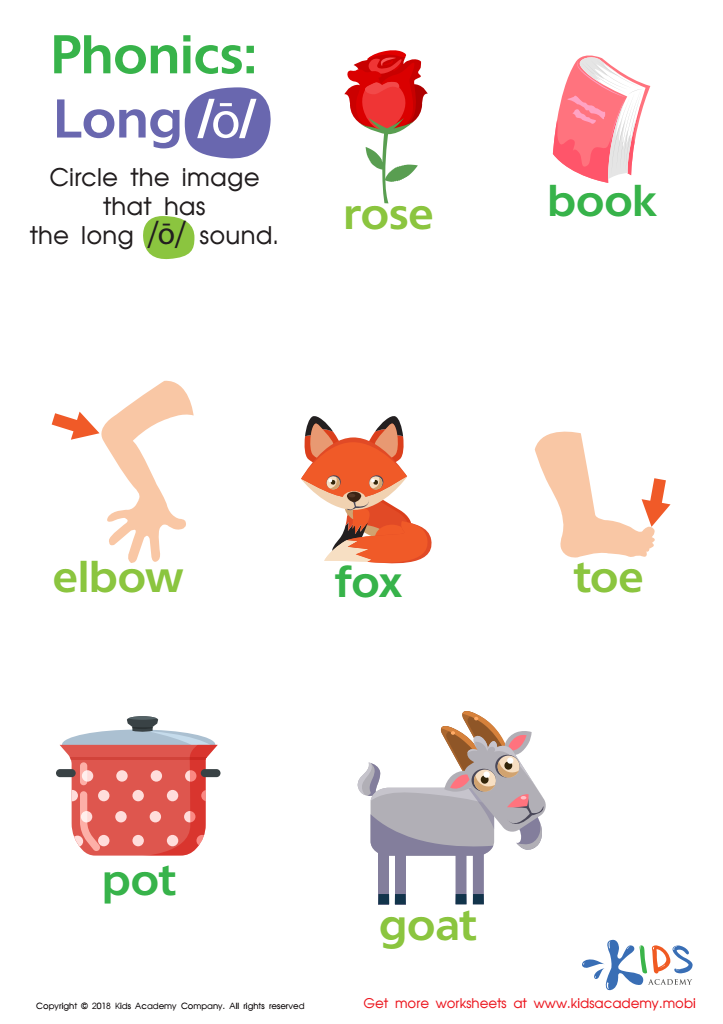
Phonics Long O Reading Worksheet
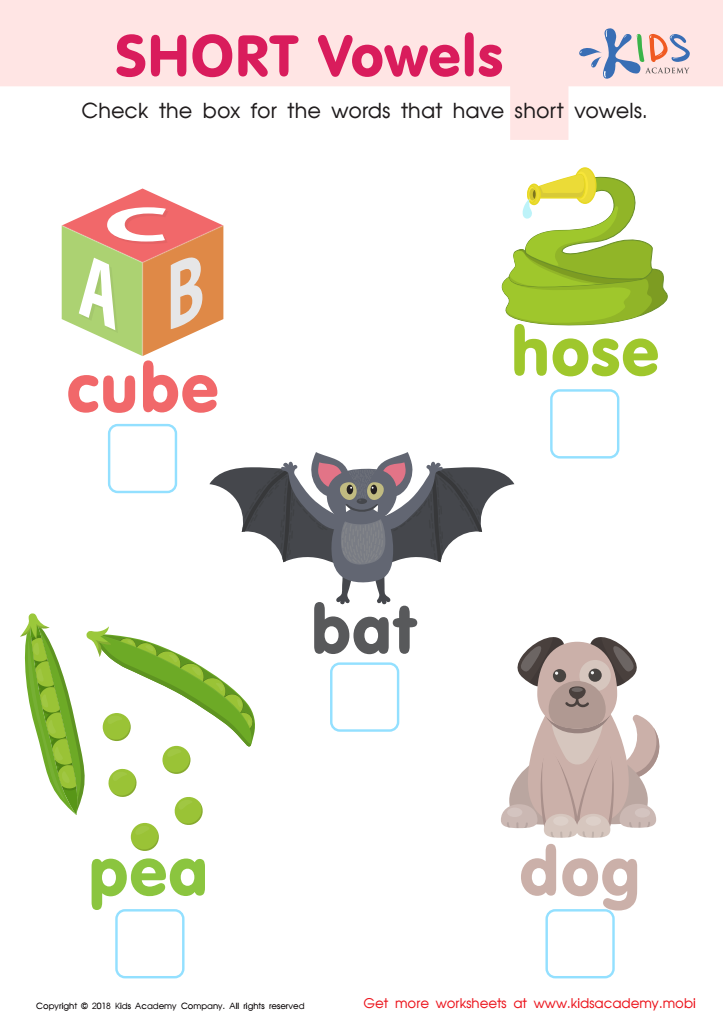
short vowels Worksheet
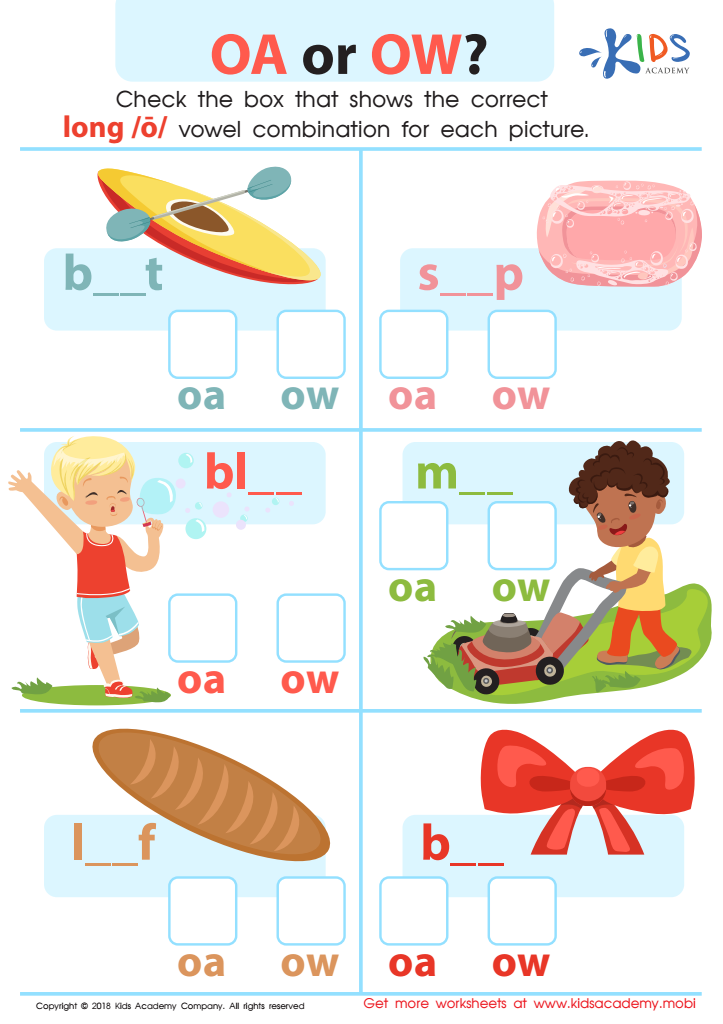
Reading: OA or OW Worksheet
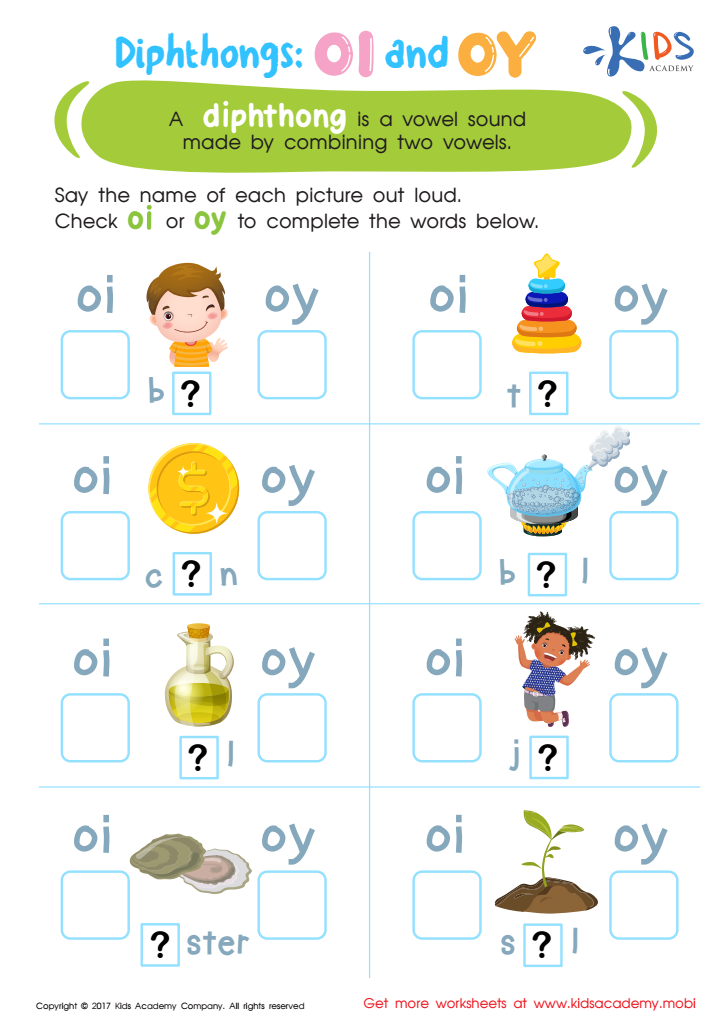
Vowel Diphthongs OI OY Worksheet
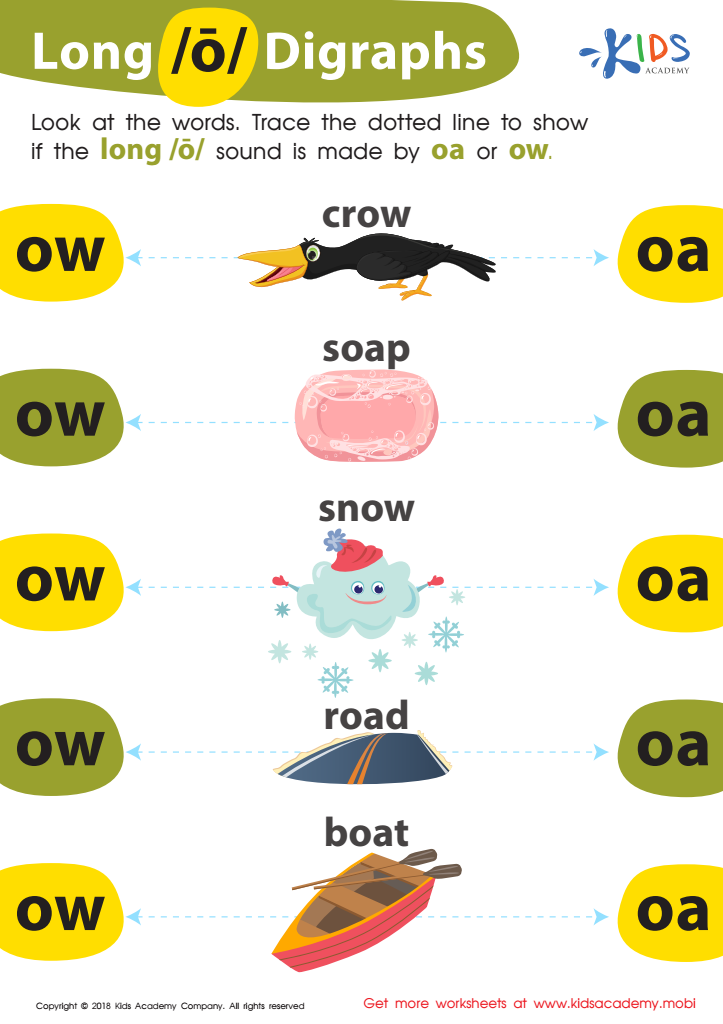
Reading: Long O Digraphs Worksheet








Reading comprehension and phonics are essential components of early childhood education, particularly for children aged 4-7. At this pivotal stage, young learners are developing foundational skills that will impact their future academic success and overall cognitive development.
Phonics instruction helps children understand the relationship between letters and sounds, which is crucial for decoding new words. This ability to decode is the first step toward independent reading. By mastering phonics, children can enhance their spelling, reading fluency, and word recognition, all of which are necessary for more advanced literacy skills.
Reading comprehension goes hand-in-hand with phonics, as it involves the ability to understand, retain, and discuss the meaning of the text. When children grasp the meaning of what they read, they are more likely to enjoy reading, which fosters a lifelong love for learning. Moreover, strong reading comprehension skills are vital for performing well in all academic subjects, boosting their self-confidence and curiosity.
By focusing on reading comprehension and phonics from an early age, parents and teachers can provide children with the tools they need to succeed both academically and socially. The ability to read and comprehend effectively equips children with critical thinking skills, cultural awareness, and the ability to navigate the world independently. Investing time and resources in these key areas is therefore essential for the holistic development of young learners.







