Reading development Phonics Worksheets for Ages 4-7
5 filtered results
-
From - To
Welcome to our Reading Development Phonics Worksheets for Ages 4-7! Designed to support early literacy, these engaging worksheets foster phonics skills essential for young learners. Our resources promote letter recognition, sound correlation, and blending techniques, making reading a fun and interactive experience. Each worksheet aligns with educational standards to enhance comprehension and fluency in young readers. Ideal for use at home or in the classroom, these phonics worksheets will empower your child’s reading journey. Explore our collection and witness your child's confidence soar as they develop crucial reading skills while enjoying playful, hands-on learning activities. Start nurturing a lifelong love of reading today!
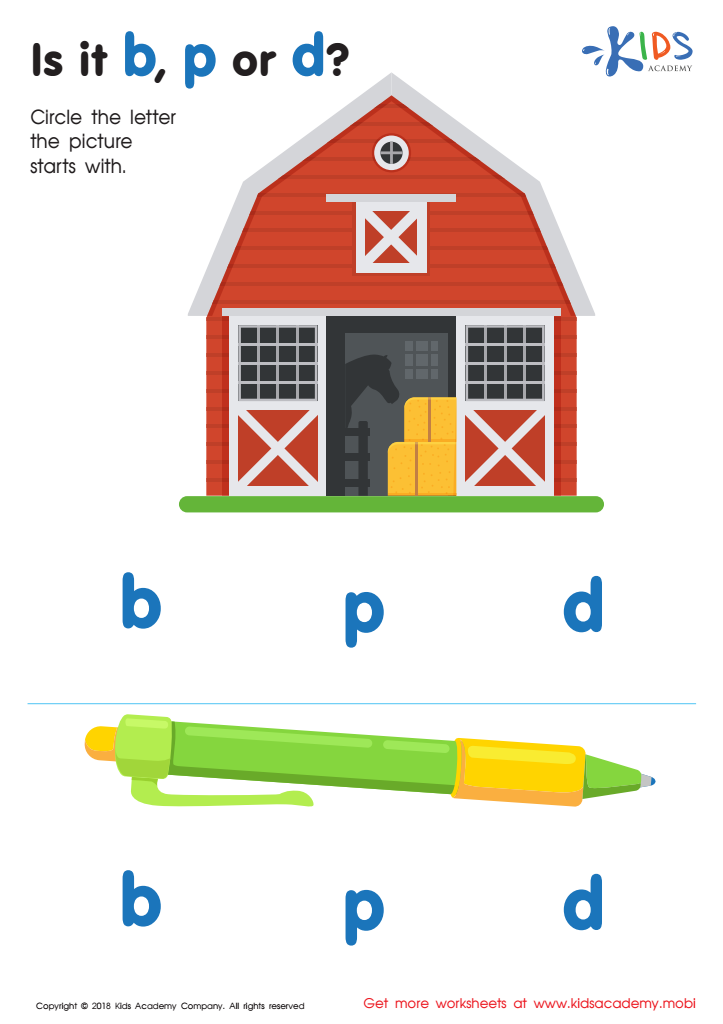
Is it b, p or d? Worksheet
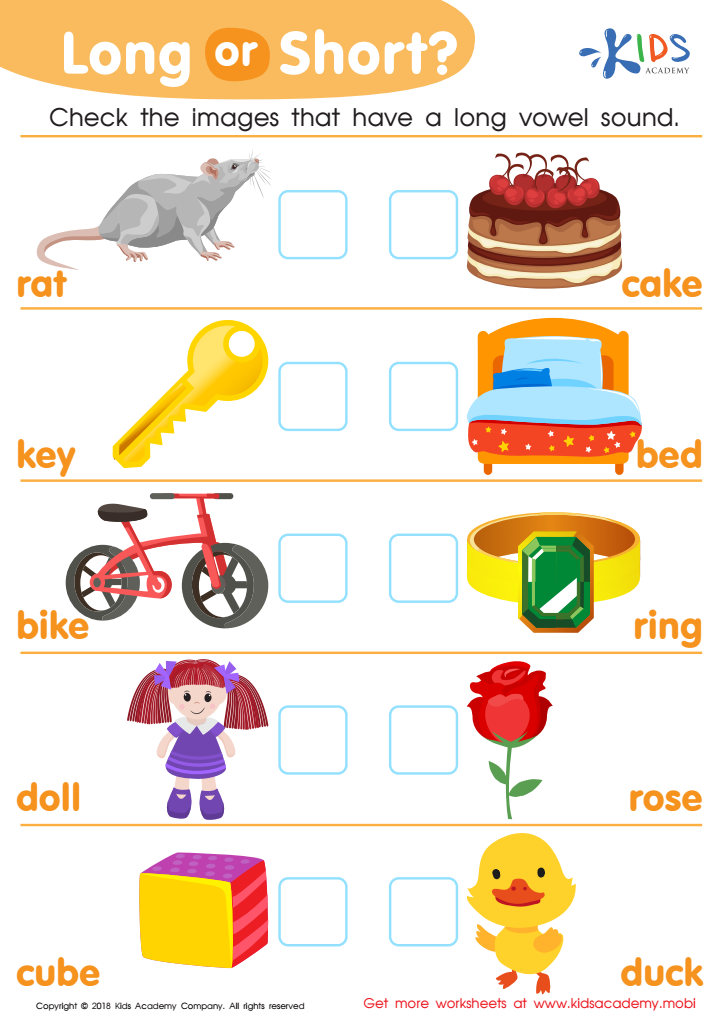
Long or Short Reading Worksheet
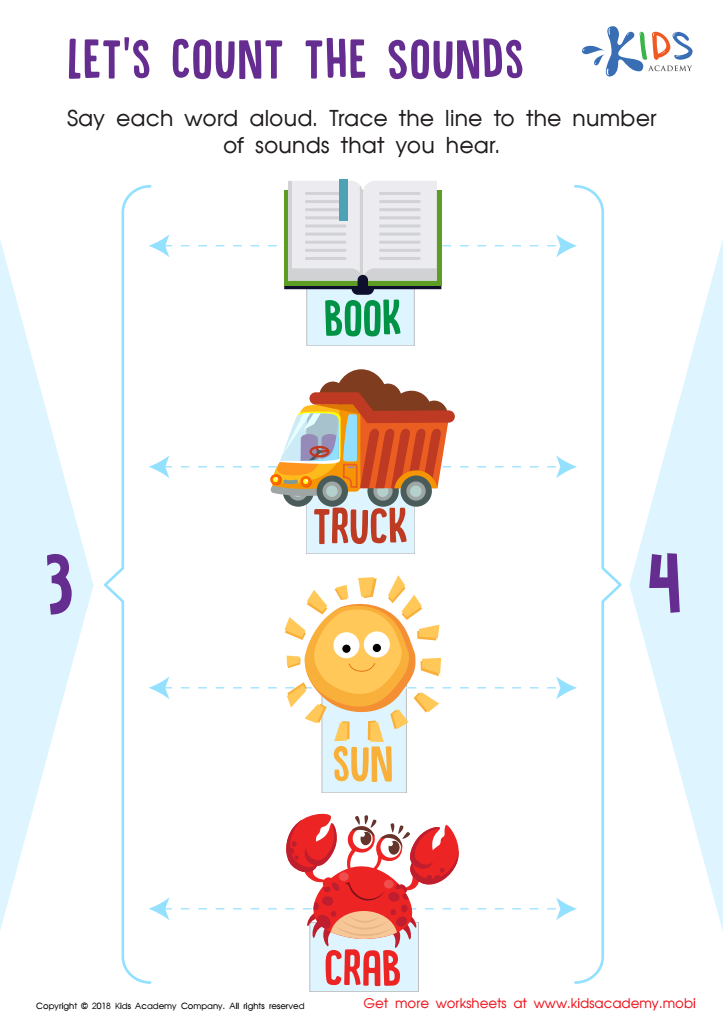
Let's Count the Sounds Worksheet
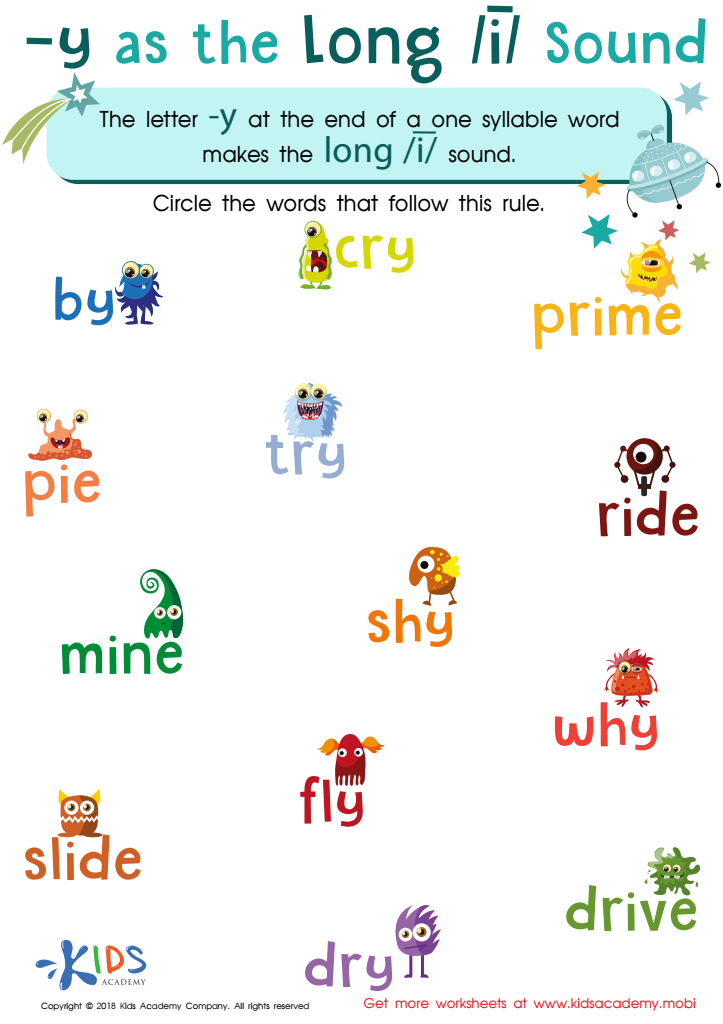
Reading: Y as Long I Worksheet
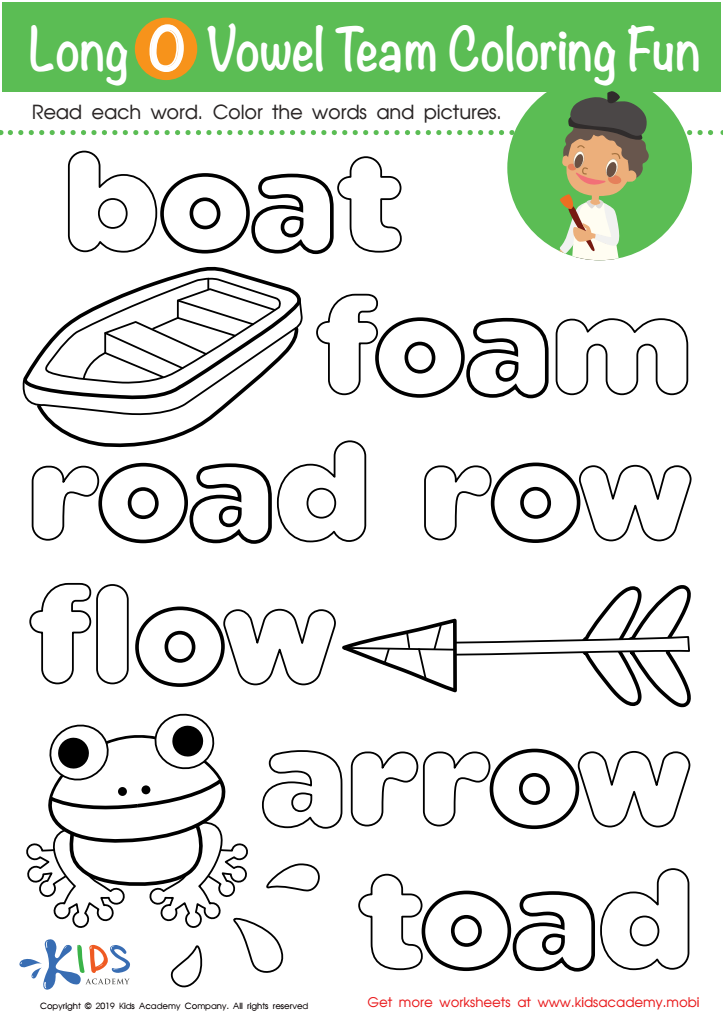
Long O Vowel Team Coloring Worksheet
 Assign to My Students








Reading development through phonics is crucial for children ages 4-7 as it lays the foundation for their literacy skills. Phonics teaches kids the relationship between letters and their corresponding sounds, enabling them to decode words accurately. This decoding ability is essential, as it helps young learners grasp the mechanics of reading, making them more confident and fluent readers.
Research shows that strong phonics skills lead to improved reading comprehension, which is vital for academic success across subjects. When parents and teachers prioritize phonics, they equip children with the tools to understand and engage with texts, fostering a lifelong love for reading. Early intervention in reading development also helps identify and support those who may struggle, preventing potential future difficulties.
Moreover, reading proficiency is linked to cognitive and social development. Versatile readers often have better vocabulary, writing skills, and critical thinking abilities. Therefore, embracing phonics instruction can significantly impact a child’s educational journey.
Ultimately, when parents and educators work together to emphasize phonics, they create a supportive learning environment that encourages literacy, builds self-esteem, and cultivates curiosity, all of which are imperative for a child’s overall development.







