Sound differentiation Phonics Worksheets for Ages 4-7
4 filtered results
-
From - To
Enhance your early learner's literacy journey with our engaging "Sound Differentiation Phonics Worksheets for Ages 4-7." Specially crafted to develop crucial auditory skills, these worksheets help children distinguish between different sounds, a pivotal step in phonics education. Each activity is designed to be both fun and educational, aiding young minds in recognizing and pronouncing sounds accurately. Our printable worksheets are perfect for both classroom and home learning, providing parents and educators with essential tools to support Phonics training. Empower your child’s reading proficiency and love for learning with our expertly curated phonics resources.
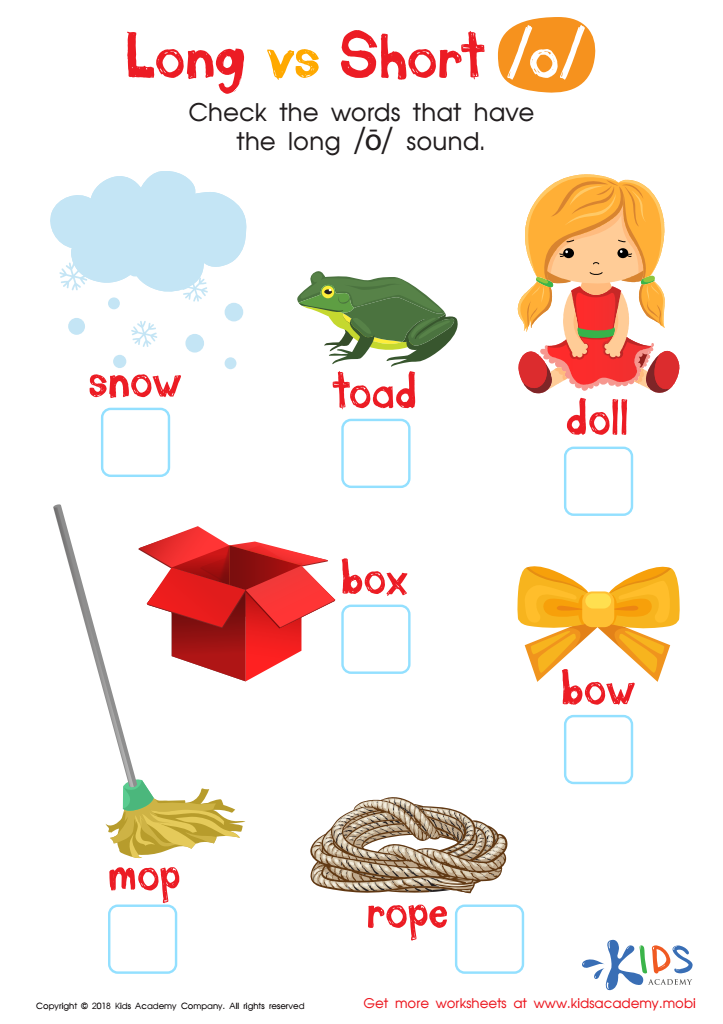
Long vs Short O Reading Worksheet
 Assign to My Students
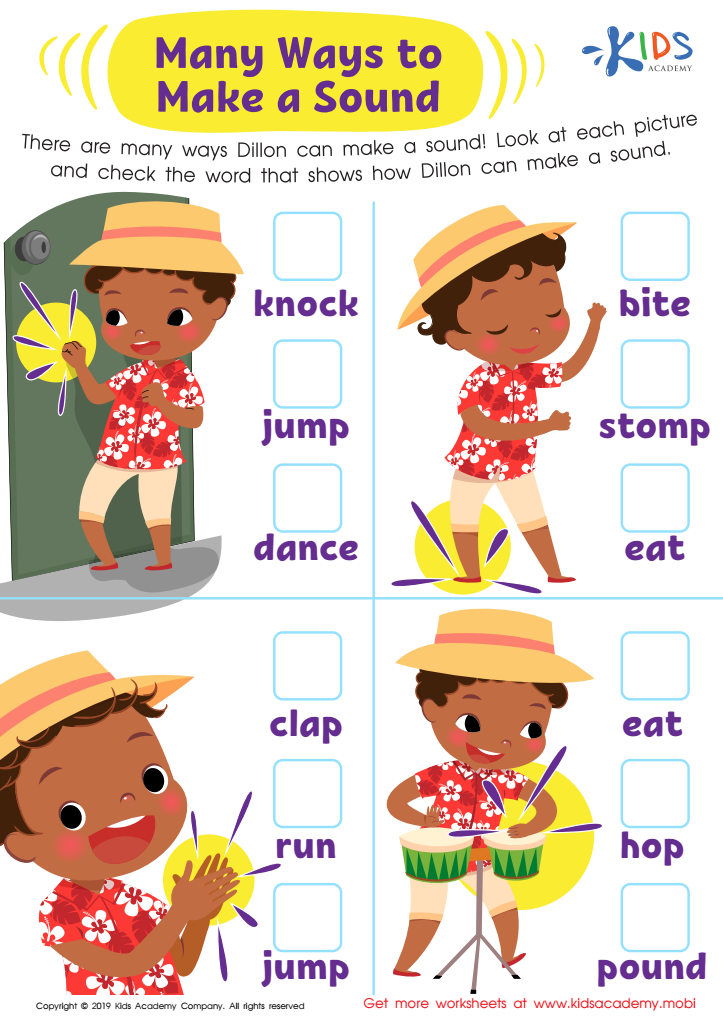
Many Ways to Make a Sound Worksheet
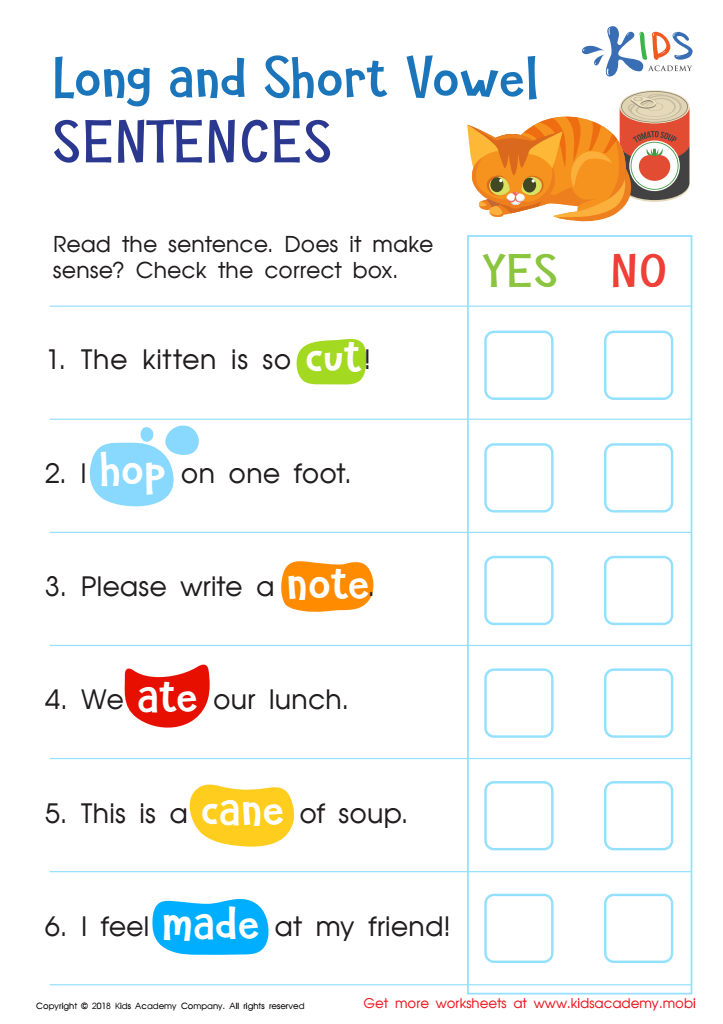
Long and Short Vowel Sentences: Assessment Worksheet
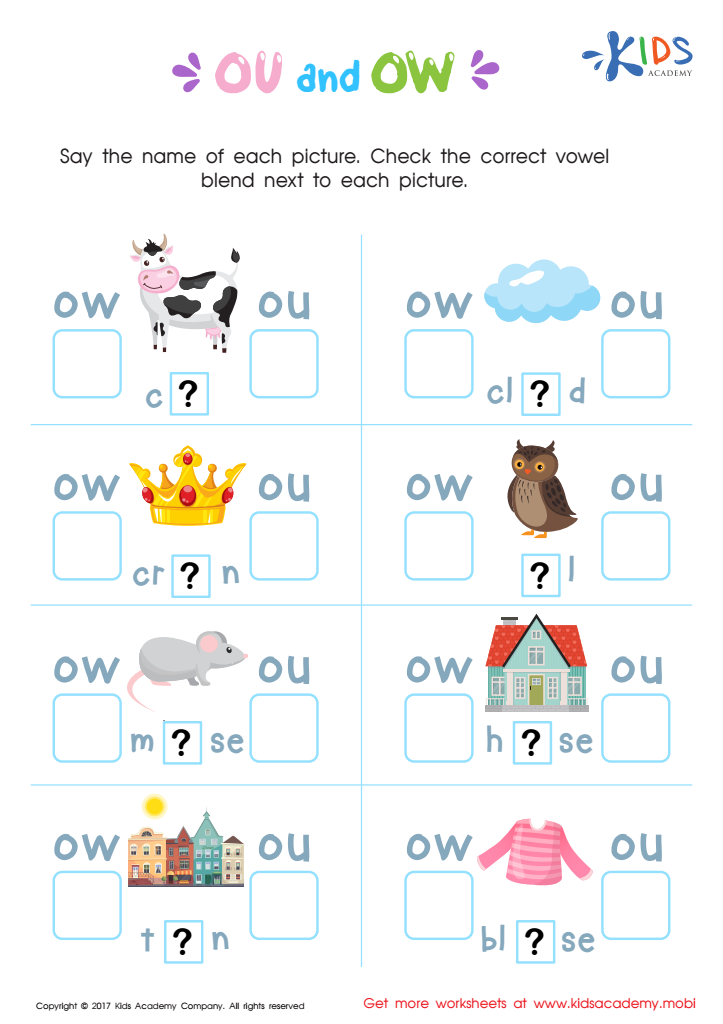
OU and OW Words Worksheet








Sound differentiation and phonics skills are crucial building blocks in early childhood literacy, ideally introduced between ages 4-7. Phonics teaches children the relationships between sounds and letters, enabling them to decode new words independently. For parents and teachers, focusing on sound differentiation is vital because it directly impacts a child's reading and writing development.
Firstly, mastering sound differentiation helps children achieve phonemic awareness, the foundational skill where they can hear, identify, and manipulate phonemes— the smallest units of sound. For instance, recognizing the difference between "cat" and "bat" hinges on discerning the initial sounds. This skill lays the groundwork for efficient word recognition and spelling.
Secondly, children fluent in phonics can tackle unfamiliar words using strategies rather than guessing, leading to improved reading fluency and comprehension. Early proficiency in these areas is correlated with long-term academic success, as reading is foundational for future learning across subjects.
Lastly, exposure to sound differentiation and phonics at a young age enhances a child’s confidence and motivation to read. Engaged, confident readers are likely to develop a lifelong love for reading. For these reasons, parents and teachers must prioritize sound differentiation phonics during these formative years, setting children on a path towards literacy and academic achievement.







