Alphabet tracing Tracing Letters Worksheets for Ages 4-7
7 filtered results
-
From - To
Discover our engaging Alphabet Tracing Worksheets designed specifically for children aged 4-7! These fun and interactive worksheets help little learners master letter formation, improve fine motor skills, and enhance their early writing abilities. Each worksheet features clearly outlined letters, allowing kids to trace and practice at their own pace. With vibrant colors and playful designs, tracing letters becomes an exciting activity that nurtures a love for learning. Ideal for homeschooling, preschool, or extra practice at home, our alphabet tracing resources ensure that your child develops a strong foundation in literacy skills. Unleash their creativity and boost confidence in writing today!
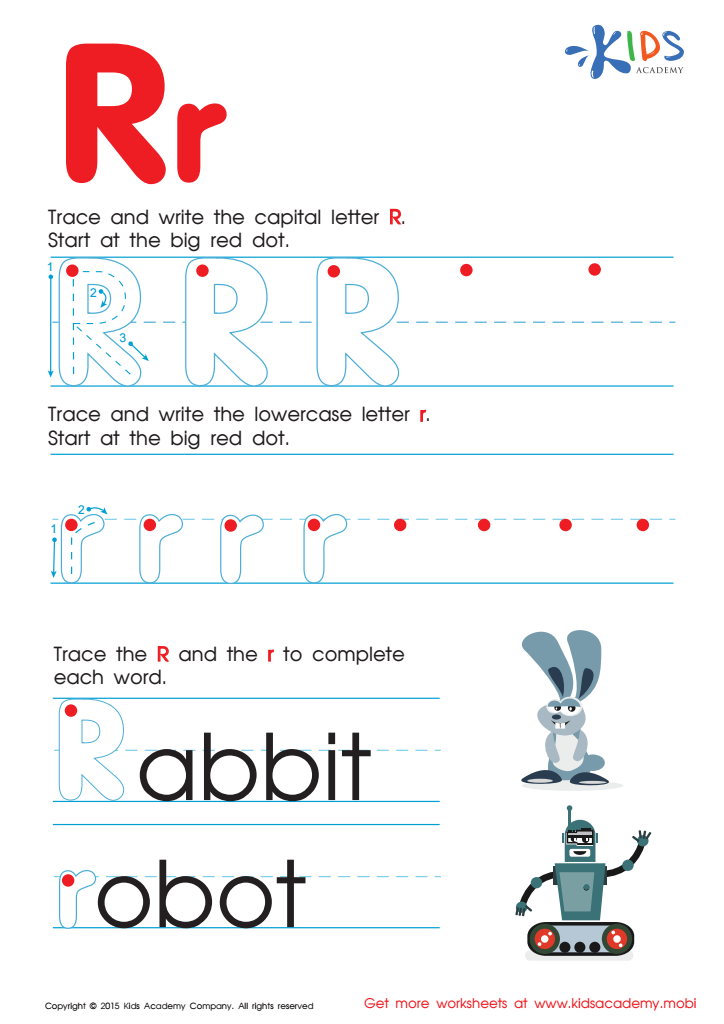
Letter R Tracing Page
 Assign to My Students
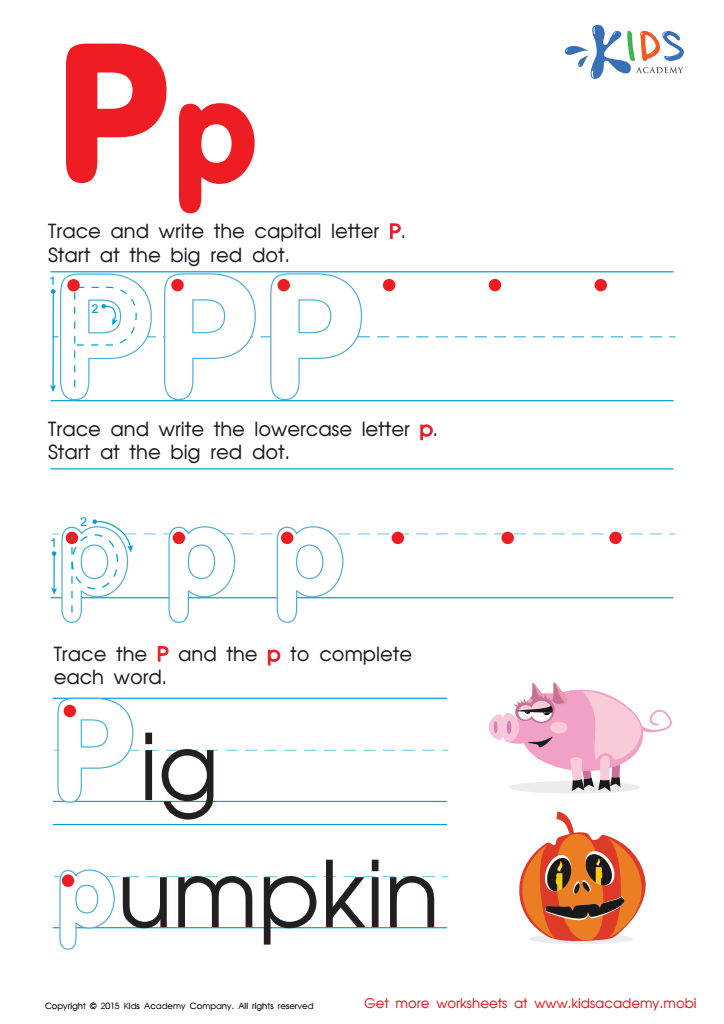
Letter P Tracing Page
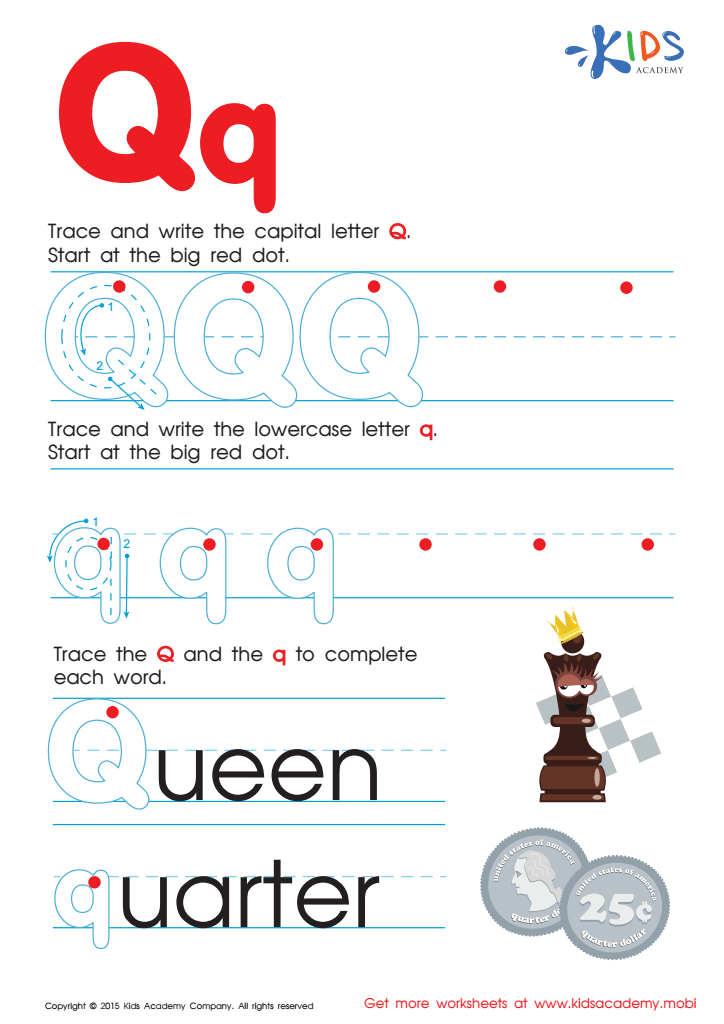
Letter Q Tracing Page

Letter H Tracing Page
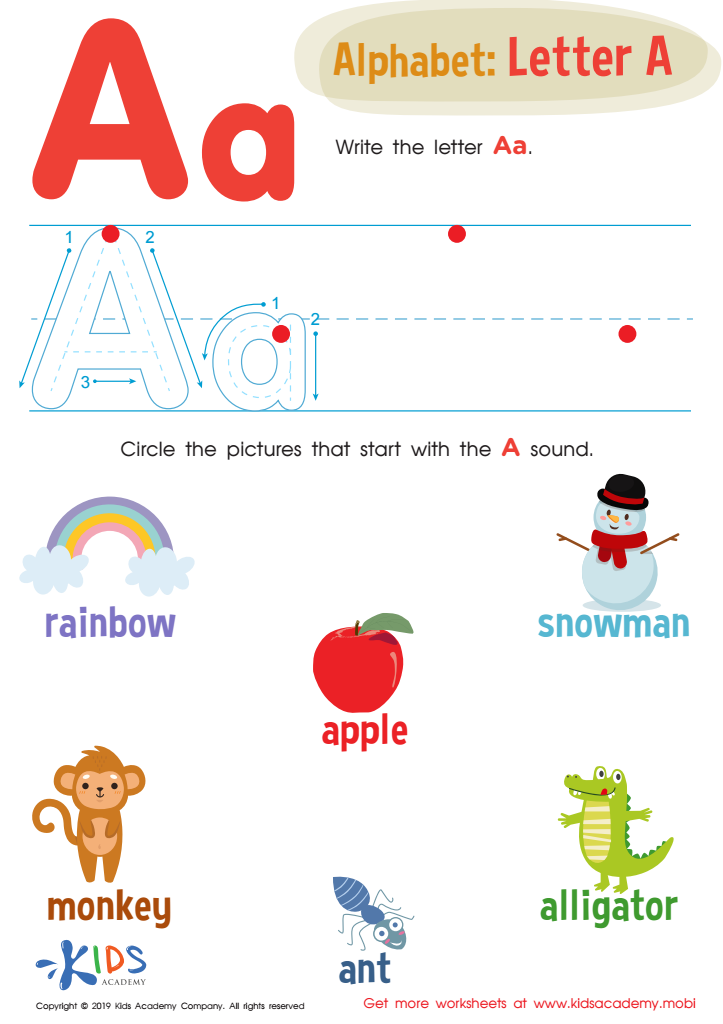
Letter A Tracing Worksheet
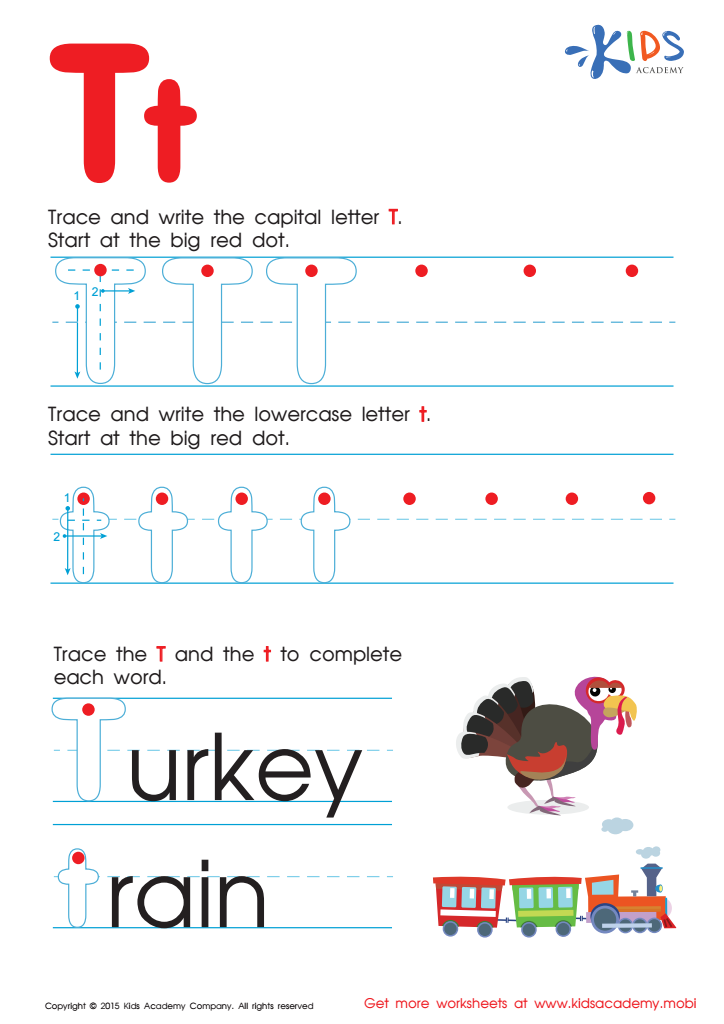
Letter T Tracing Page
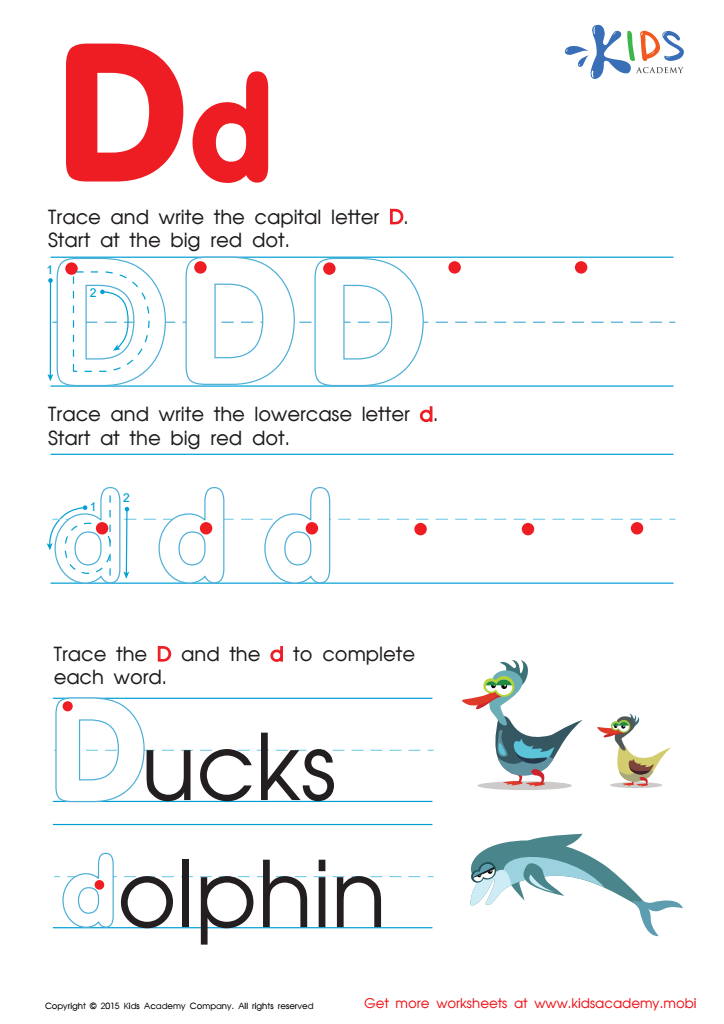
Letter D Tracing Page








Alphabet tracing is a fundamental activity for children aged 4-7, and it plays a crucial role in their early literacy development. Parents and teachers should prioritize this practice for several compelling reasons.
Firstly, tracing letters helps children develop fine motor skills. As they practice holding pencils or crayons and controlling their movements, they build the necessary dexterity for writing. This skill is essential as writing becomes a primary form of communication in their educational journeys.
Secondly, tracing letters reinforces letter recognition. By physically engaging with each letter, children are more likely to remember them and their associated sounds, laying a solid foundation for reading. Familiarity with letters accelerates the transition from letter recognition to word formation and reading comprehension.
Moreover, tracing letters fosters focus and concentration. As children engage in this activity, they learn to pay attention to detail and develop patience, which benefits their overall learning experience.
Lastly, providing structured tracing activities can boost children's confidence as they achieve visible progress in their writing skills, making them eager to continue learning. By incorporating tracing into their educational routines, parents and teachers nurture not only writing proficiency but also a lifelong love of learning.








