Handwriting Skills Tracing Letters Worksheets for Ages 4-7
9 filtered results
-
From - To
Unlock your child’s potential with our Handwriting Skills Tracing Letters Worksheets designed for ages 4-7! These engaging printables help young learners develop essential writing skills while mastering the alphabet. Our worksheets feature colorful illustrations and structured tracing paths, making handwriting practice both fun and interactive. Ideal for preschool and early elementary students, these resources enhance fine motor skills, letter formation, and coordination. Encourage your child's confidence in writing as they trace each letter, both uppercase and lowercase. Perfect for home or classroom use, our worksheets provide an effective way to lay the foundation for successful literacy skills. Get started today!
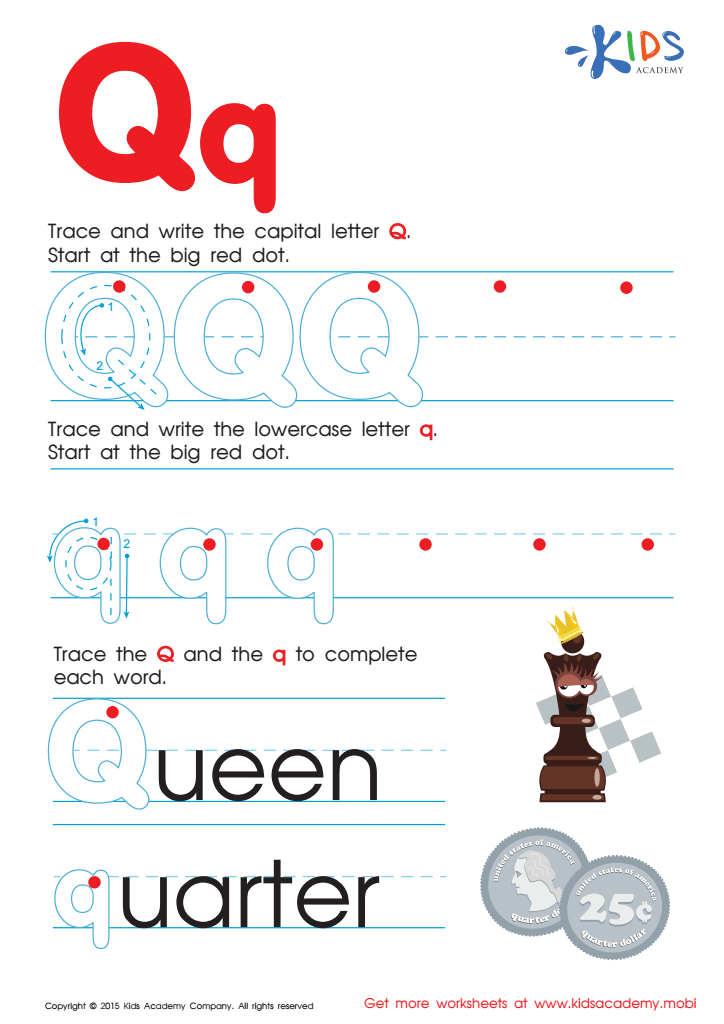
Letter Q Tracing Page
 Assign to My Students
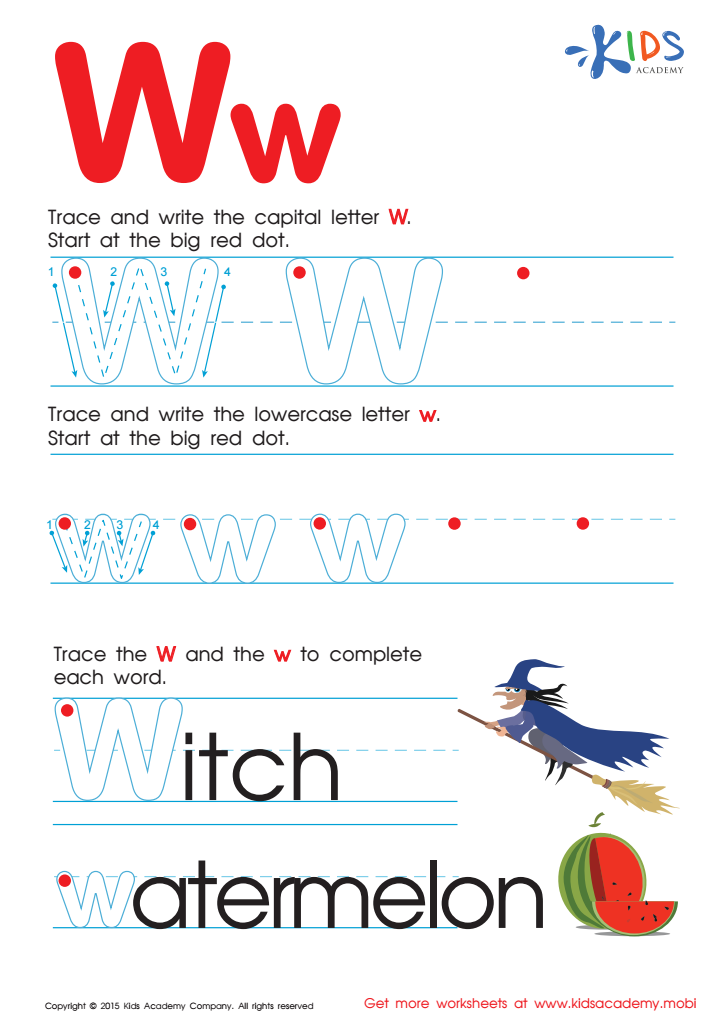
Letter W Tracing Page
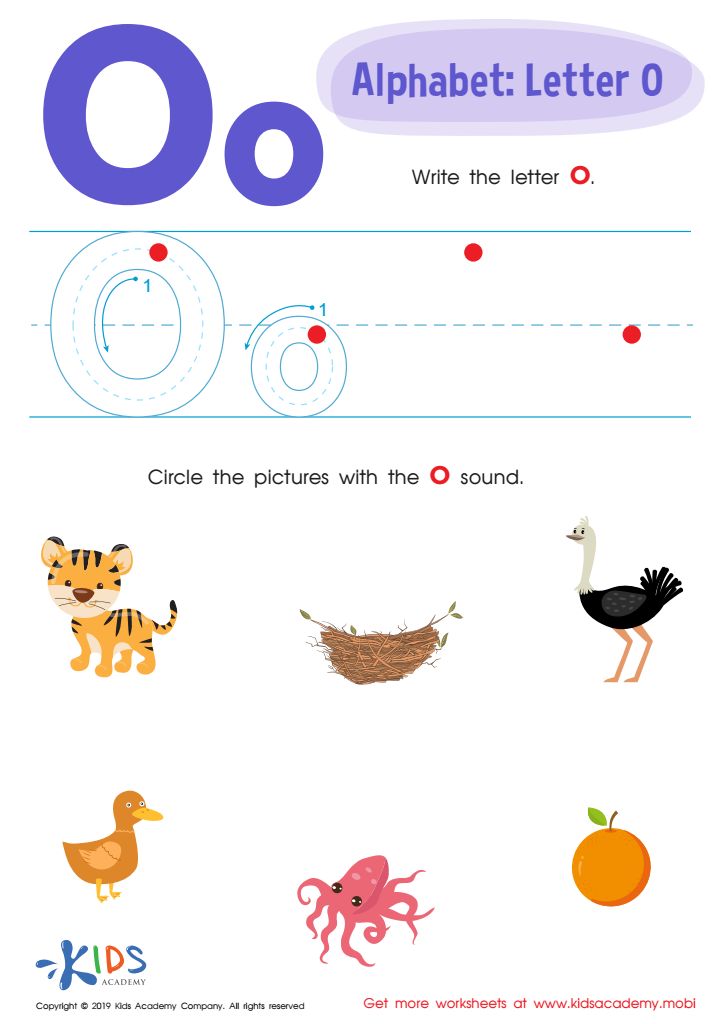
Letter O Tracing Worksheet
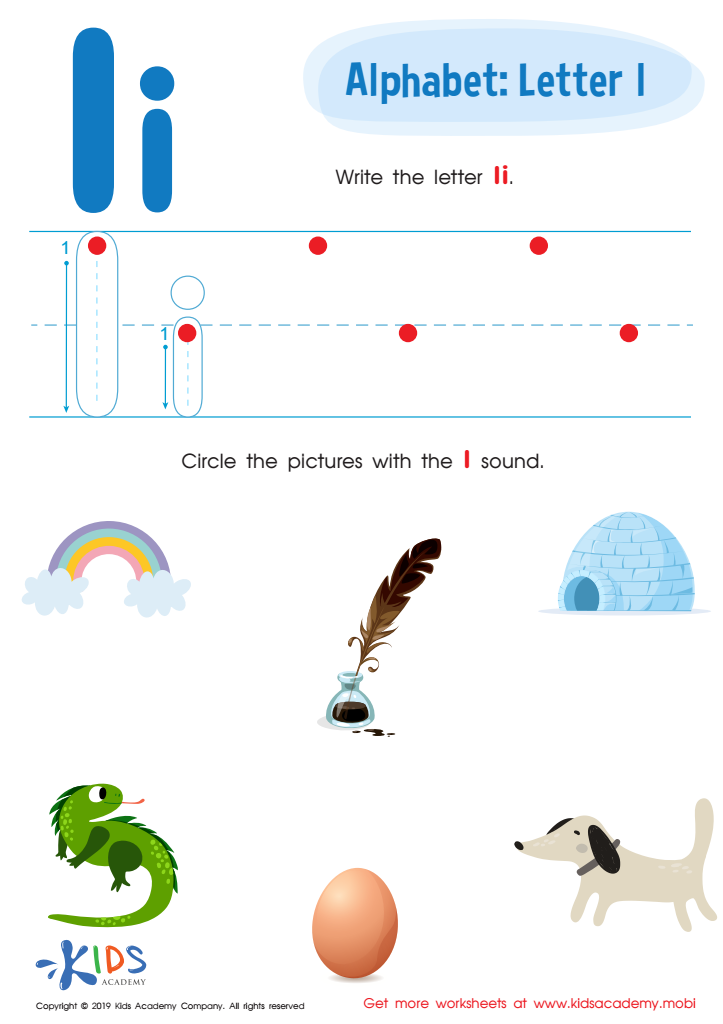
Letter I Tracing Worksheet
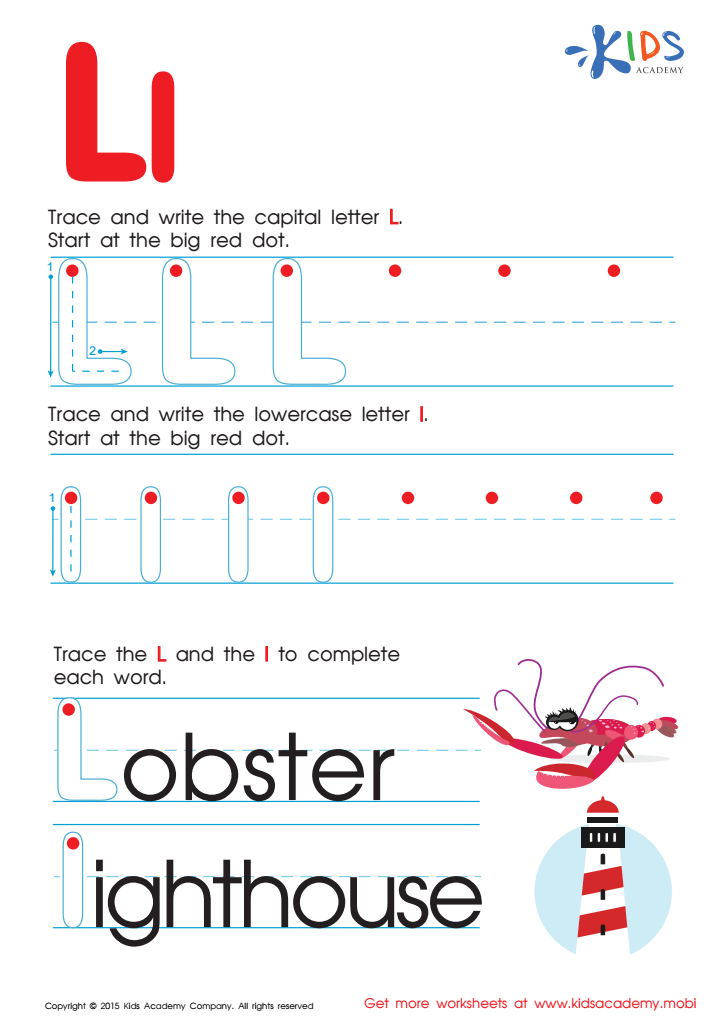
Letter L Tracing Page
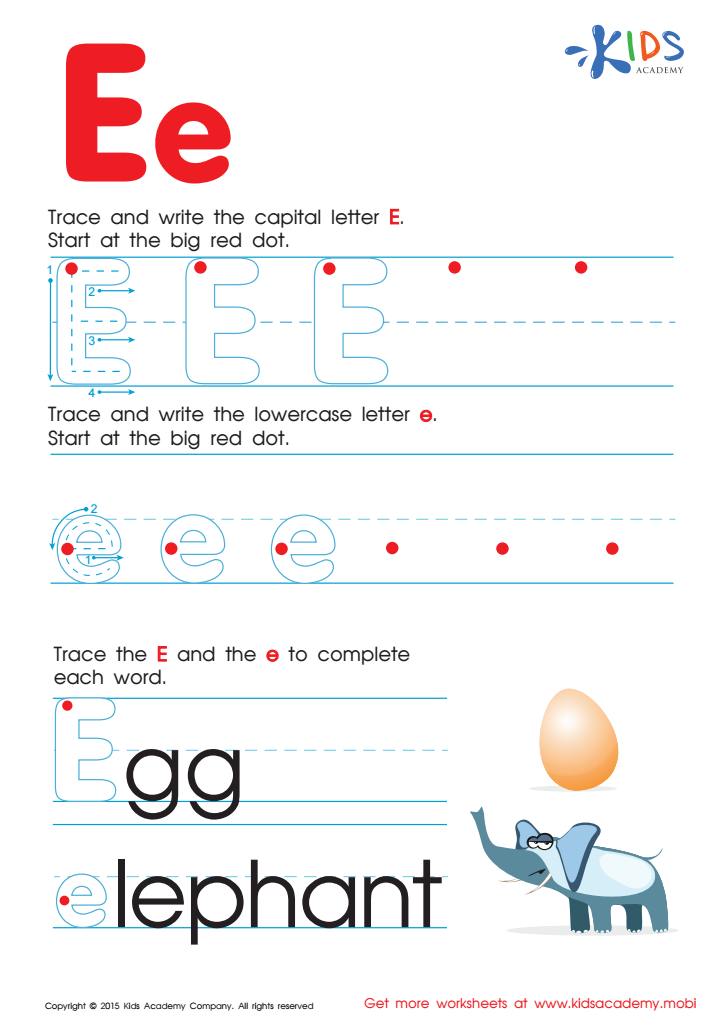
Letter E Tracing Page
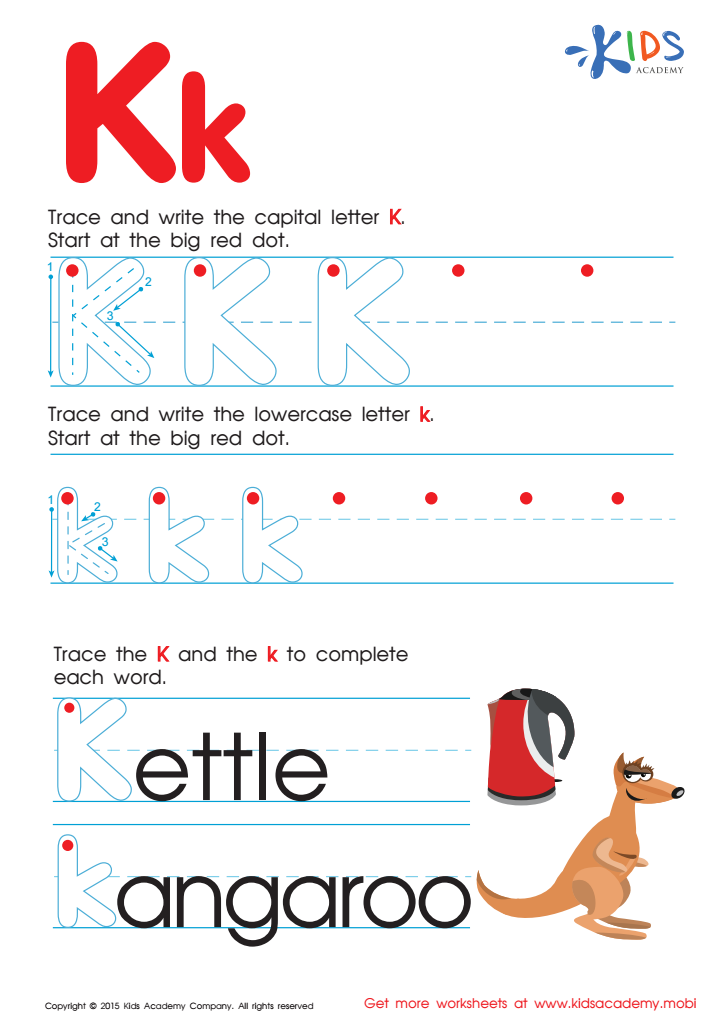
Letter K Tracing Page

Letter F Tracing Page
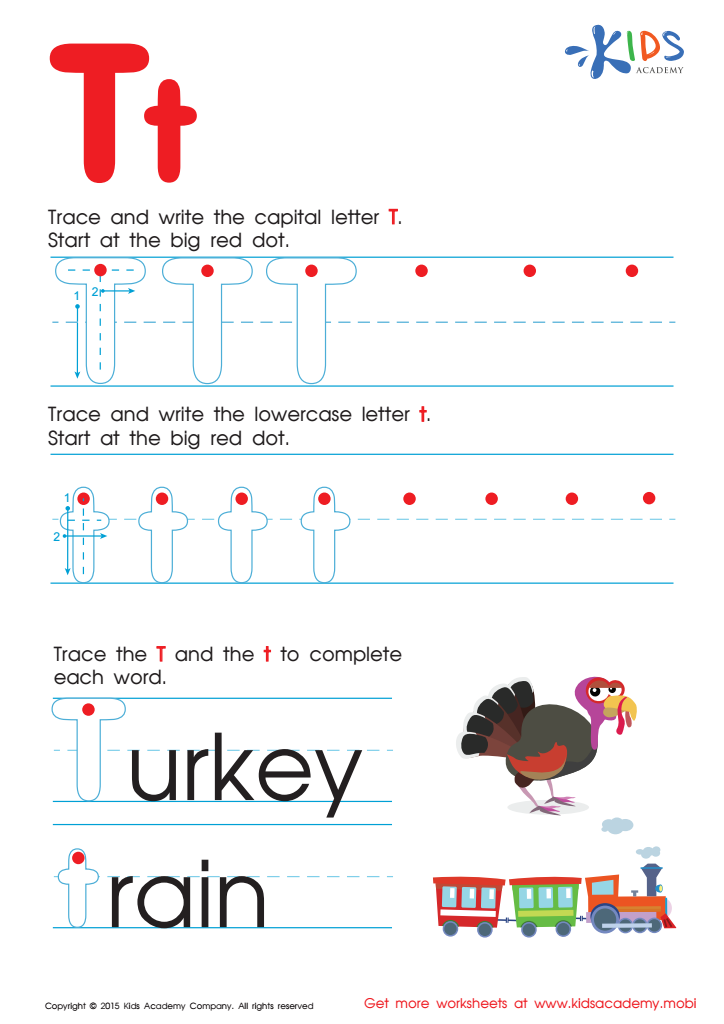
Letter T Tracing Page







Handwriting skills are a fundamental aspect of early childhood education, particularly for children aged 4 to 7. During this developmental stage, tracing letters is a vital exercise that supports the growth of fine motor skills, enhances cognitive development, and fosters letter recognition.
Parents and teachers should prioritize handwriting practice as it builds a solid foundation for a child’s literacy journey. Tracing letters helps improve hand-eye coordination and strengthens the small muscles in a child's hands, which are essential for writing, drawing, and other tasks requiring dexterity.
Moreover, mastering letter formation contributes to a child’s understanding of the alphabet, enhancing their reading and spelling abilities later on. This skill also supports self-expression—the more comfortably children can write, the more confidently they can communicate their thoughts and ideas.
In an increasingly digital world, handwriting remains an important mode of communication, in both academic and social environments. By encouraging tracing as a fun and engaging activity, parents and teachers nurture a love for learning while equipping children with essential skills that will benefit them throughout their educational journey and beyond. Overall, focusing on handwriting skills during these formative years fosters both intellectual and emotional growth in young learners.








