Lowercase identification Upper & Lowercase Letters Worksheets for Ages 4-7
5 filtered results
-
From - To
Welcome to our "Lowercase Identification Upper & Lowercase Letters Worksheets" page, designed for children aged 4-7! Our engaging worksheets help young learners master the identification of lowercase letters, essential for developing reading and writing skills. These vibrant and interactive activities promote recognition of letters in various contexts, making learning fun and effective. Aligned with early literacy standards, our materials cater to different learning styles, ensuring every child progresses at their own pace. Perfect for use at home or in the classroom, these worksheets are an invaluable resource for parents and educators alike in supporting phonemic awareness and letter knowledge.
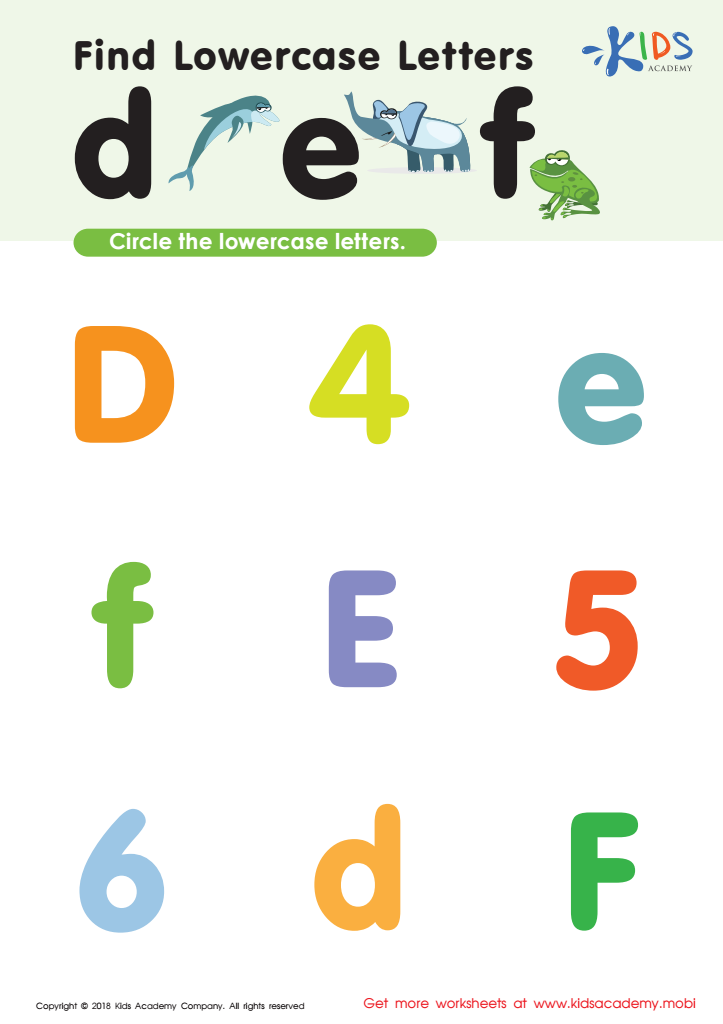
Find Lowercase Letters d e f Worksheet
 Assign to My Students
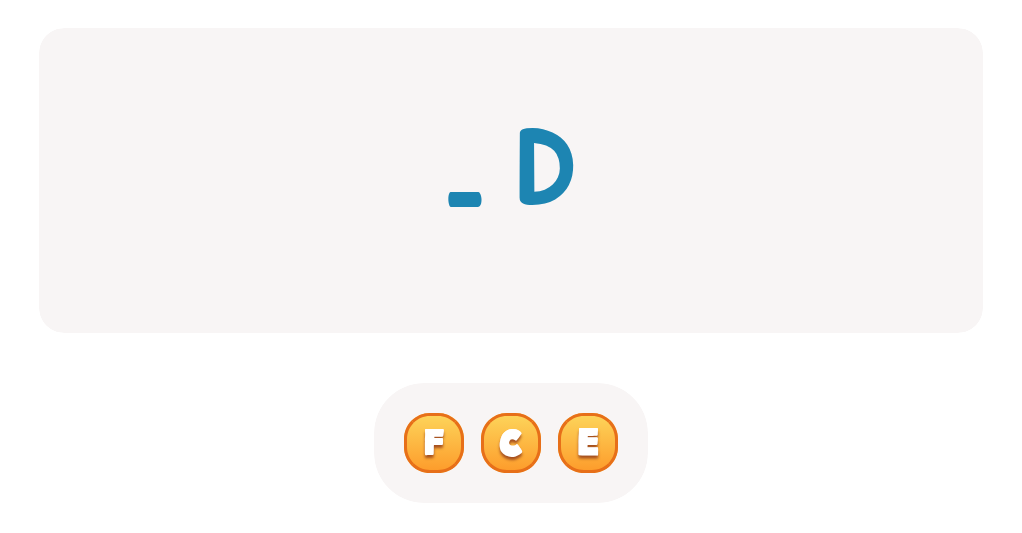

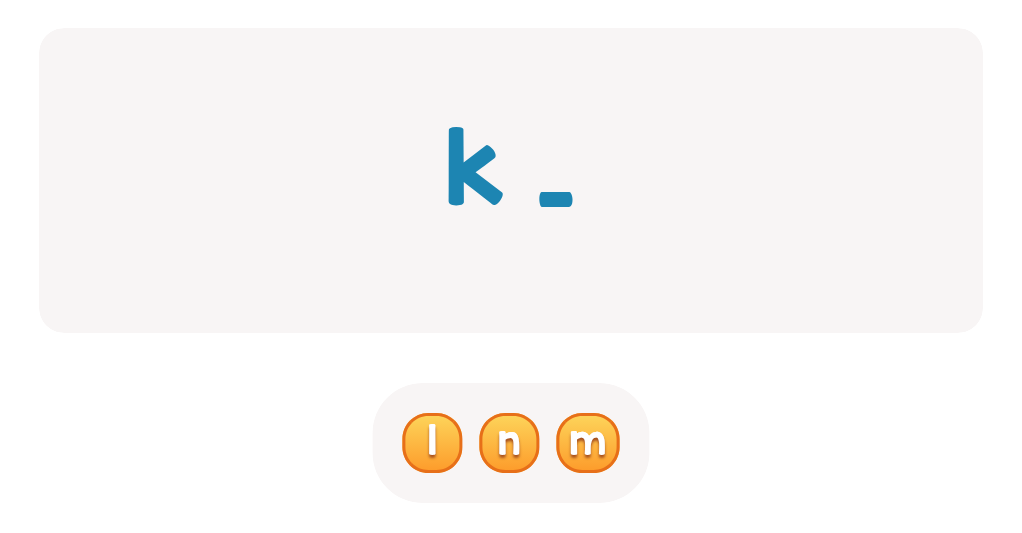
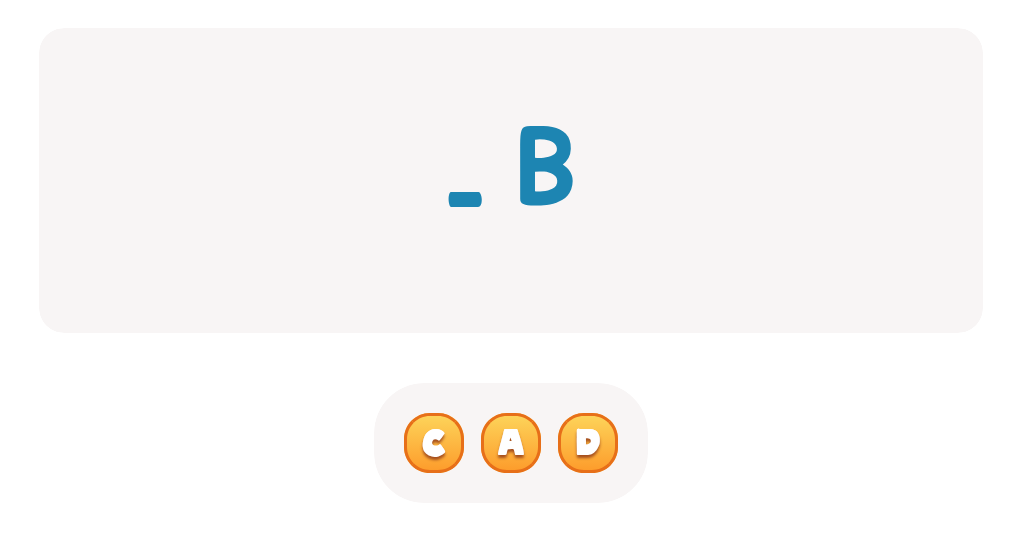
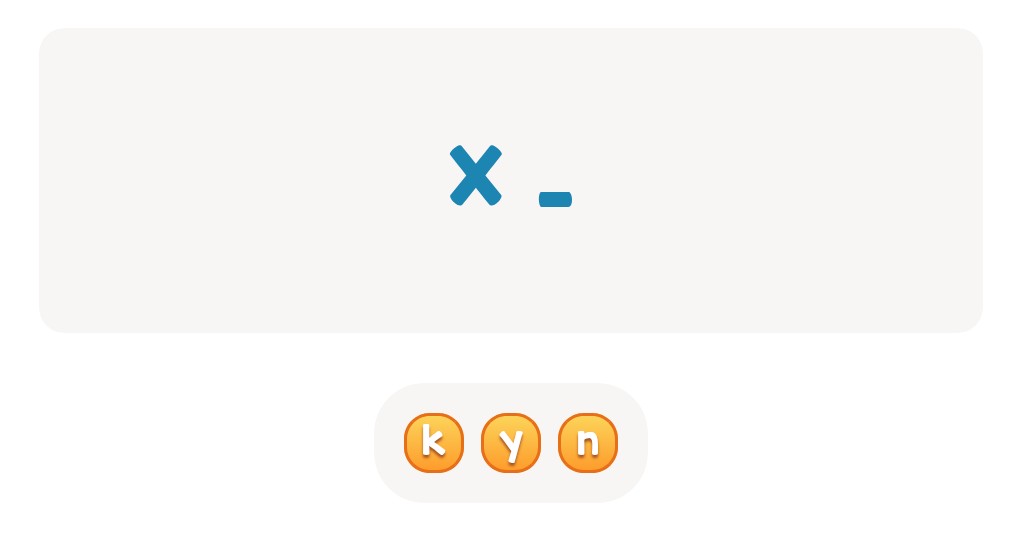
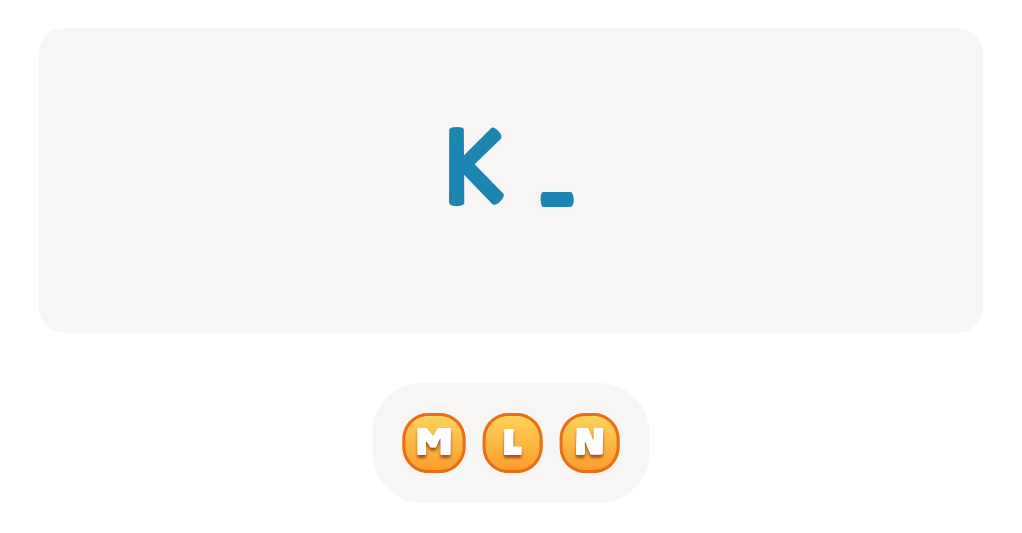
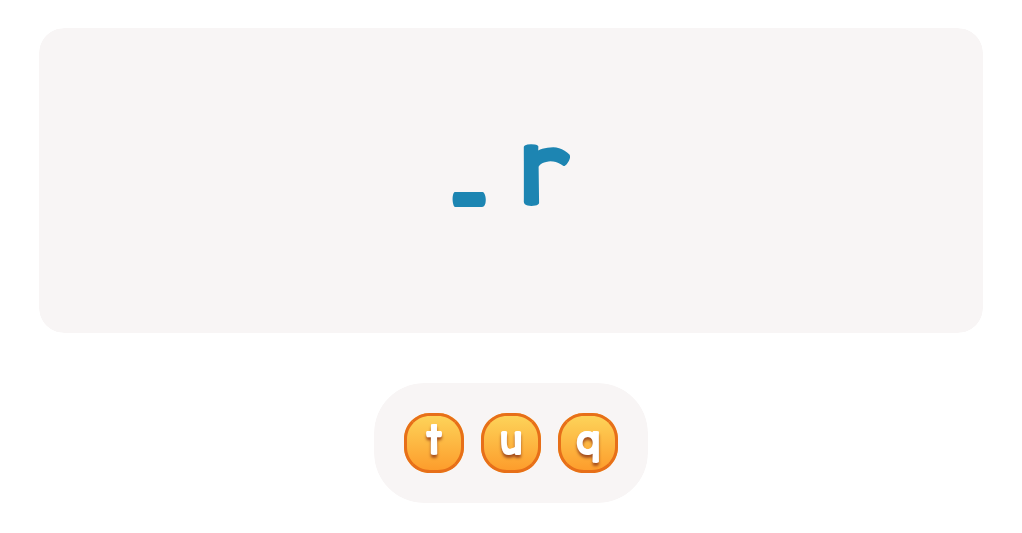
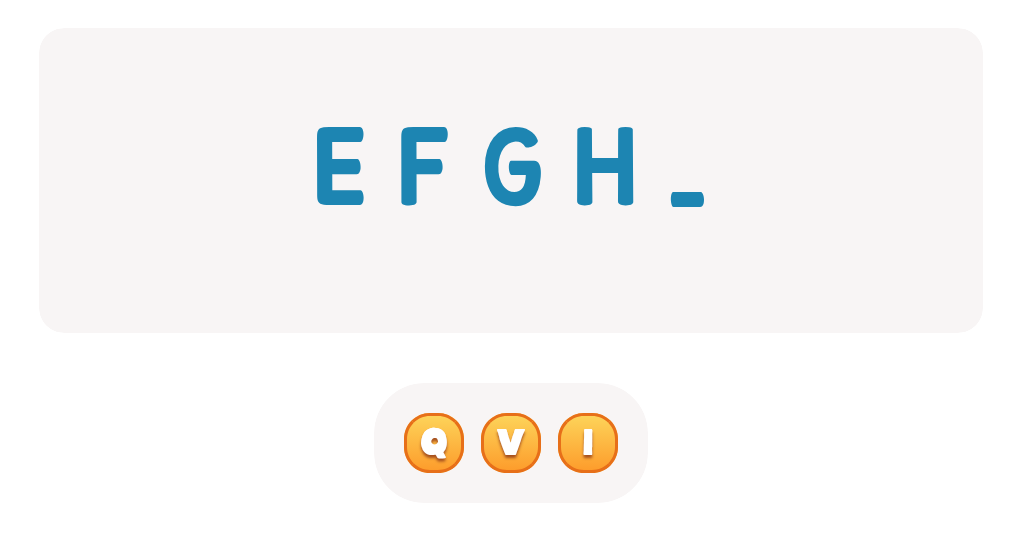
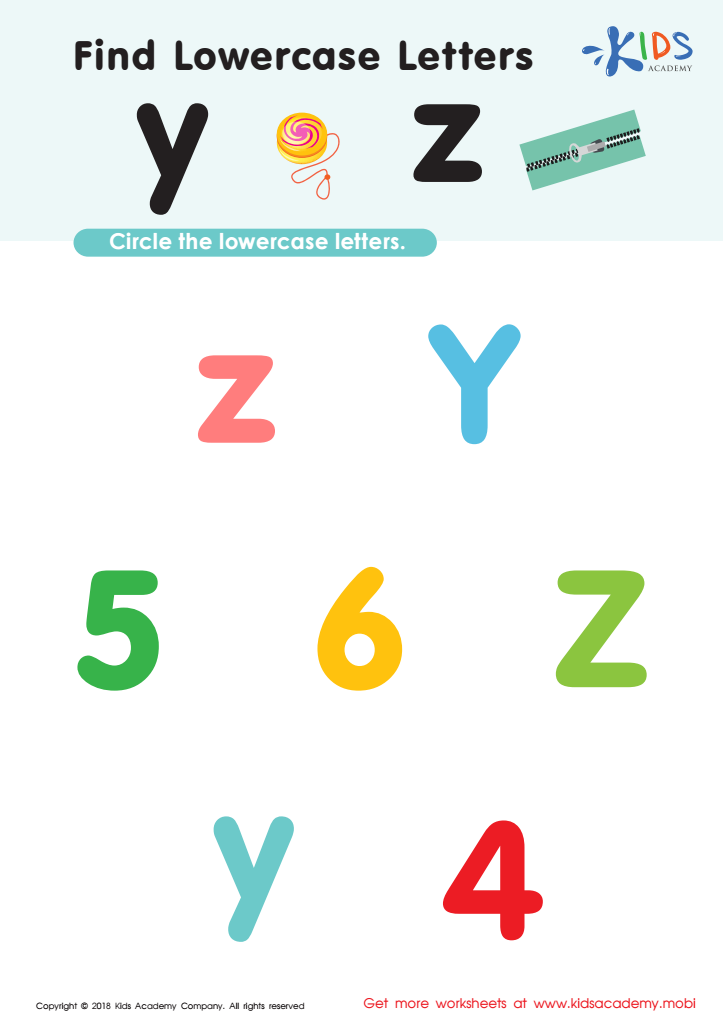
Find Lowercase Letters y z Worksheet
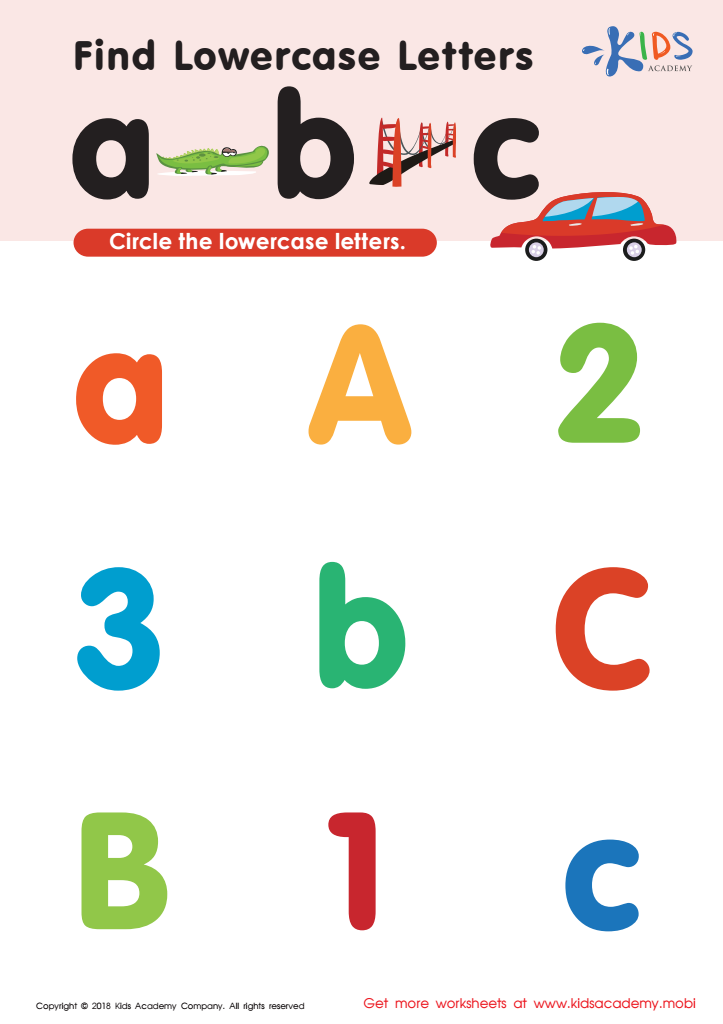
Find lowercase letters a b c Worksheet
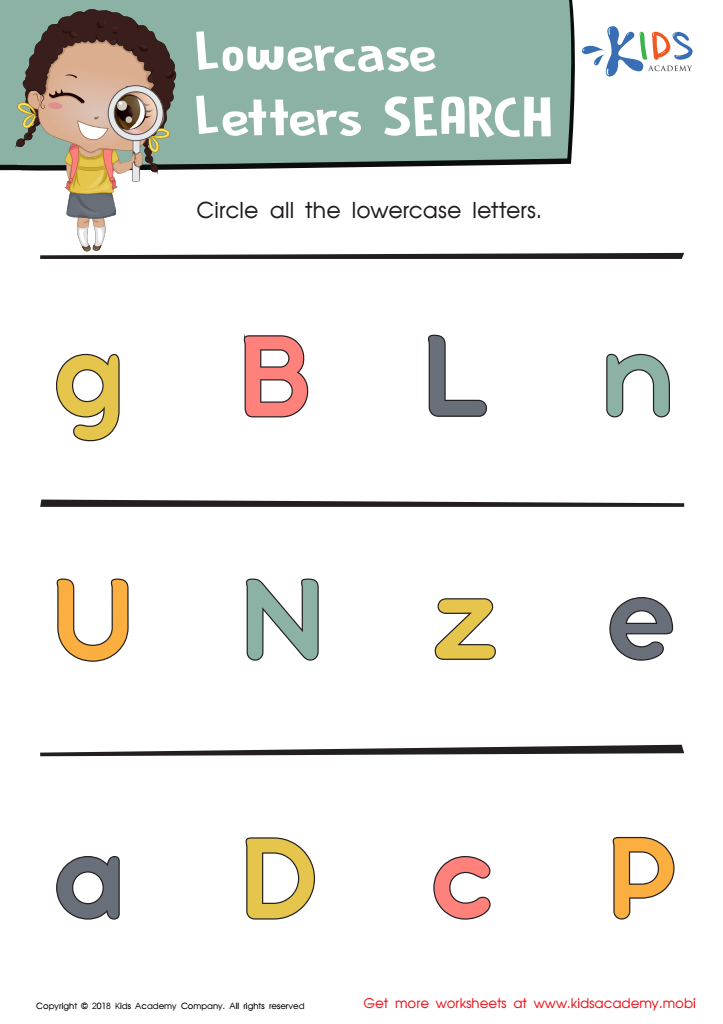
Lowercase Letters Search: Assessment Worksheet
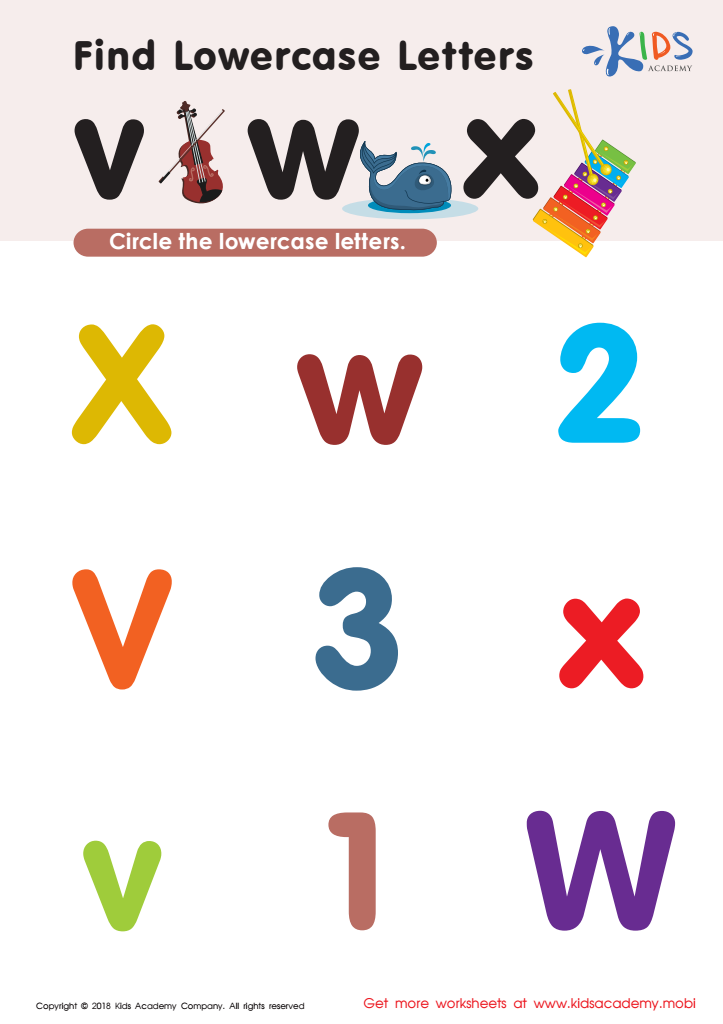
Find Lowercase Letters v w x Worksheet






Understanding lowercase and uppercase letters is crucial for young children aged 4-7, as it forms the foundation of literacy skills. Teachers and parents should prioritize this identification for several reasons.
Firstly, distinguishing between lowercase and uppercase letters is essential for reading fluency. Uppercase letters are often found at the beginning of sentences or proper nouns, while lowercase letters constitute the vast majority of written text. By recognizing both forms, children can navigate reading materials more effectively, boosting their confidence and comprehension.
Secondly, writing skills are significantly impacted by letter identification. As children learn to write, they need to know when to use uppercase letters (e.g., starting a sentence, names) vs. lowercase letters. Misunderstanding these concepts may hinder their writing progress, leading to frustration.
Moreover, strong literacy skills are linked to overall academic success. Early identification skills foster a love for reading and make learning enjoyable, setting children on a positive path.
Lastly, lowercase and uppercase letter recognition enhances cognitive skills. It encourages children to develop critical thinking as they begin to understand the rules and structure of written language. In summary, focusing on letter identification at this early stage fosters essential reading and writing capabilities that will benefit children throughout their academic journey.







