Number identification Cultures and Holidays Coloring Pages Worksheets for Ages 4-7
3 filtered results
-
From - To
Discover our engaging "Number Identification Cultures and Holidays Coloring Pages Worksheets" designed for children aged 4-7! These printable worksheets combine the joy of coloring with essential learning in number recognition. Each page features vibrant illustrations inspired by diverse cultures and festive holidays, making learning both fun and meaningful. As children color, they enhance their fine motor skills and practice number identification in a creative context. Perfect for classroom activities or at-home learning, these worksheets provide an interactive way to embrace multicultural education while developing essential early math skills. Download now and embark on a colorful learning adventure with your little ones!
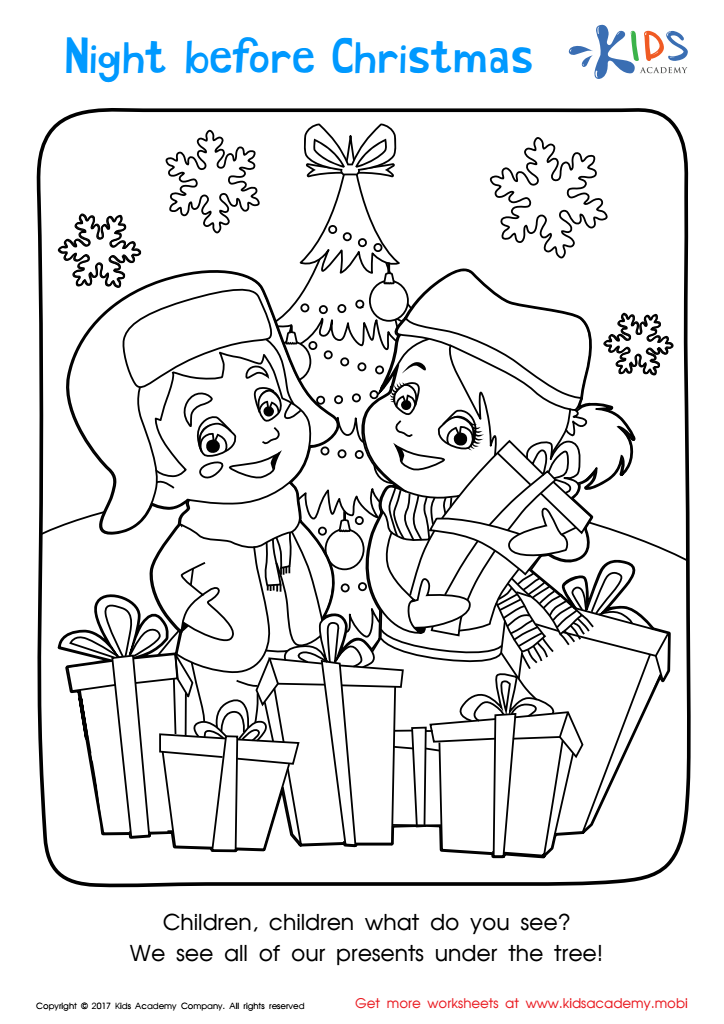
Christmas: Night Before Christmas Printable
 Assign to My Students
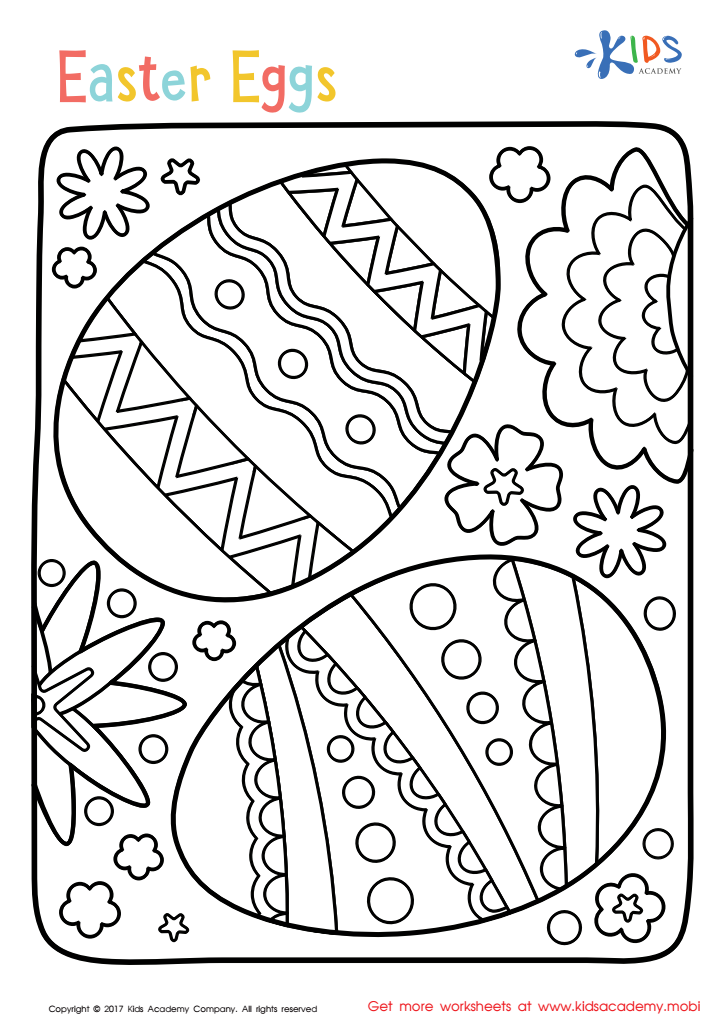
Easter: Easter Eggs Worksheet
Assign to My Students



Parents and teachers should care about Number Identification Cultures and Holidays Coloring Pages for Ages 4-7 because they serve as valuable educational tools that blend learning with creativity. Number identification is a fundamental skill that helps children not only understand mathematics but also enhances cognitive development. By incorporating cultural themes and holiday celebrations into coloring pages, children gain exposure to diverse traditions, fostering inclusivity and appreciation for different backgrounds.
These coloring activities promote fine motor skills as children practice gripping crayons and staying within the lines while engaging with numbers. When they identify numbers associated with various cultural elements or holiday symbols—such as 1 for a menorah or 3 for wise men—kids make meaningful connections between mathematics and the world around them.
Moreover, these coloring pages can spur discussions at home or in the classroom, encouraging dialogue between children, parents, and teachers about cultural significance, enhancing literacy skills, and building social awareness. Thus, Number Identification Cultures and Holidays Coloring Pages are not just fun activities; they are holistic tools that promote a love for learning while nurturing essential skills and cultural appreciation in young children.