Color recognition Plants Worksheets for Ages 4-7
5 filtered results
-
From - To
Discover our engaging Color Recognition Plants Worksheets, specifically designed for children ages 4–7. These interactive worksheets help young learners identify and name various colors through delightful plant-themed activities. By exploring vibrant illustrations of flowers, trees, and plants, kids will develop essential color recognition skills while fostering their creativity. Each worksheet encourages hands-on learning, making it a fun and effective way for children to connect with nature while honing their artistic abilities. Perfect for home or classroom settings, these worksheets support early childhood education and promote a love for learning. Download now and watch your child's confidence in color recognition blossom!
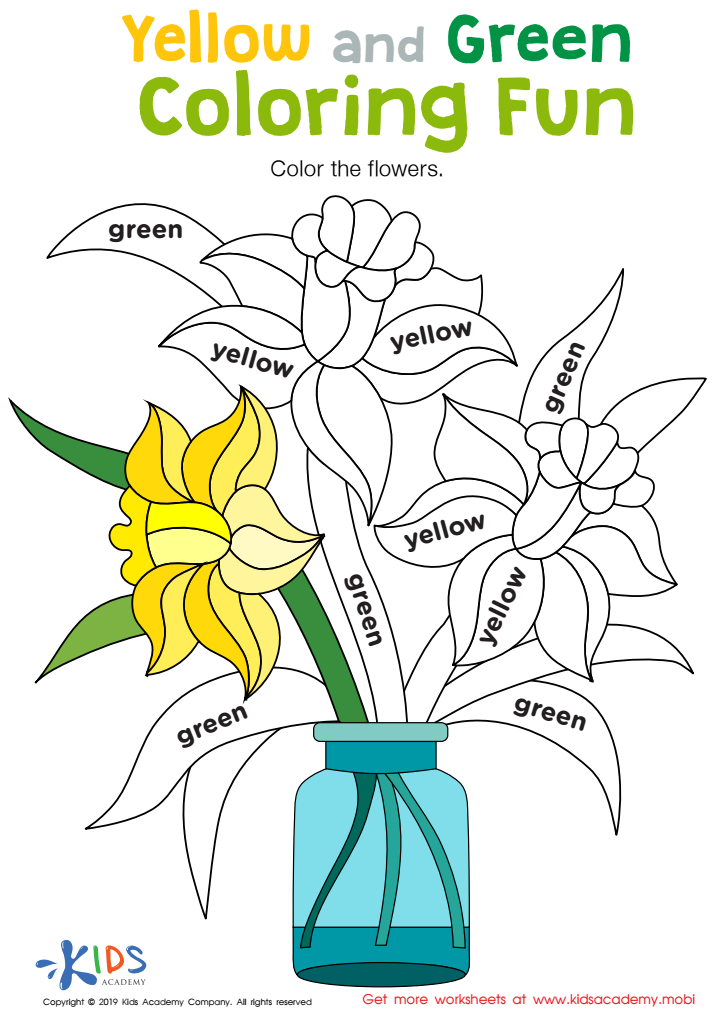
Yellow and Green Coloring Fun Worksheet
 Assign to My Students


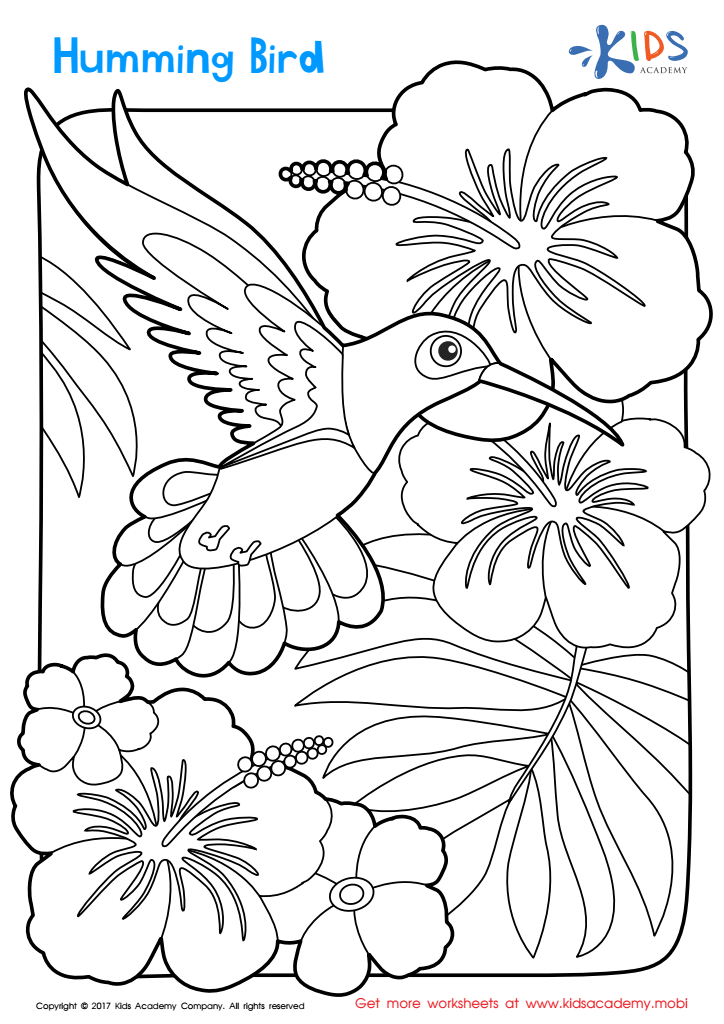
Humming Bird Worksheet
Assign to My Students
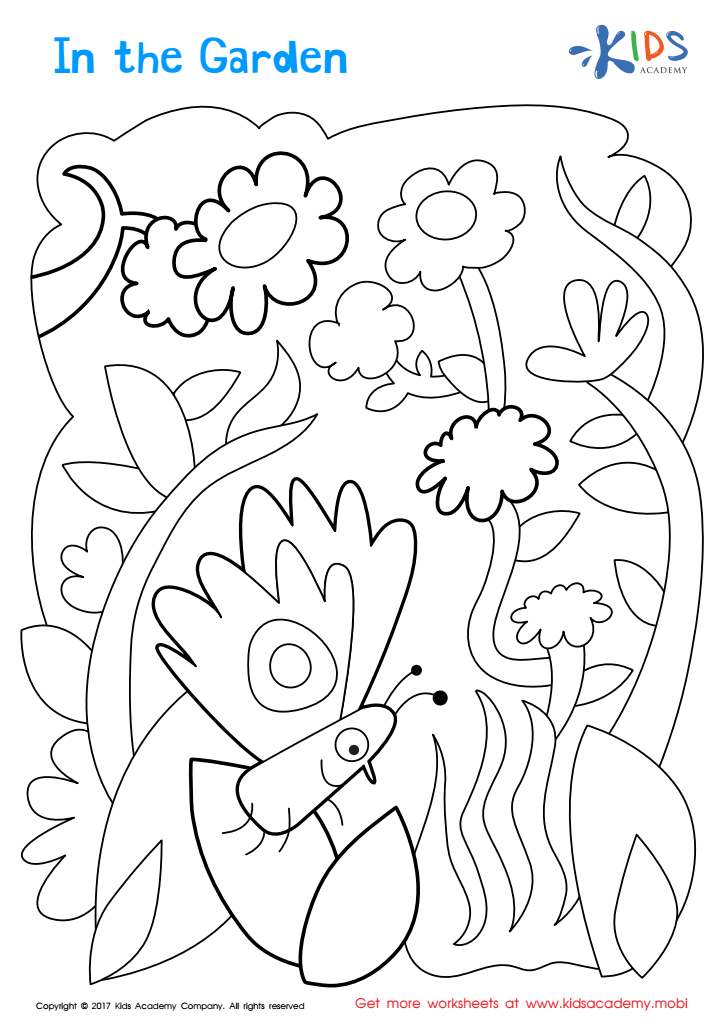
In The Garden Coloring Page
Assign to My Students
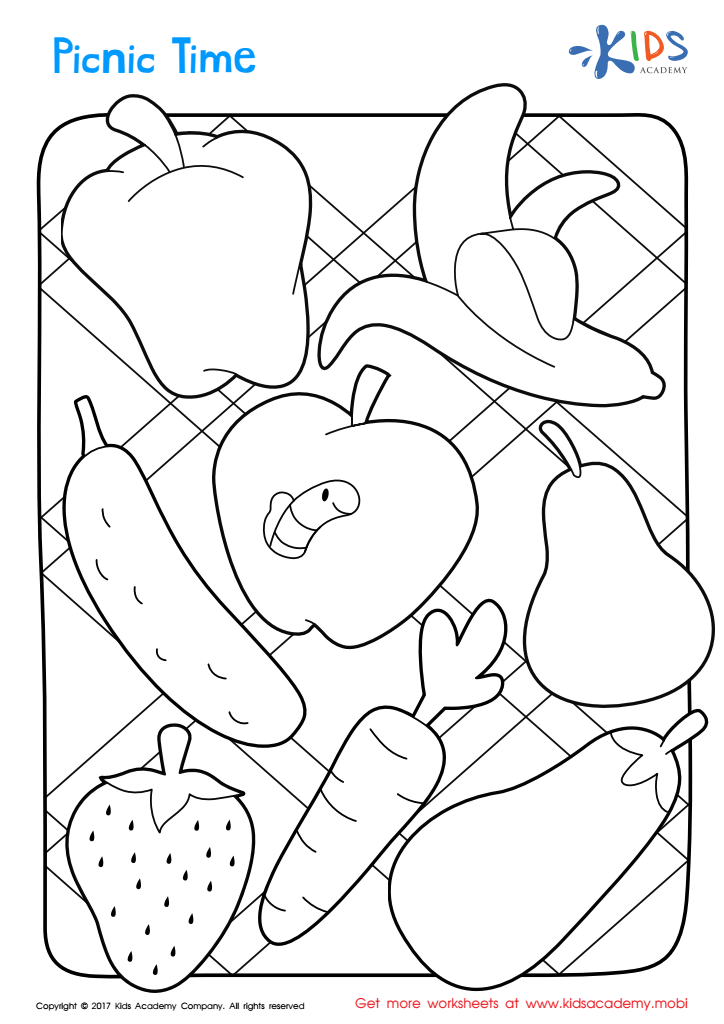
Picnic Time Coloring Page
Assign to My Students
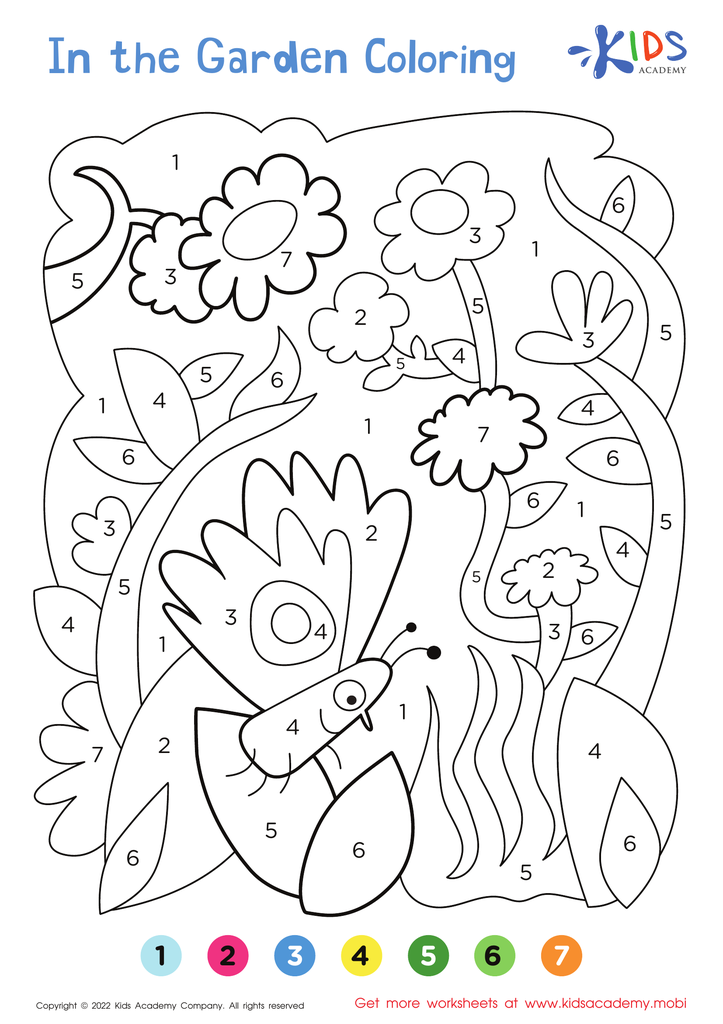
In the Garden – Coloring by Numbers







Color recognition in plants is an essential developmental milestone for children ages 4-7, as it supports their cognitive, emotional, and social growth. First, understanding plant colors helps enhance children's observational skills. By identifying colors, children learn to categorize and differentiate between various plants, fostering critical thinking and curiosity about the natural world.
Additionally, learning about plant colors can stimulate sensory development. The vibrant hues of flowers, leaves, and fruits engage children's visual senses and encourage them to explore their environment, leading to greater appreciation for biodiversity. This exploration can also play a vital role in developing language skills; children can learn new vocabulary related to colors and plant parts.
Socially, recognizing and discussing colors can facilitate collaboration and communication among peers and even with family members during outdoor activities. It becomes a fun, interactive way to foster social interaction and bonding.
Moreover, integrating color recognition with environmental education can instill early values of stewardship and respect for nature. Parents and teachers who emphasize color recognition in plants provide children with the foundation necessary for scientific inquiry, creativity, and lifelong learning. Overall, this simple activity enriches children's educational experiences and nurtures their interconnectedness with nature.