Alphabet Recognition English for Beginners Worksheets for Ages 4-7
32 filtered results
-
From - To
Welcome to our Alphabet Recognition Worksheets for English Beginners, designed specifically for ages 4 to 7! These engaging and interactive activities help young learners develop essential alphabet skills. Each worksheet provides vibrant visuals and simple exercises to encourage recognition of uppercase and lowercase letters. Perfect for preschool and early elementary classrooms, these resources promote early literacy and language acquisition in a fun and approachable way. Whether your child is mastering letter sounds or exploring word formation, our worksheets foster confidence and creativity. Start your child's journey to reading success today with our thoughtfully crafted alphabet resources!

Letter A Tracing Page
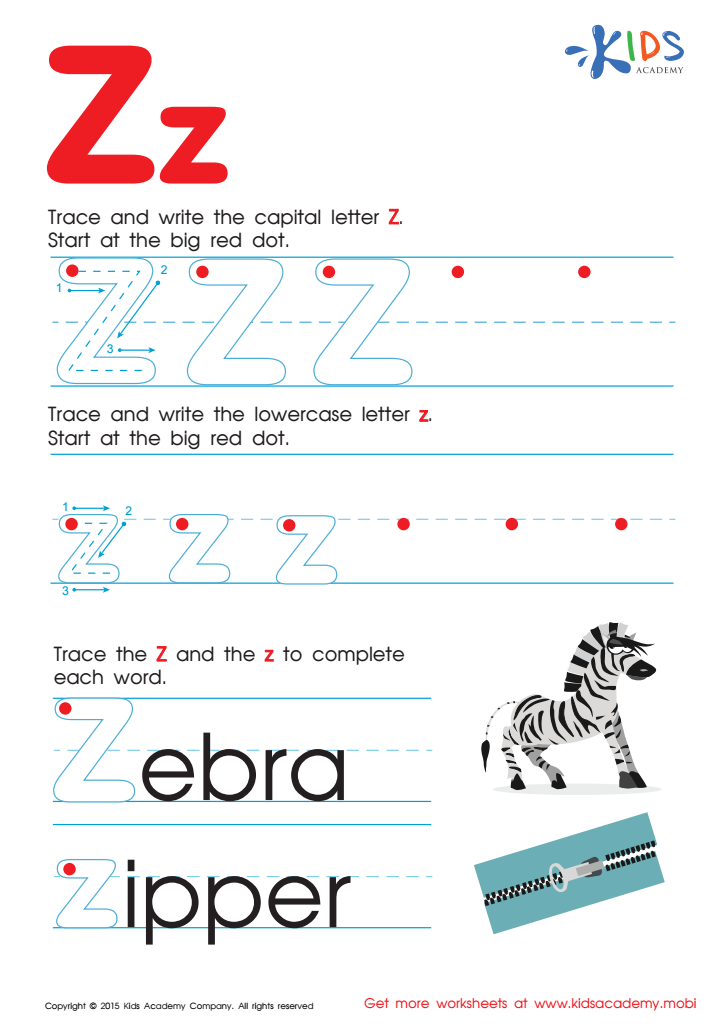
Letter Z Tracing Page
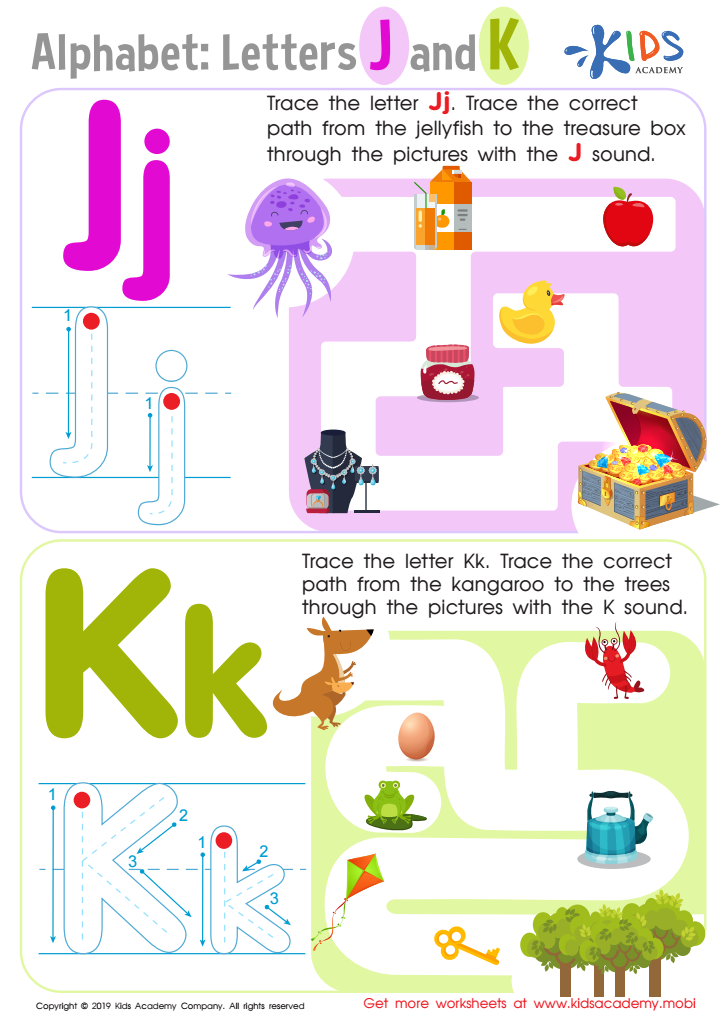
Letters J and K Tracing Worksheet
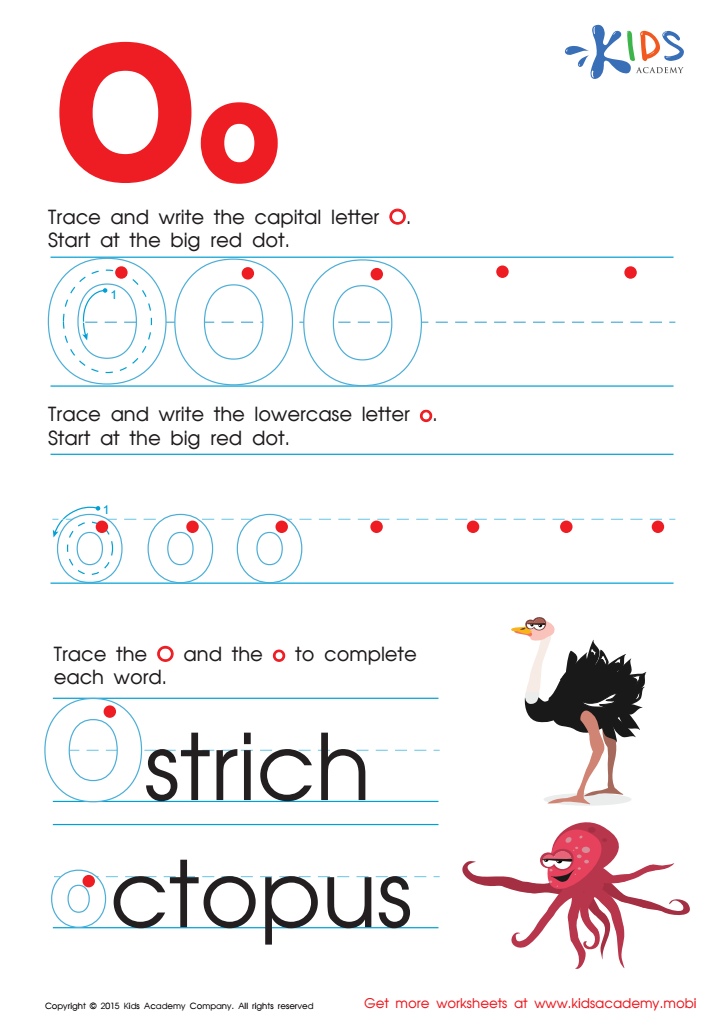
Letter O Tracing Page
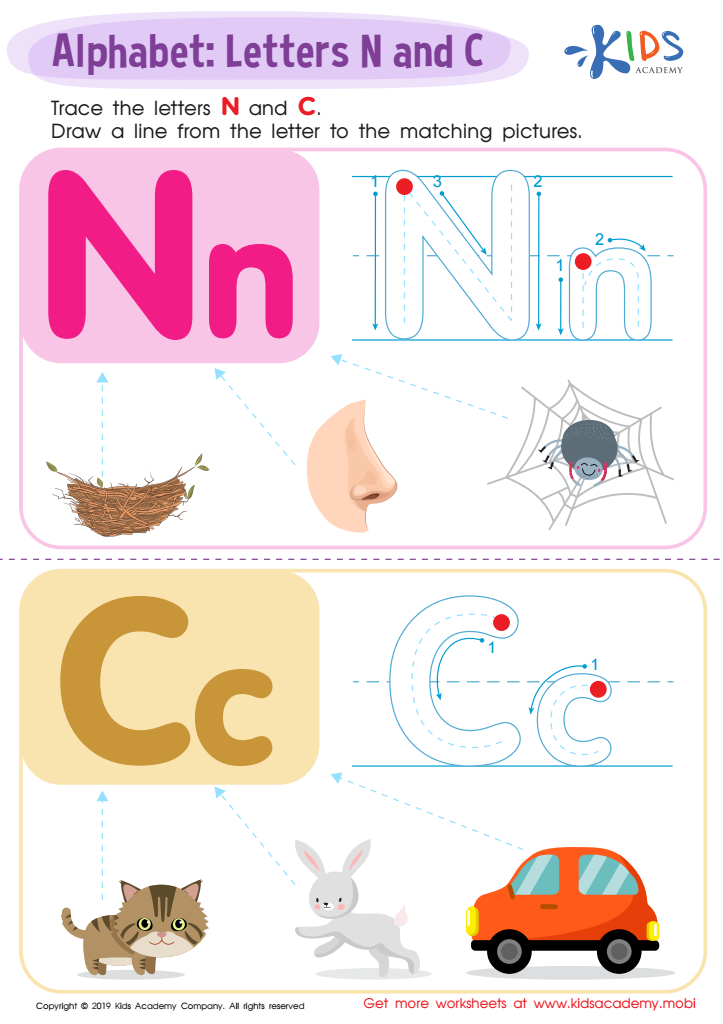
Letter N and C Tracing Worksheet
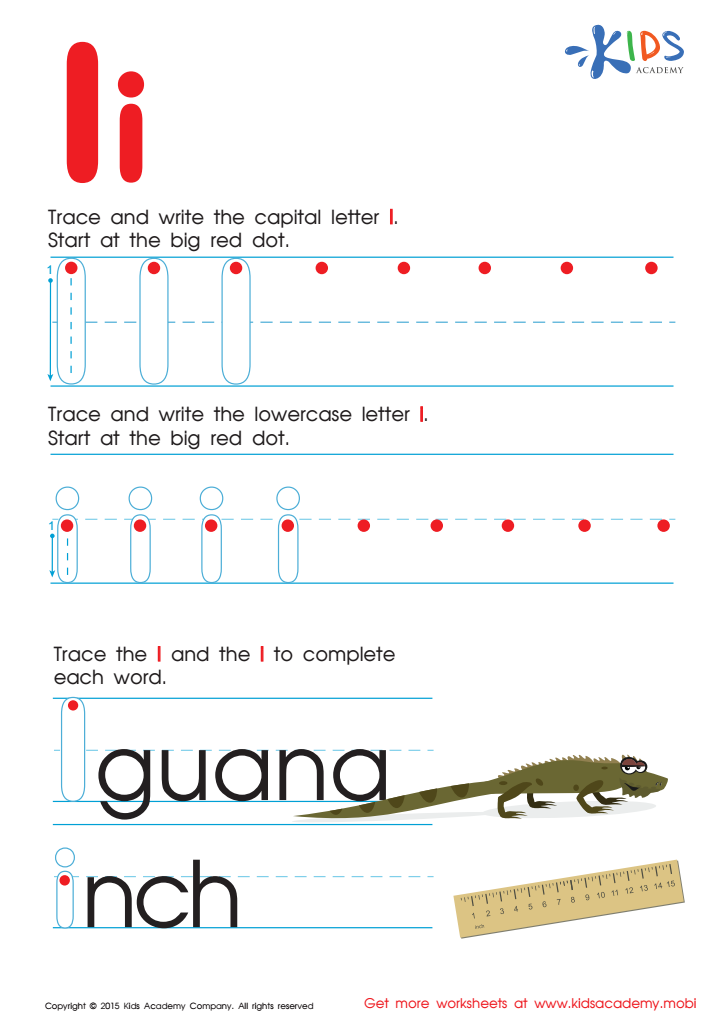
Letter I Tracing Page
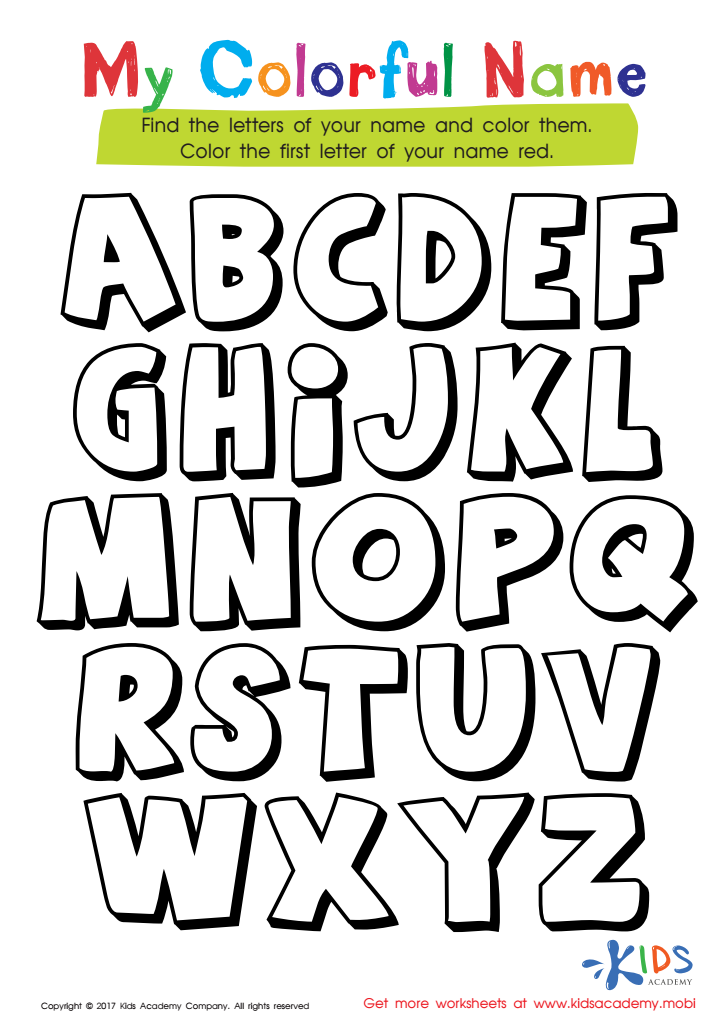
My Colorful Name Worksheet
 Assign to My Students
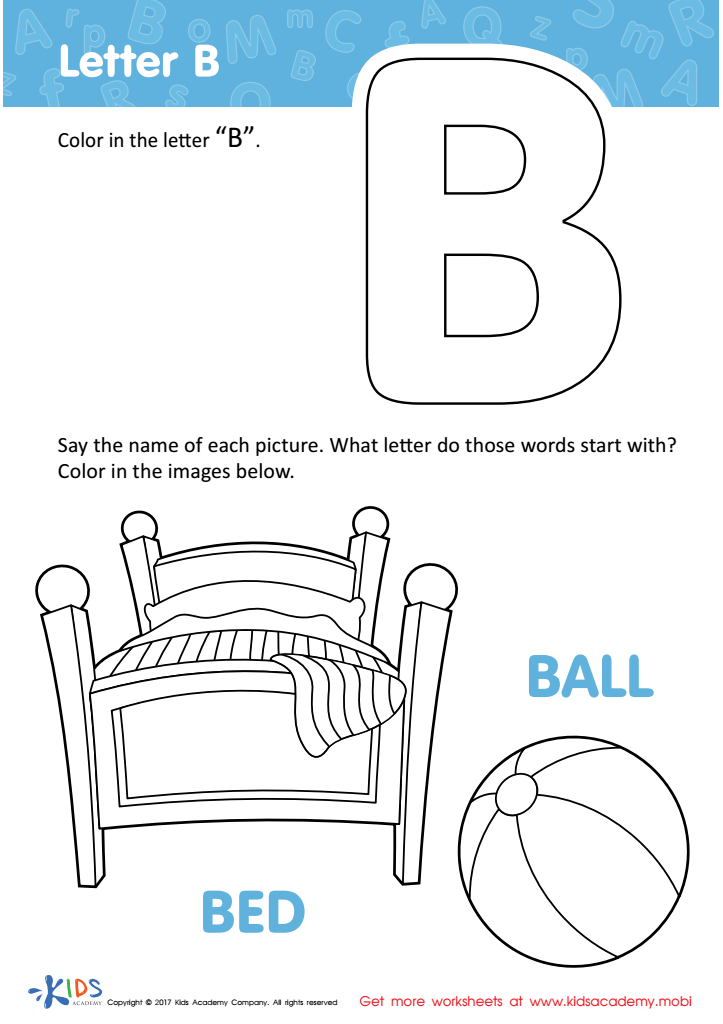
Letter B Coloring Sheet
Assign to My Students
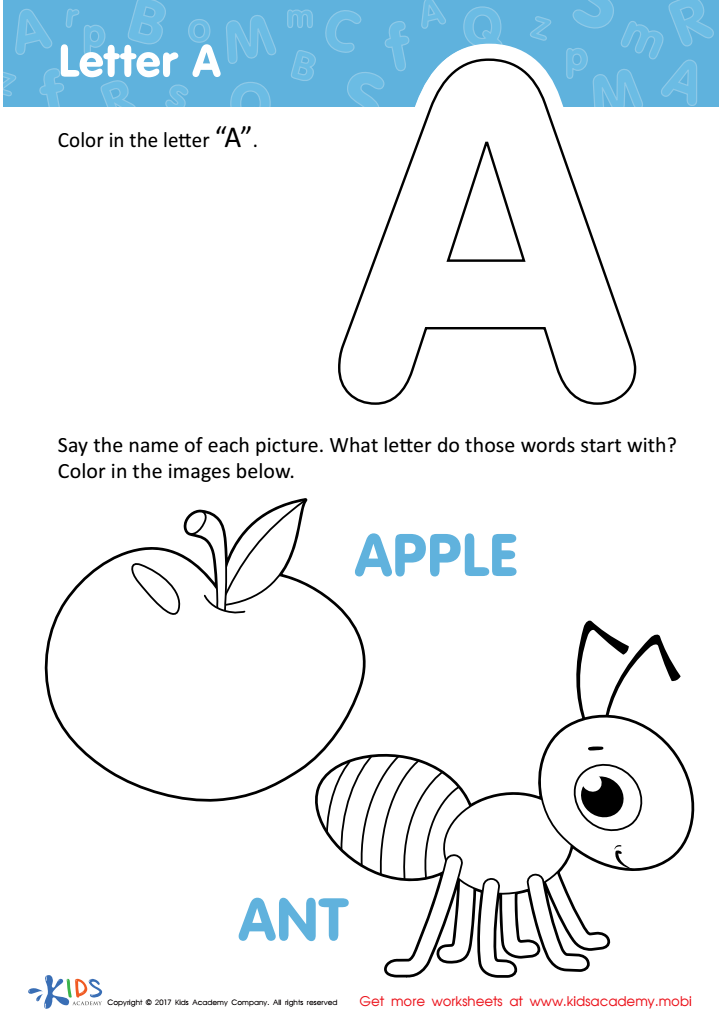
Letter A Coloring Sheet
Assign to My Students
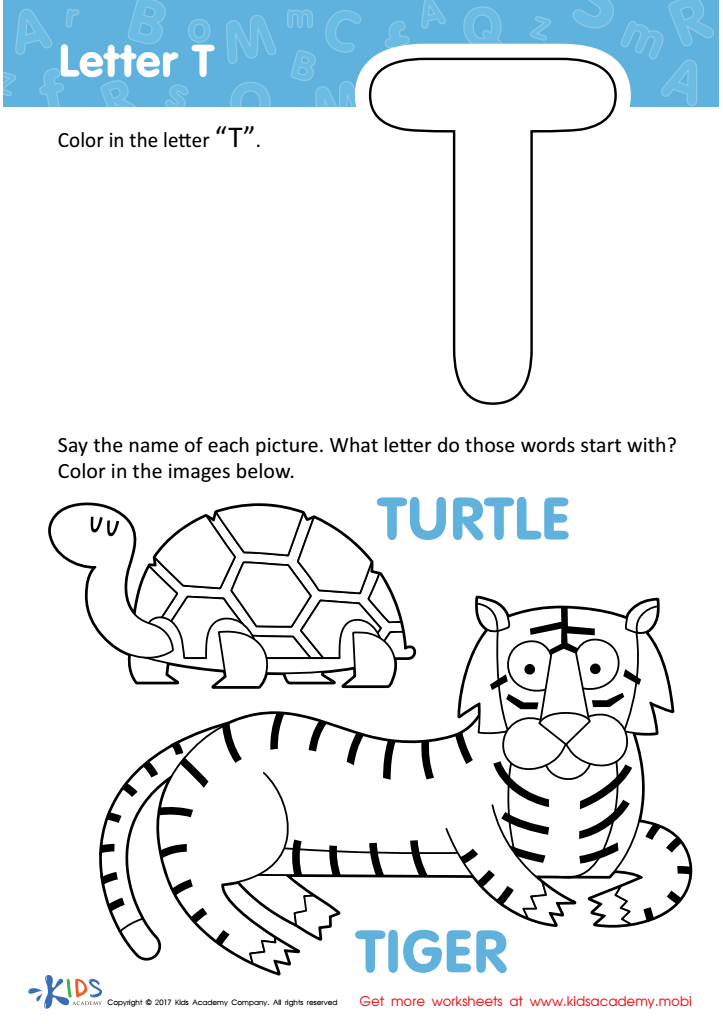
Letter T Coloring Sheet
Assign to My Students
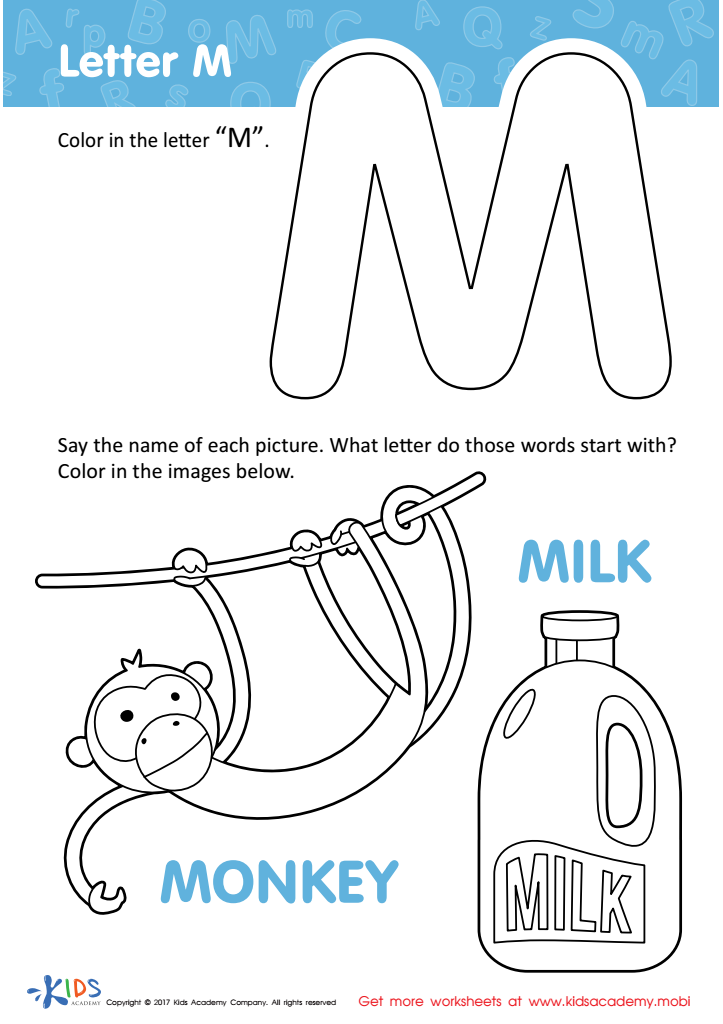
Letter M Coloring Sheet
Assign to My Students
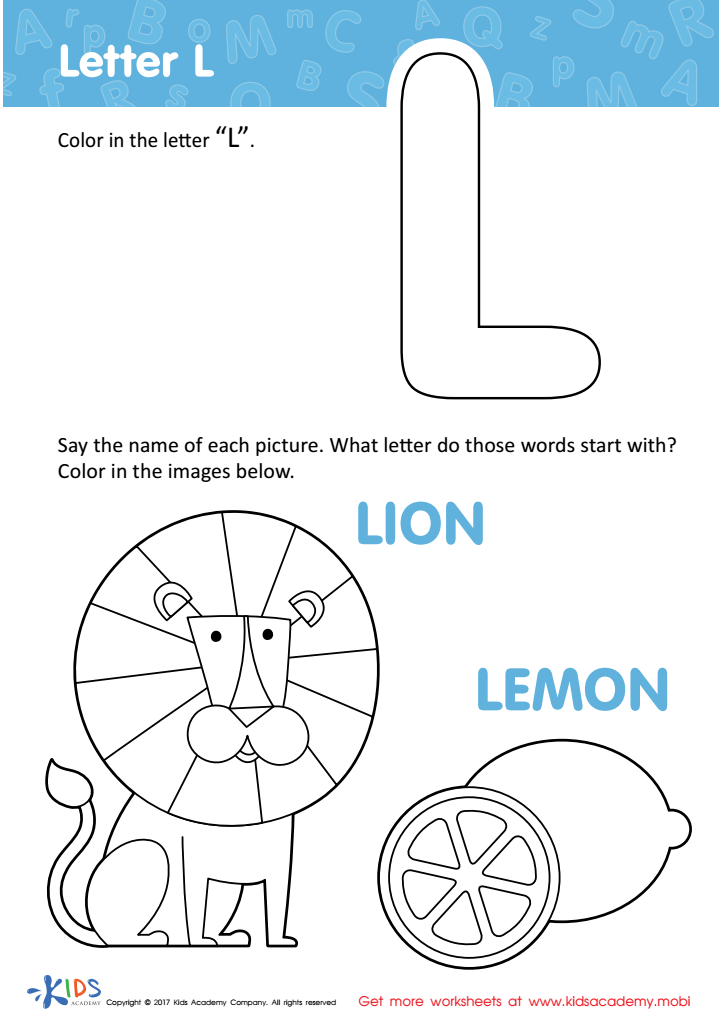
Letter L Coloring Sheet
Assign to My Students

Letter C Tracing Page
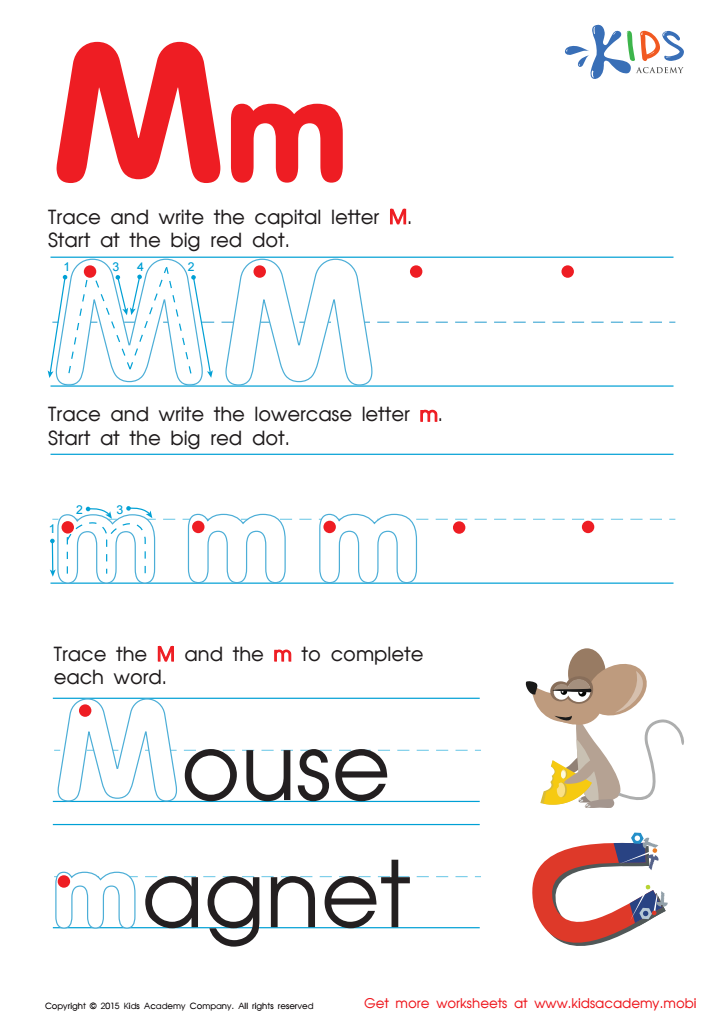
Letter M Tracing Page
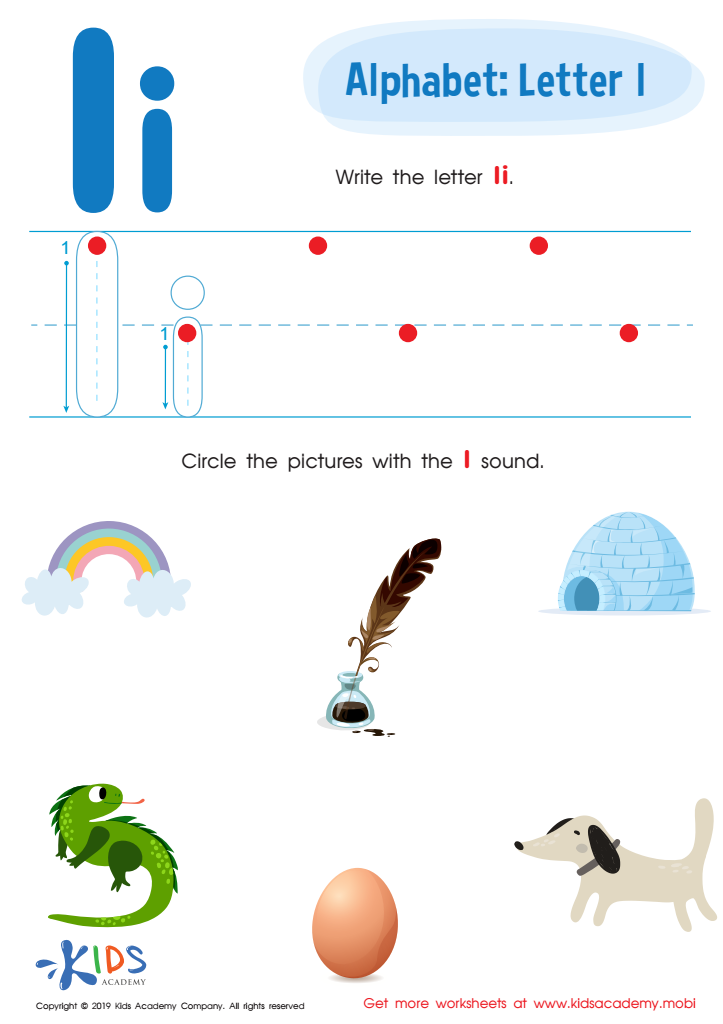
Letter I Tracing Worksheet
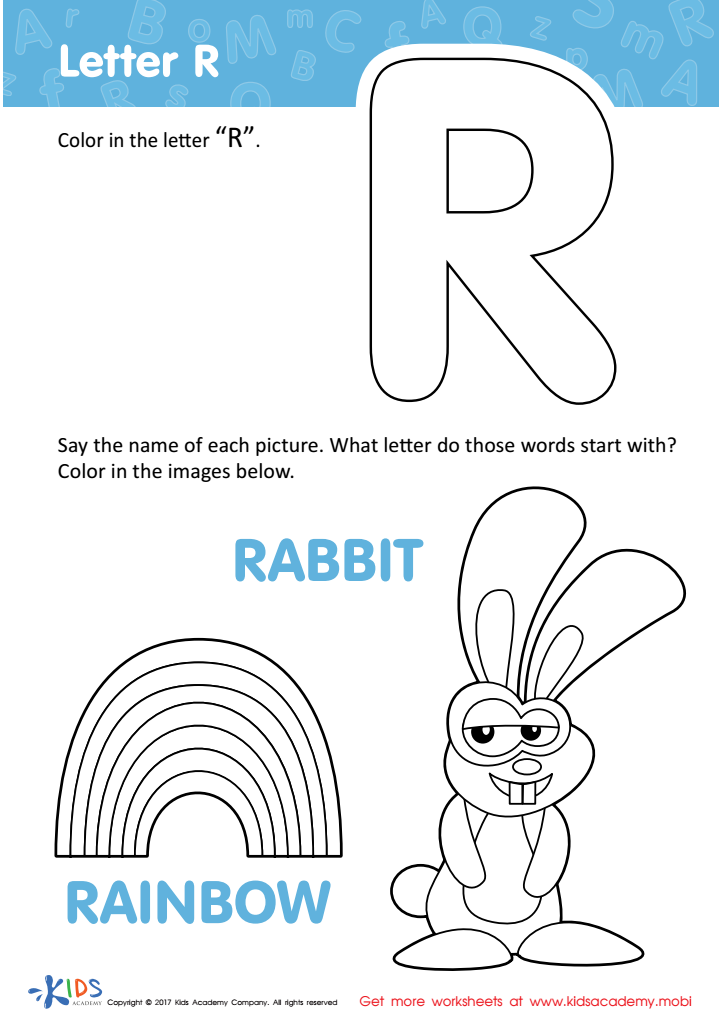
Letter R Coloring Sheet
Assign to My Students
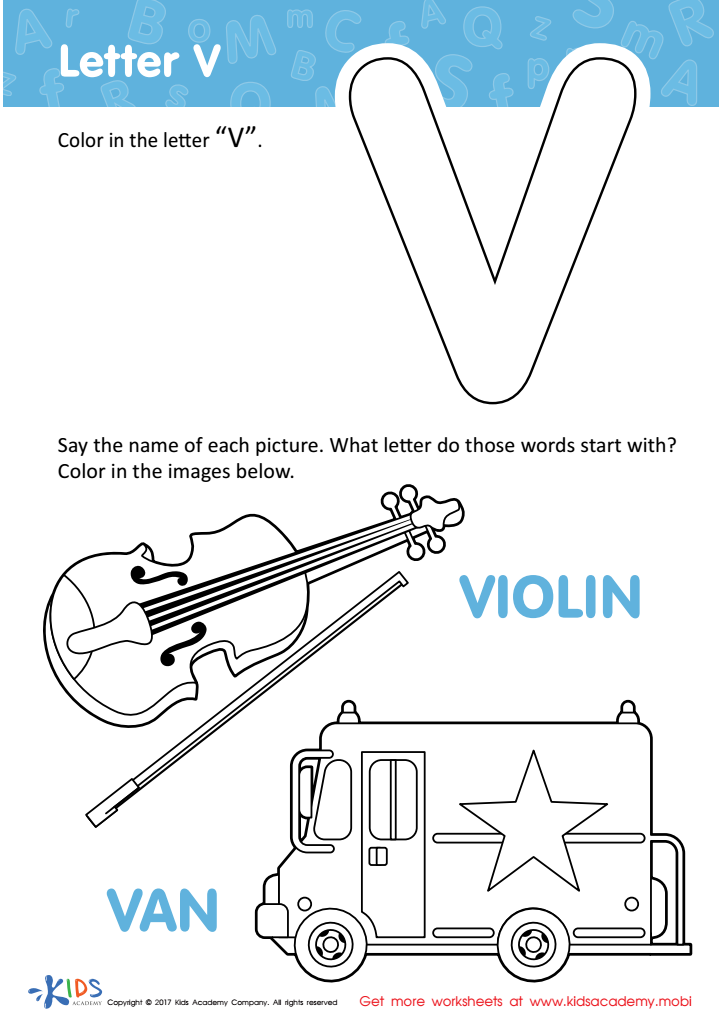
Letter V Coloring Sheet
Assign to My Students
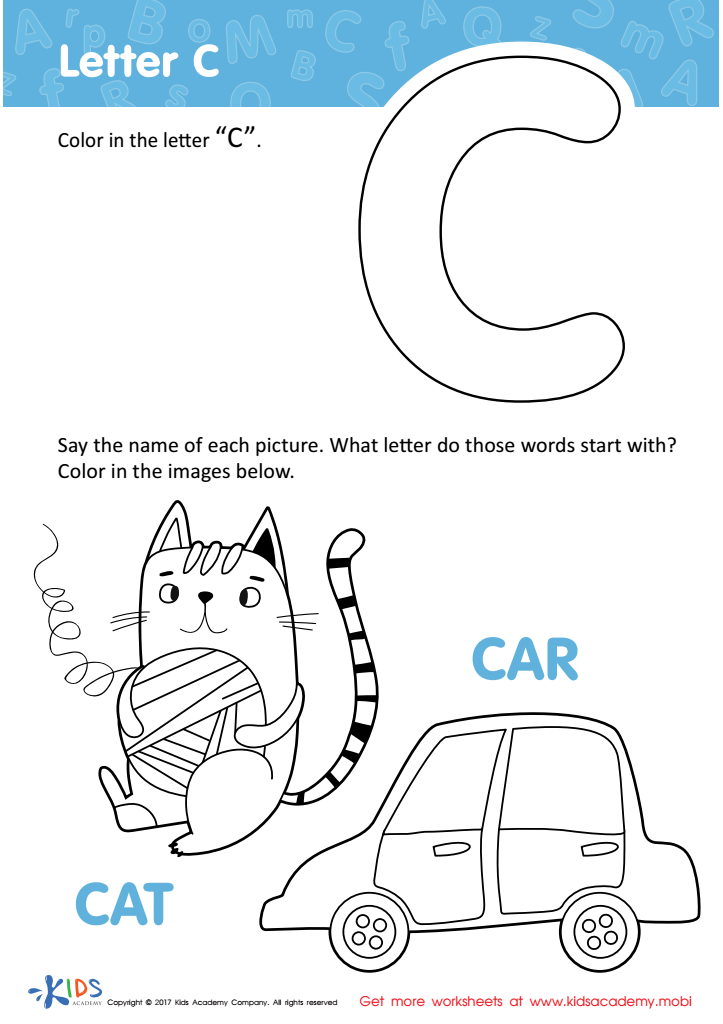
Letter C Coloring Sheet
Assign to My Students
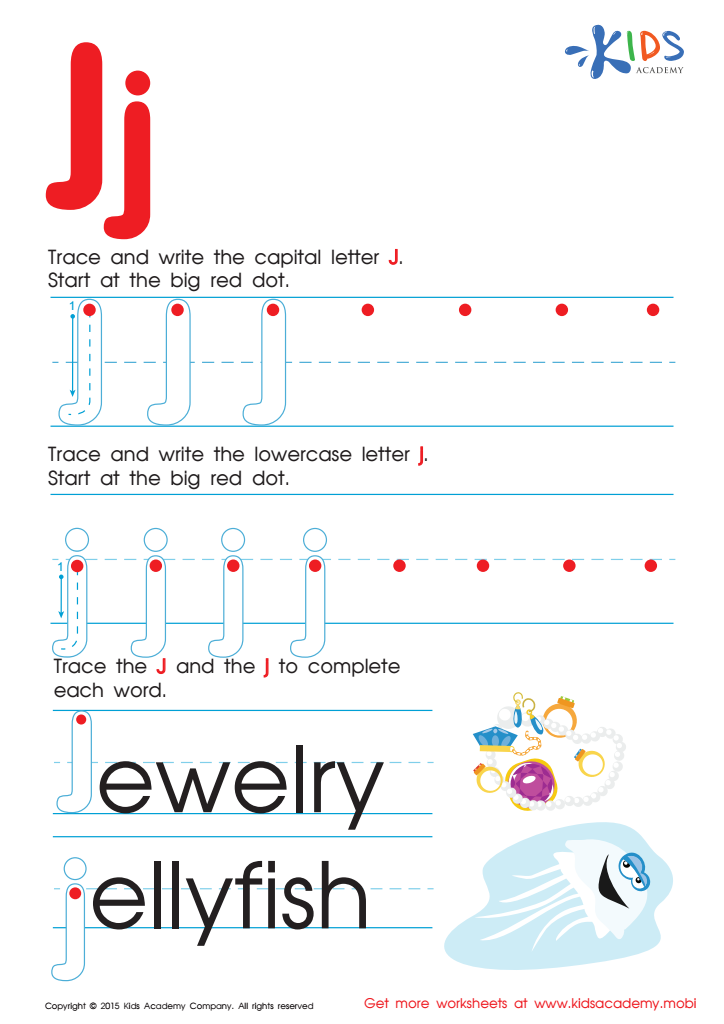
Letter J Tracing Page
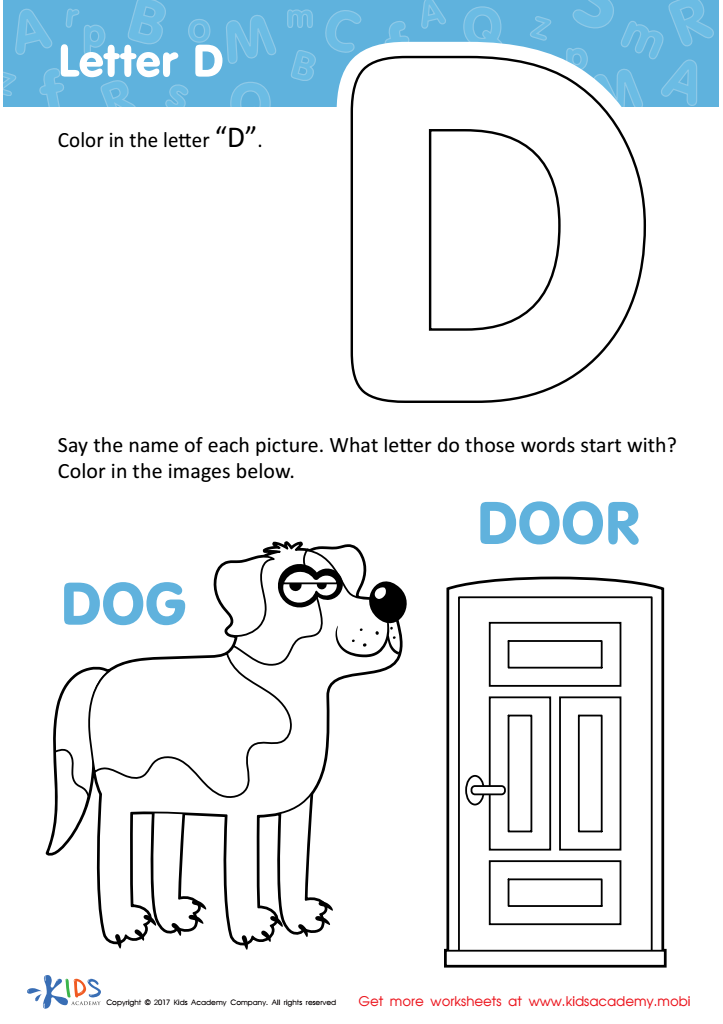
Letter D Coloring Sheet
Assign to My Students
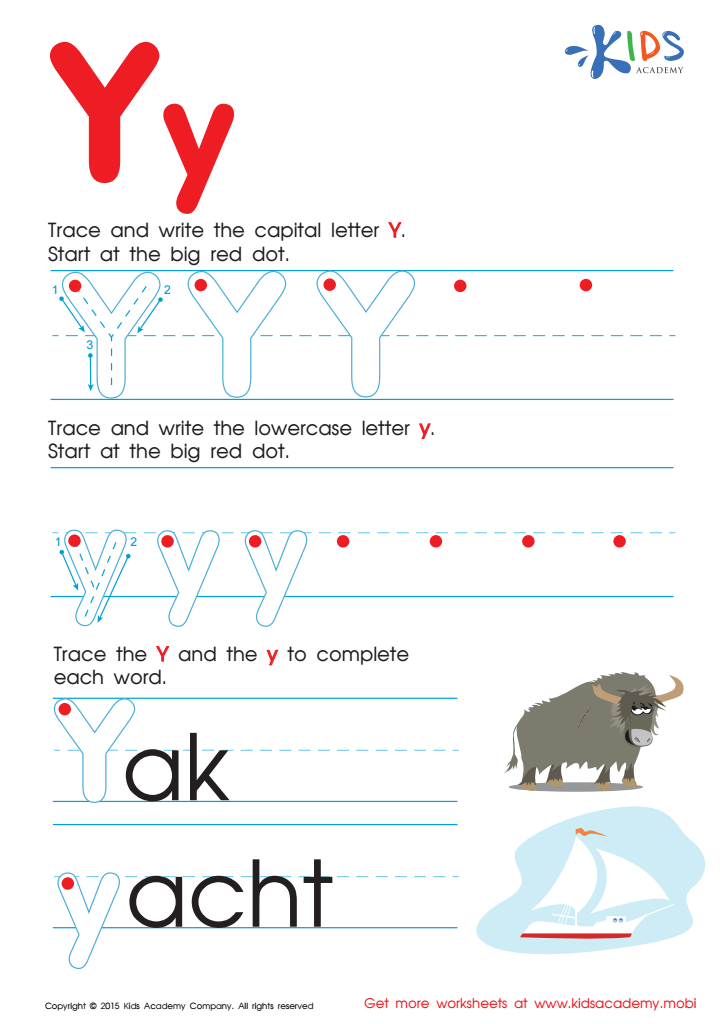
Letter Y Tracing Page
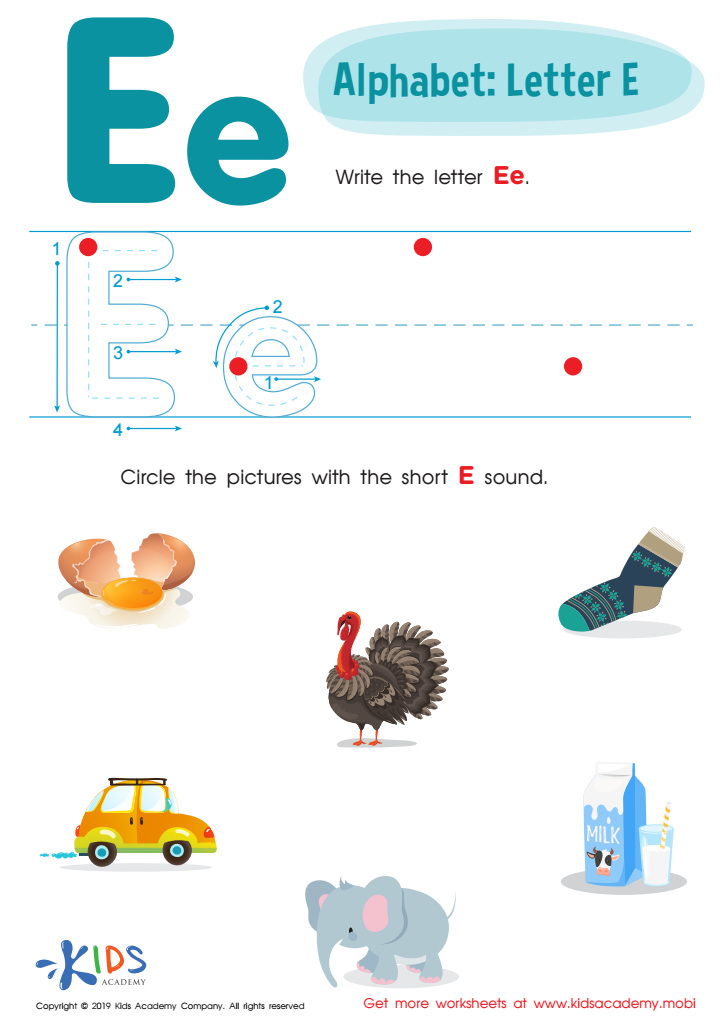
Letter E Tracing Worksheet
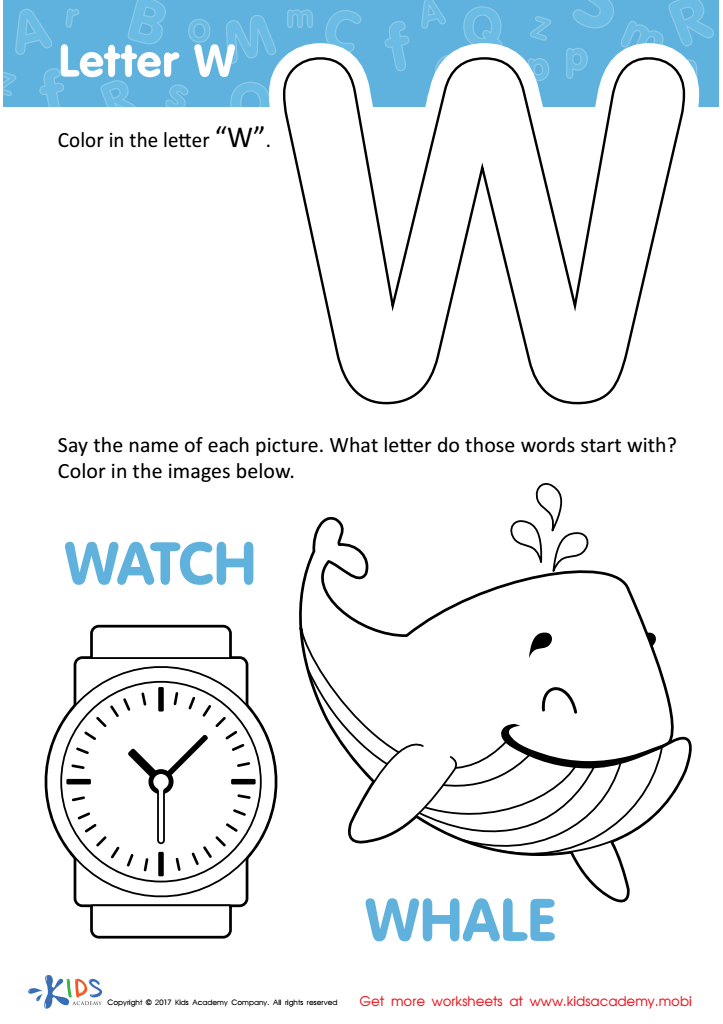
Letter W Coloring Sheet
Assign to My Students
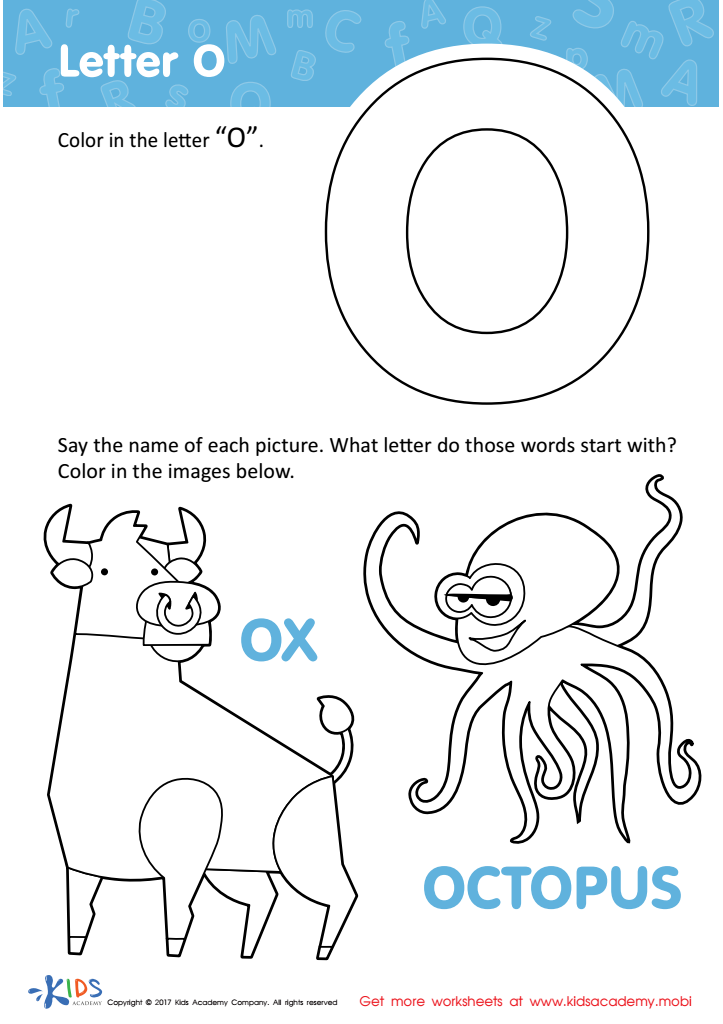
Letter O Coloring Sheet
Assign to My Students





Alphabet recognition is a foundational skill crucial for children aged 4-7 as they embark on their journey into reading and writing. For parents and teachers, fostering this skill is essential because it lays the groundwork for future literacy development. Recognizing letters helps children connect sounds to symbols, ultimately enabling them to decode words and understand written language.
Furthermore, early alphabet recognition positively impacts cognitive development. Familiarity with letters boosts memory, attention, and phonemic awareness—all vital components of effective learning. When children can recognize letters, they gain confidence in their reading abilities, making the learning process more enjoyable and engaging.
Additionally, alphabet recognition contributes to overall school readiness. Children who master this skill are often better prepared for formal schooling, as they can participate actively in classroom activities focused on literacy. Engaging with letters promotes curiosity and a love for reading, which can set the stage for lifelong learning.
Finally, positive reinforcement from both parents and teachers can enhance a child's interest in letters. Simple activities, games, and stories can make learning fun, turning alphabet recognition into an exciting challenge rather than a chore. Thus, fostering this crucial skill should be a priority for everyone involved in a child's education.