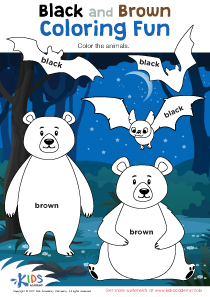
Letter recognition English for Beginners Worksheets for Ages 4-7
41 filtered results
-
From - To
Discover the perfect tools to help your child master letter recognition with our engaging "Letter Recognition English for Beginners Worksheets" for ages 4-7. These expertly designed worksheets introduce young learners to both uppercase and lowercase letters through interactive activities such as coloring, tracing, and matching games. Perfect for building foundational reading skills, each worksheet combines fun illustrations with purposeful exercises to captivate and educate early learners. Whether for home use or classroom supplement, these worksheets support early literacy development and boost confidence in young English learners. Get started today and watch your child’s reading journey take flight!
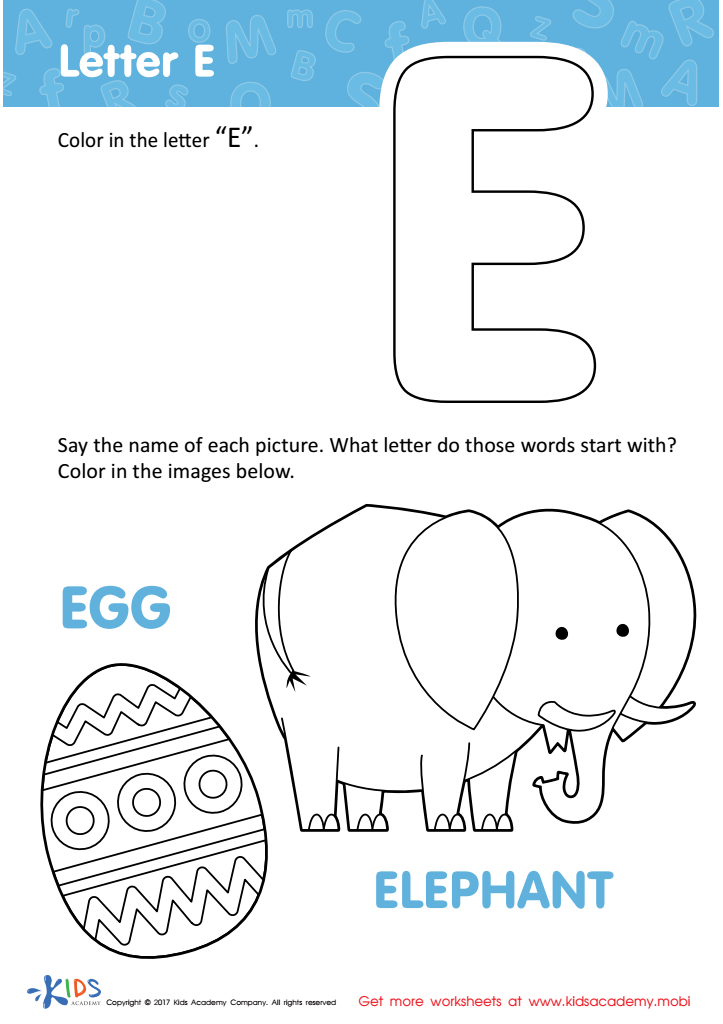
Letter E Coloring Sheet
 Assign to My Students
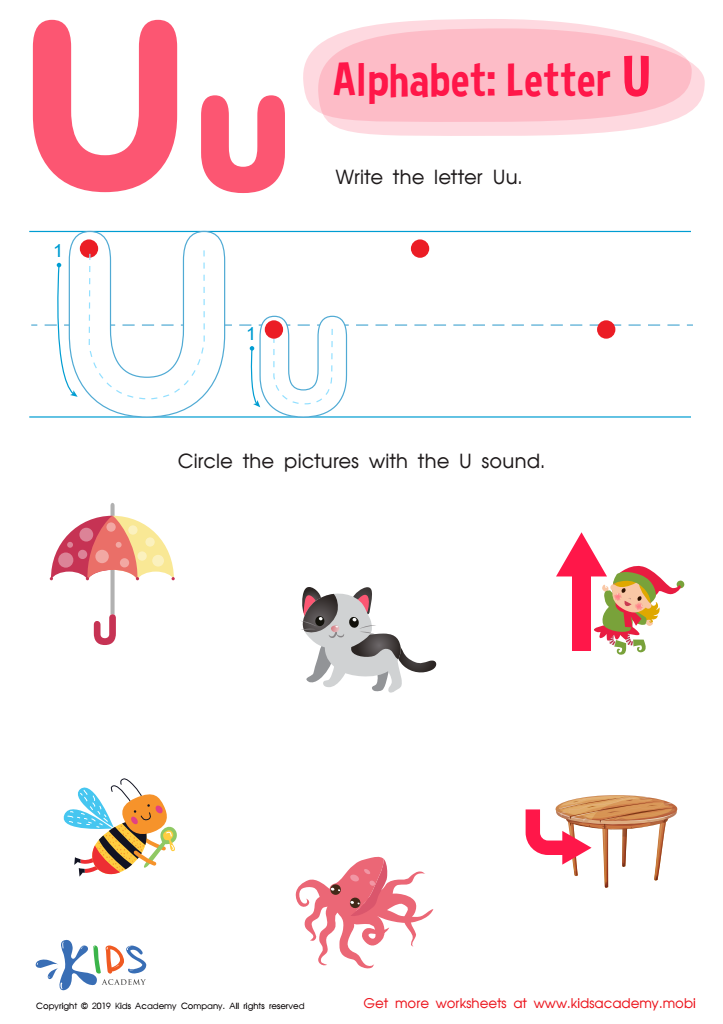
Letter U Tracing Worksheet
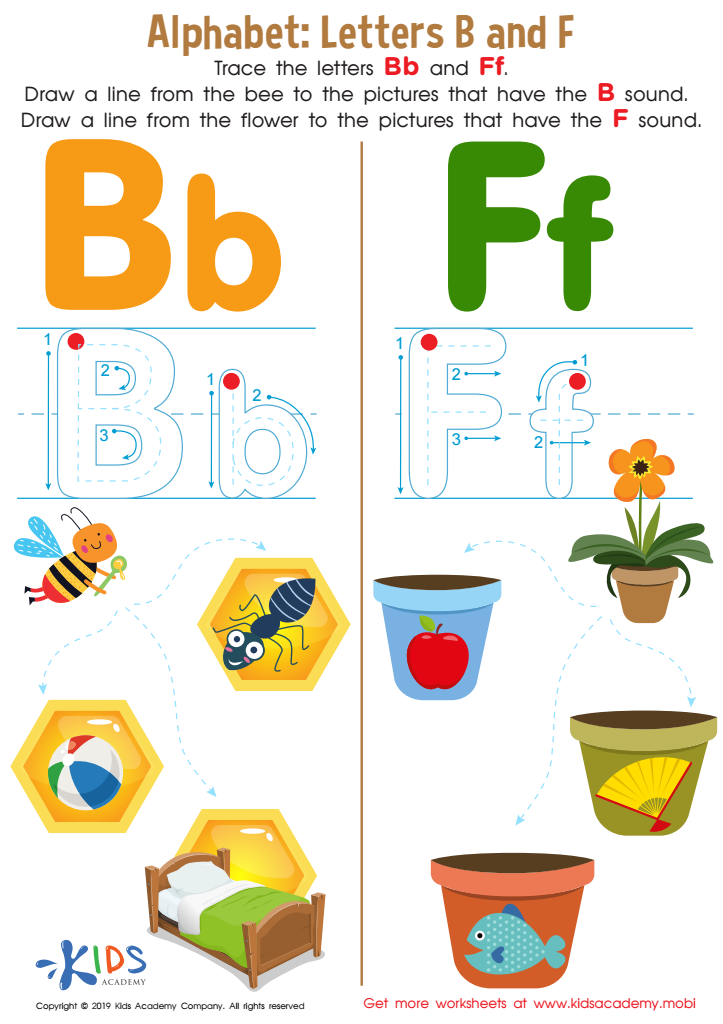
Letters B and F Tracing Worksheet
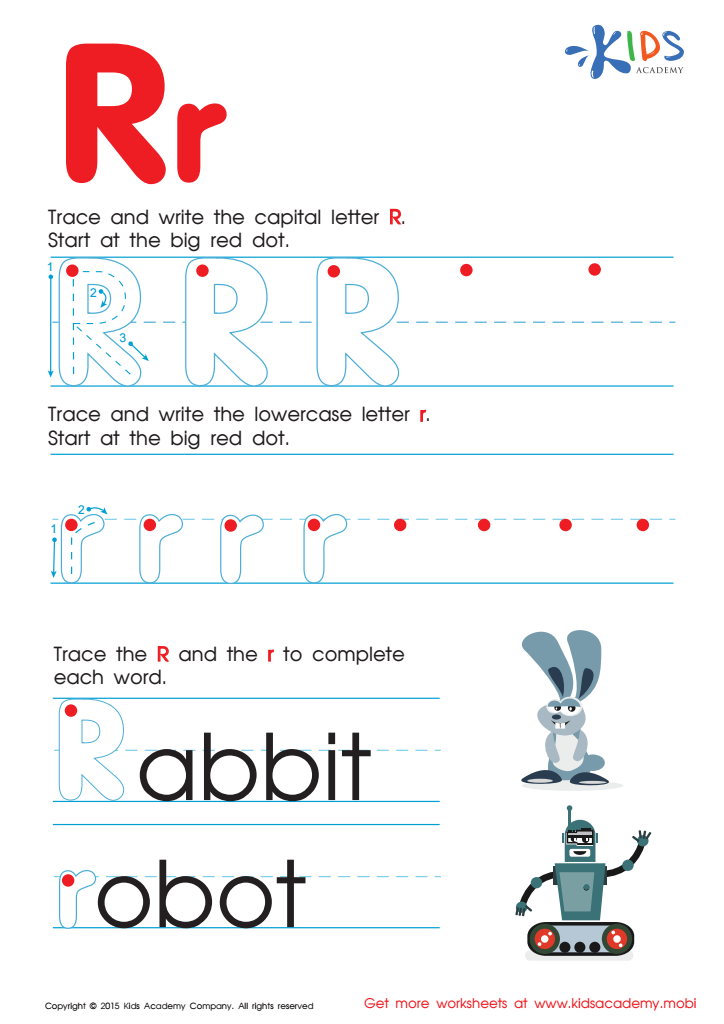
Letter R Tracing Page
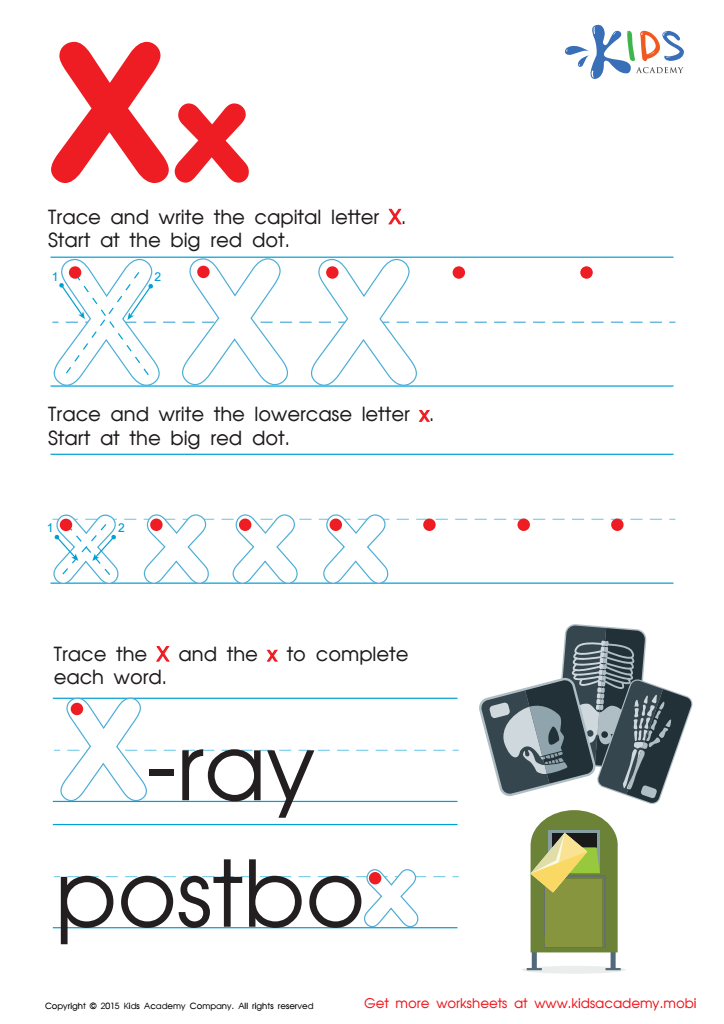
Letter X Tracing Page
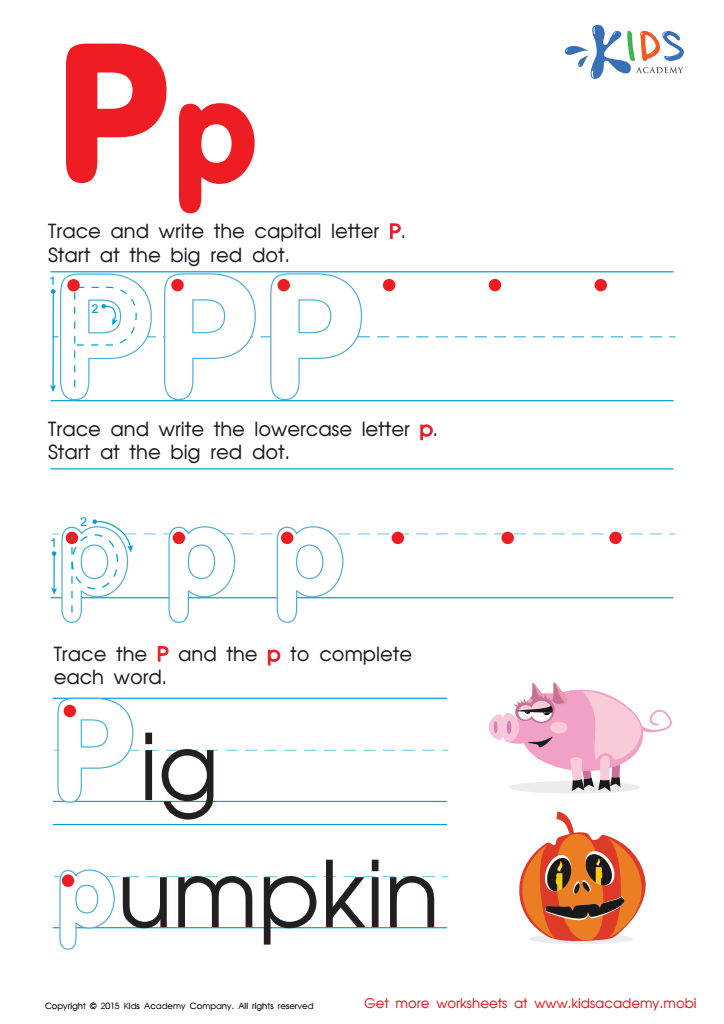
Letter P Tracing Page
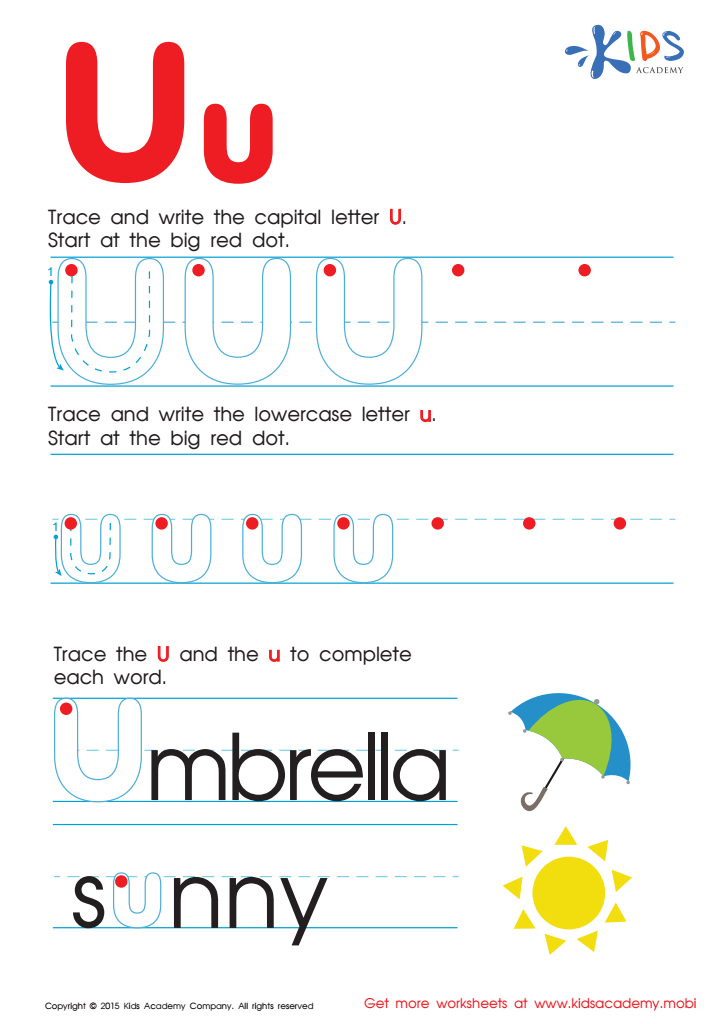
Letter U Tracing Page
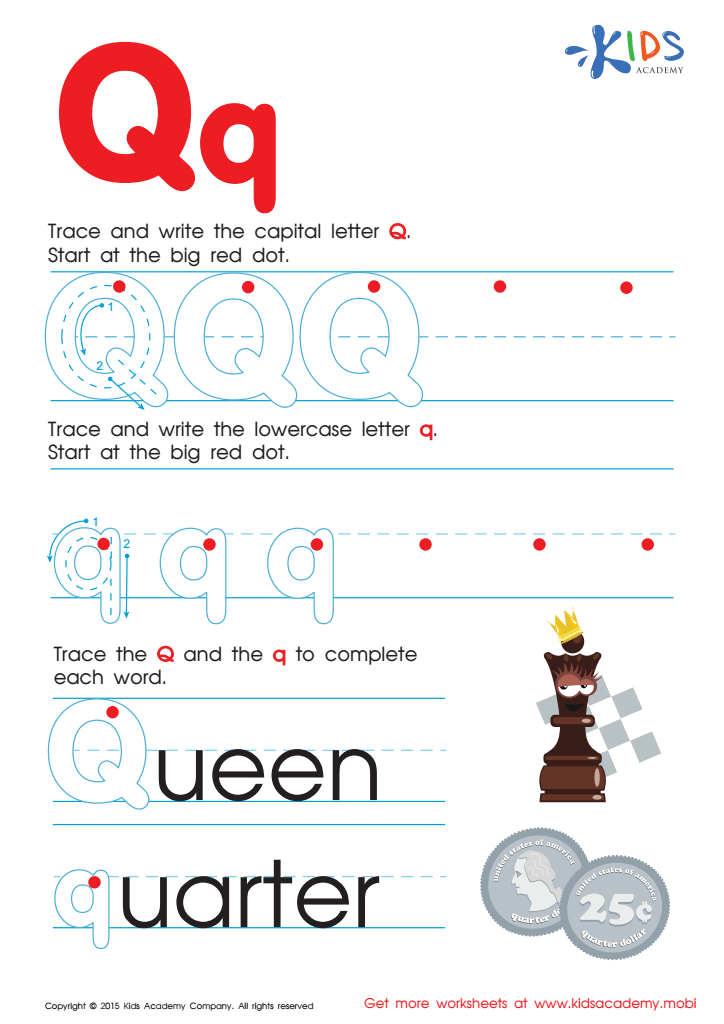
Letter Q Tracing Page
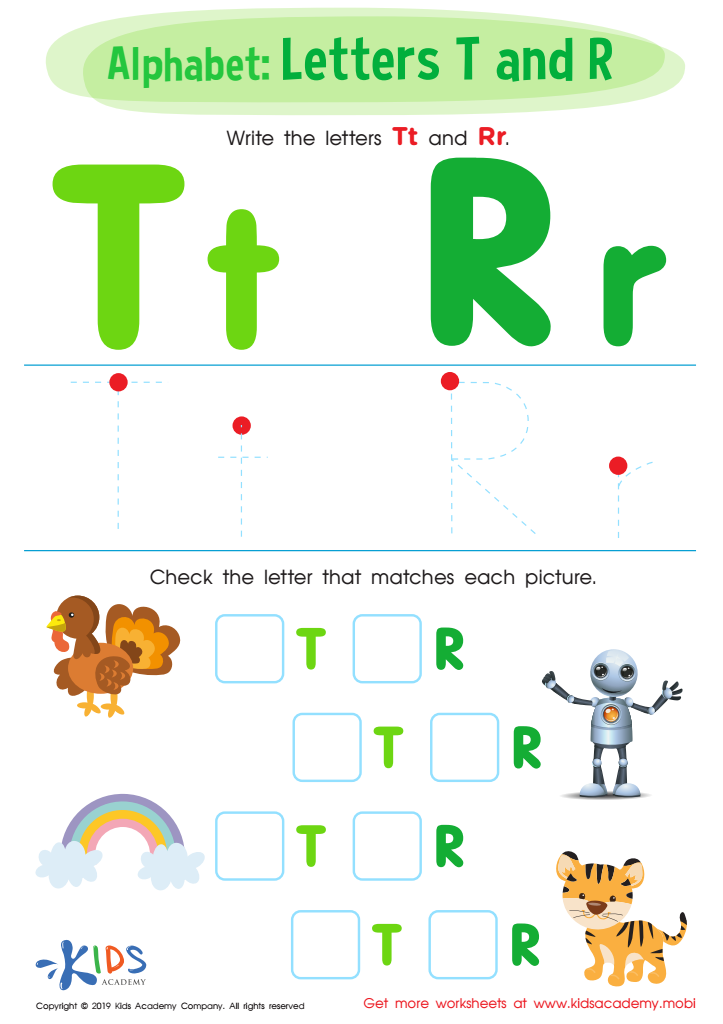
Letters T and R Worksheet
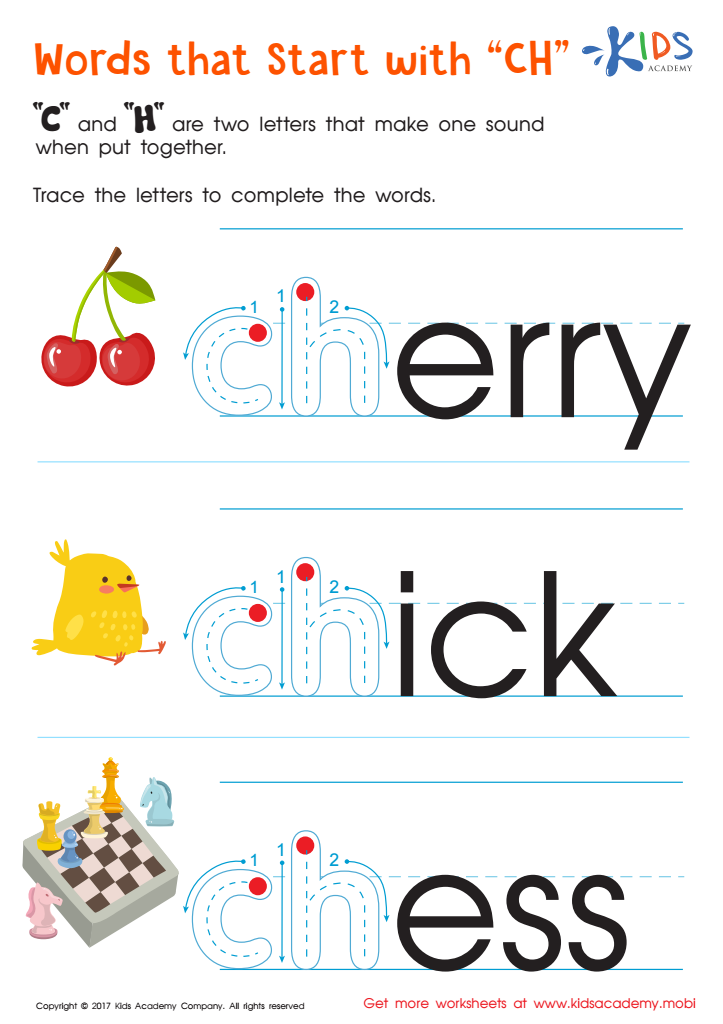
Words That Start with "ch" Spelling Worksheet
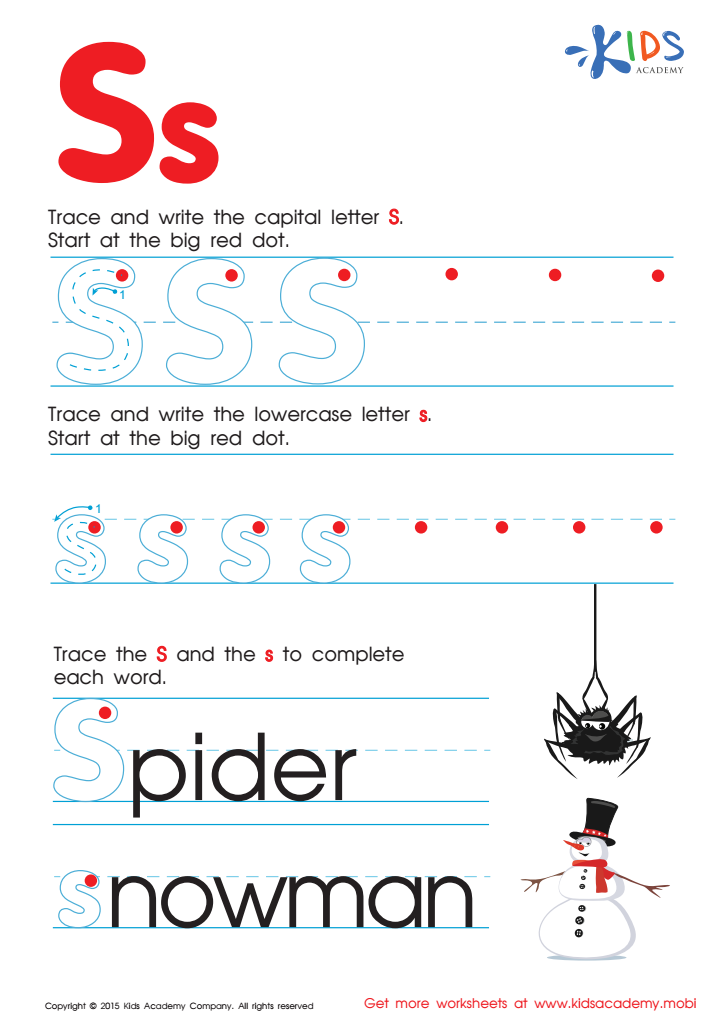
Letter S Tracing Page
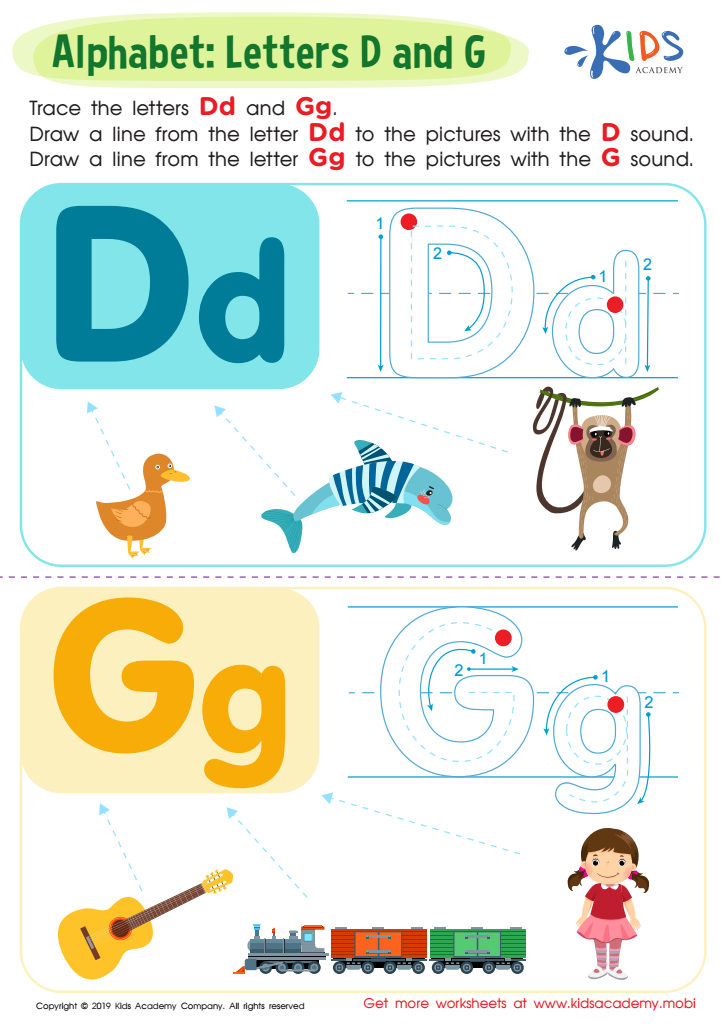
Letter D and G Tracing Worksheet
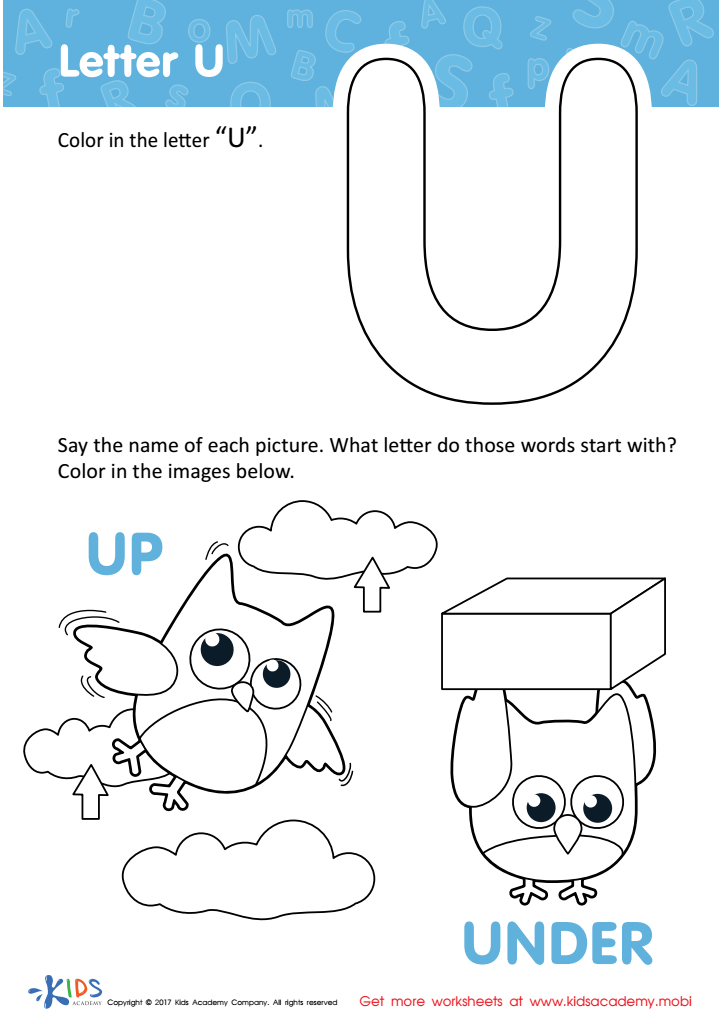
Letter U Coloring Sheet
Assign to My Students
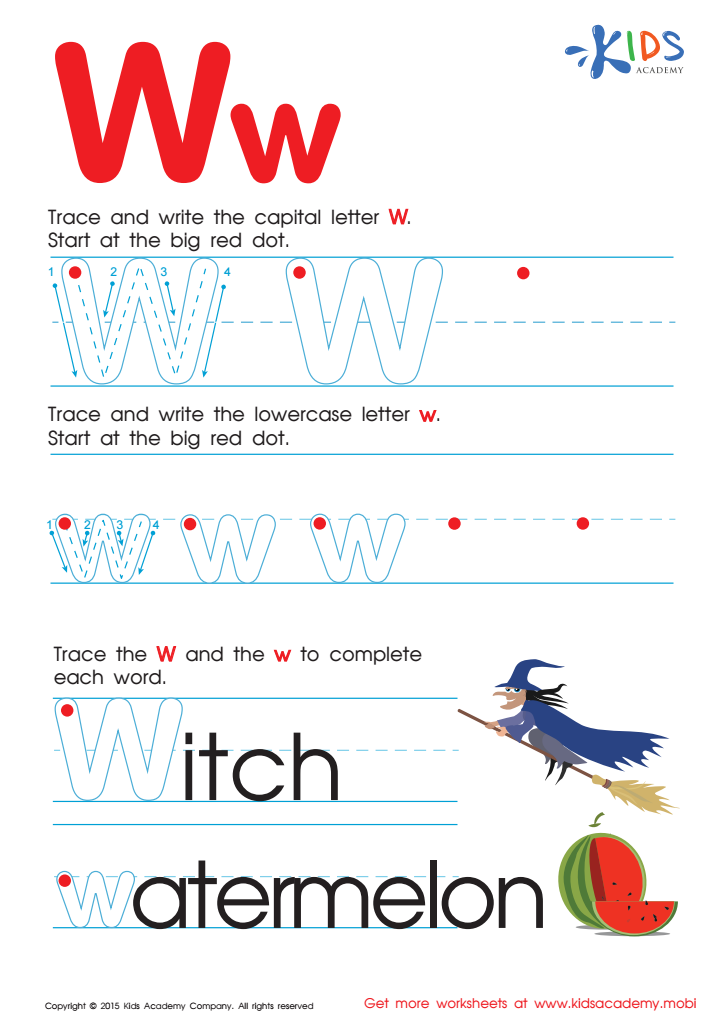
Letter W Tracing Page

Letter H Tracing Page
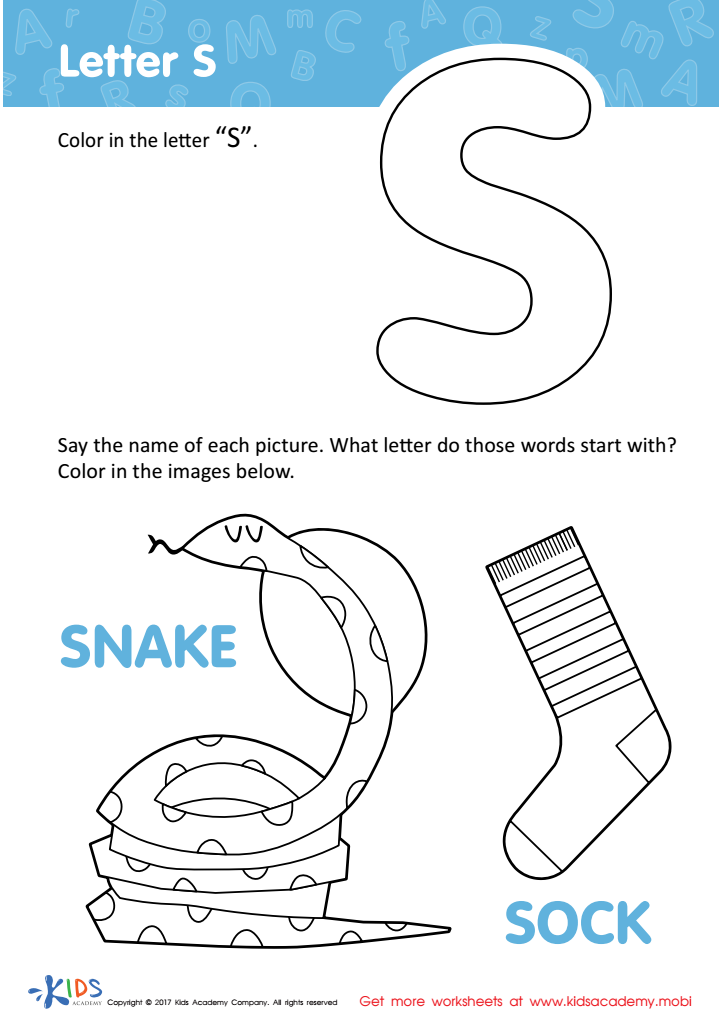
Letter S Coloring Sheet
Assign to My Students
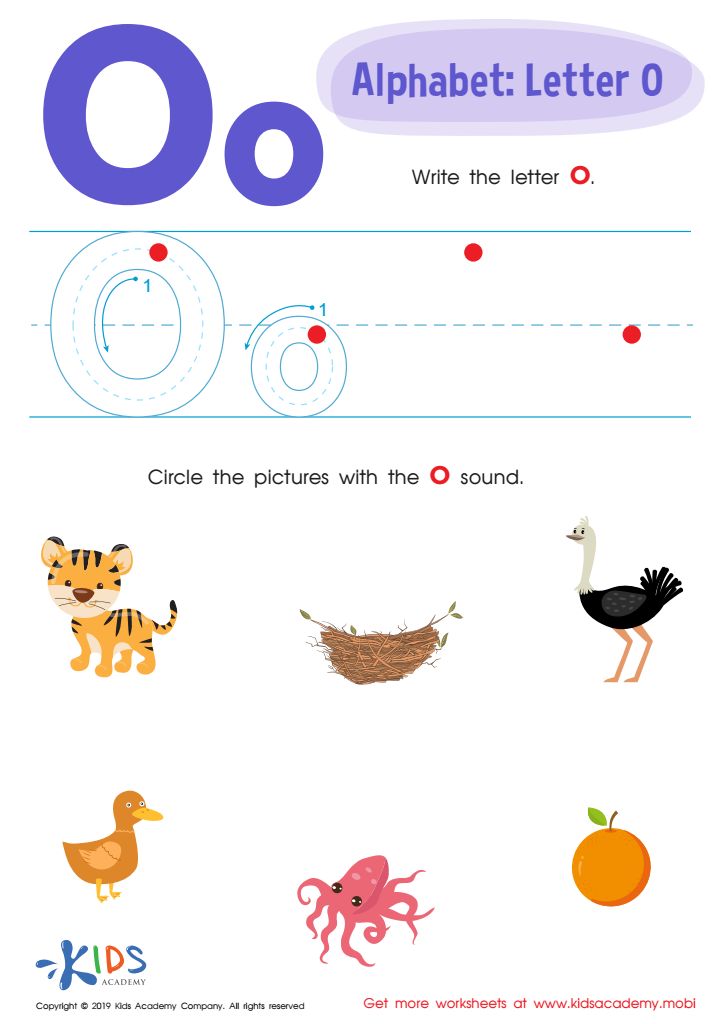
Letter O Tracing Worksheet
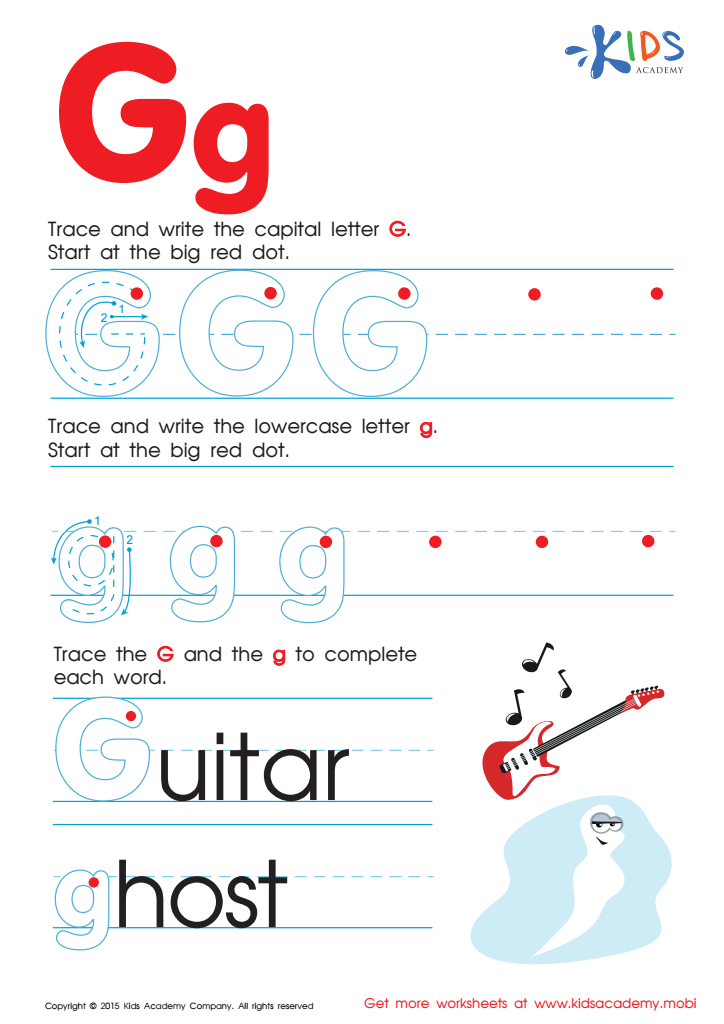
Letter G Tracing Page
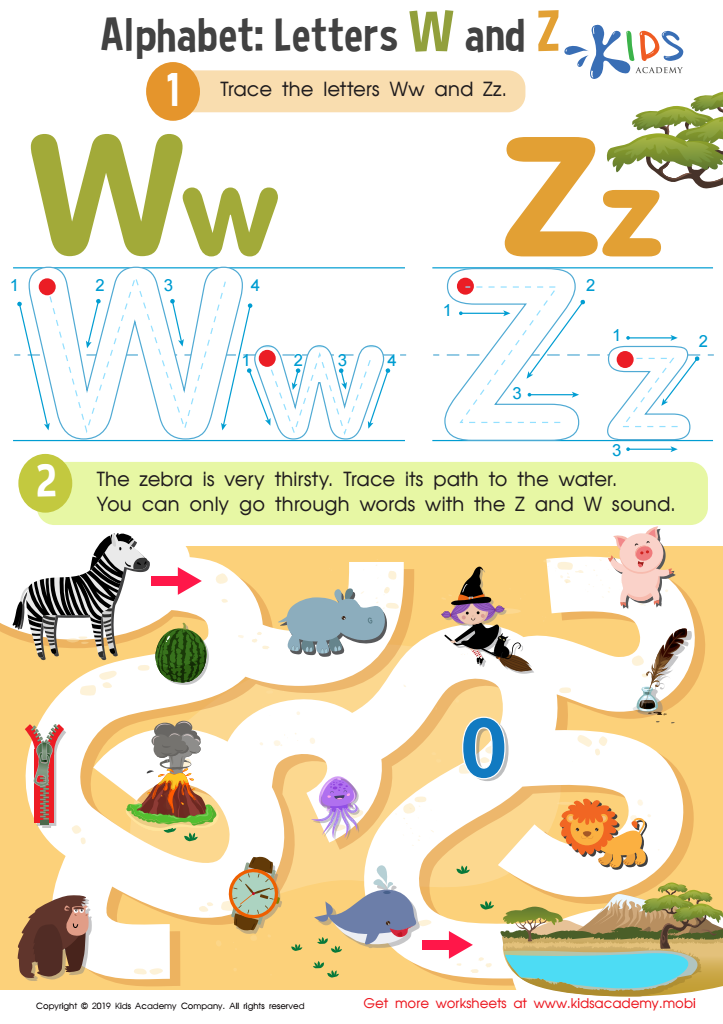
Letters W and Z Tracing Worksheet
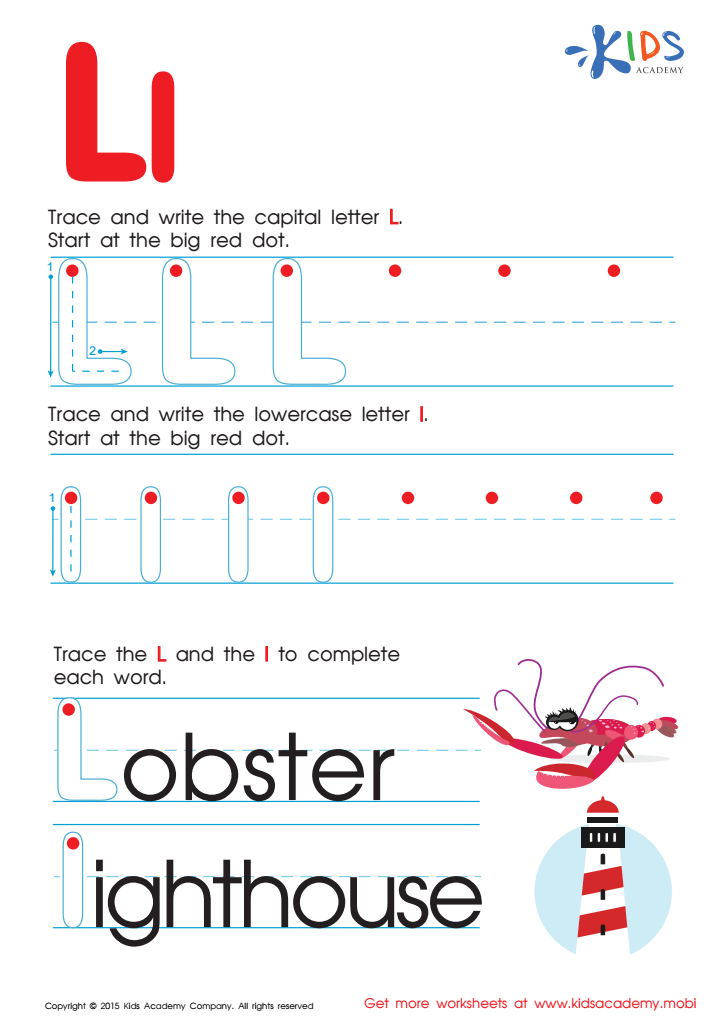
Letter L Tracing Page
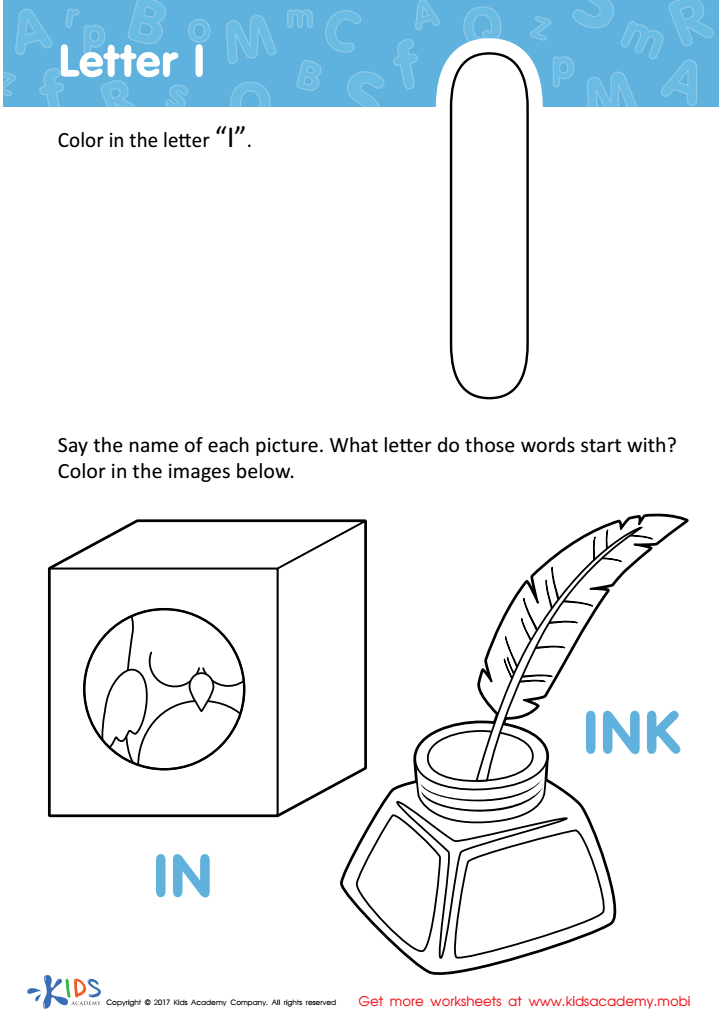
Letter I Coloring Sheet
Assign to My Students
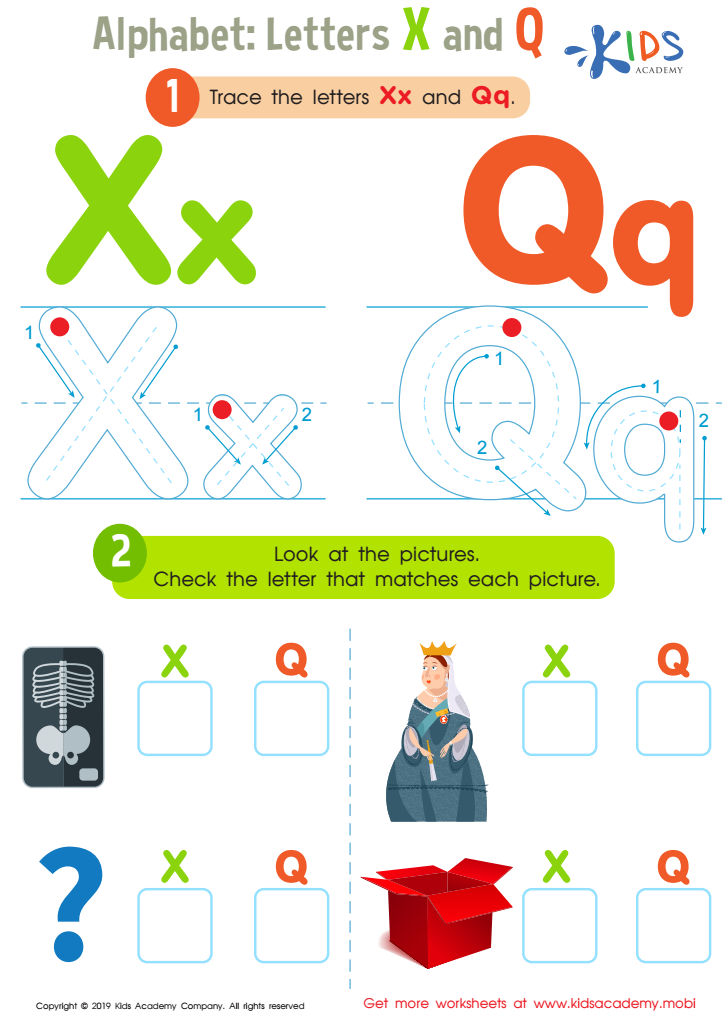
Letters X and Q Tracing Worksheet
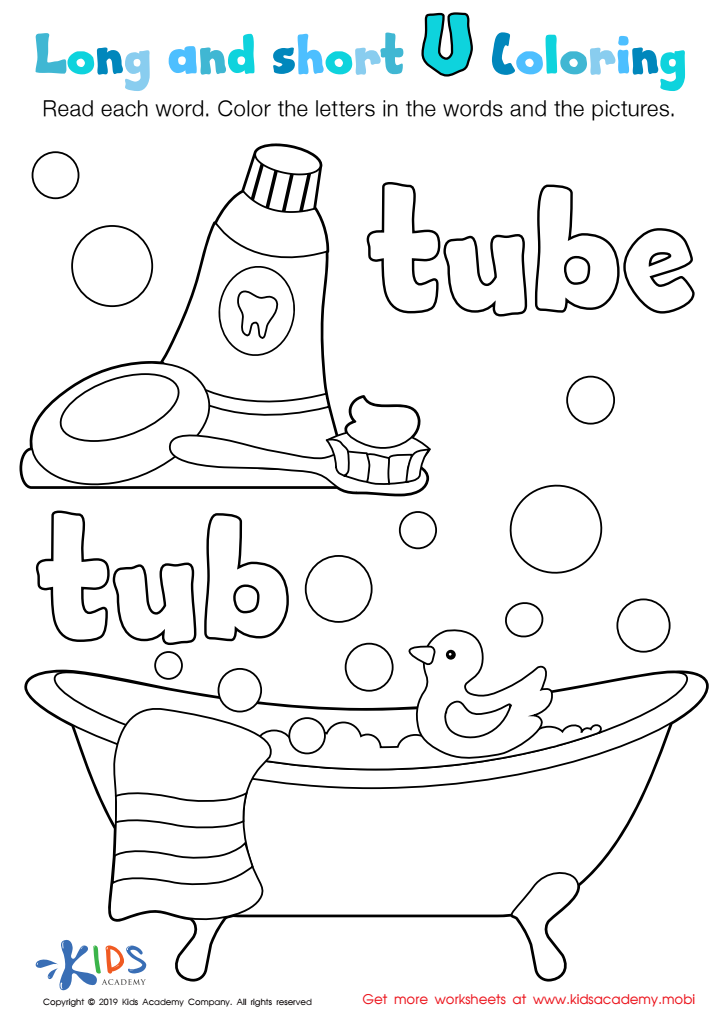
Long and Short U Worksheet
Assign to My Students
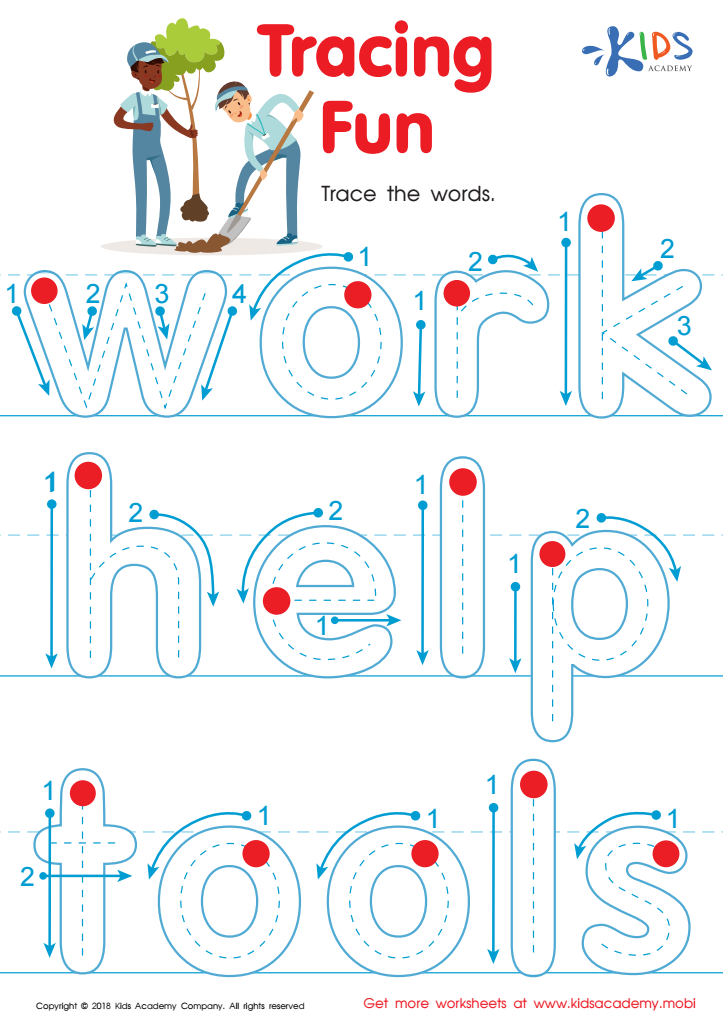
Tracing Fun Worksheet





Letter recognition is a fundamental milestone in early childhood education, essential for ages 4-7. When parents and teachers focus on this skill, they are laying the foundation for a child's reading and writing abilities. At this formative stage, children are highly receptive to learning new concepts, and recognizing letters helps them understand that each symbol represents specific sounds and meanings. This awareness is crucial for phonetic development, where children learn how letters combine to form words.
Early letter recognition also boosts children's confidence and enthusiasm for learning. When young learners can identify letters, they are more likely to engage in activities like reading books, recognizing street signs, or even typing on a keyboard. These experiences enrich their vocabulary and comprehension skills.
Moreover, research shows a direct correlation between early letter recognition and later reading proficiency. Children adept at recognizing letters often perform better academically, not only in literacy but across various subjects. This early advantage improves their chances of success throughout their educational journey.
By prioritizing letter recognition, parents and teachers provide children with essential tools for academic achievement and lifelong learning. In summary, early mastery of this skill fosters cognitive development, enhances self-confidence, and establishes a strong educational foundation, making it a crucial focus for parents and teachers alike.