Alphabet Recognition Worksheets for Ages 4-7
72 filtered results
-
From - To
Our "Alphabet Recognition Worksheets for Ages 4-7" are thoughtfully designed to make learning fun and engaging for young learners. Tailored specifically for kids, these worksheets incorporate vibrant illustrations, interactive activities, and captivating games that help children recognize and differentiate between letters. Perfect for both classroom and home learning, these resources not only foster foundational literacy skills but also enhance fine motor development. Each worksheet offers a comprehensive approach to alphabet mastery, ensuring that your child gains confidence in their reading journey. Discover the joy of learning with our printable worksheets and watch your child's skills flourish!
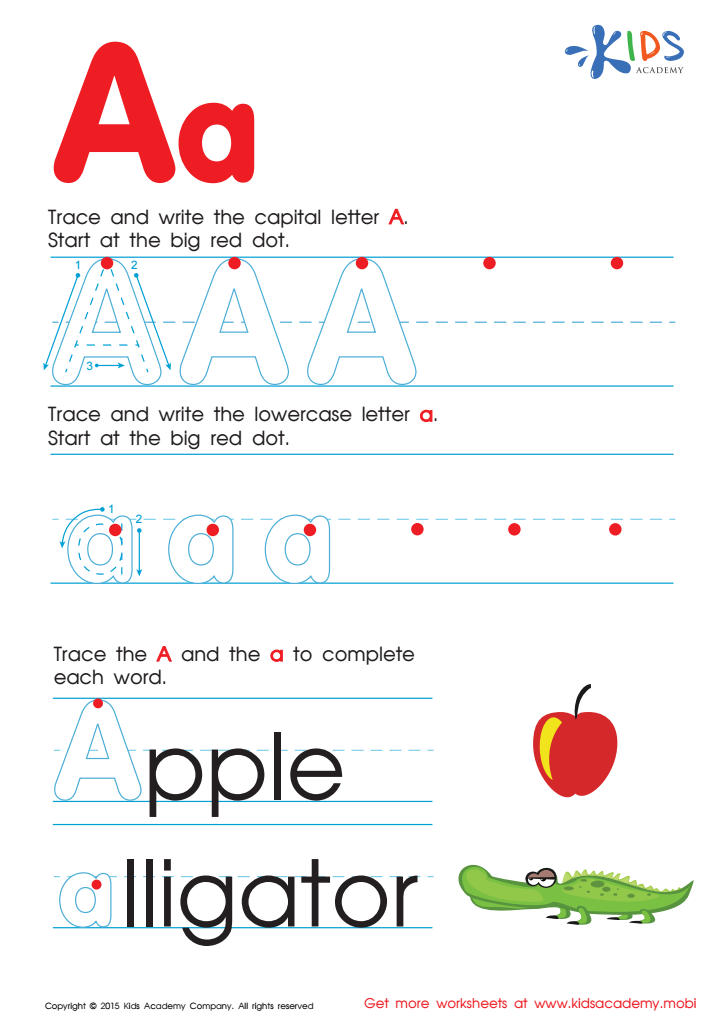
Letter A Tracing Page
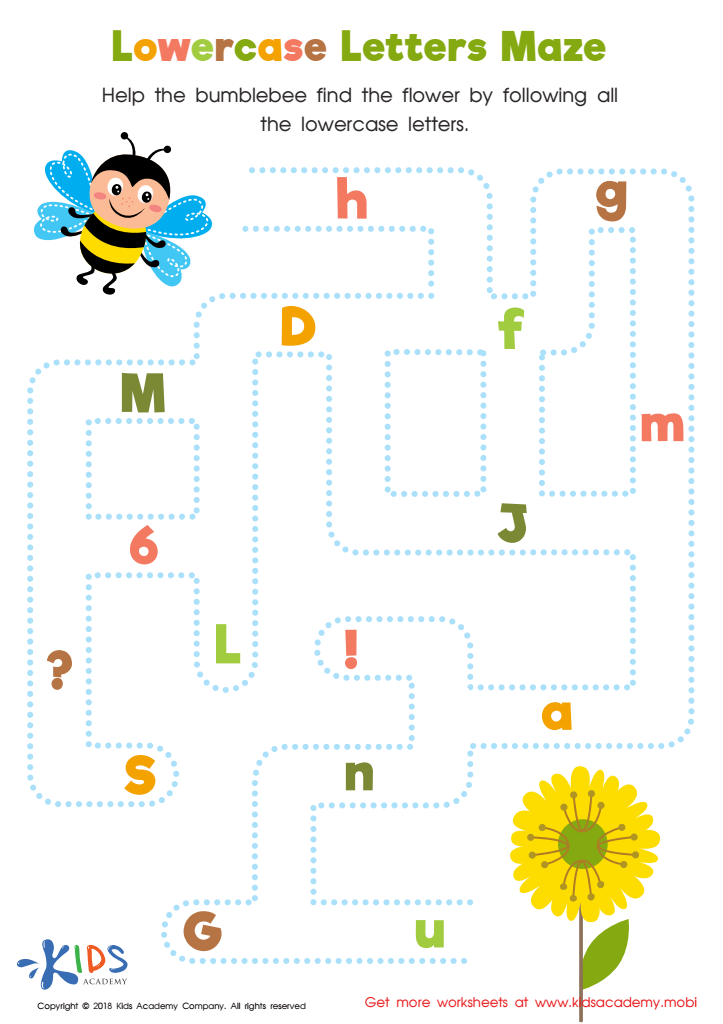
Lowercase Letters Maze Worksheet
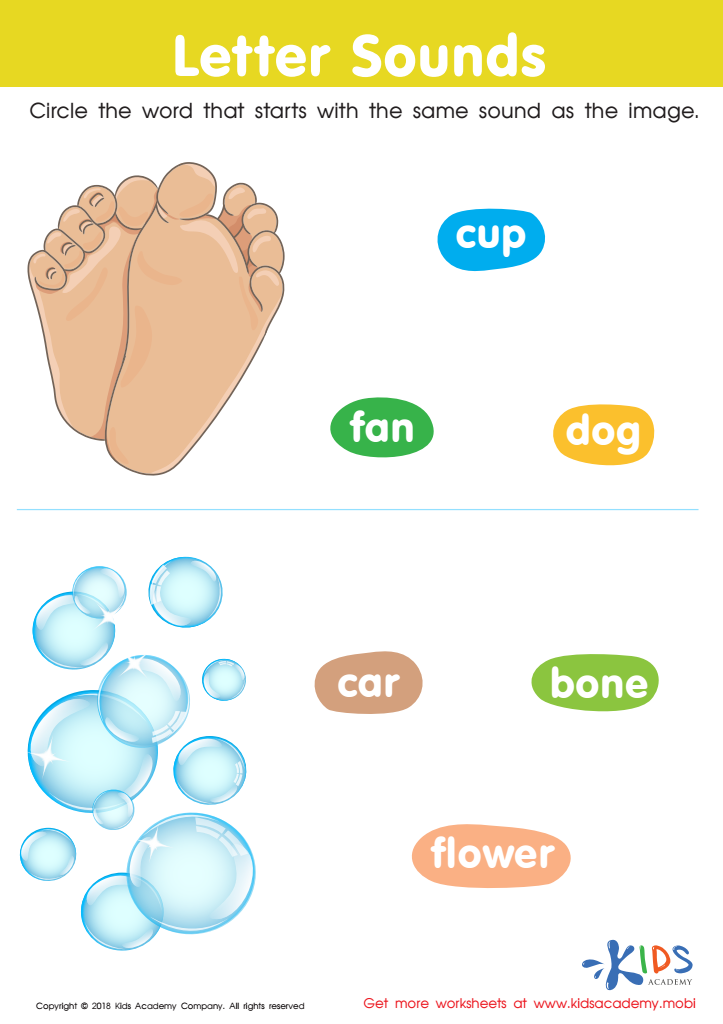
letter sounds Worksheet
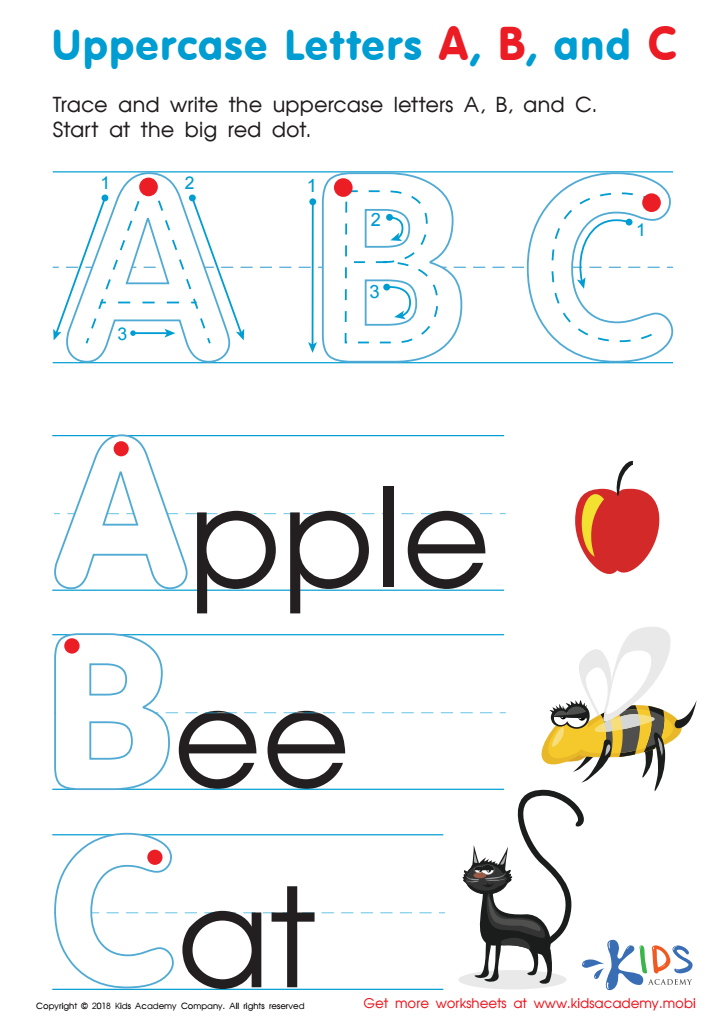
Uppercase Letters A, B, and C Worksheet
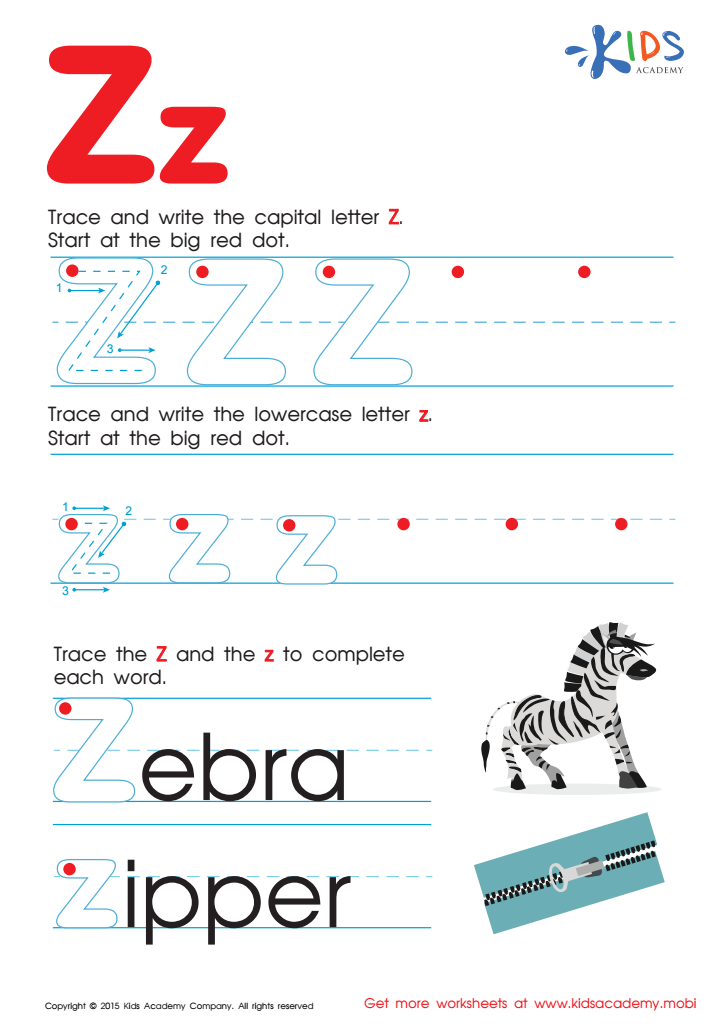
Letter Z Tracing Page
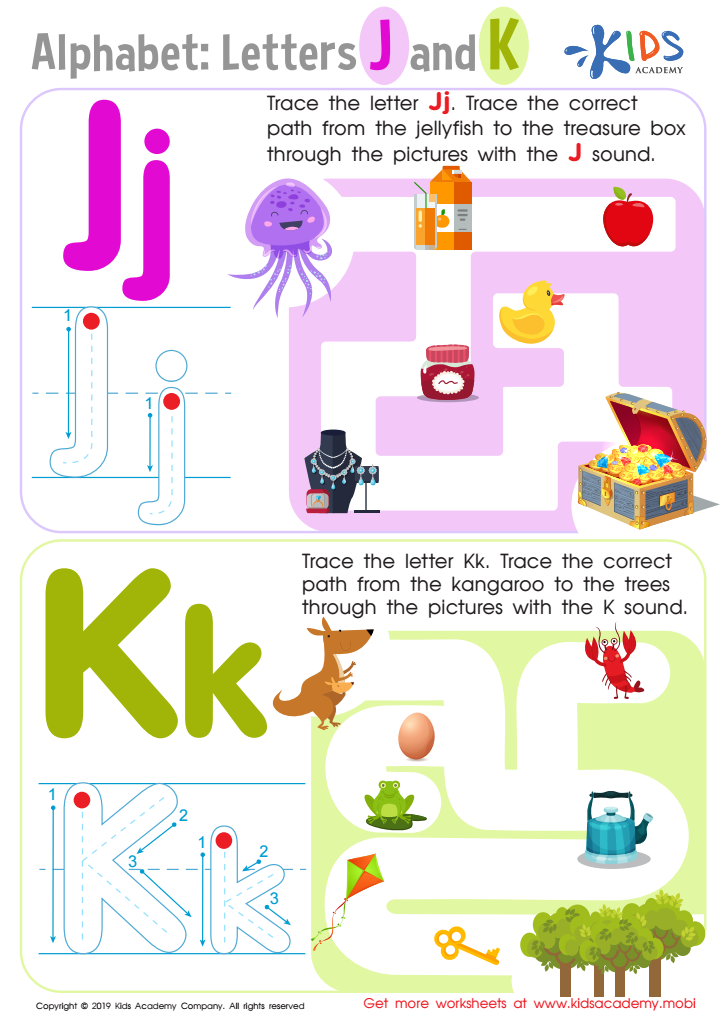
Letters J and K Tracing Worksheet
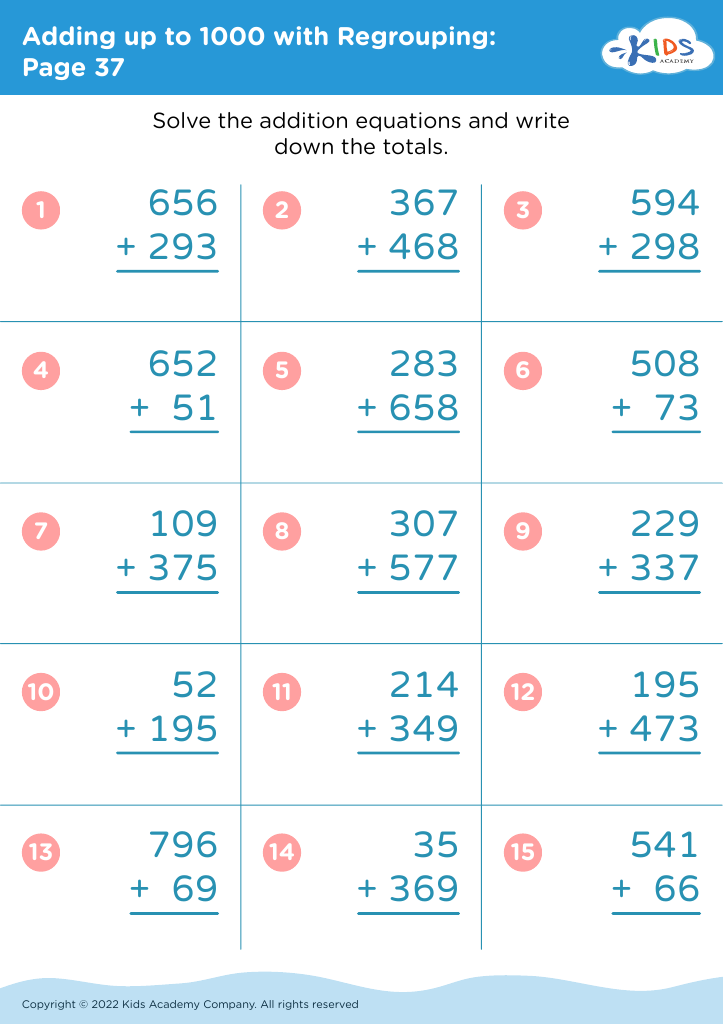
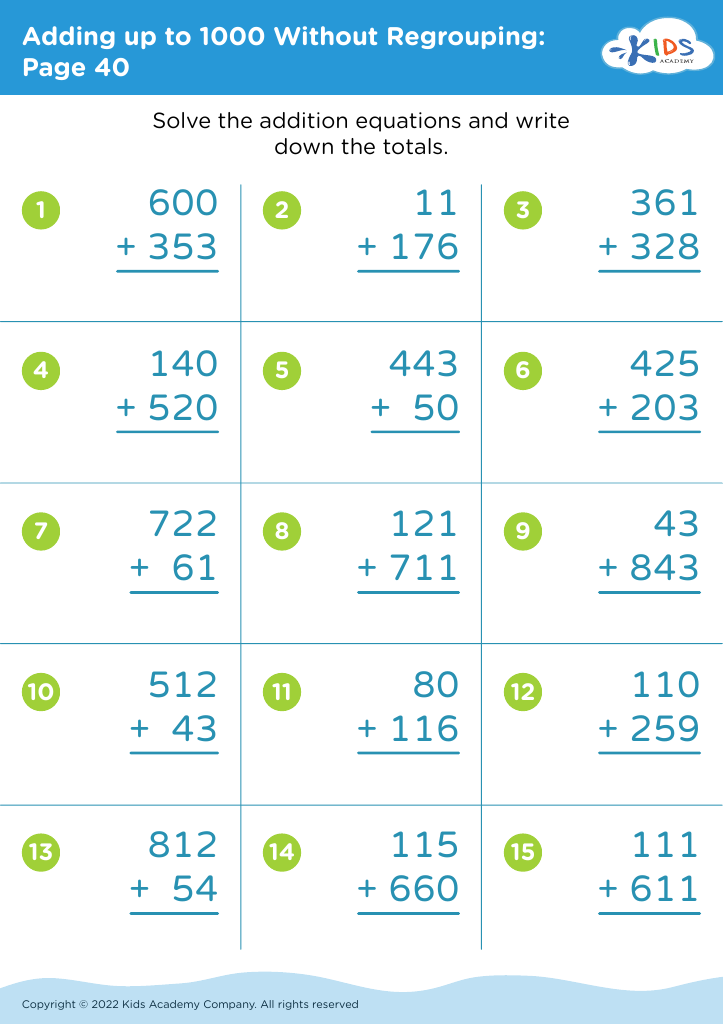
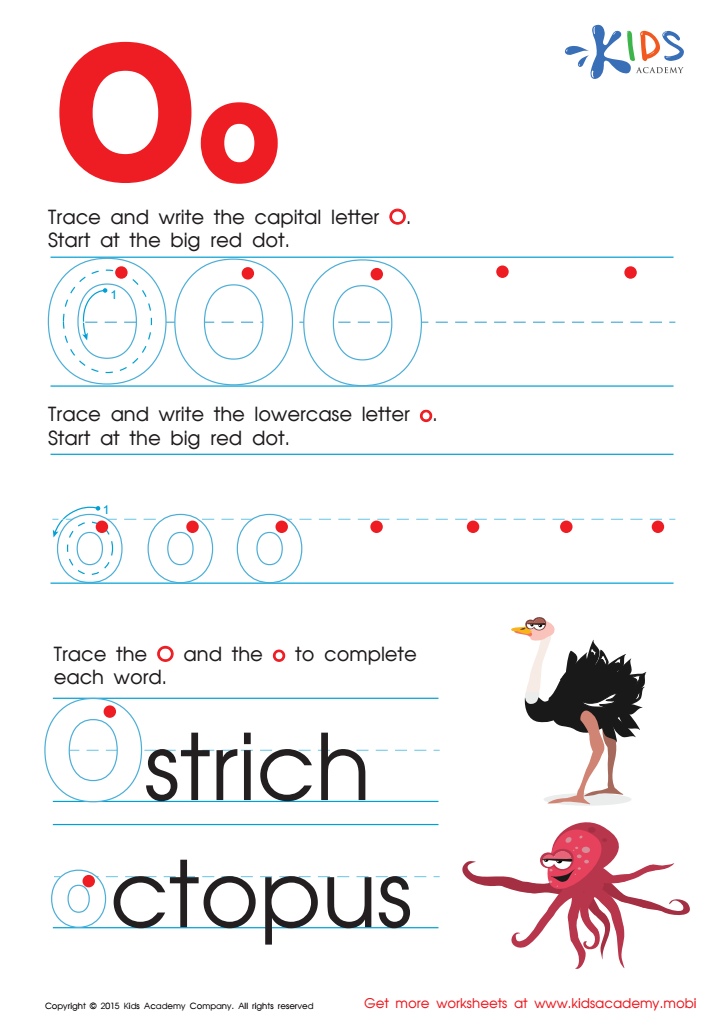
Letter O Tracing Page
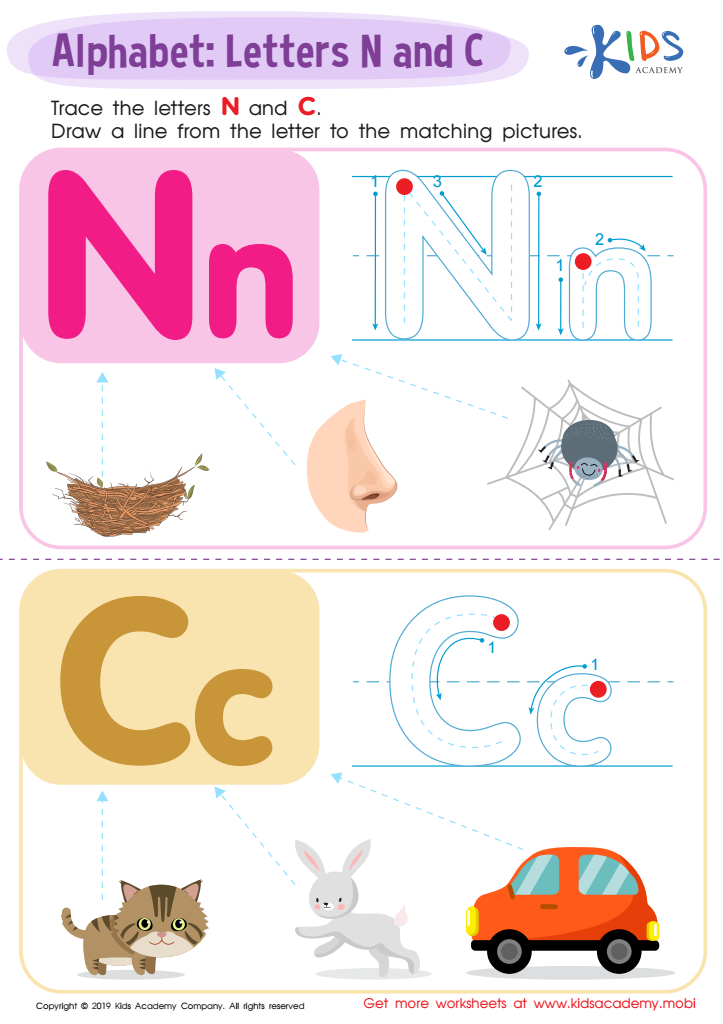
Letter N and C Tracing Worksheet
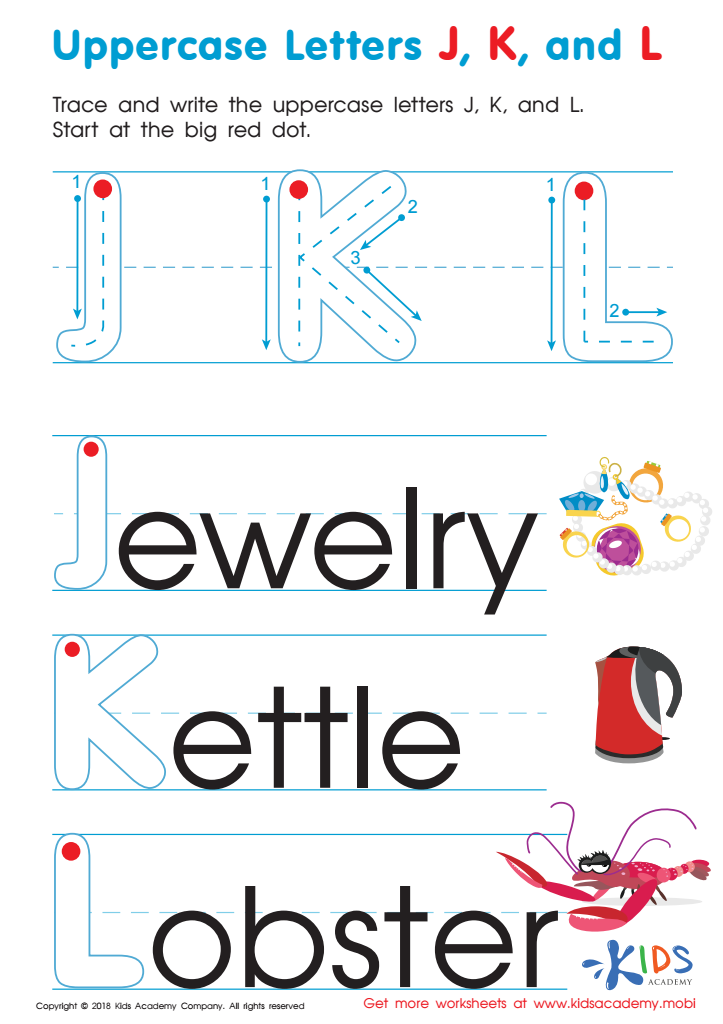
Uppercase Letters J, K, and L Worksheet
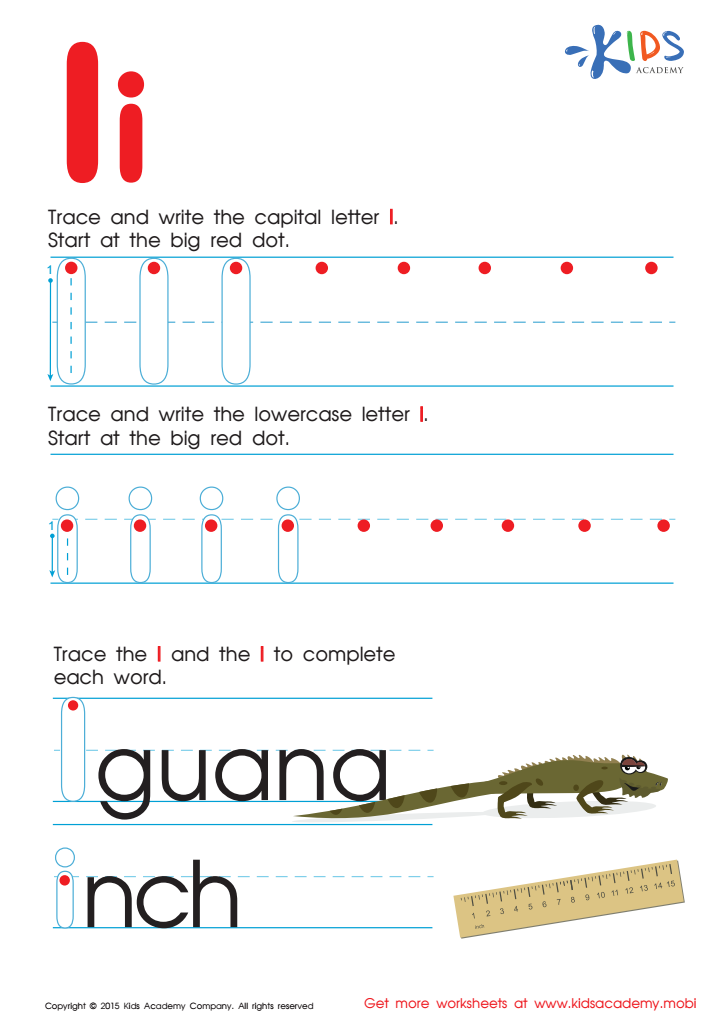
Letter I Tracing Page
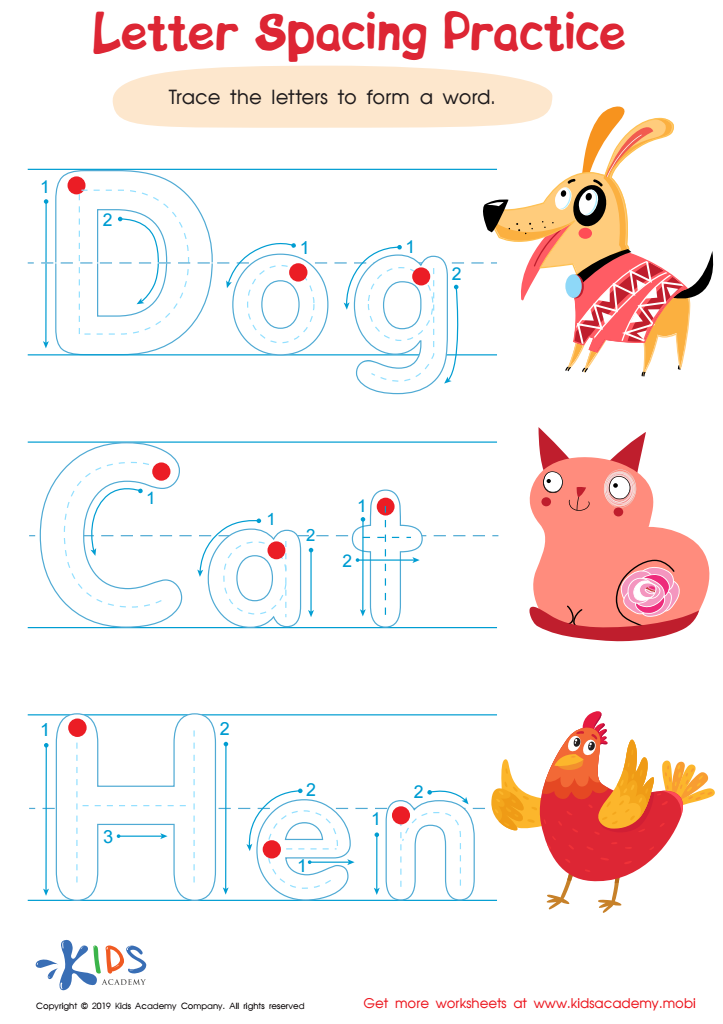
Letter Spacing Practice Worksheet
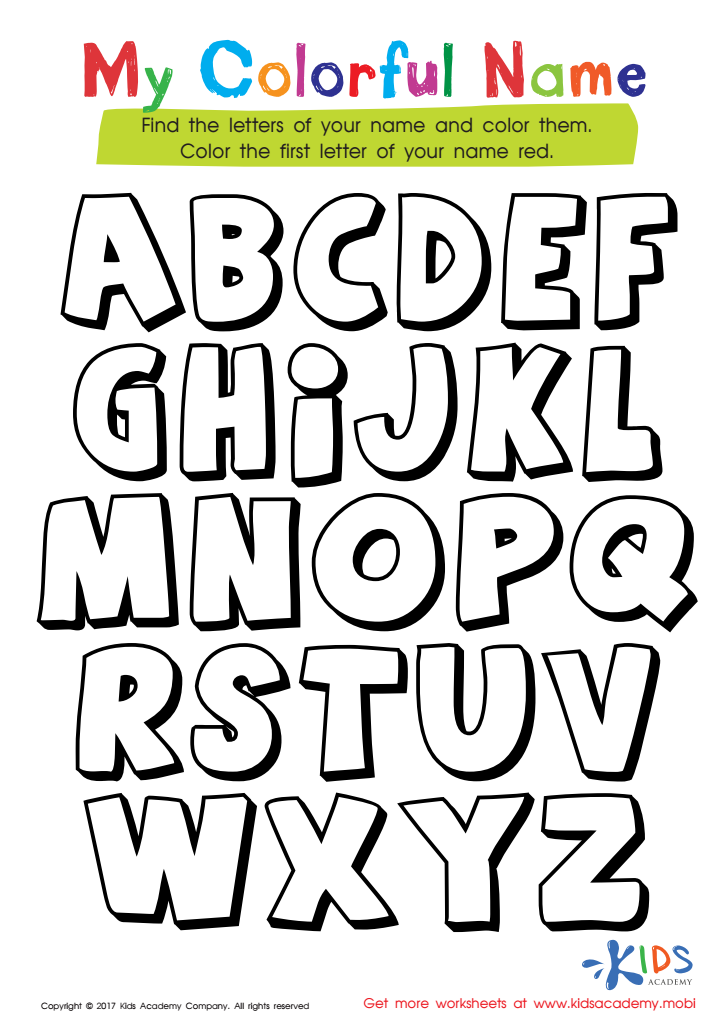
My Colorful Name Worksheet
 Assign to My Students
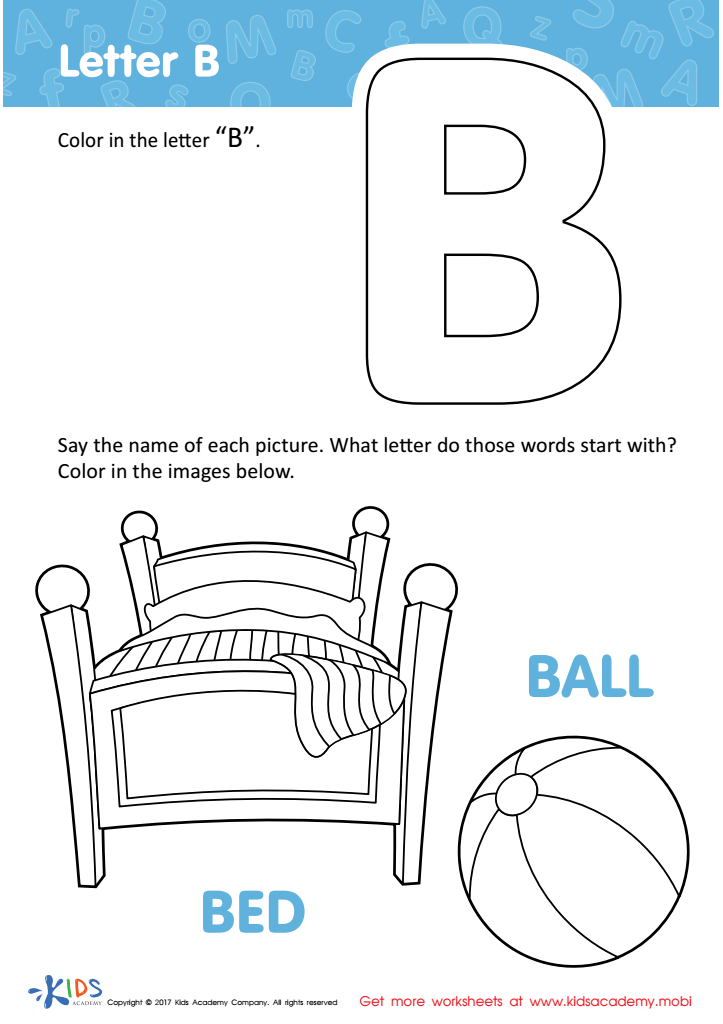
Letter B Coloring Sheet
Assign to My Students
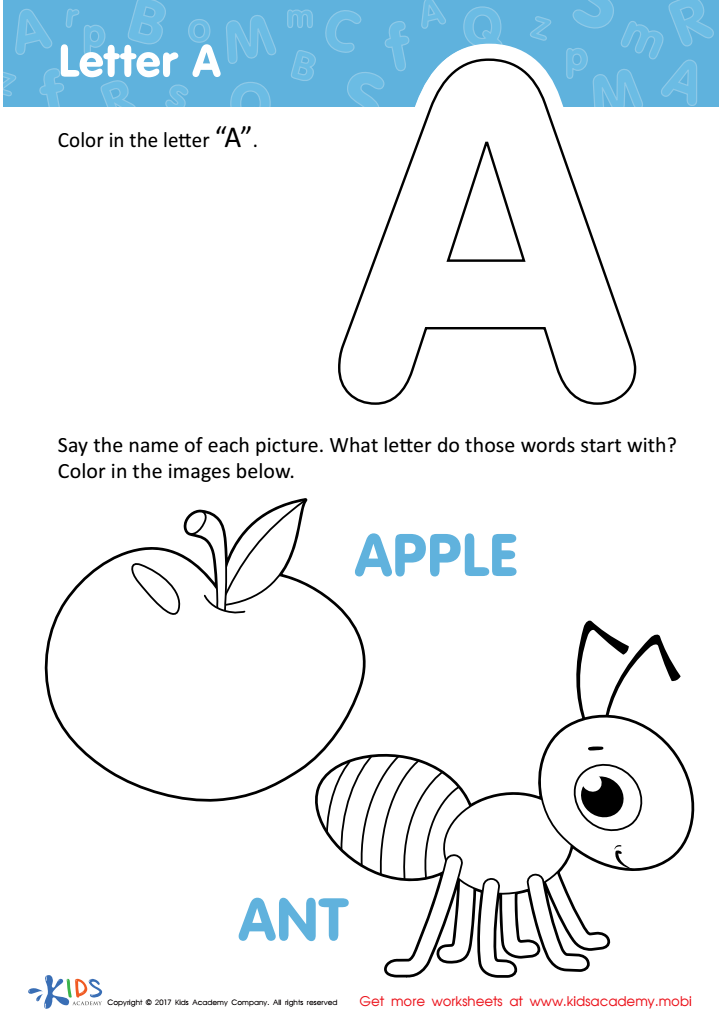
Letter A Coloring Sheet
Assign to My Students
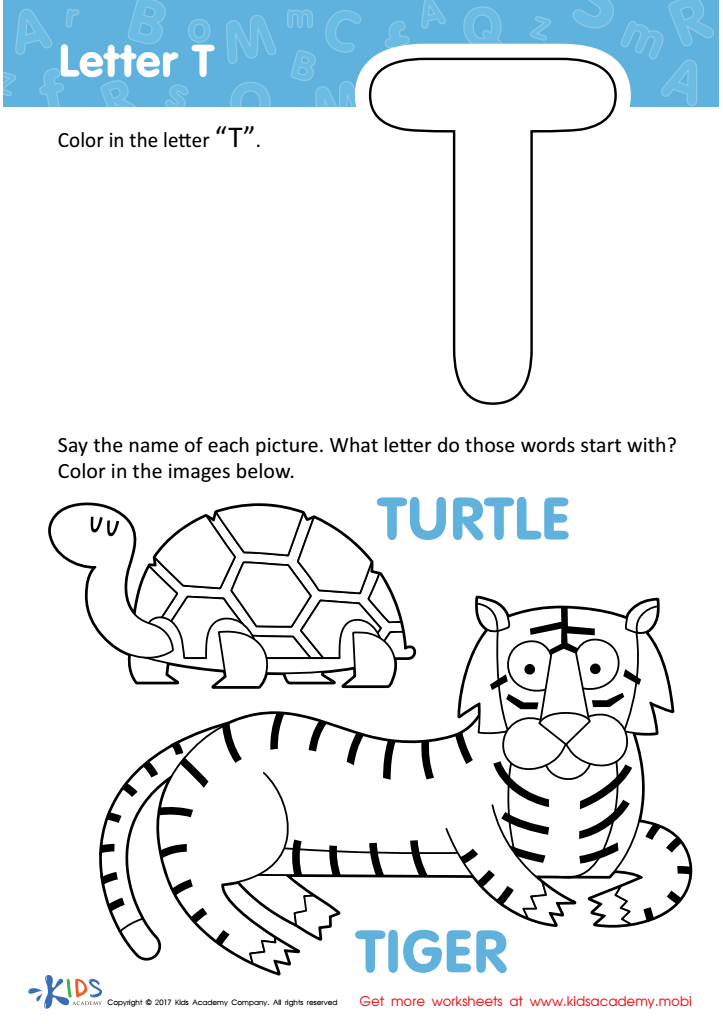
Letter T Coloring Sheet
Assign to My Students
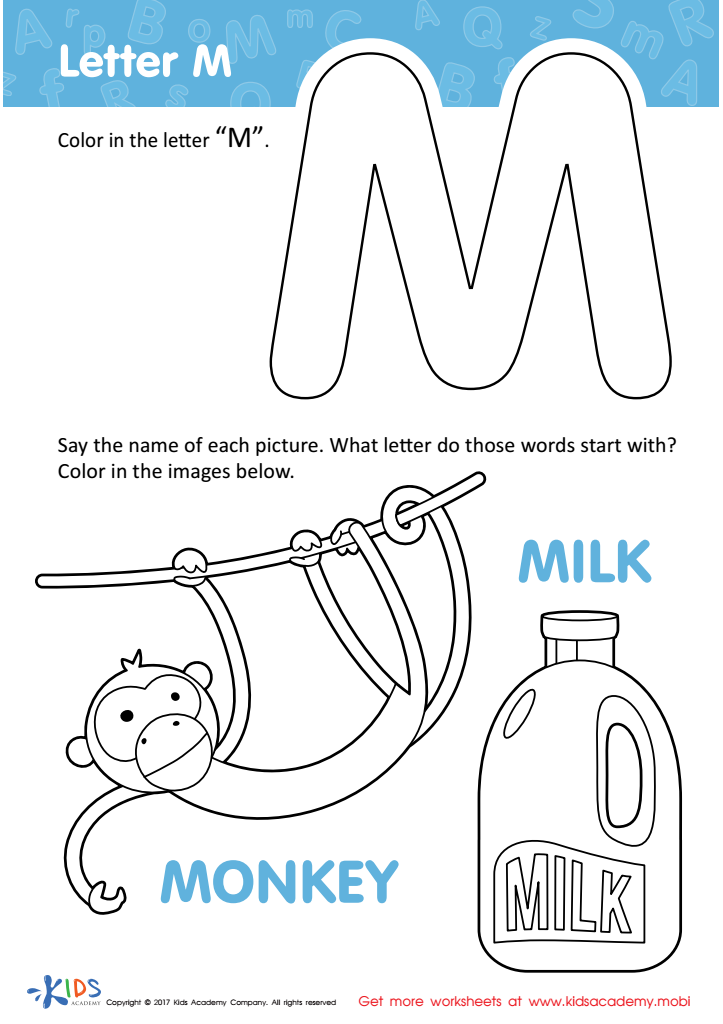
Letter M Coloring Sheet
Assign to My Students
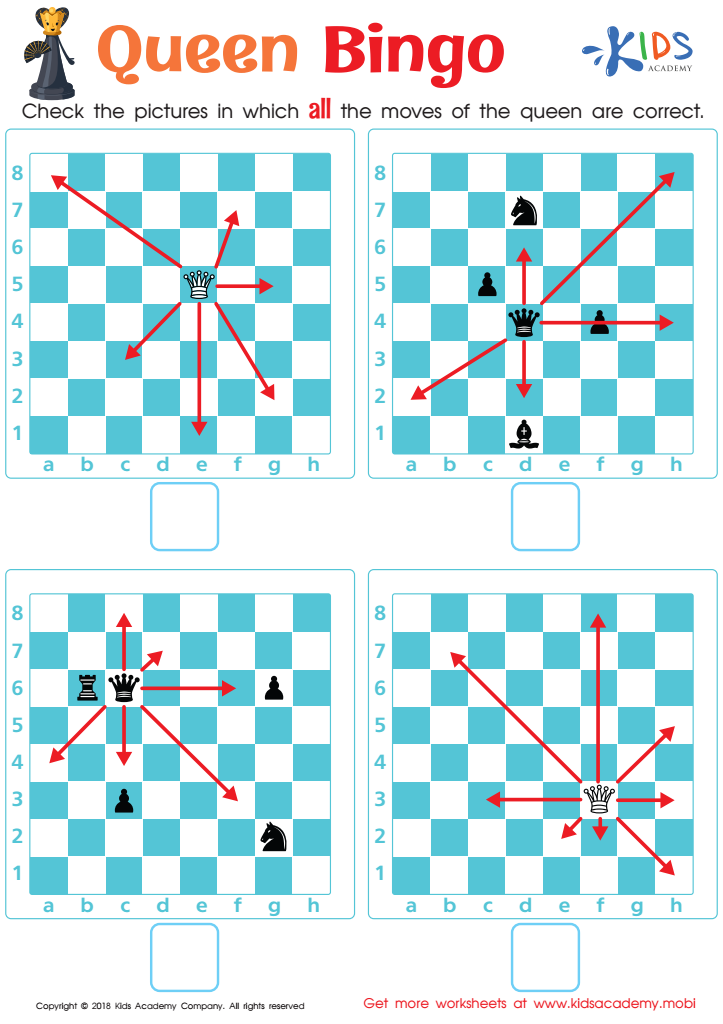
Queen Bingo Worksheet
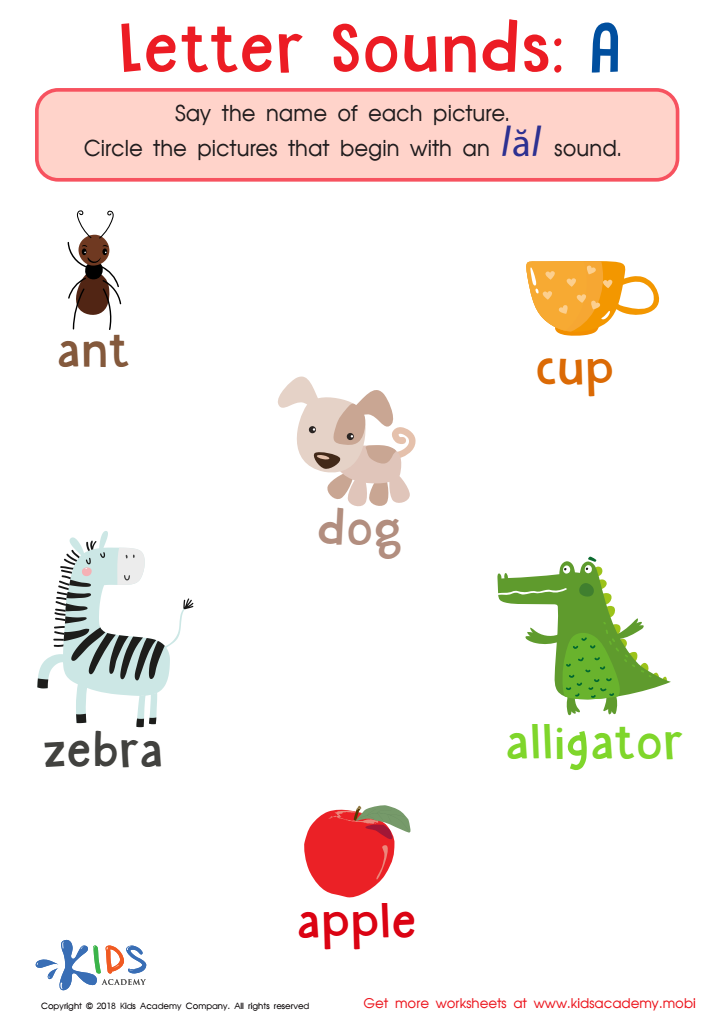
Letter A Sounds Worksheet
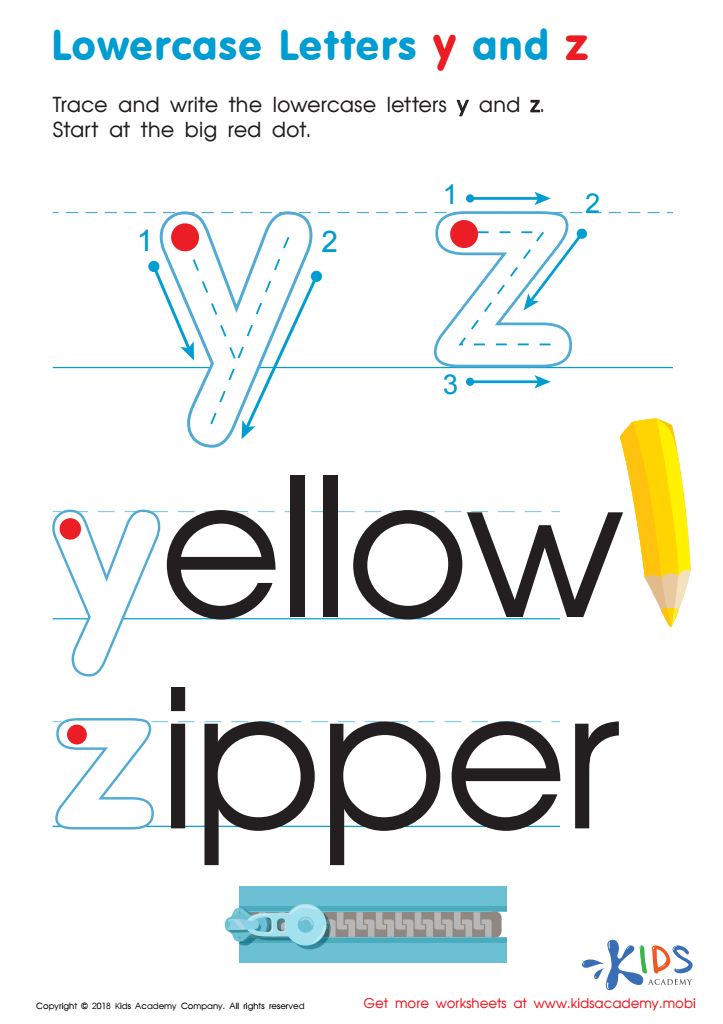
Lowercase Letters y z Worksheet
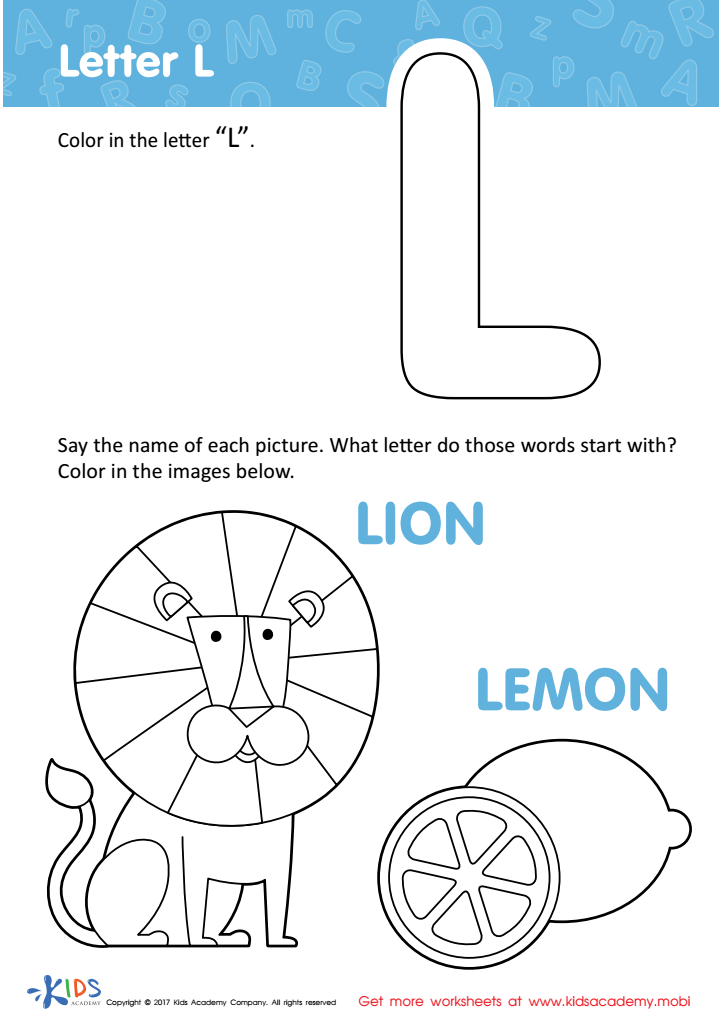
Letter L Coloring Sheet
Assign to My Students

Letter C Tracing Page






.jpg)

Alphabet recognition is fundamental for young children's academic development, and here's why both parents and teachers should prioritize it for ages 4-7. This age range marks a critical period for literacy acquisition and cognitive development. Recognizing letters is the building block of reading and writing, essential competencies for success in virtually all academic subjects.
When children start recognizing letters, they develop phonemic awareness—understanding that letters represent sounds in spoken language. This awareness is a precursor to decoding words and eventually reading fluently. For instance, identifying the letter “B” and knowing its sound is crucial for sounding out words like “ball” or “bat.”
Furthermore, early alphabet recognition fosters confidence and reinforces positive learning attitudes. When children can read and write basic words, they feel a sense of achievement that encourages further learning. It helps them follow classroom instructions, participate in activities, and understand stories, enhancing their overall engagement in school.
Additionally, failing to develop alphabet recognition early can have long-term adverse effects, leading to increased difficulty in reading, writing, and even other subjects that require comprehension skills. Thus, by emphasizing alphabet recognition, parents and teachers lay a strong foundation for future academic success, creating a pathway for lifelong learning and critical thinking skills.








