Basic math application Worksheets for Ages 4-7
5 filtered results
-
From - To
Unlock the potential of foundational math skills with our Basic Math Application Worksheets for Ages 4-7 at Kids Academy! Our engaging, age-appropriate worksheets cover essential topics such as simple addition and subtraction, counting, number recognition, and pattern creation. Designed to captivate early learners, these printable worksheets transform math concepts into fun and interactive activities. They'll help your child build confidence, improve problem-solving abilities, and develop a love for math. Visit Kids Academy today and explore our extensive collection tailored to support your child's educational journey!
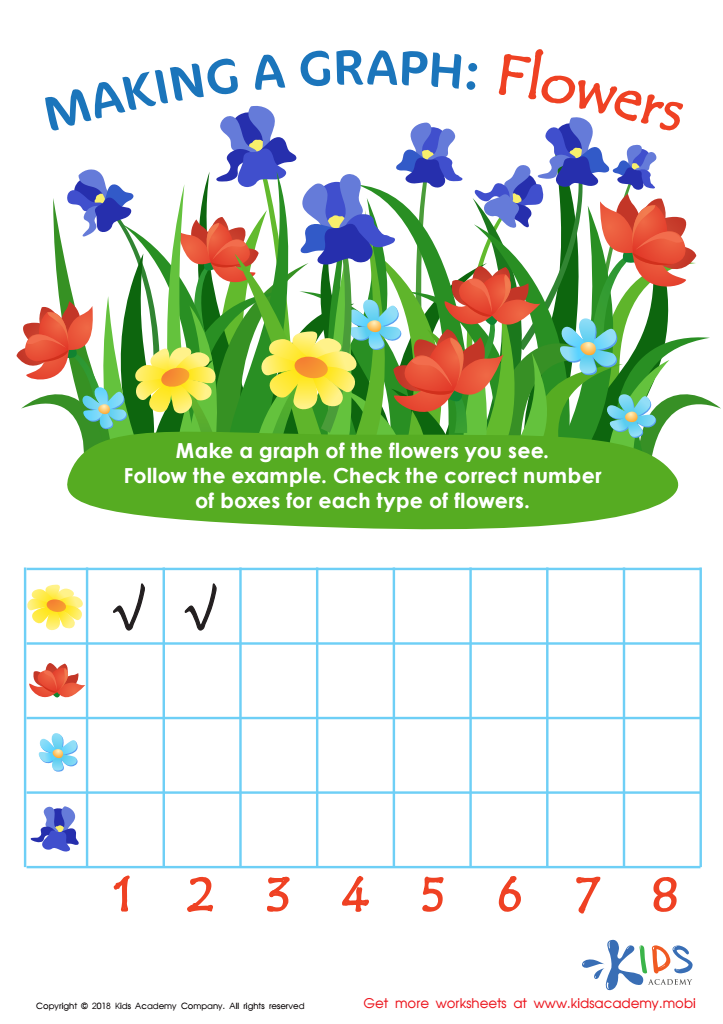
Making a Graph: Flowers Worksheet
 Assign to My Students
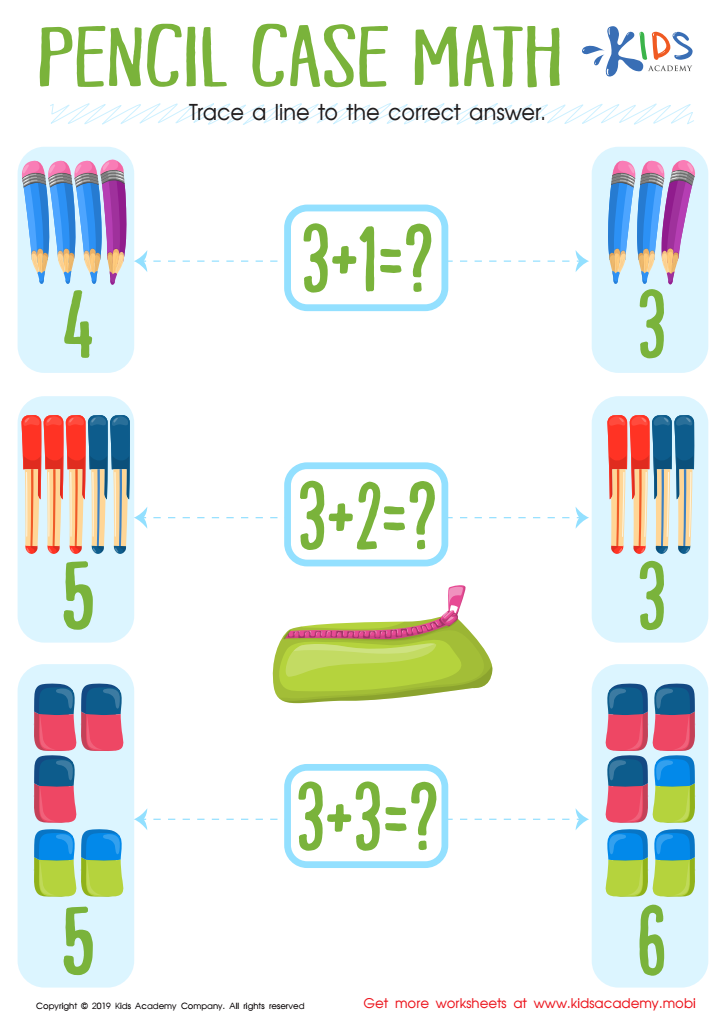
Pencil Case Math Worksheet
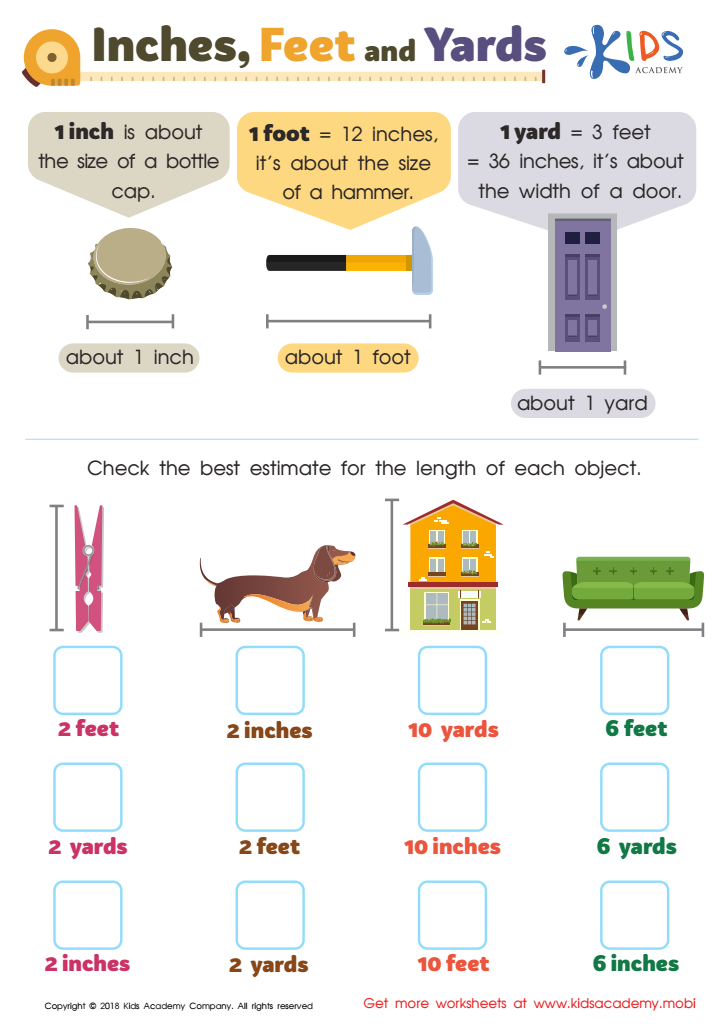
Inches, Feet and Yards Worksheet
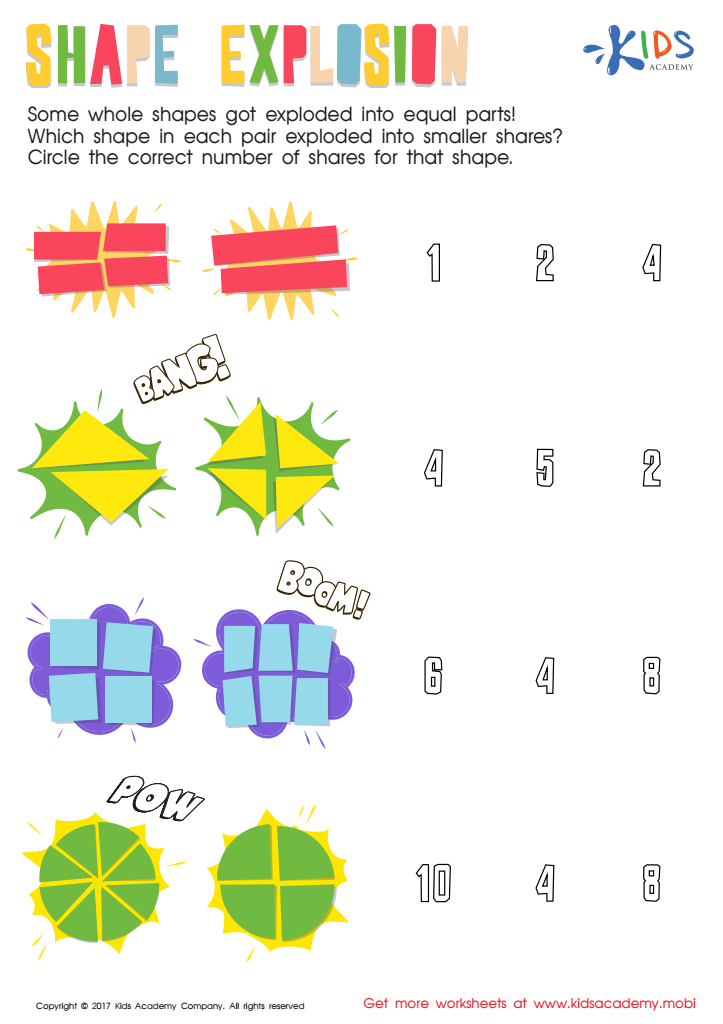
Shape Explosion Worksheet
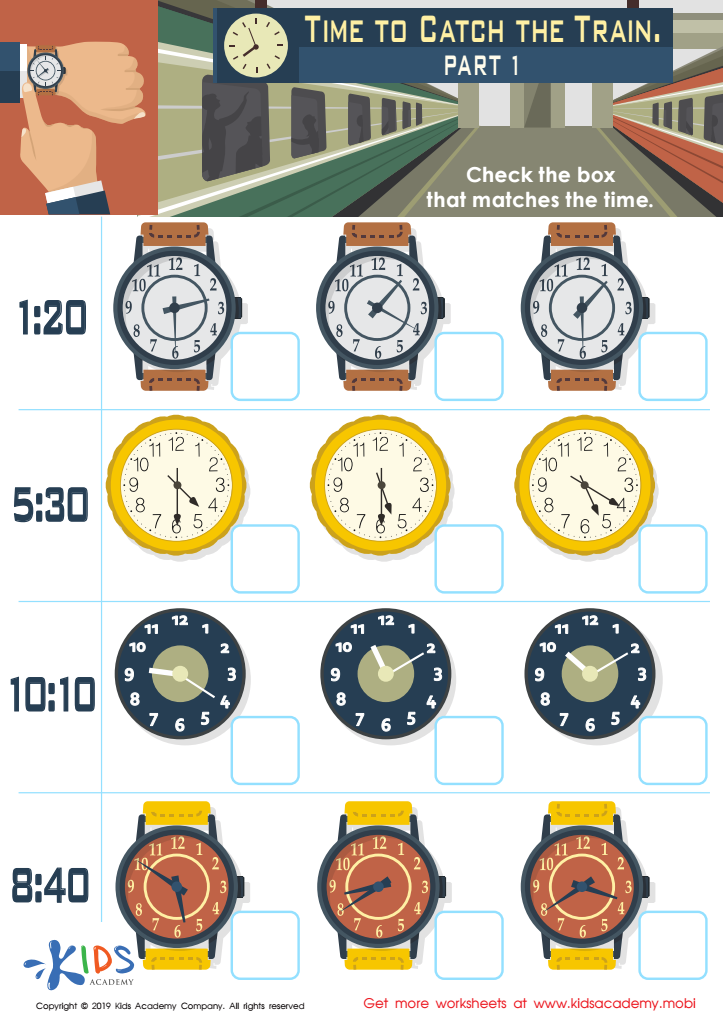
Time to Catch the Train Part 1 Worksheet







Basic math application for children ages 4-7 is essential because it lays the foundation for all future mathematical understanding and everyday problem-solving skills. At this age, children's brains are highly adaptable and primed for learning new concepts. Introducing them to basic math helps build critical thinking and cognitive abilities such as counting, recognizing shapes and patterns, understanding measurements, and performing simple arithmetic operations (addition and subtraction).
Early exposure to math concepts also promotes confidence and a positive attitude toward learning. When children develop these skills early, they are more likely to feel competent and excited about tackling more advanced math subjects as they grow. This confidence can spread to other areas of learning and personal development as well.
Moreover, math skills have practical value in everyday life, even for young children. Simple activities like sharing toys, measuring ingredients for a recipe, or counting money involve basic math. These daily interactions make the world more comprehensible to them and allow them to participate more fully in household activities, giving them a sense of responsibility and achievement.
Parents and teachers play a pivotal role in nurturing an environment where math is perceived as a fun and integral part of life. By focusing on basic math applications, they ensure that children build a strong foundation for academic success and lifelong learning.








