Color differentiation Worksheets for Ages 4-7
6 filtered results
-
From - To
Introduce young learners to the vibrant world of colors with our Color Differentiation Worksheets for ages 4-7! Designed to enhance color recognition and cognitive skills, these engaging activities help children distinguish between different hues in a fun and interactive manner. Perfect for preschoolers and early primary students, our worksheets blend creativity and education, featuring a variety of colorful images, patterns, and game-like exercises. Watch as your child progressively develops their color identification abilities while enjoying each activity. Transform learning into a playful adventure with these expertly crafted resources, fostering early development and a love for learning.
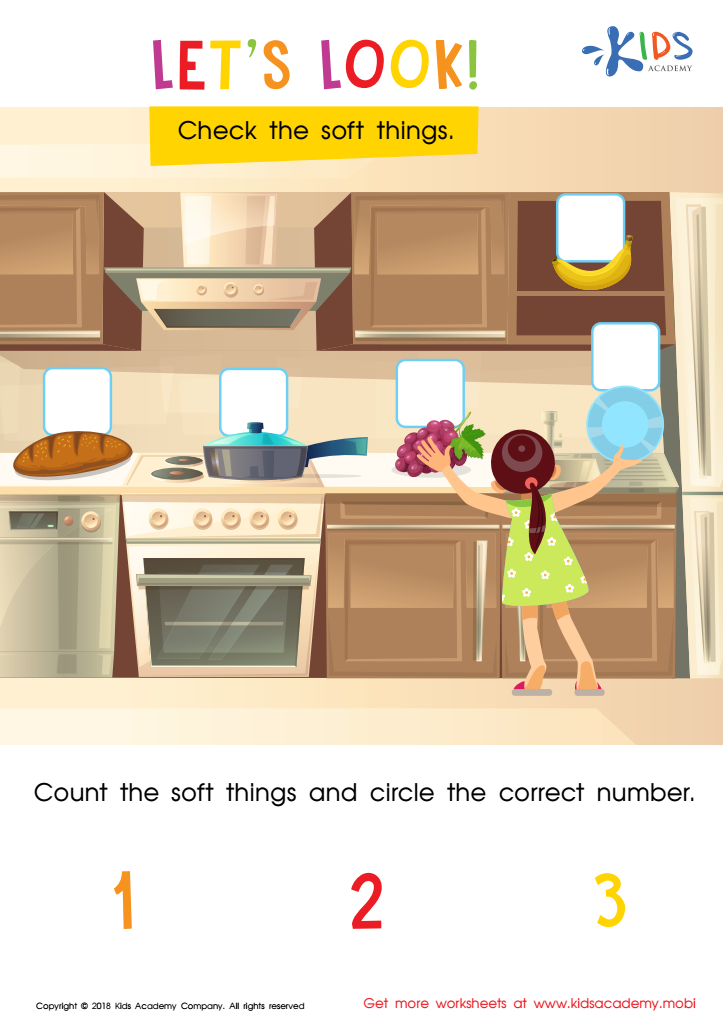
Let's Look! Assessment Worksheet
 Assign to My Students
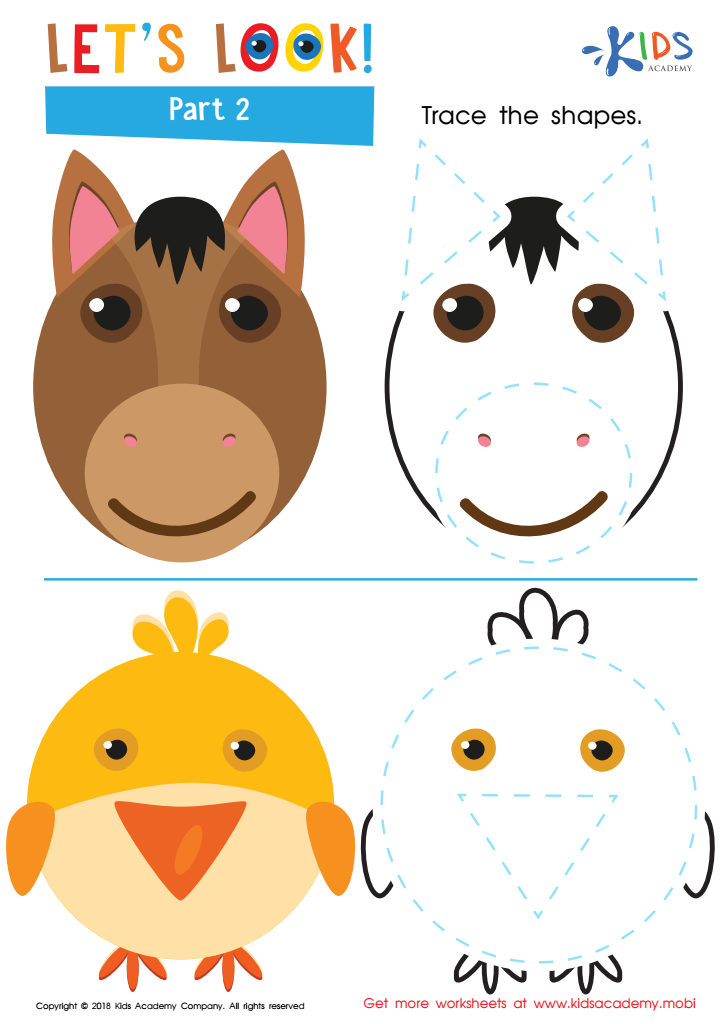
Let's Look! Part 2 Worksheet
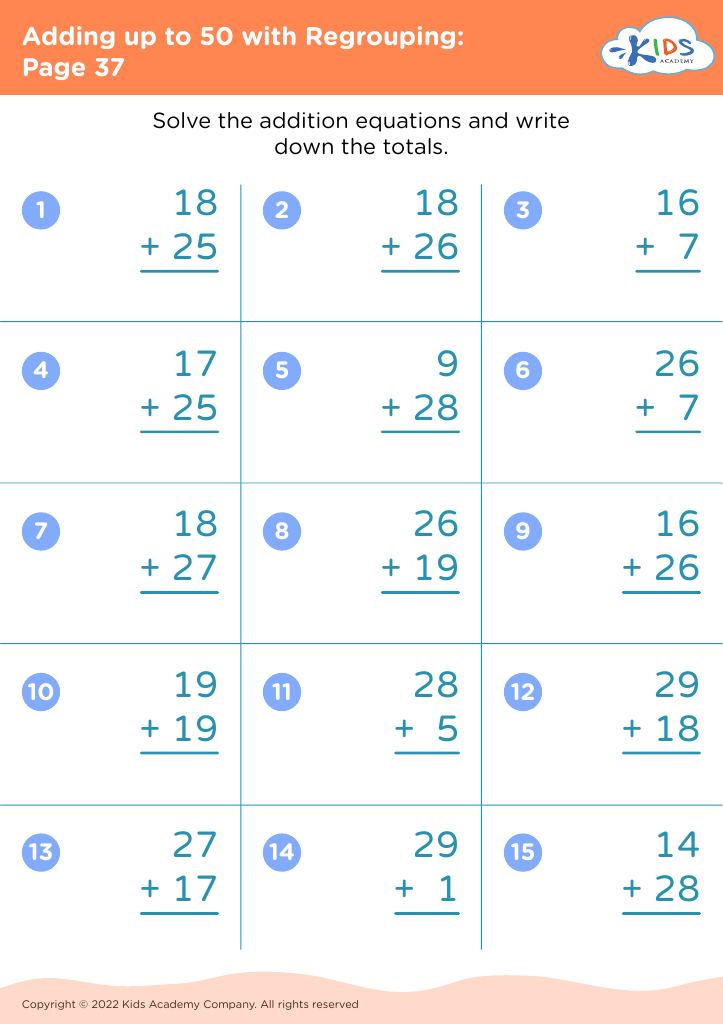
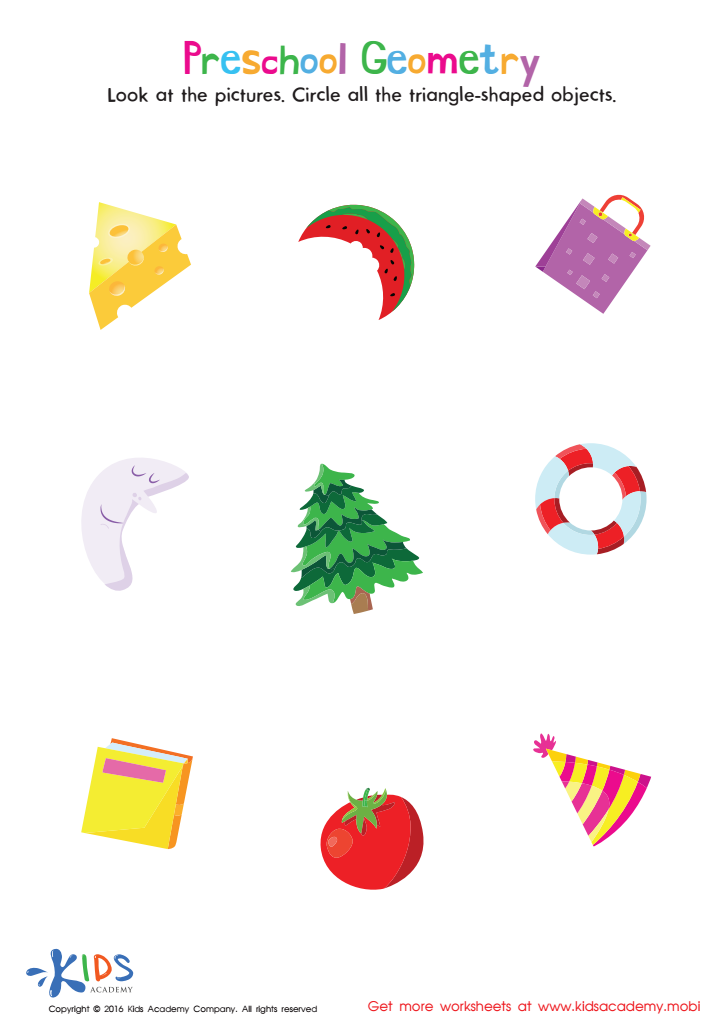
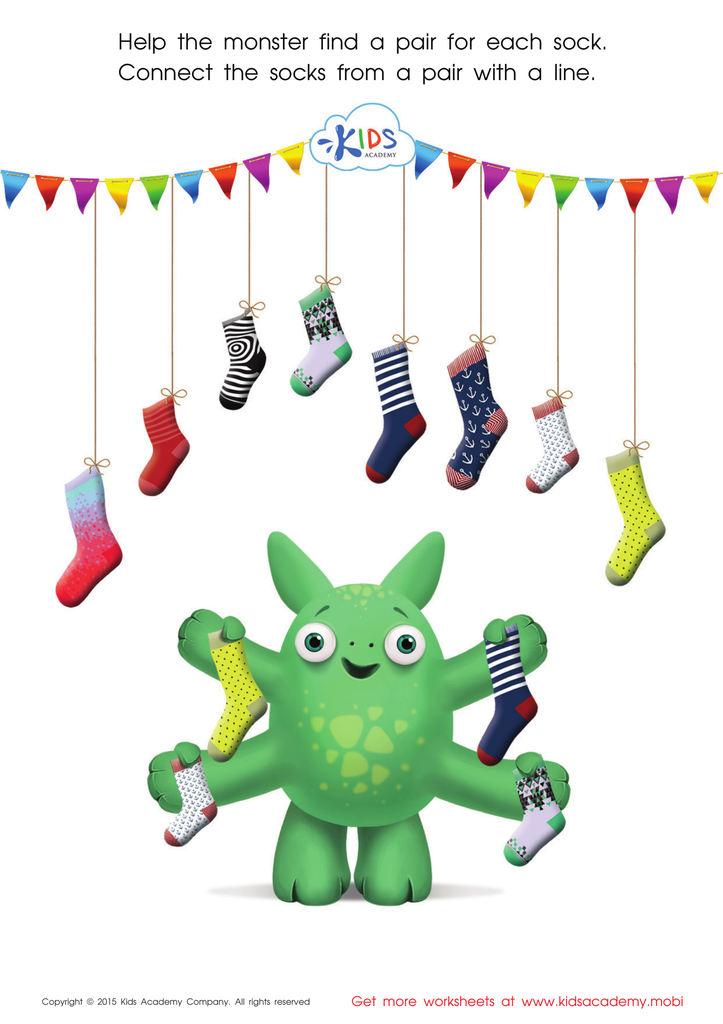
Math Matching Pairs Game: Monsterв's Socks Worksheet







Color differentiation is a crucial cognitive skill that significantly impacts the developmental milestones for children aged 4-7. For both parents and teachers, understanding and nurturing this ability is essential for several reasons.
Cognitively, the ability to differentiate colors enhances visual perception, which is foundational for reading and writing. Recognizing color patterns helps children understand and interpret the world around them, making it easier to grasp complex concepts later on. For instance, traffic lights, educational toys, and maps often rely on color coding to convey information.
Emotionally, color recognition is deeply tied to self-expression and creativity. Children often use colors to express their feelings and emotions in drawings and crafts. Providing children with a strong base in color differentiation enriches their ability to communicate non-verbally and boosts their confidence in other academic pursuits.
Socially, knowing and understanding colors facilitates better peer interaction. Group activities in school frequently involve tasks that require sorting and matching colors, promoting teamwork and cooperation.
From a safety perspective, being able to differentiate colors accurately can help children navigate their environments more safely. For example, recognizing harmful signs or knowing the difference between safe and unsafe objects often involves color recognition.
In summary, prioritizing color differentiation skills equips children with essential tools for their overall intellectual, emotional, social, and physical development.








