Color Identification Worksheets for Ages 4-7 - Page 2
72 filtered results
-
From - To
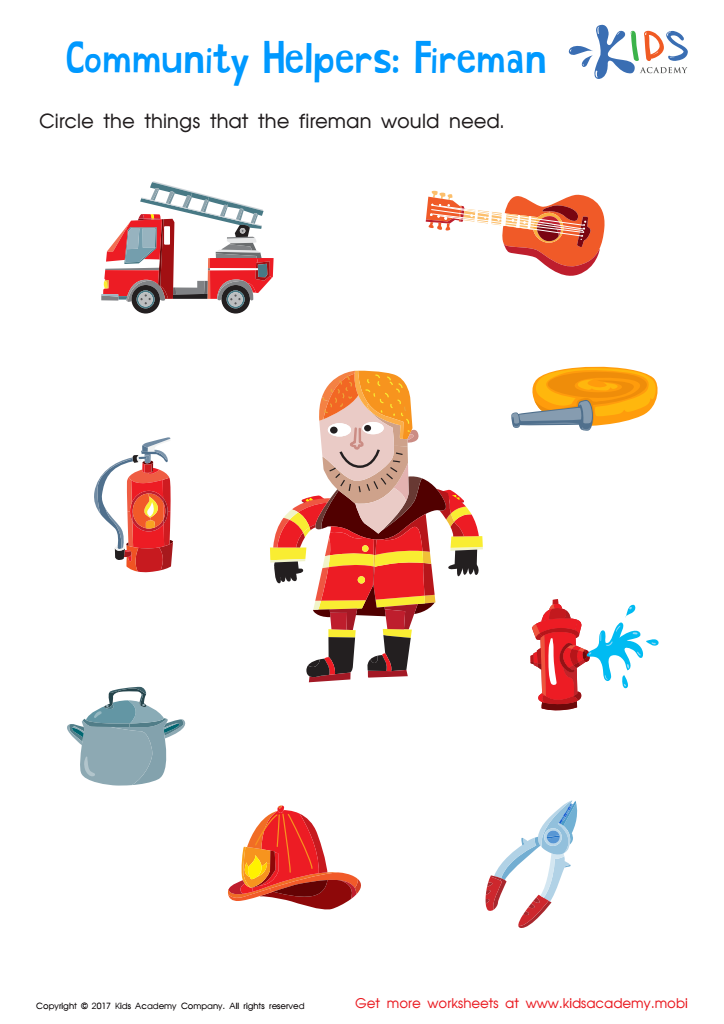
Fireman Worksheet
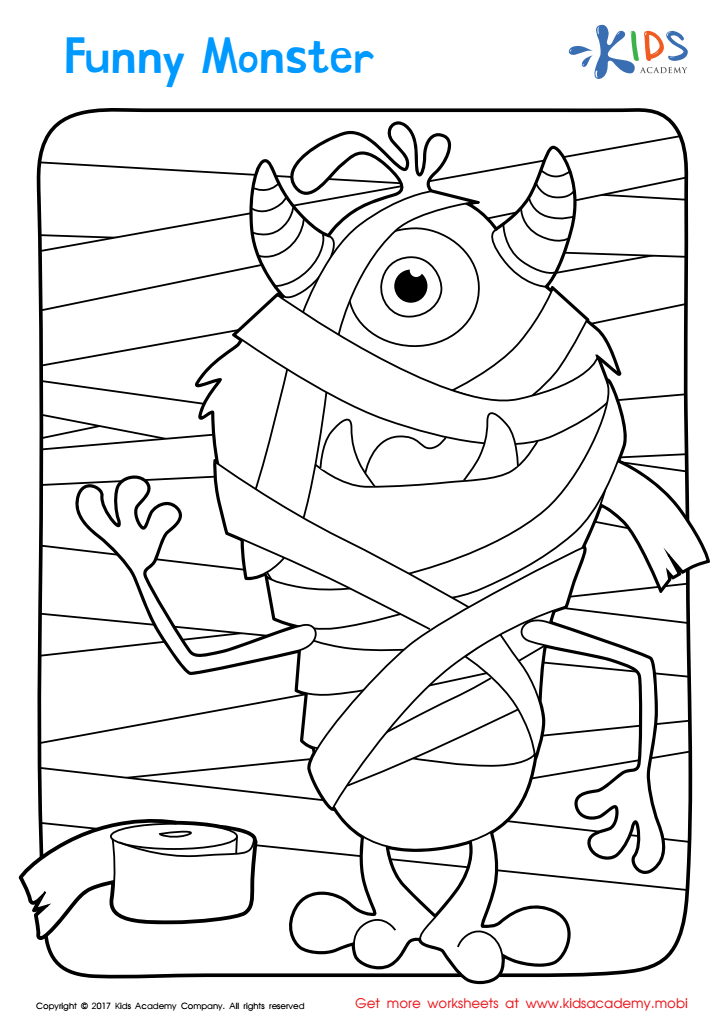
Halloween: A Funny Monster Worksheet
 Assign to My Students
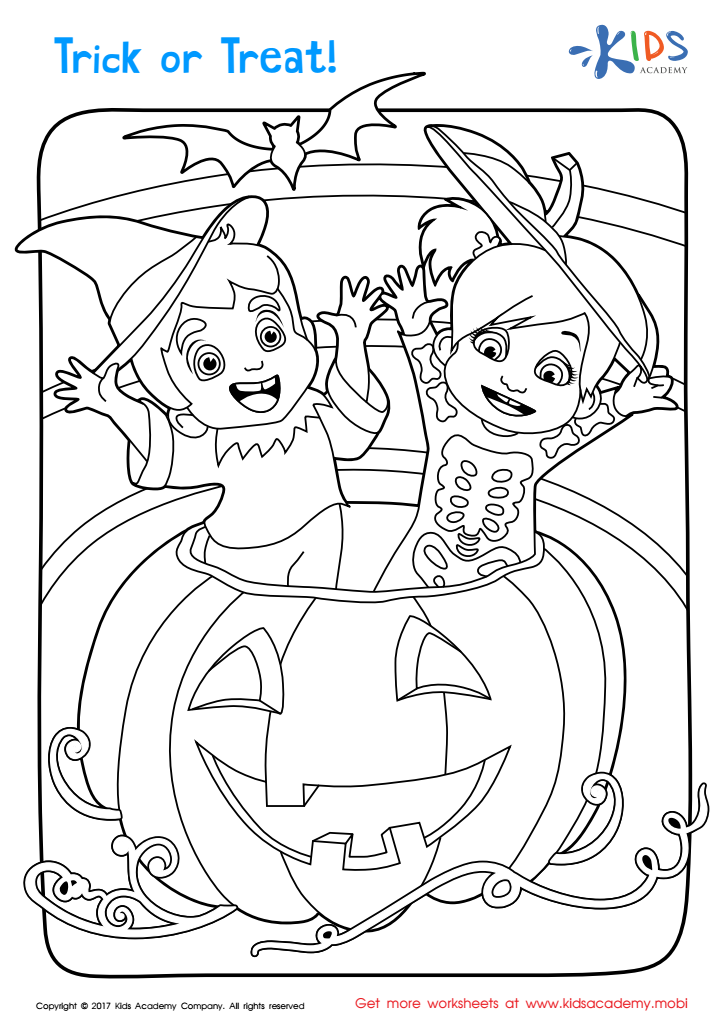
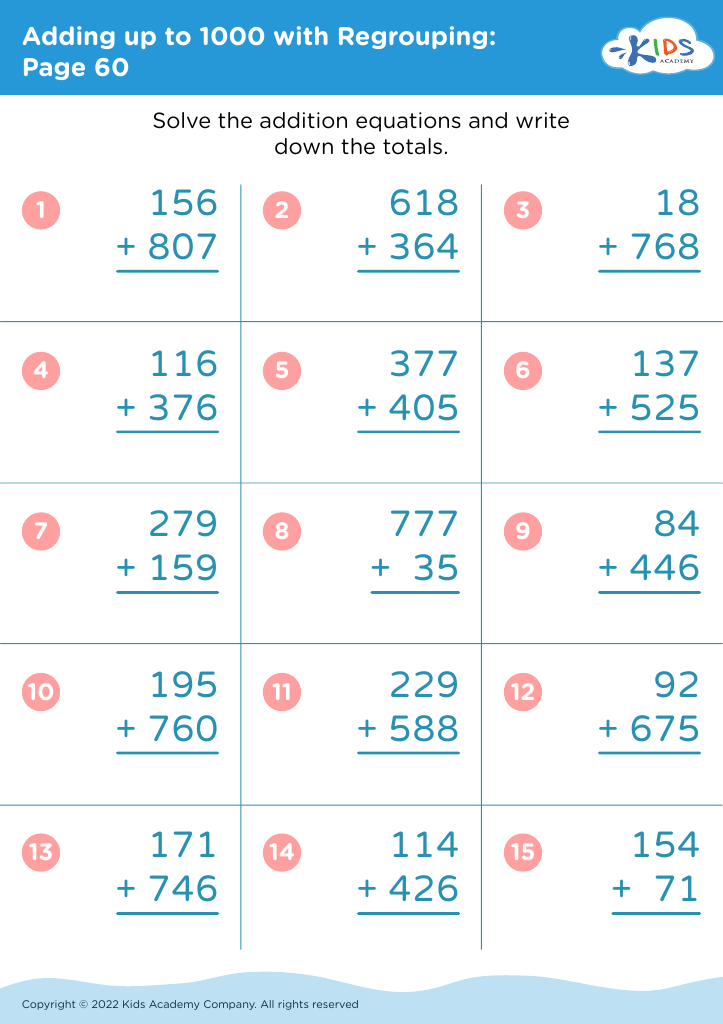
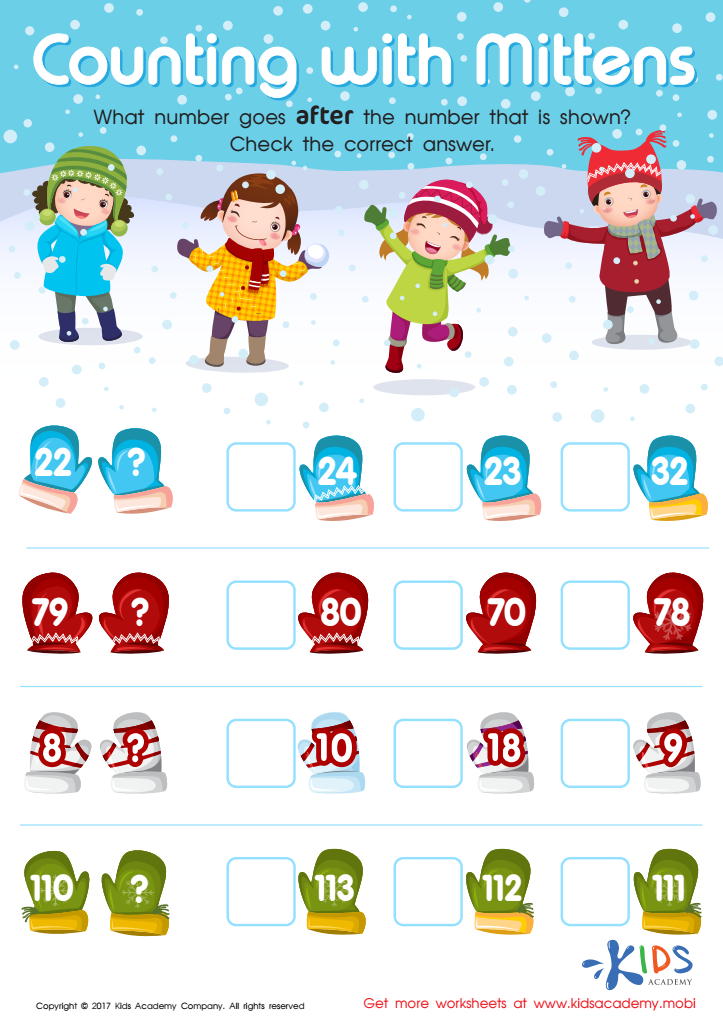
Counting with Mittens Worksheet
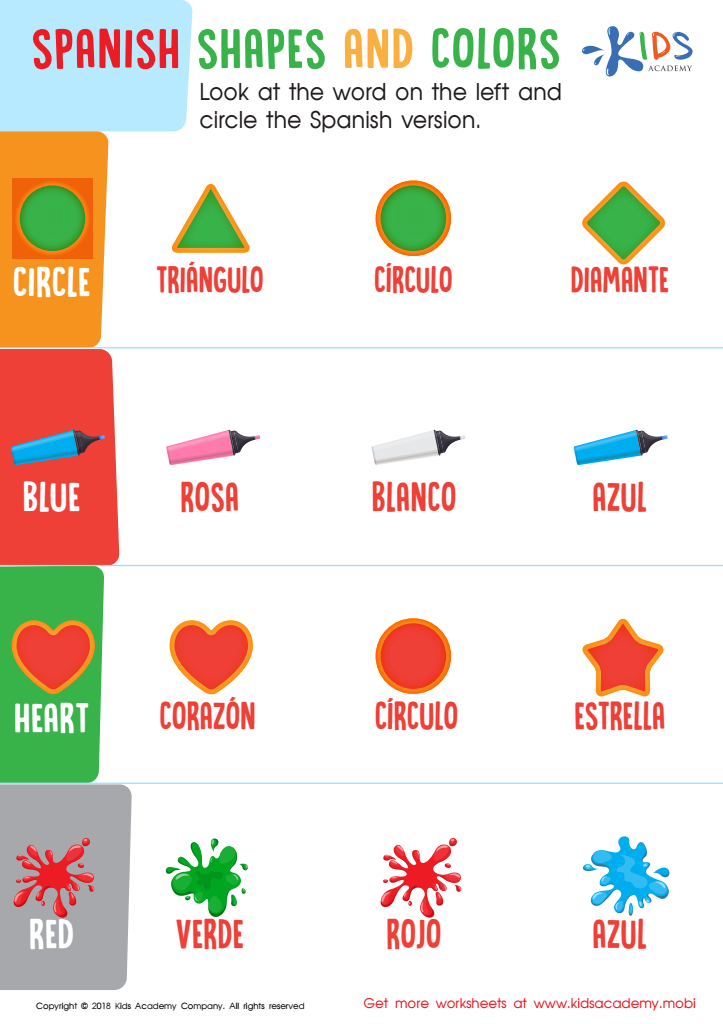
Spanish Shapes and Colors Worksheet
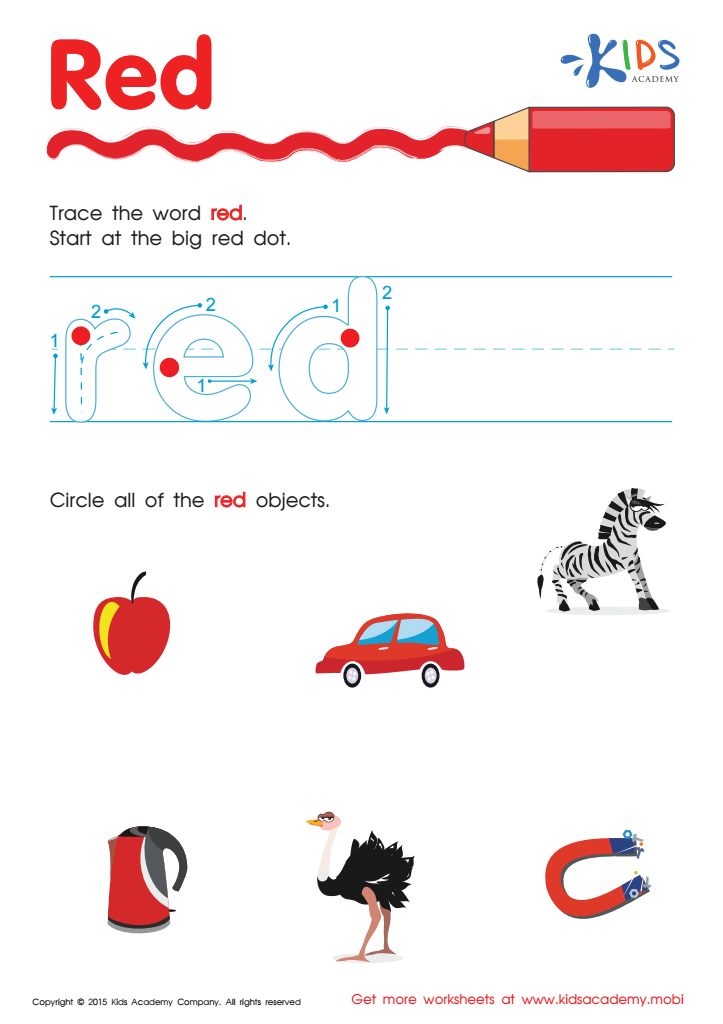
Red Tracing Color Words Printable
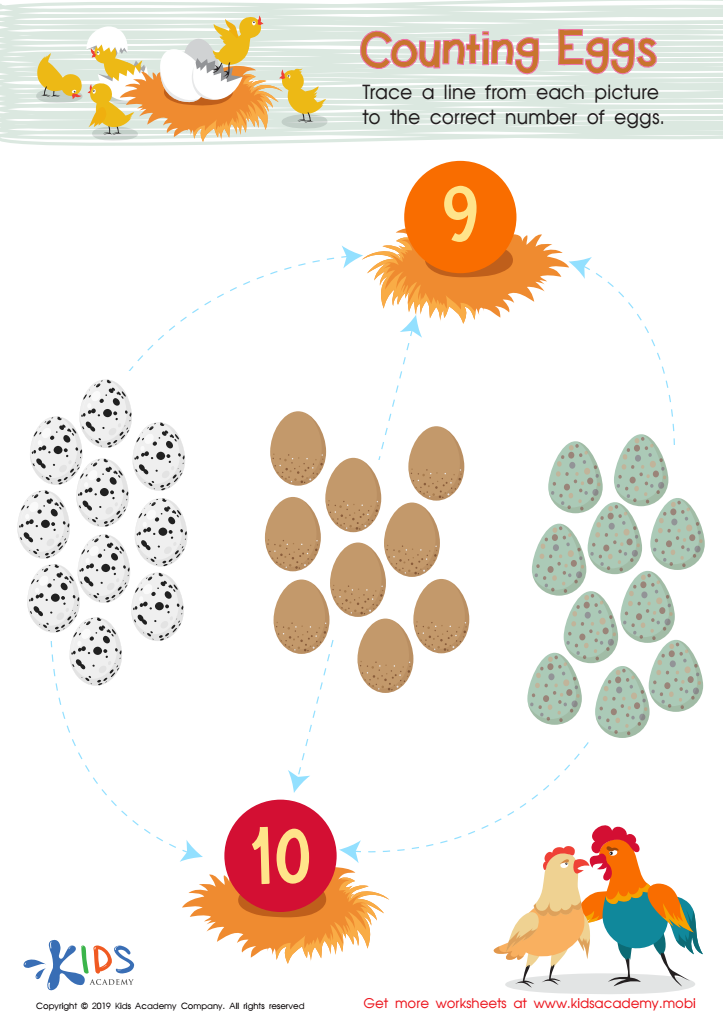
Counting Eggs Worksheet
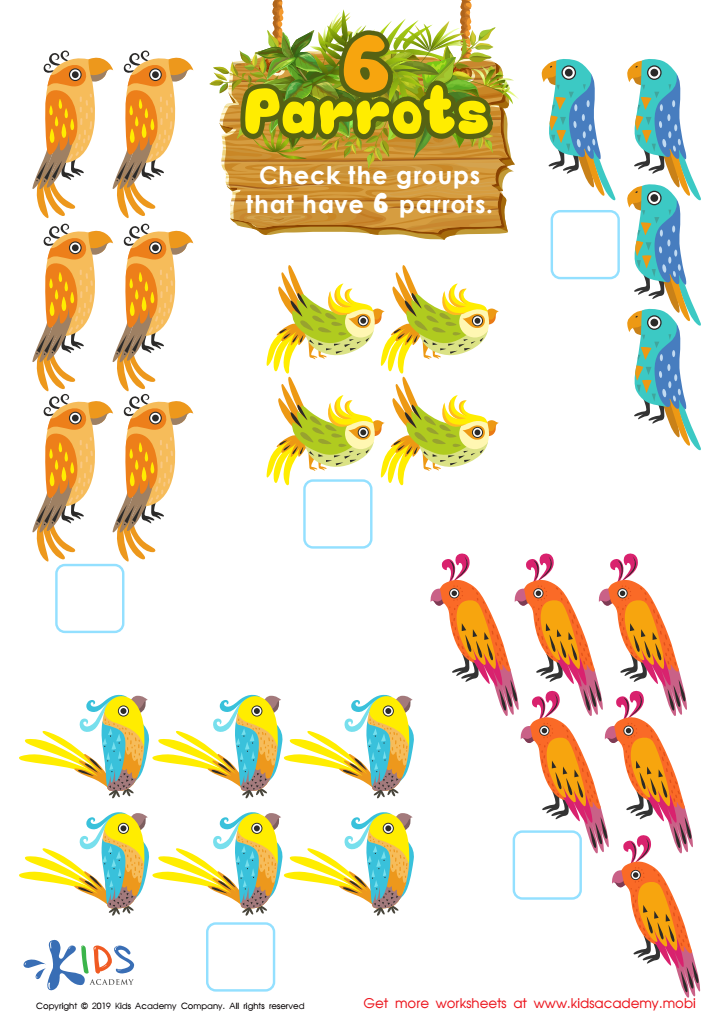
6 Parrots Worksheet
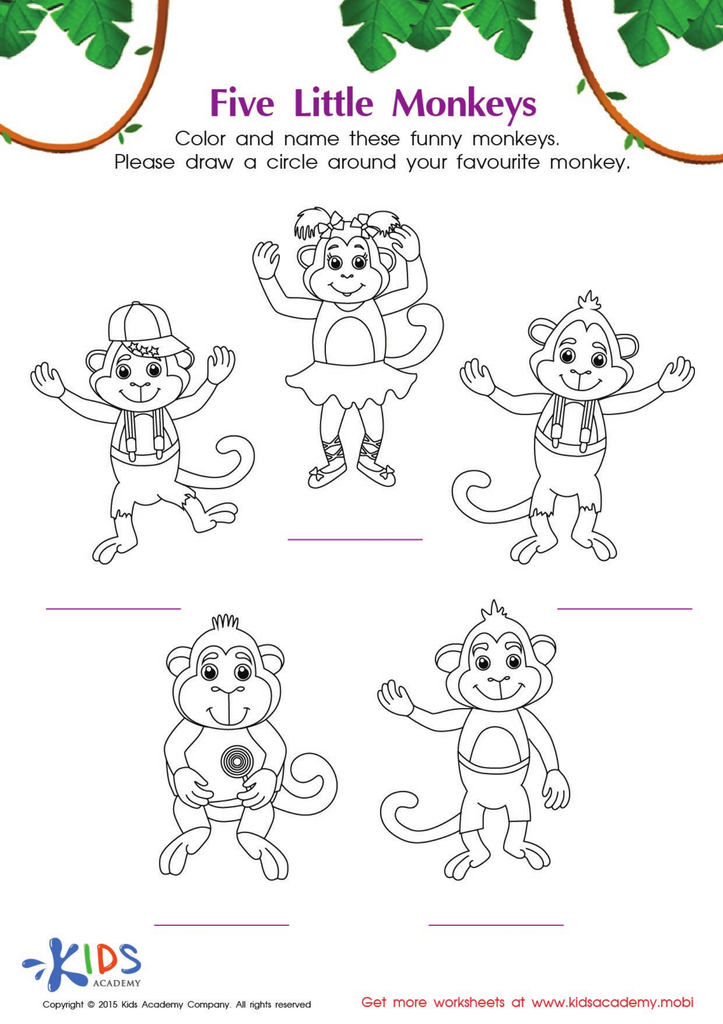
The Five Little Monkeys Coloring Worksheet
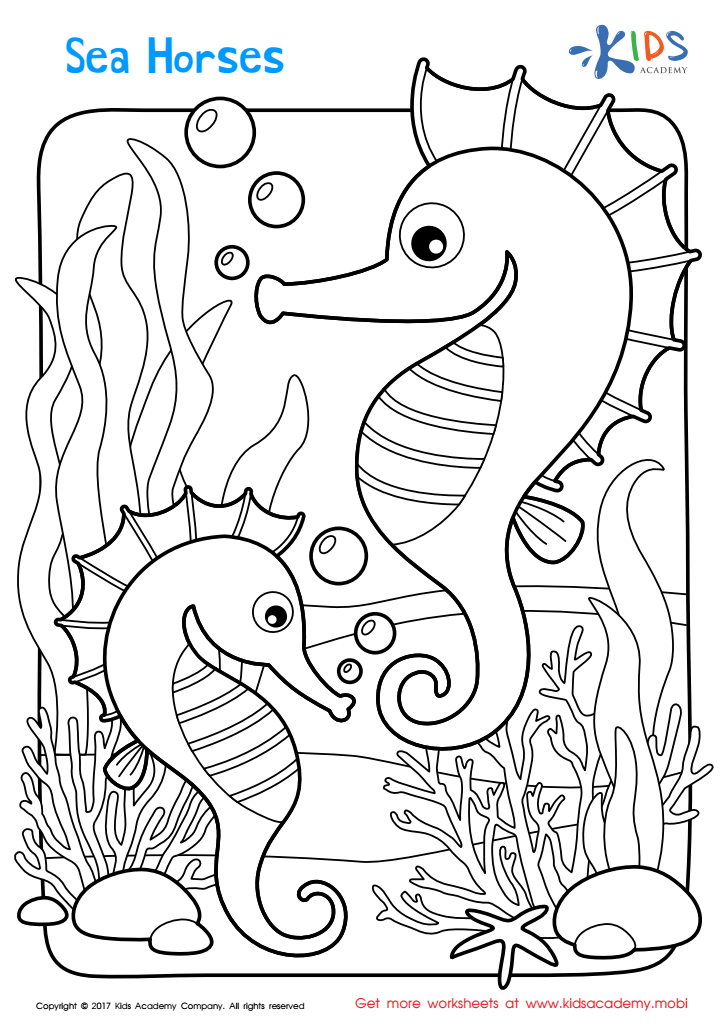
Sea Horses Printable
Assign to My Students
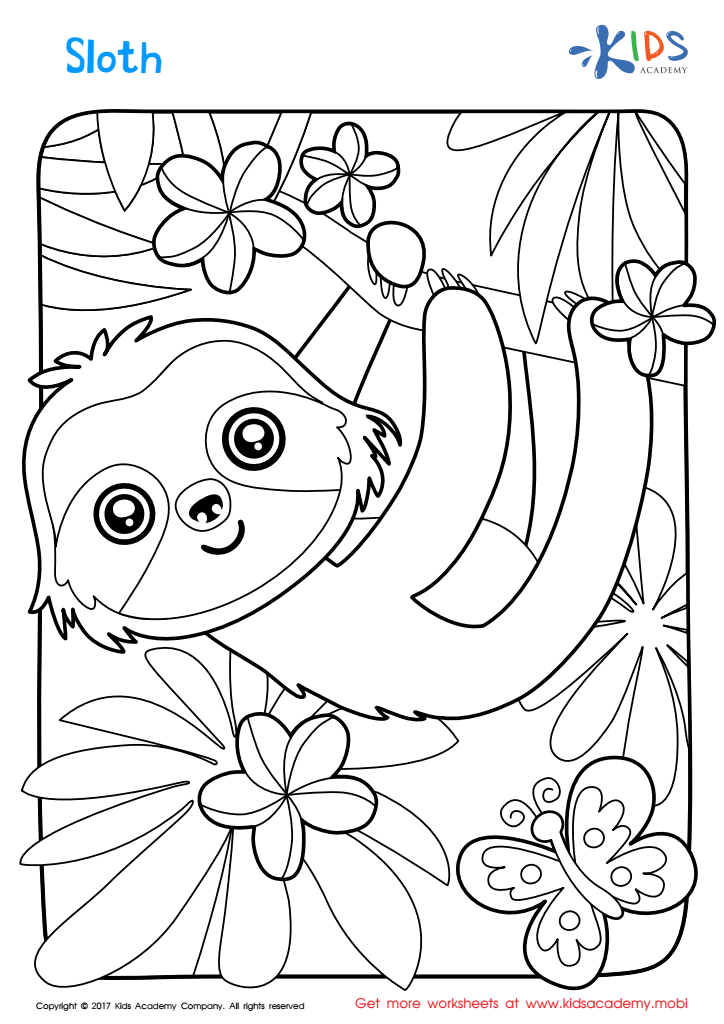
Sloth Worksheet
Assign to My Students
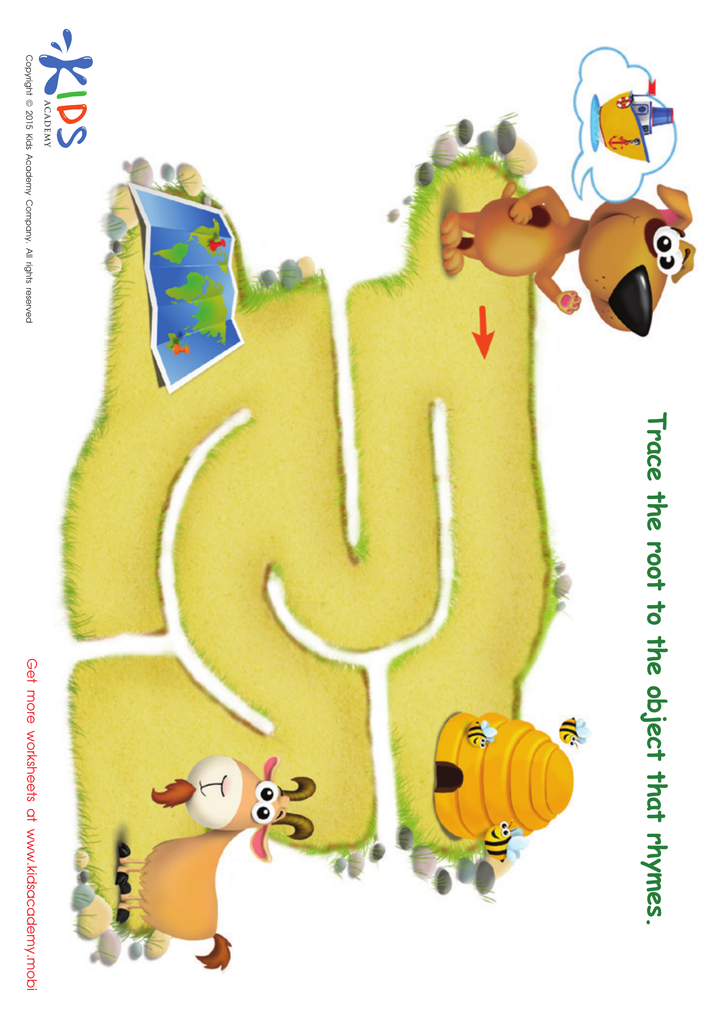
Boat Rhyming Words Worksheet
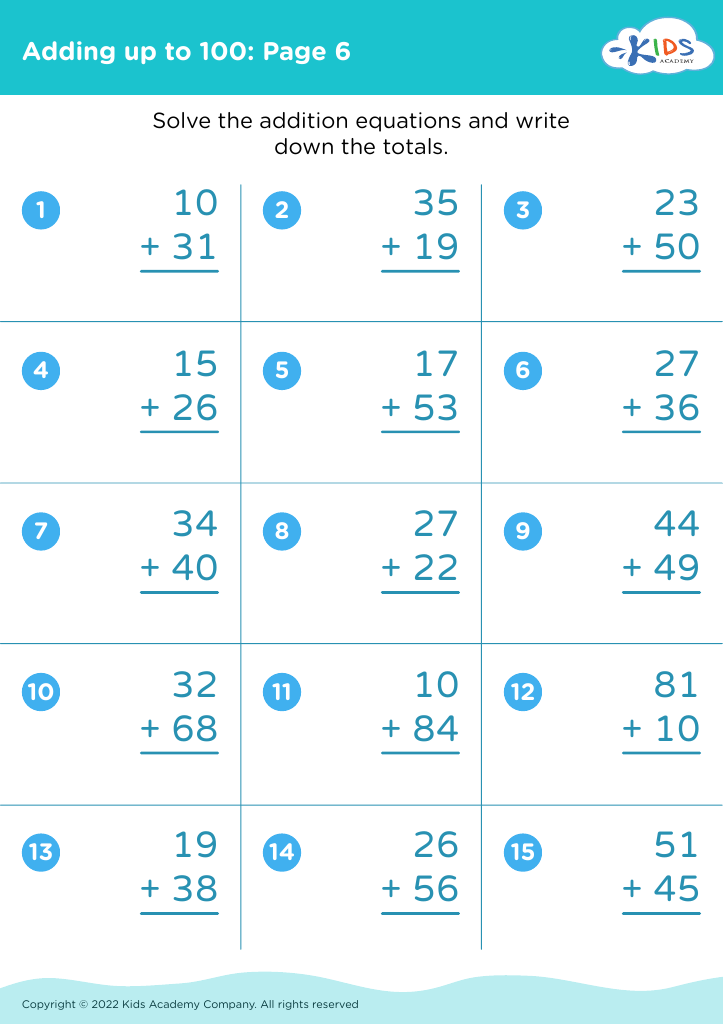
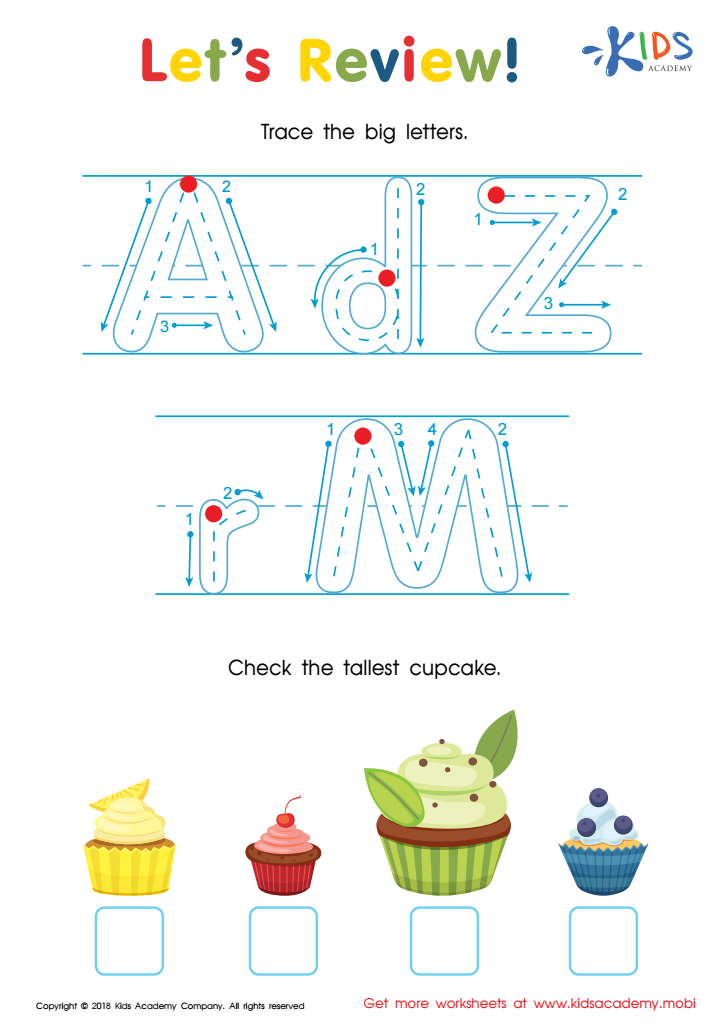
Let's Review! Big Letters Worksheet
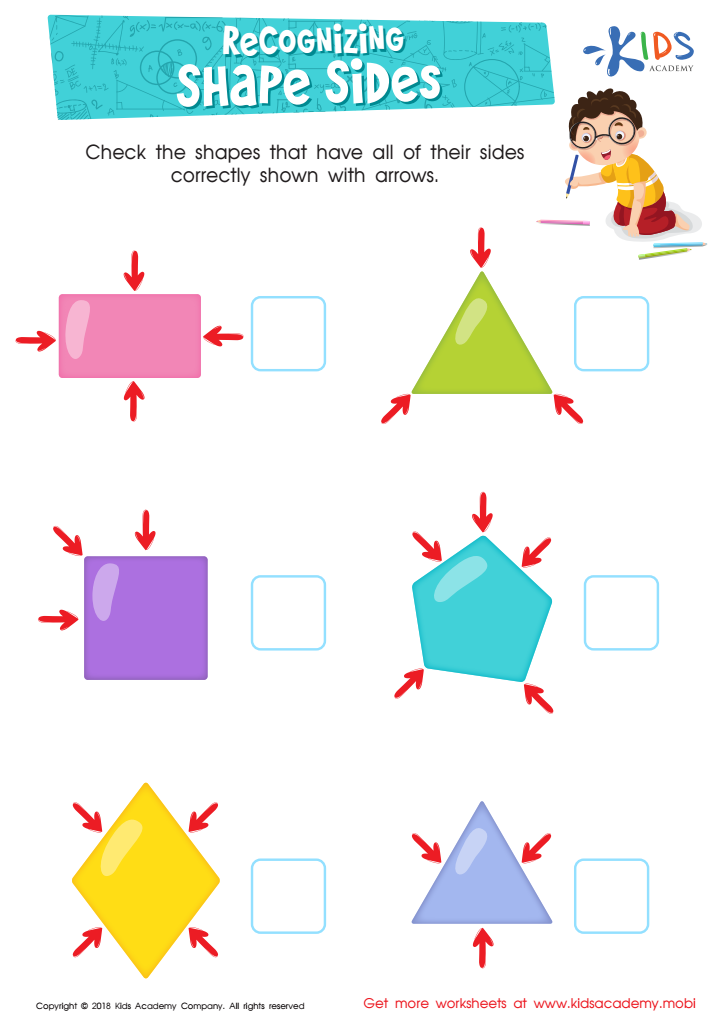
Recognizing Shape Sides Worksheet
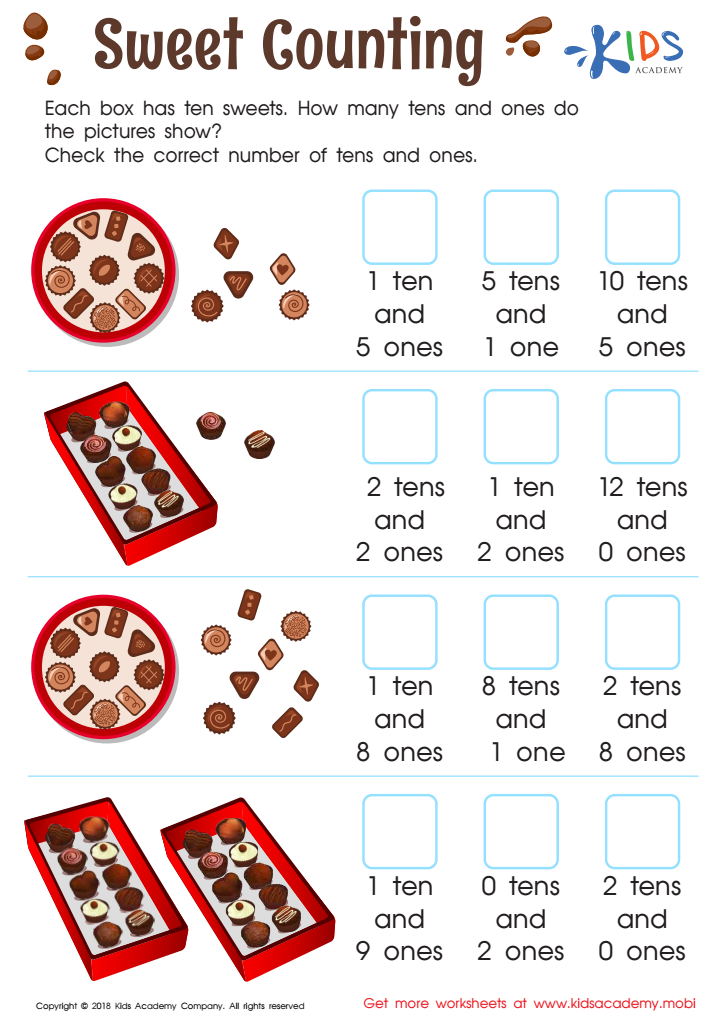
Sweet Counting - Part 2 Worksheet
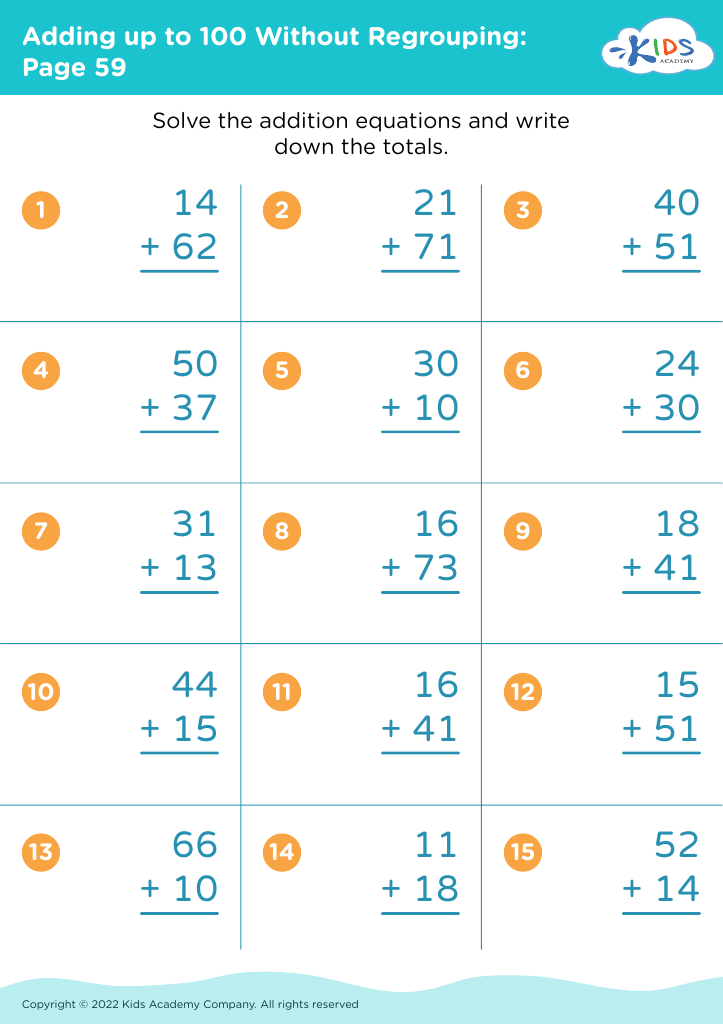
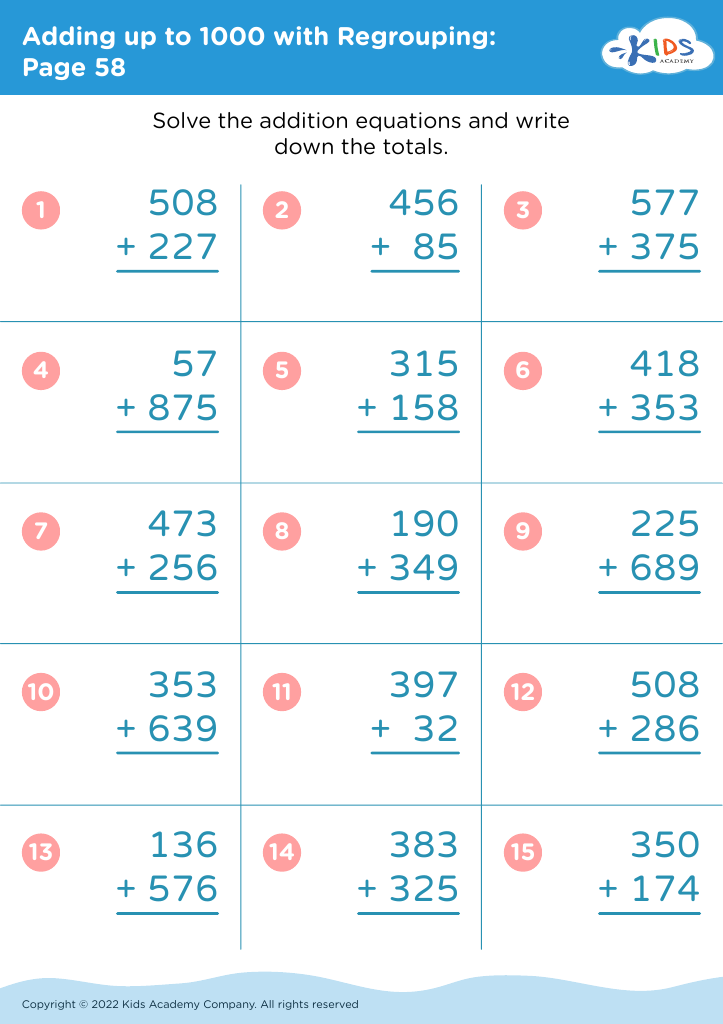
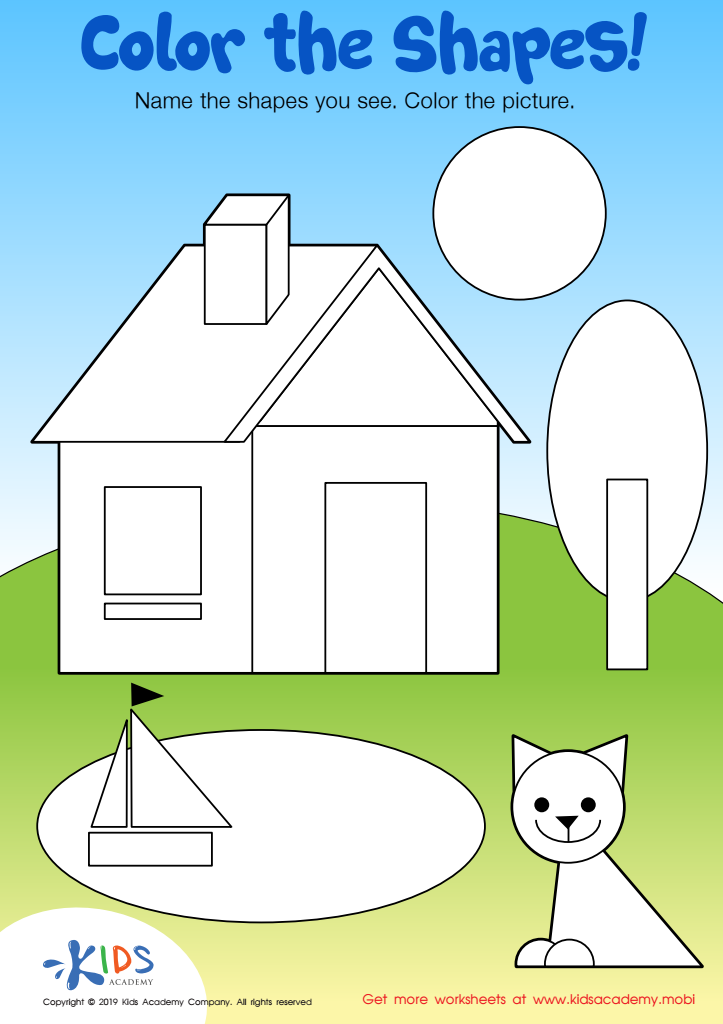
Color the Shapes Worksheet
Assign to My Students







Color identification is a fundamental skill for children aged 4-7 that goes beyond simply recognizing hues – it plays a crucial role in their cognitive, social, and emotional development. First and foremost, understanding colors enhances critical thinking and helps children make connections in their learning. For instance, children learn to categorize objects by color, strengthening their ability to sort and organize their surroundings, which lays the groundwork for mathematical concepts.
Moreover, color identification fosters creativity and self-expression. Art projects, imaginative play, and even storytelling can utilize colors to convey emotions and concepts, allowing children to communicate ideas and feelings more effectively.
Socially, recognizing and naming colors assists children in engaging with their peers. Activities that involve colors, like group games or cooperative tasks, help build friendships and teamwork skills.
Finally, color identification aids in language development. As children learn to articulate and discuss colors, their vocabulary broadens, positively influencing their overall communication skills.
In summary, for parents and teachers, supporting color identification is invaluable as it nurtures foundational skills critical for effective learning and development during a pivotal period in a child’s growth.








