Comparative analysis Worksheets for Ages 4-7
6 filtered results
-
From - To
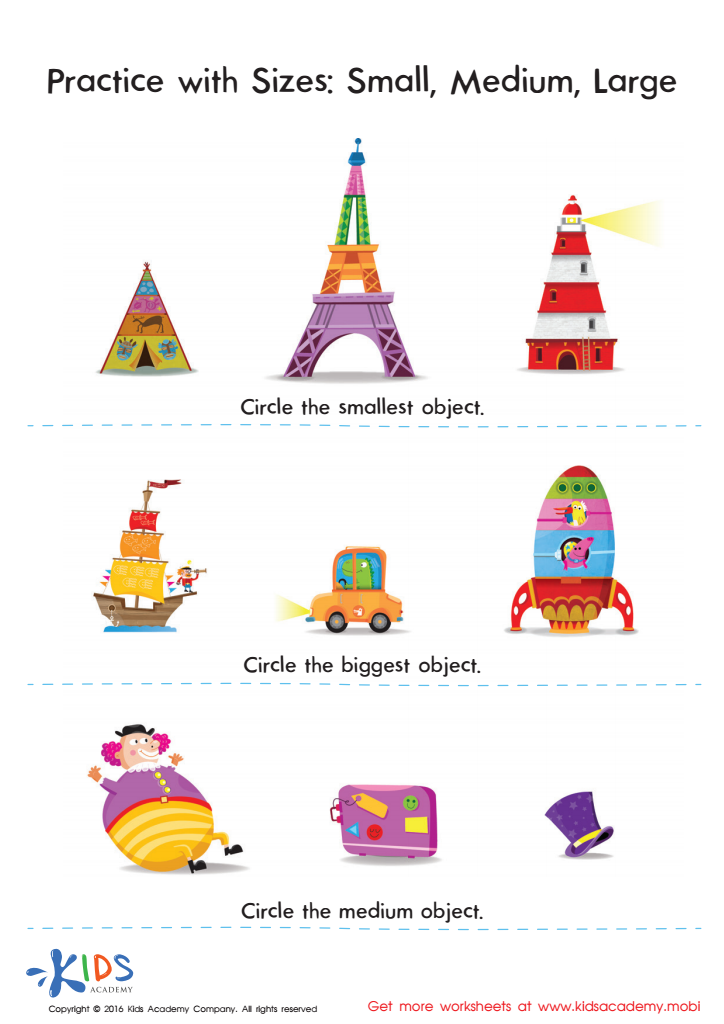
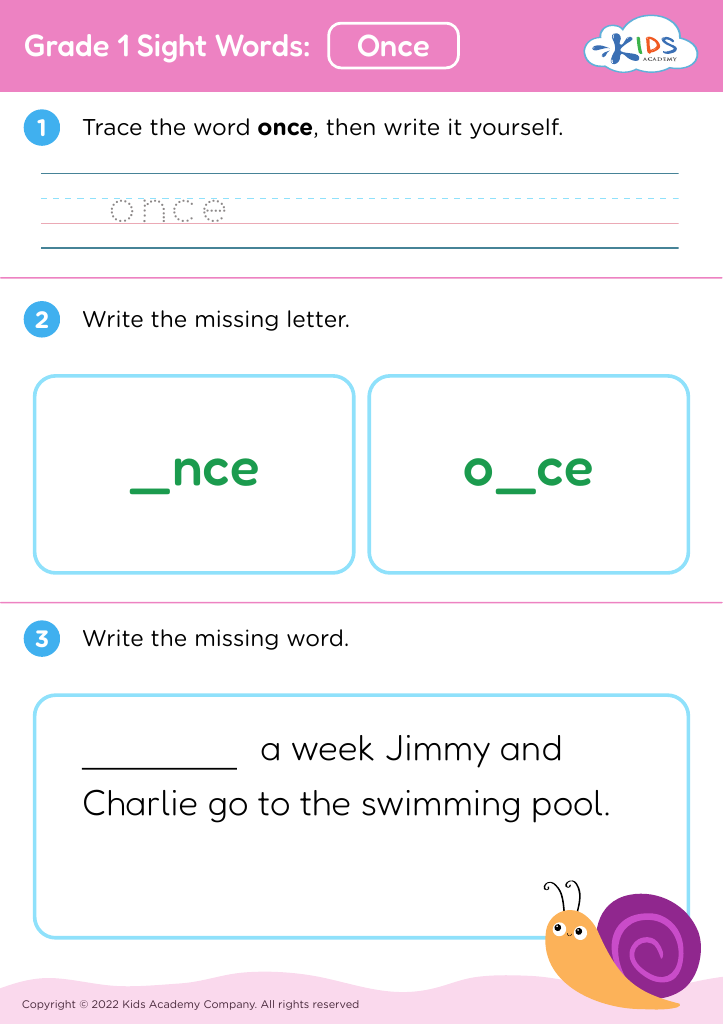
Explore our engaging Comparative Analysis Worksheets designed for children ages 4-7. These worksheets help young learners develop critical thinking skills by comparing and contrasting different objects, patterns, and more. With colorful images and stimulating activities, children will stay motivated as they enhance their observational and analytical skills. Perfect for both classroom and at-home learning, our worksheets support early educational development in a fun and interactive way. Provide your kids the tools to foster a sharp, inquisitive mind by integrating these compelling exercises into their routine. Jumpstart their learning journey at Kids Academy today!
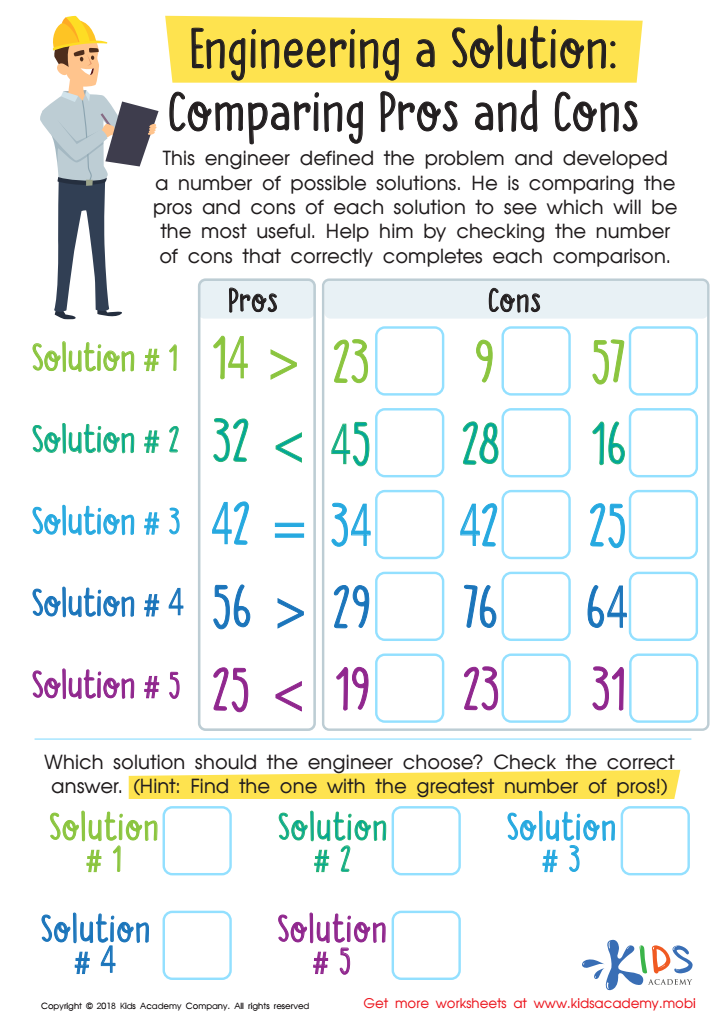
Engineering a Solution: Comparing Pros and Cons Worksheet
 Assign to My Students
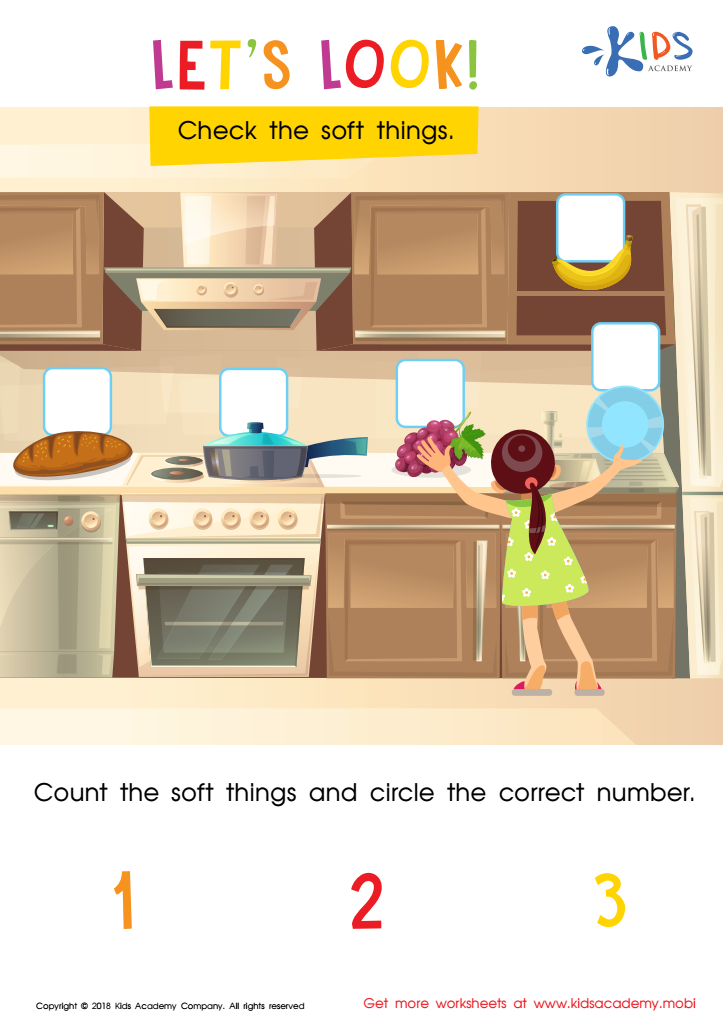
Let's Look! Assessment Worksheet
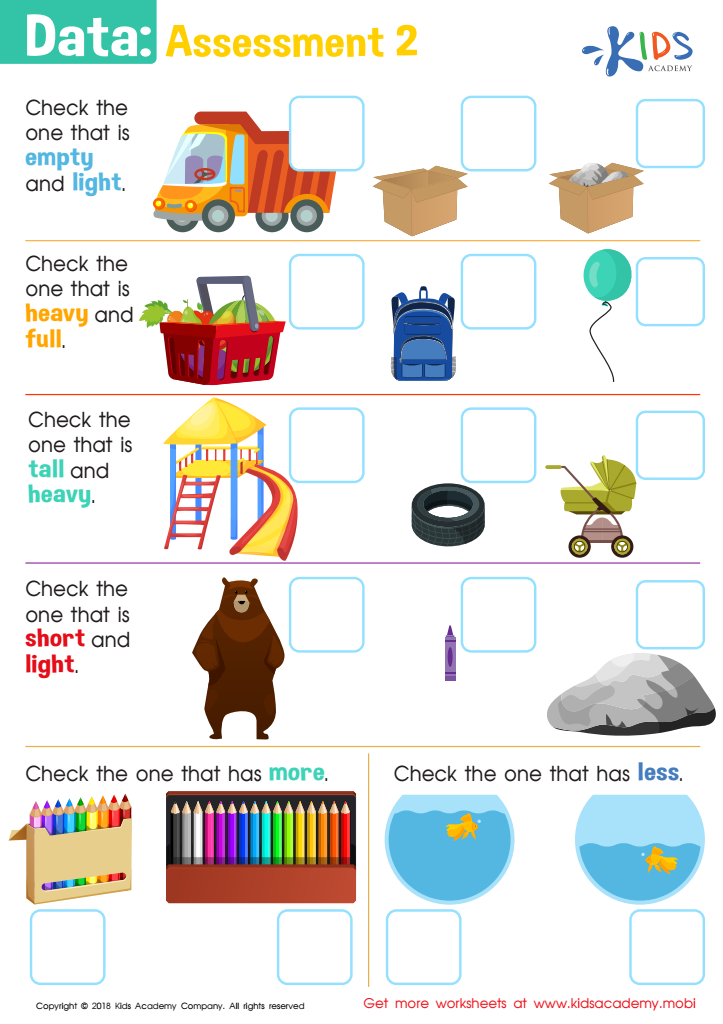
Data: Assessment 2 Worksheet
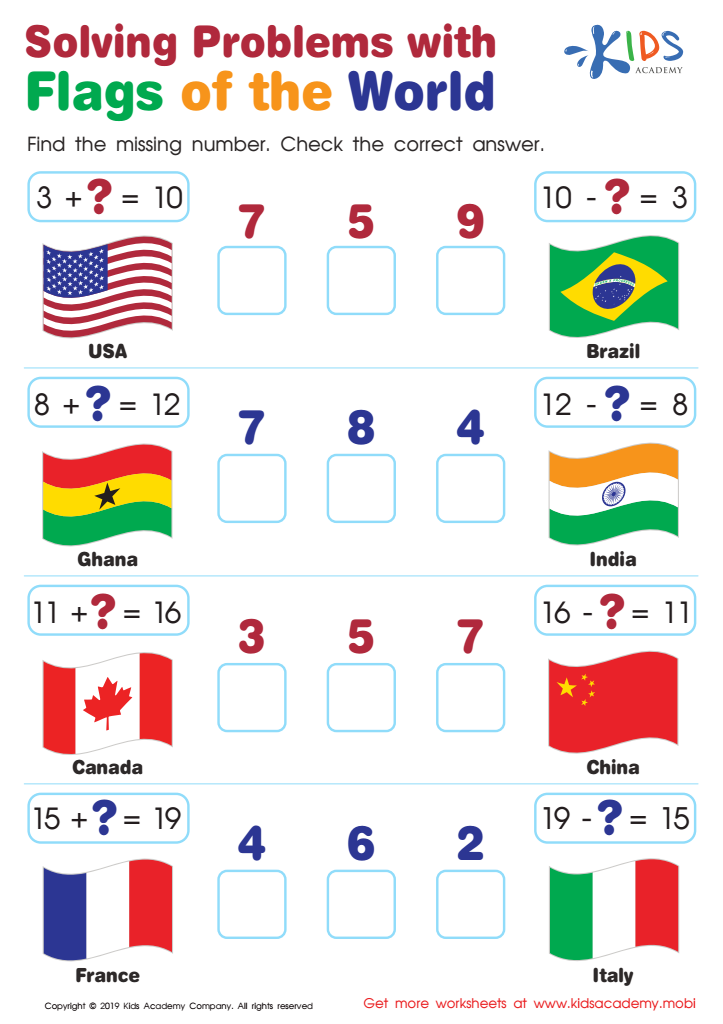
Solving Problems with Flags of the World Worksheet








Comparative analysis for ages 4-7 is essential because it enables parents and teachers to understand a child's developmental milestones in the context of their peers. This age range is a critical period for emotional, social, intellectual, and physical growth, and having a benchmark helps in identifying areas that may need attention or support. For instance, if a child's language or motor skills are significantly behind those of their peers, it could indicate the need for early intervention to address potential issues such as speech delays or fine motor difficulties.
Moreover, it fosters a tailored educational approach. By comparing a child's progress with standard developmental guidelines, educators and parents can plan appropriate activities that cater to the child’s needs, thereby enhancing learning and confidence. For example, if a child excels in certain areas but lags in others, a comparative analysis can help to devise a balanced learning schedule that fosters both strengths and weaknesses.
Finally, understanding the spectrum of typical development helps caregivers foster a positive environment. It reduces undue pressure by highlighting that variations in development are normal. It can also prompt a more inclusive classroom environment where diversity in abilities is embraced. Therefore, comparative analysis is pivotal for nurturing well-rounded, confident, and capable children.








