
Develop analytical thinking Worksheets for Ages 4-7
4 filtered results
Difficulty Level
Grade
Age
-
From - To
Subject
Activity
Standards
Unlock your child's potential with our engaging analytical thinking worksheets designed specifically for ages 4 to 7. These worksheets foster critical thinking skills through fun activities that promote problem-solving, pattern recognition, and logical reasoning. Each worksheet is thoughtfully crafted to challenge young minds while keeping learning enjoyable. Your child will explore puzzles, identify relationships, and sort information, paving the way for a strong foundation in analytical thinking. Perfect for home or classroom use, these resources empower educators and parents to nurture essential skills for lifelong success. Start your journey towards developing analytical thinkers today with our free, printable worksheets!
Favorites
With answer key
Interactive
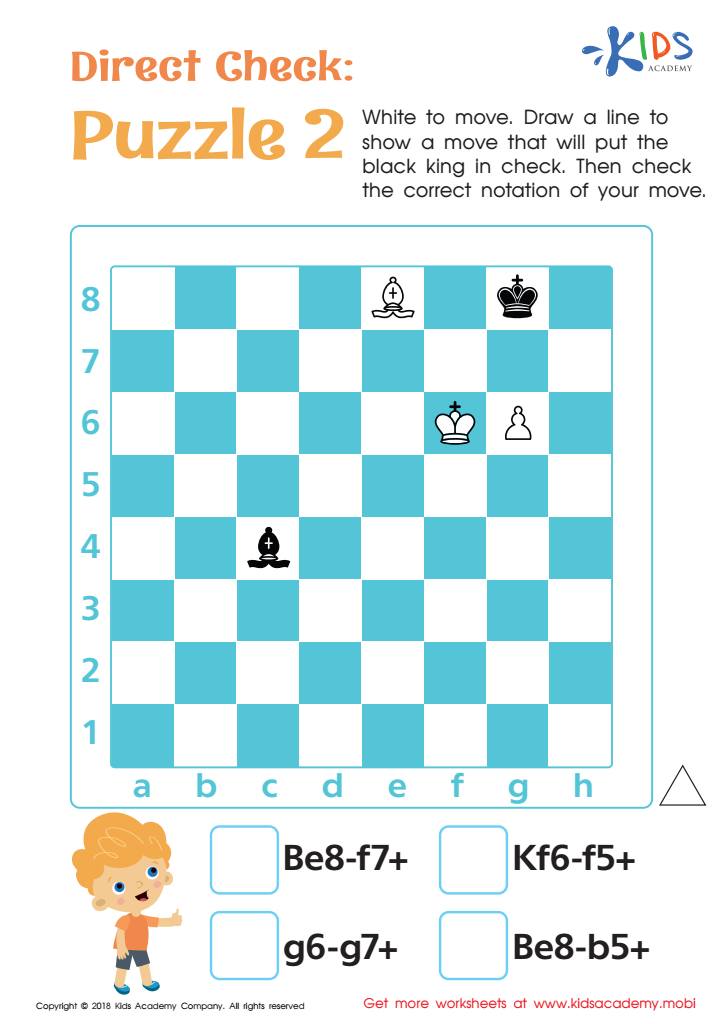
Direct Check: Puzzle 2 Worksheet
Test your kid's chess skills with this worksheet. Help them draw a line to put the black king in checkmate, then check the correct notation from the provided options. This will help them understand the correct notation of each move they make.
 Assign to My Students
Direct Check: Puzzle 2 Worksheet
Worksheet
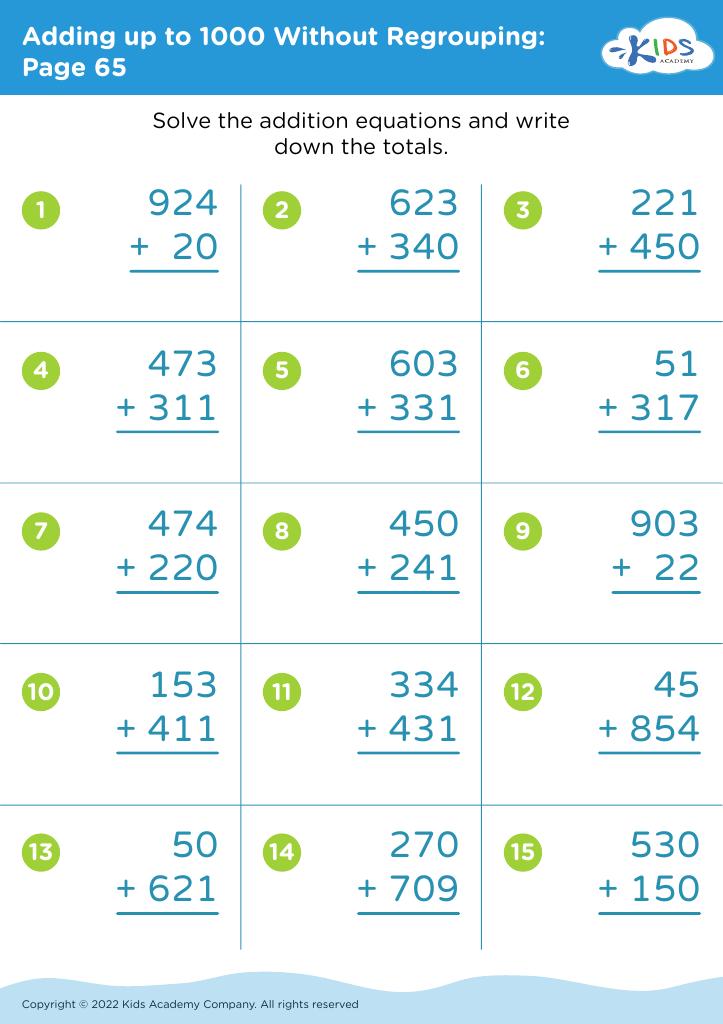
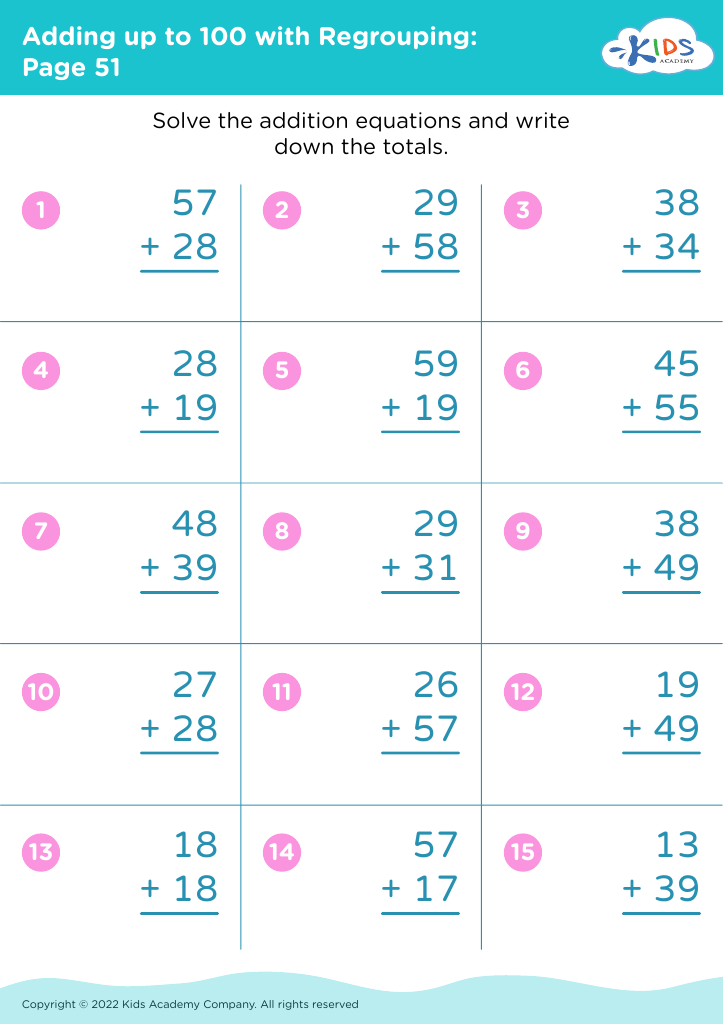
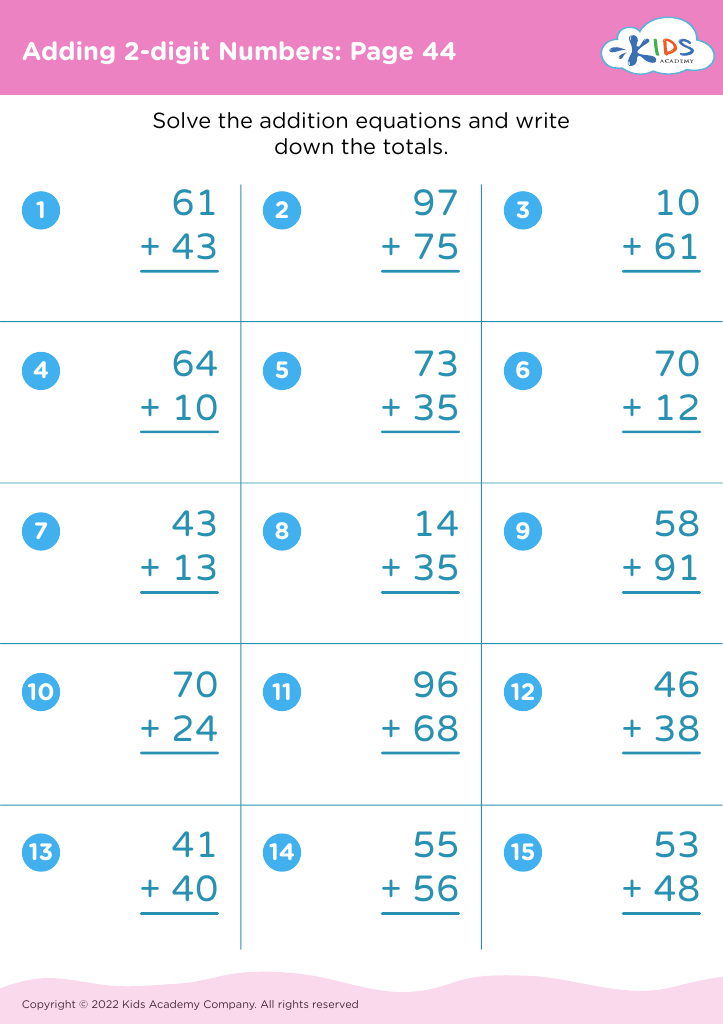
Join Kids Academy for Free
Who is primarily going to use this learning content?






Developing analytical thinking in children aged 4-7 is crucial for several reasons. At this stage, children are naturally curious and eager to explore the world around them. By fostering analytical thinking, parents and teachers can nurture this curiosity, encouraging children to ask questions, identify patterns, and make connections between different concepts. These skills form the foundation for problem-solving and critical thinking, essential tools that will benefit them throughout their education and lives.
Additionally, children who develop analytical thinking are more adept at interpreting information, allowing them to engage with lessons more deeply and retain knowledge more effectively. It promotes independence in learning, as they become equipped to find solutions and make decisions on their own.
Furthermore, encouraging these skills enhances emotional intelligence, as children learn to assess situations, understand differing viewpoints, and develop empathy for others. Early development of analytical skills also correlates with improved academic performance, giving children a head start in their future education.
In summary, investing in the development of analytical thinking for young children creates a more enriching learning environment and prepares them for lifelong success. Parents and teachers play a pivotal role in guiding this process, establishing the framework for children to thrive as critical thinkers.








