Developing problem-solving abilities Worksheets for Ages 4-7
6 filtered results
-
From - To
Our "Developing Problem-Solving Abilities Worksheets for Ages 4-7" are designed to enhance critical thinking and creativity in young learners. These engaging, age-appropriate worksheets cover a wide range of fun activities, including puzzles, pattern recognition, and logical reasoning exercises. Carefully crafted by education experts, the worksheets aim to boost children's confidence as they navigate challenges and develop essential life skills. Ideal for classroom and at-home learning, these printables help children build a strong foundation in problem-solving, preparing them for more complex tasks ahead. Unlock your child's potential with our expertly designed problem-solving worksheets!
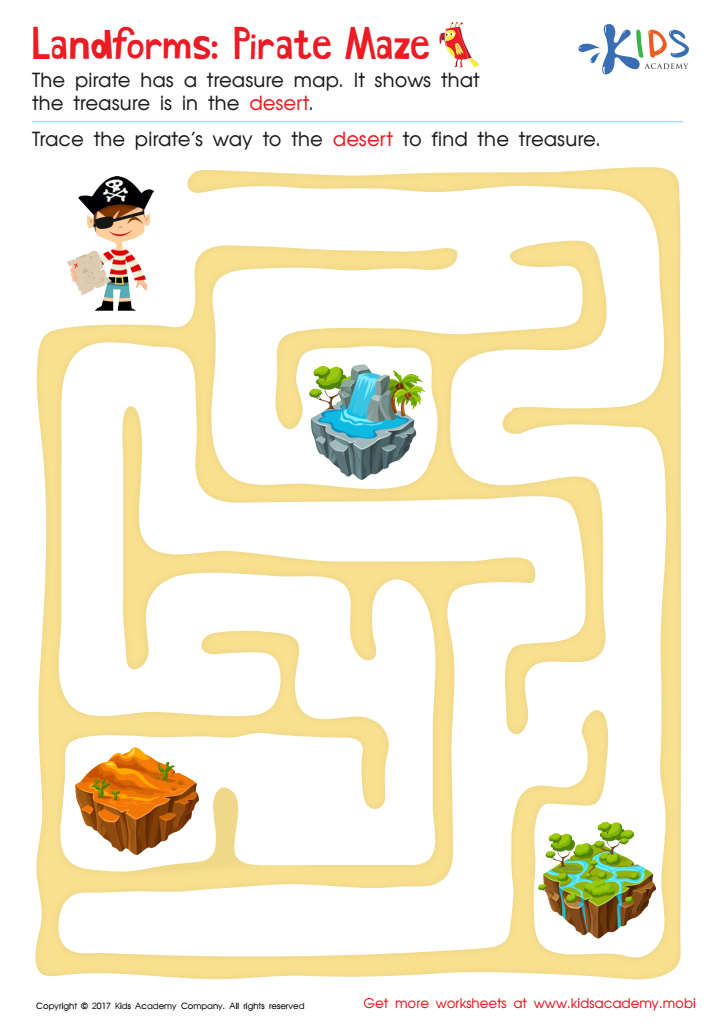
Landforms: Pirate Maze Printable
 Assign to My Students
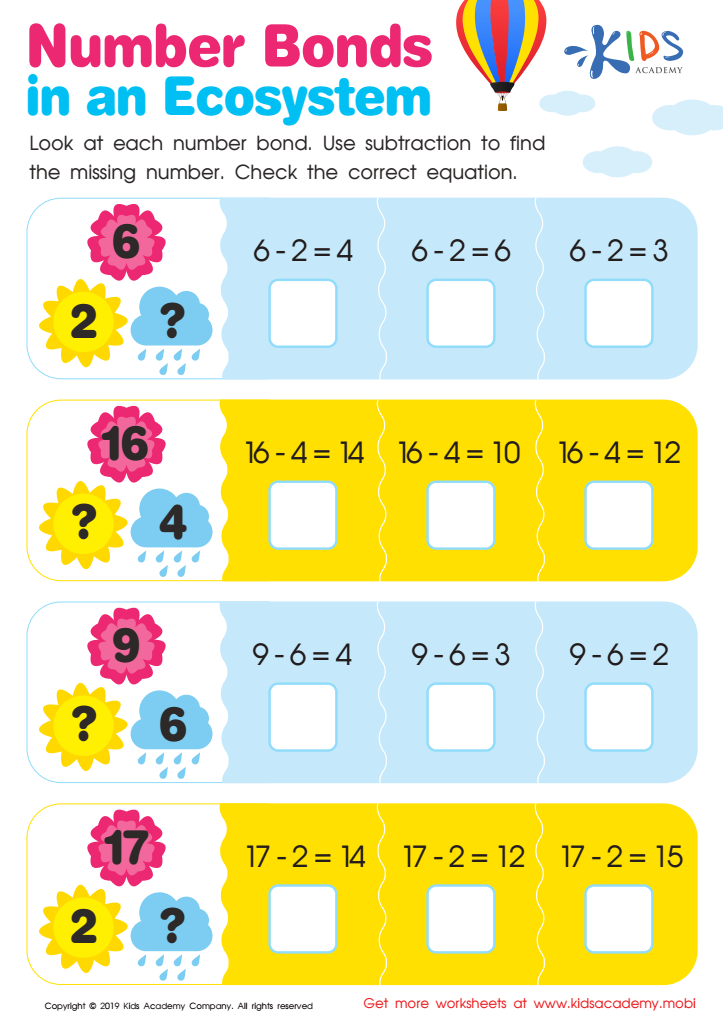
Number Bonds in an Ecosystem Worksheet
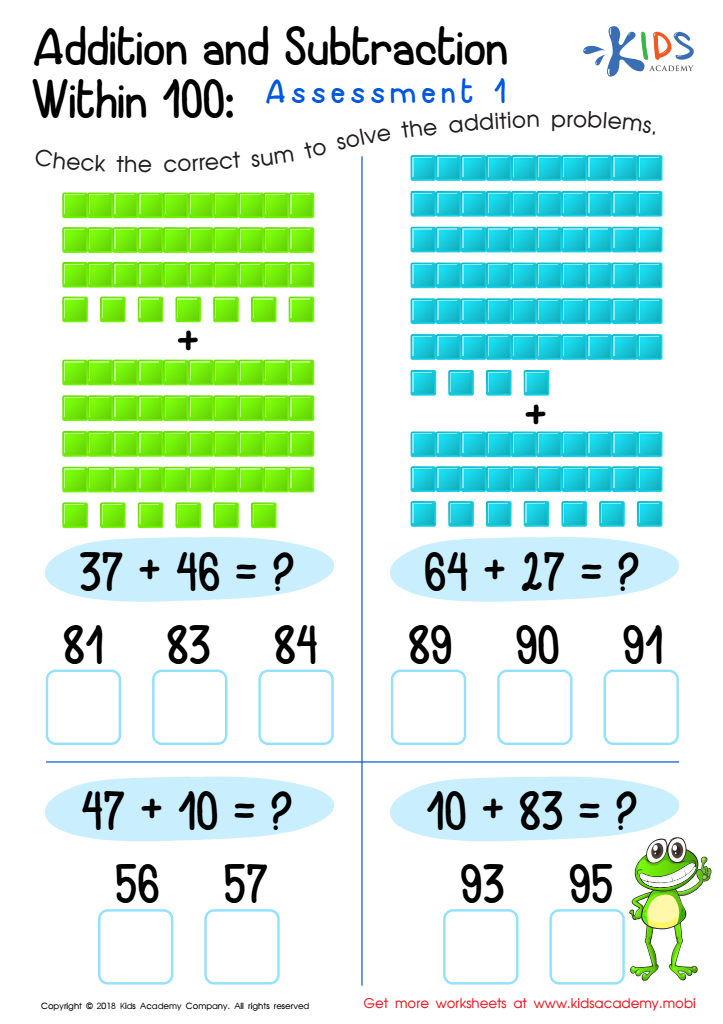
Addition and Subtraction Within 1: Assessment 1 Worksheet
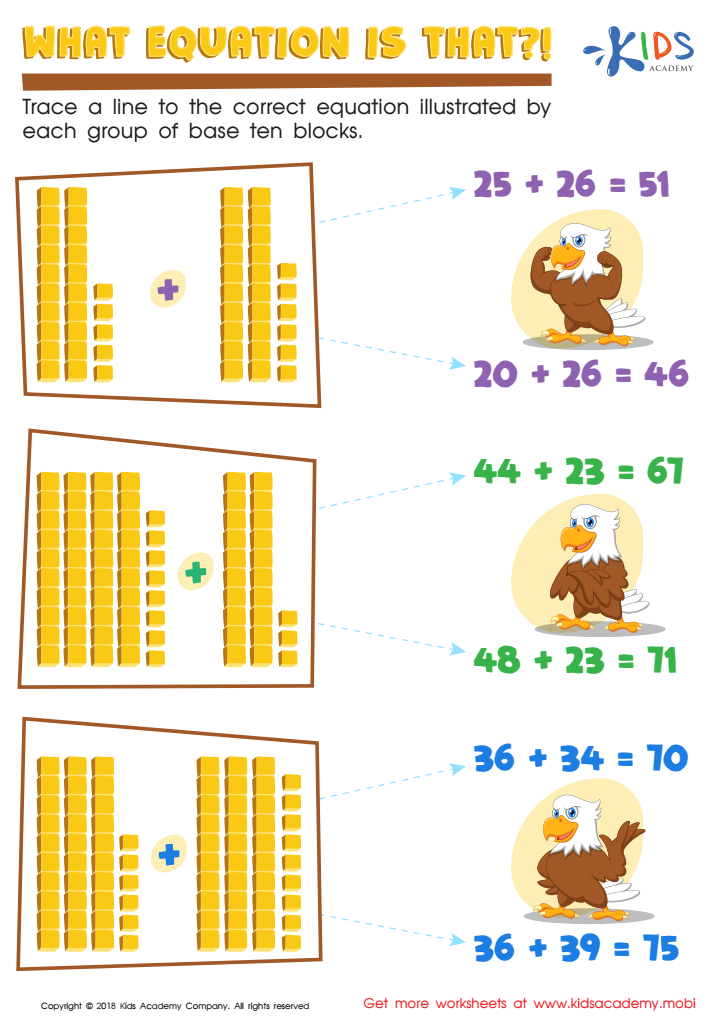
What Equation Is That? Worksheet


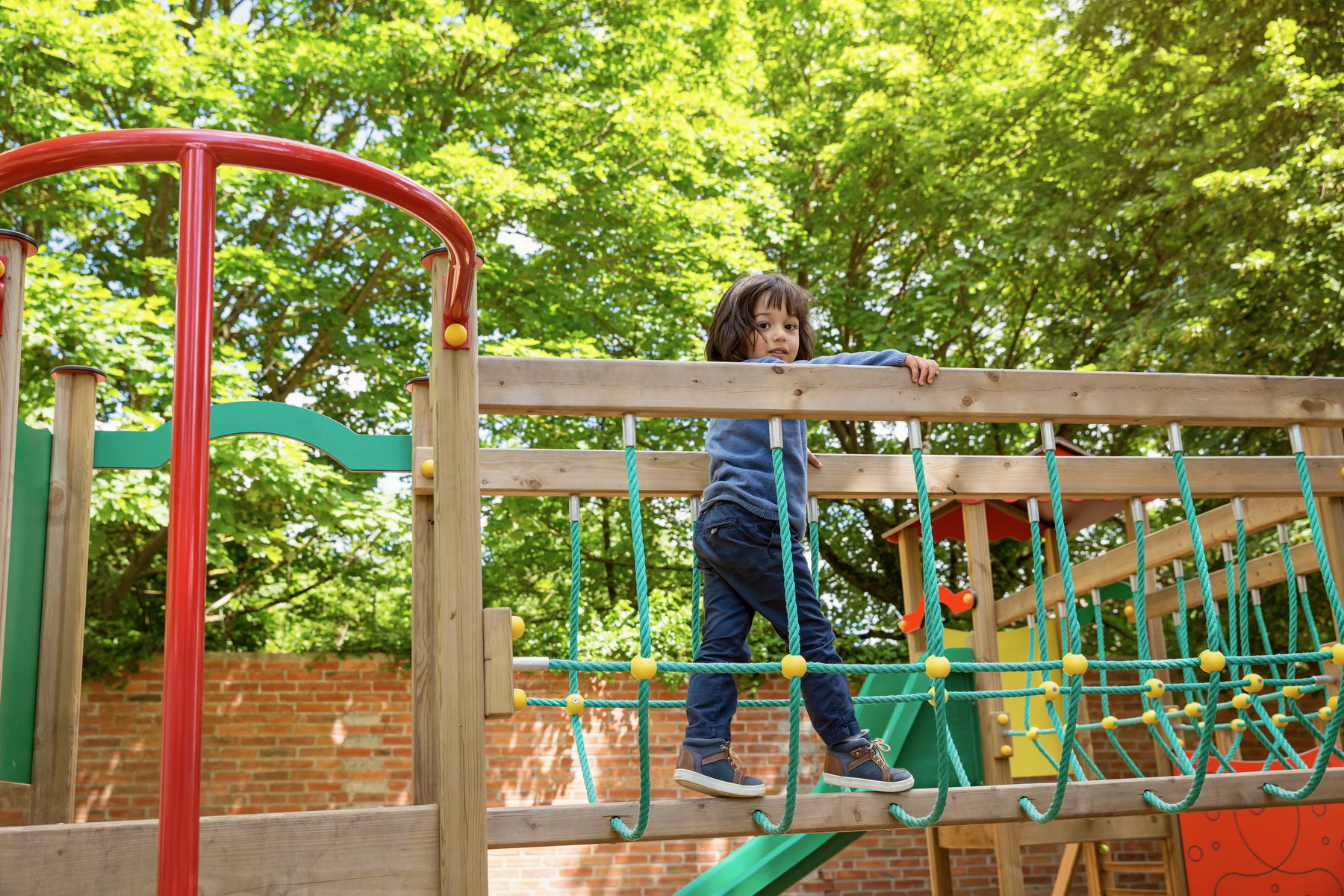
.jpg)




Developing problem-solving abilities in children ages 4-7 is essential for building a strong foundation for their future learning and success. At this crucial developmental stage, young minds are highly receptive and adaptable. Teaching problem-solving skills early on helps stimulate cognitive growth by encouraging kids to think critically and analytically. These skills are not confined to academic success alone; they also foster resilience and adaptability, essential traits for navigating life's complexities.
Problem-solving tasks enhance children's ability to understand cause and effect, a fundamental aspect of logical thinking. They also teach perseverance, as children learn that challenges can be overcome through effort and creative thinking. Enhancing these skills promotes independence, enabling children to explore solutions on their own rather than relying on adults for answers.
In social settings, problem-solving capabilities encourage collaborative play, as kids work together to brainstorm solutions. This cooperation builds communication and empathy, vital components of healthy interpersonal relationships. Importantly, it also boosts self-confidence, as successfully resolving problems gives children a sense of accomplishment and an intrinsic reward for their efforts.
Overall, prioritizing problem-solving development equips children with critical life skills that extend well beyond the classroom, preparing them to face an ever-changing world with poise, confidence, and a toolkit of strategies to tackle challenges.








