Directional understanding Worksheets for Ages 4-7
6 filtered results
-
From - To
Explore our engaging Directional Understanding Worksheets designed specifically for children aged 4-7. These interactive activities help young learners develop essential spatial awareness and navigation skills, crucial for their cognitive development. Our thoughtfully crafted worksheets introduce concepts like left and right, up and down, and various directional cues through fun exercises and illustrations. Perfect for at-home learning or classroom activities, these worksheets are aligned with early learning standards, making them an ideal resource for teachers and parents alike. Boost your child's directional skills and confidence with our playful and educational materials that encourage exploration and learning through play!
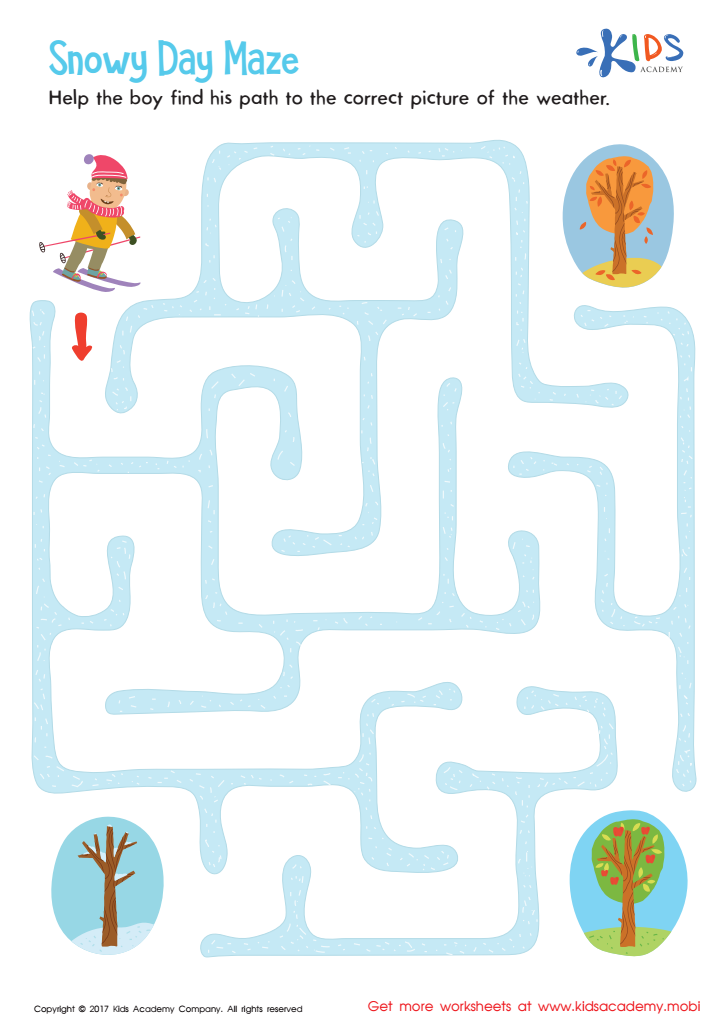
 Assign to My Students
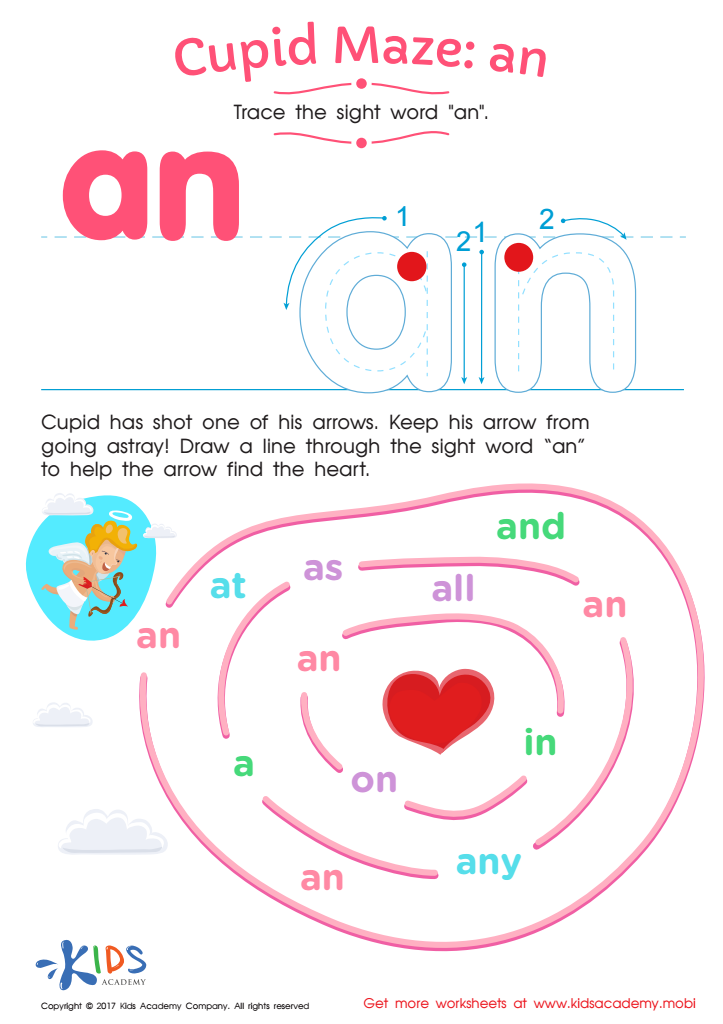
Cupid Maze: An Printable
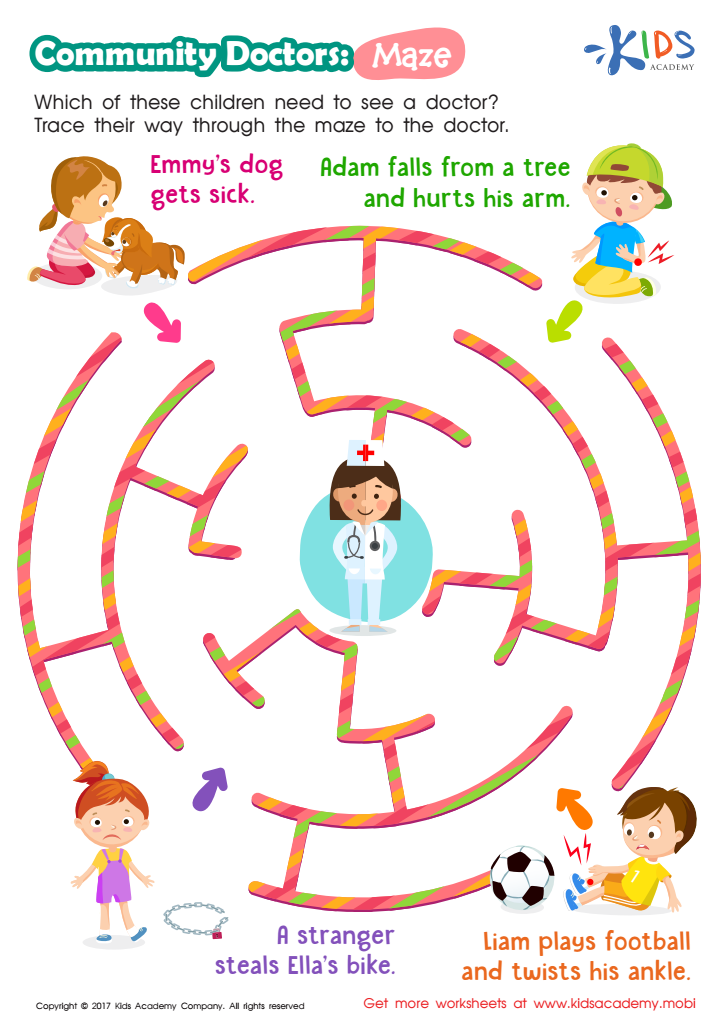
Community Doctors: Maze Printable
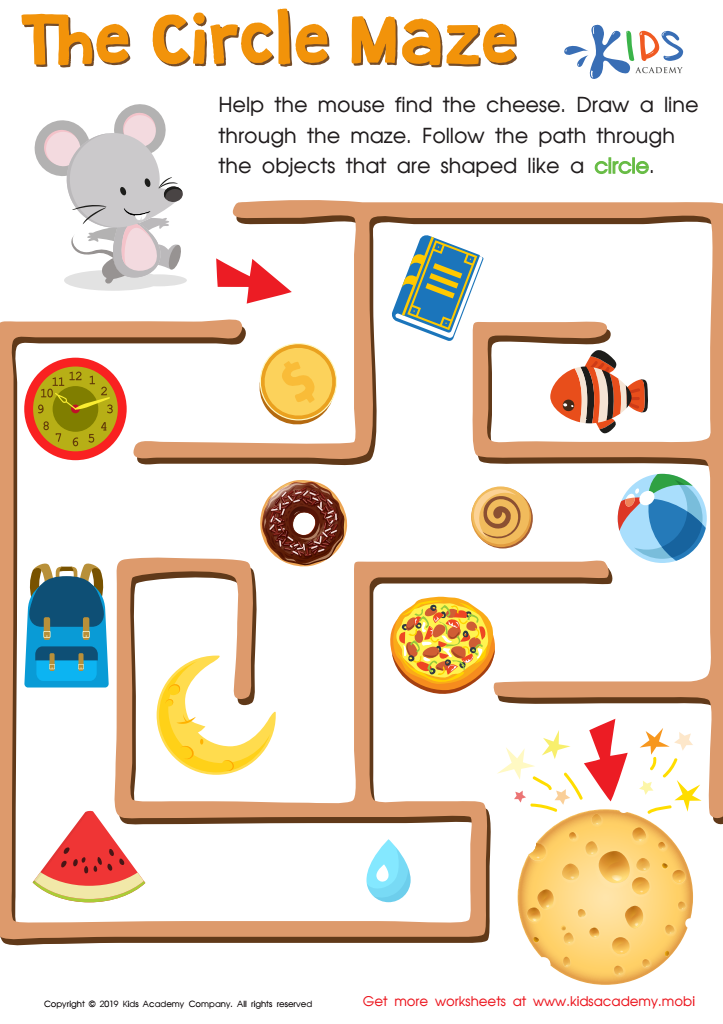
The Circle Maze Worksheet
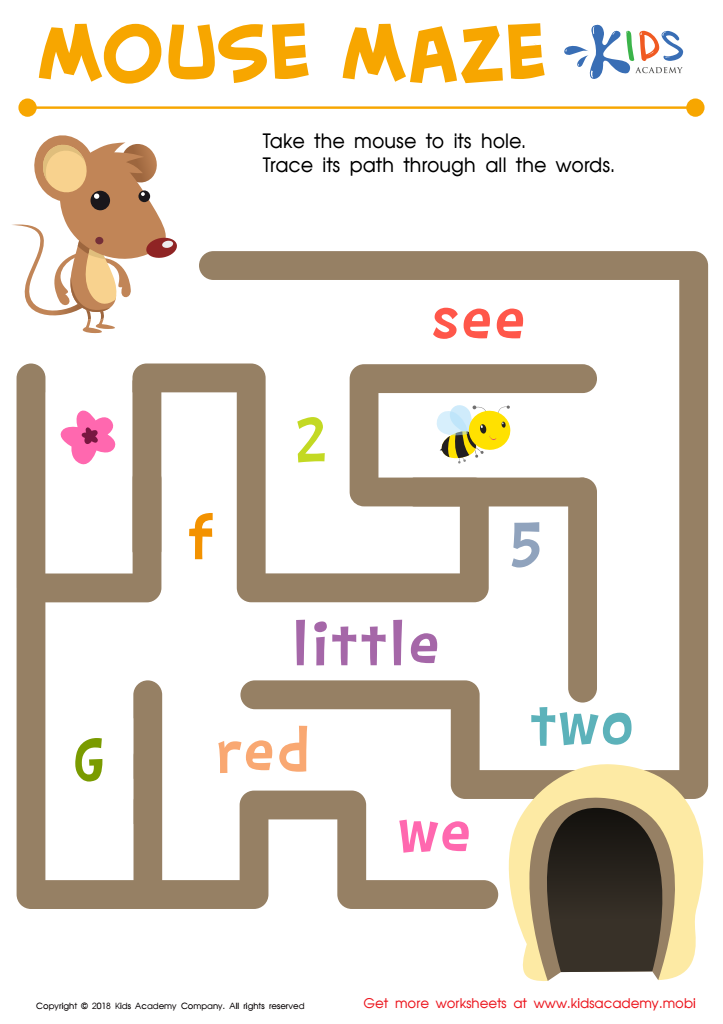
Find Words Mouse Maze Worksheet
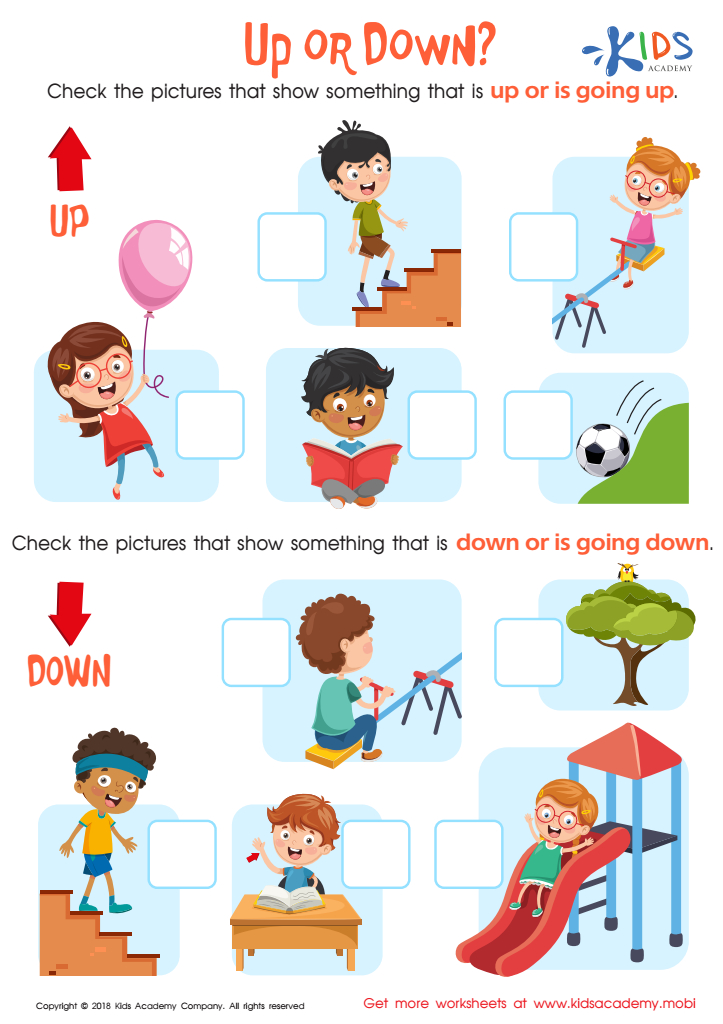
Up or Down Worksheet








Directional understanding is crucial for children aged 4-7 as it serves as a foundation for many developmental skills essential for everyday life and future learning. At this age, children are rapidly exploring their environment, and grasping concepts of direction—like up, down, left, right, forward, and backward—enhances their spatial awareness. This awareness is vital for simple tasks such as following instructions, navigating spaces, and even basic problem-solving scenarios.
Moreover, mastering directional concepts aids in literacy development. For instance, understanding that text is read from left to right and recognizing spatial cues in illustrations helps cultivate reading skills. Similarly, as children engage in mathematics, directional language assists them in visualizing shapes and patterns, critical for numerical competence.
Furthermore, fostering directional understanding promotes cognitive development. It encourages children to create mental maps of their surroundings and better understand their relationship with objects and spaces. Ultimately, parents and teachers should prioritize directional understanding as it enriches children's communication skills, boosts confidence in learning, and lays the groundwork for successful navigation of both academic and social experiences as they grow.








