Enhancing categorization skills Worksheets for Ages 4-7
4 filtered results
-
From - To
Welcome to our Enhancing Categorization Skills Worksheets for Ages 4-7 page! Here, you'll find engaging and interactive printable worksheets designed to help young learners master the art of categorization. These resources are perfect for developing critical thinking and organizational skills as children group items based on colors, shapes, and sizes. Aligned with early learning standards, our worksheets encourage creativity and enhance cognitive abilities. Ideal for educators and parents alike, these materials foster a fun learning environment while preparing children for more advanced concepts. Explore our extensive collection and support your child's growth in categorization skills today!
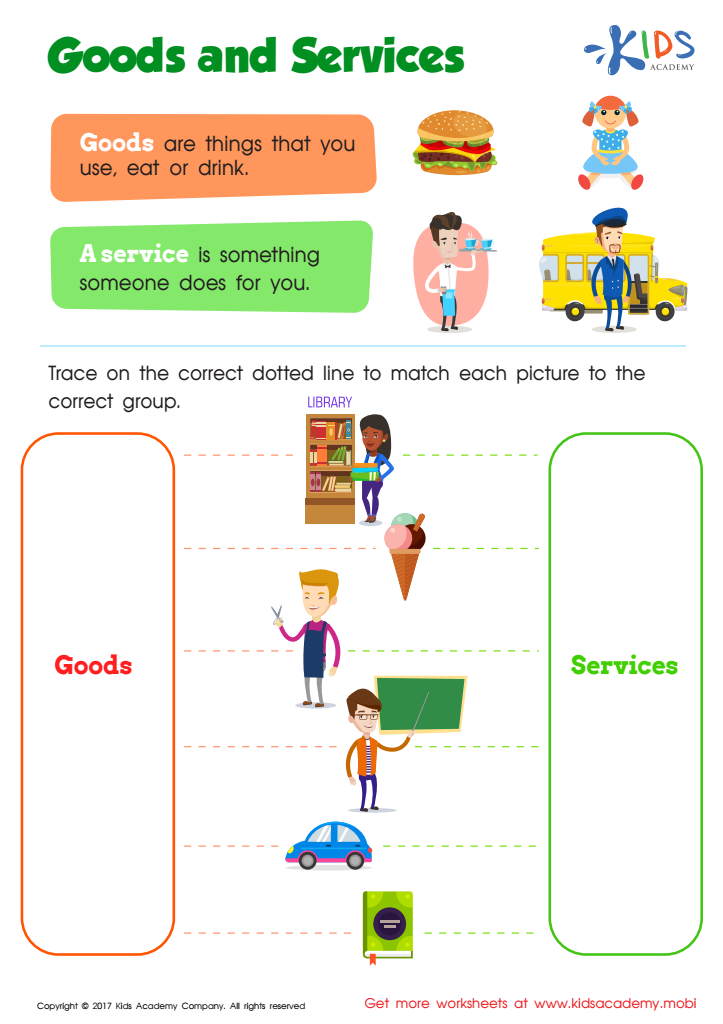
 Assign to My Students
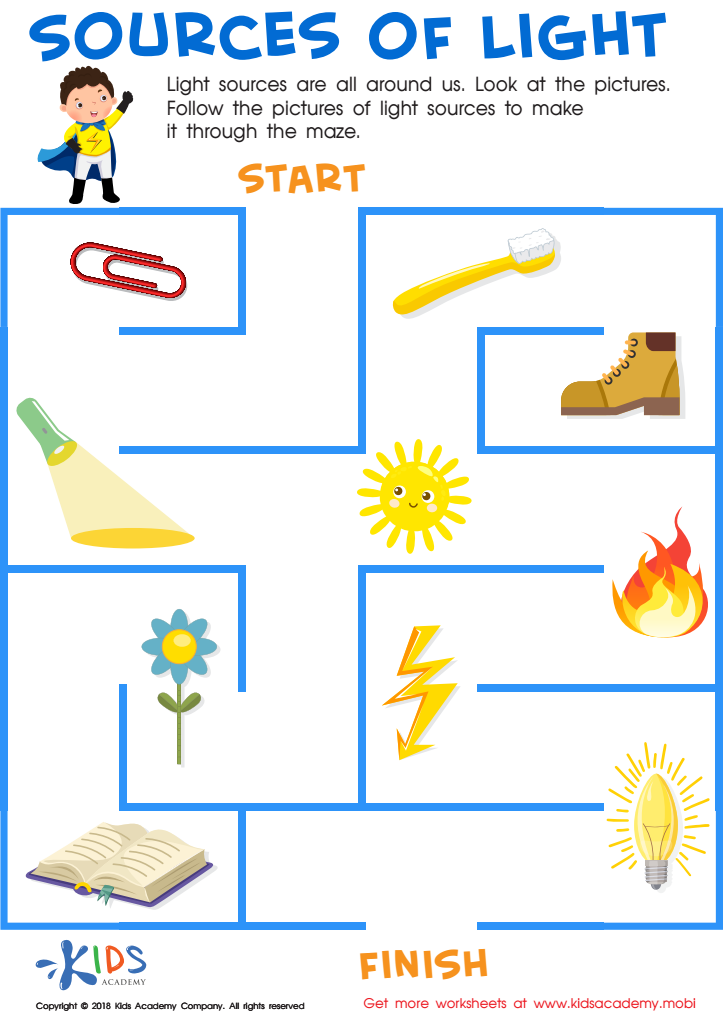
Sources of Light Worksheet
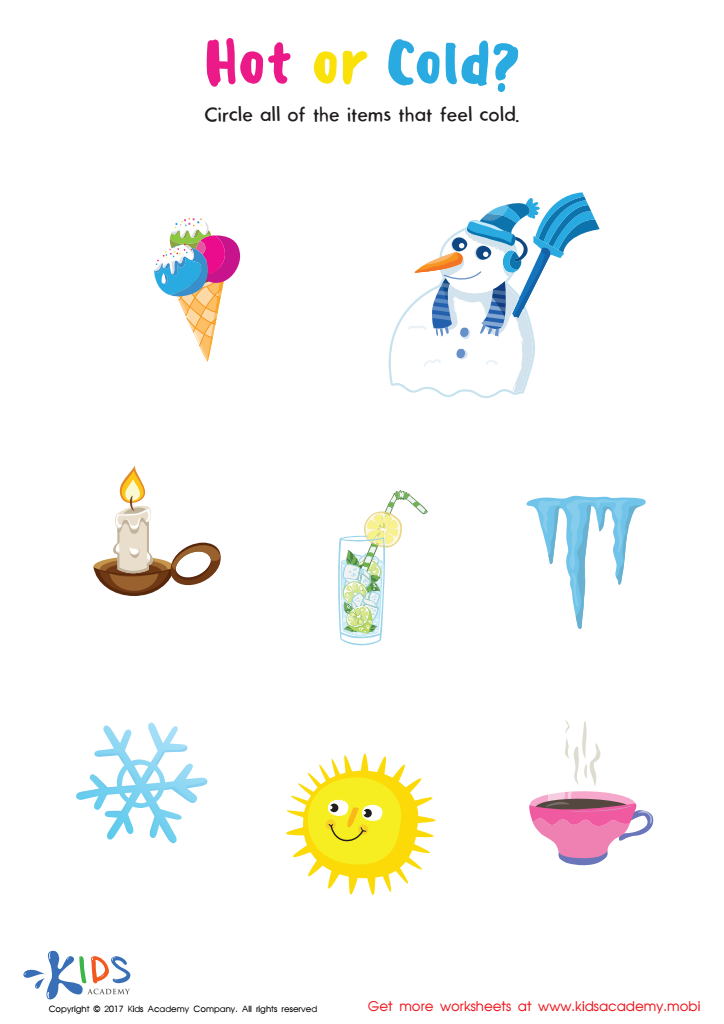
Hot or Cold Printable
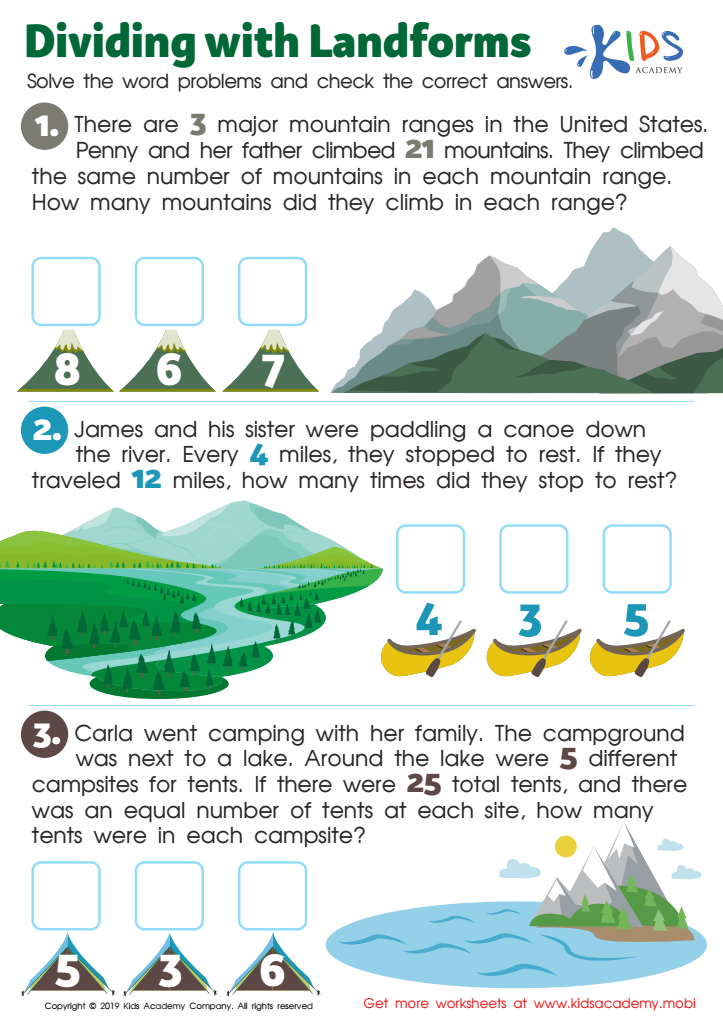
Dividing with Landforms








Enhancing categorization skills in children aged 4-7 is crucial for their cognitive development and overall learning. At this early stage, children's brains are extraordinarily receptive to new information and experiences. By encouraging them to categorize objects, events, and emotions, we help them to organize their thoughts and make sense of the world around them.
Effective categorization fosters critical thinking and problem-solving abilities. When children learn to group similar items together—whether it's classifying animals, toys, or even colors—they develop essential analytical skills that form the foundation for more complex reasoning later on. Moreover, strong categorization skills can boost vocabulary and communication, as children learn to describe and differentiate between categories.
Additionally, social-emotional skills can be enhanced through categorization, as children begin to understand different emotions and social cues associated with various groups. Practicing categorization can also improve attention span and focus, as it requires children to engage deeply with the task at hand.
For parents and teachers, supporting these skills through play, games, and everyday activities can significantly impact a child's academic success, creativity, and social interactions, establishing a more promising foundation for lifelong learning. A focus on these skills today will yield substantial benefits for children in the future.








