Fine motor skills (writing) Worksheets for Ages 4-7 - Page 2
45 filtered results
-
From - To
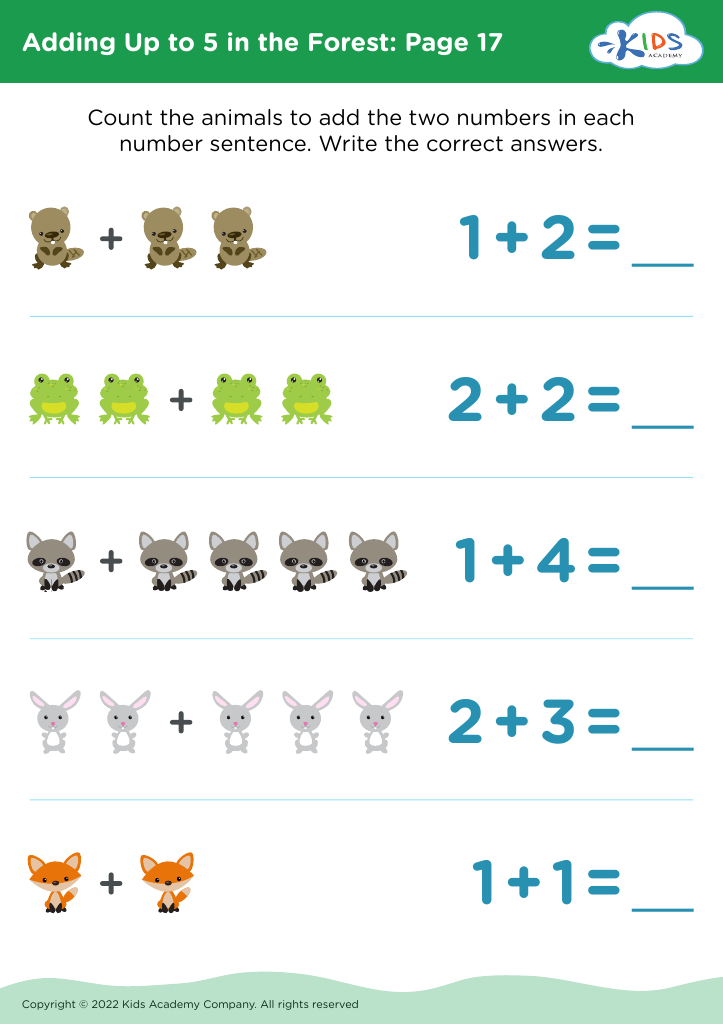
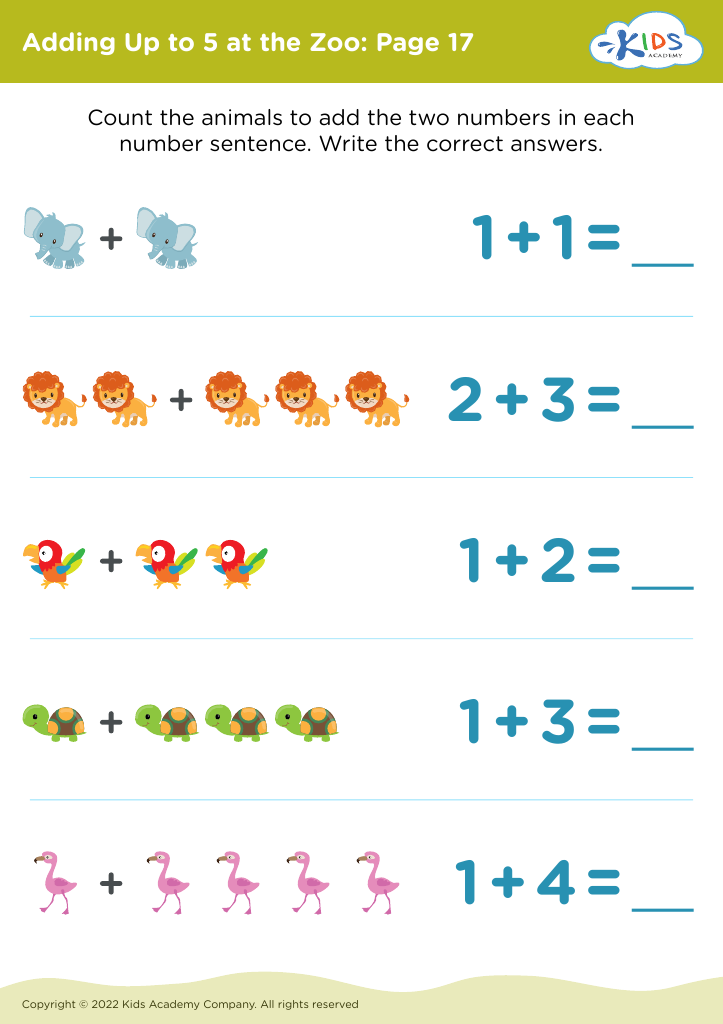
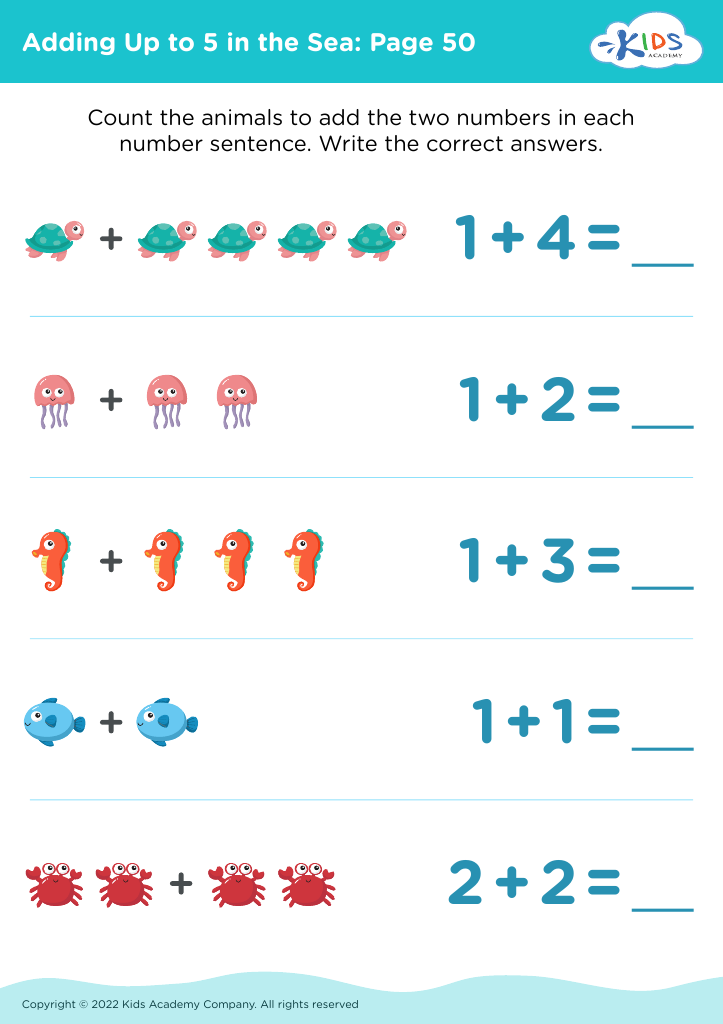
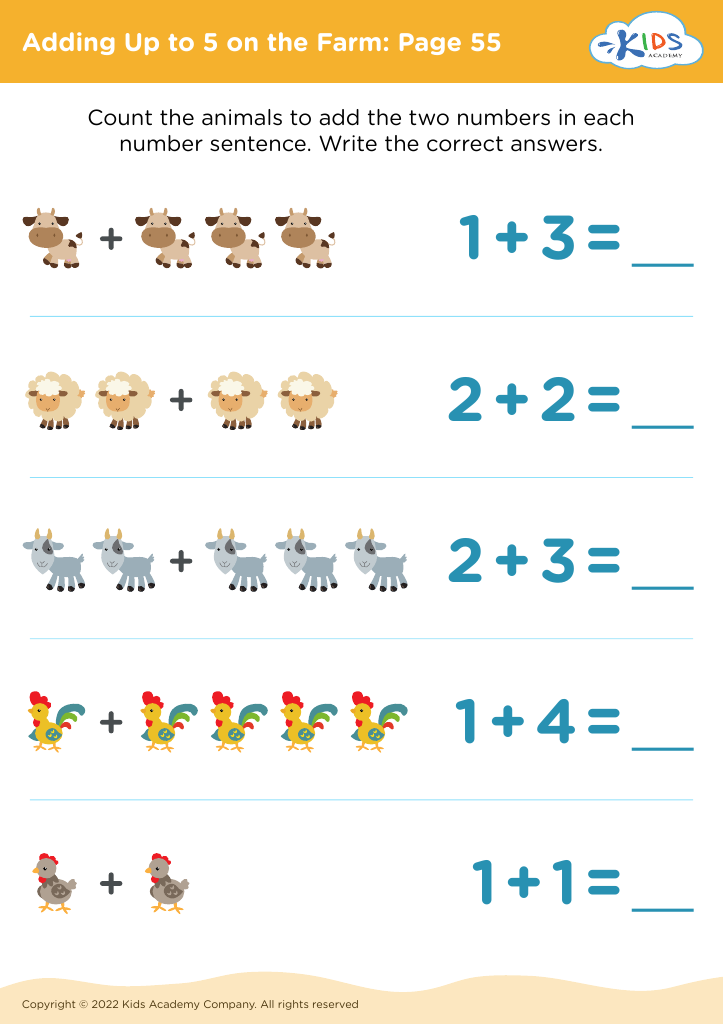

Thanksgiving Holiday Printable
 Assign to My Students
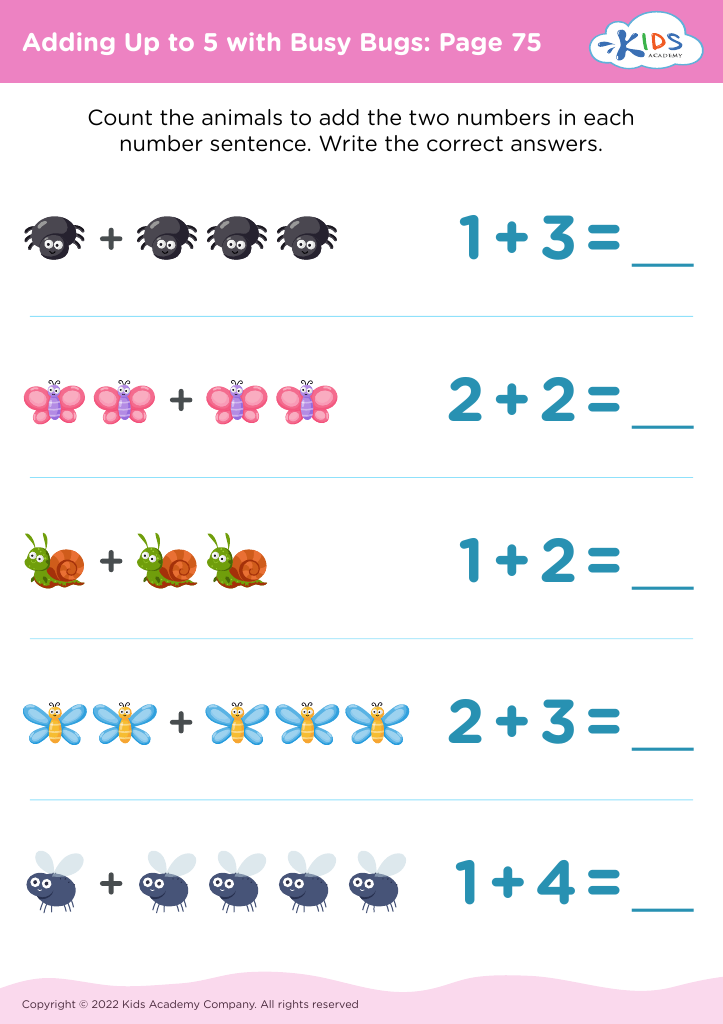
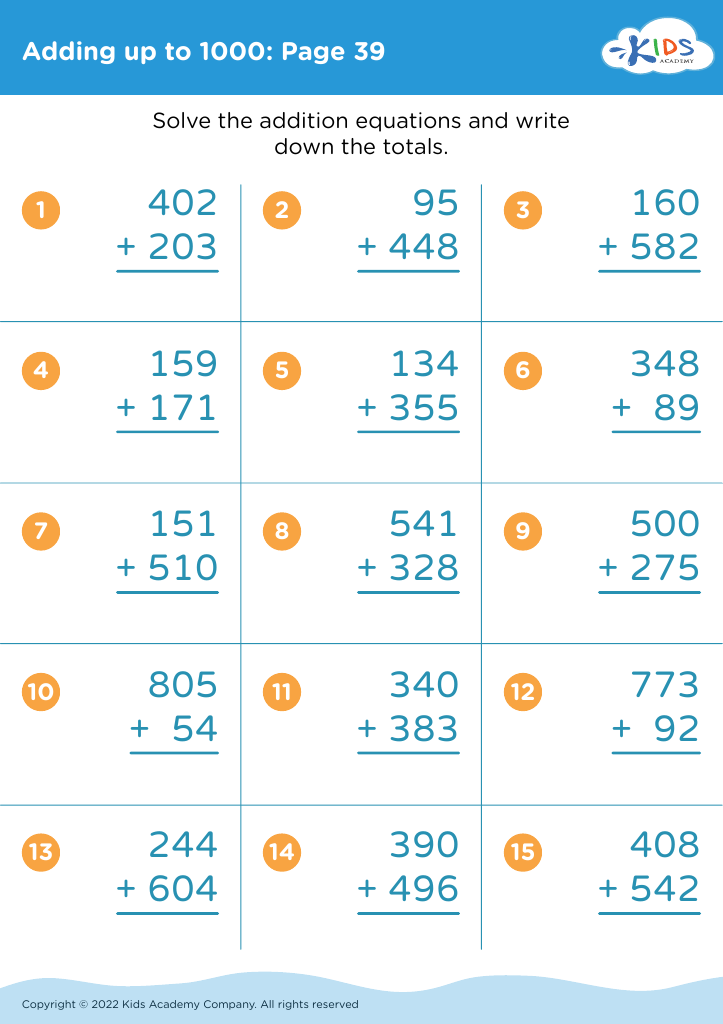
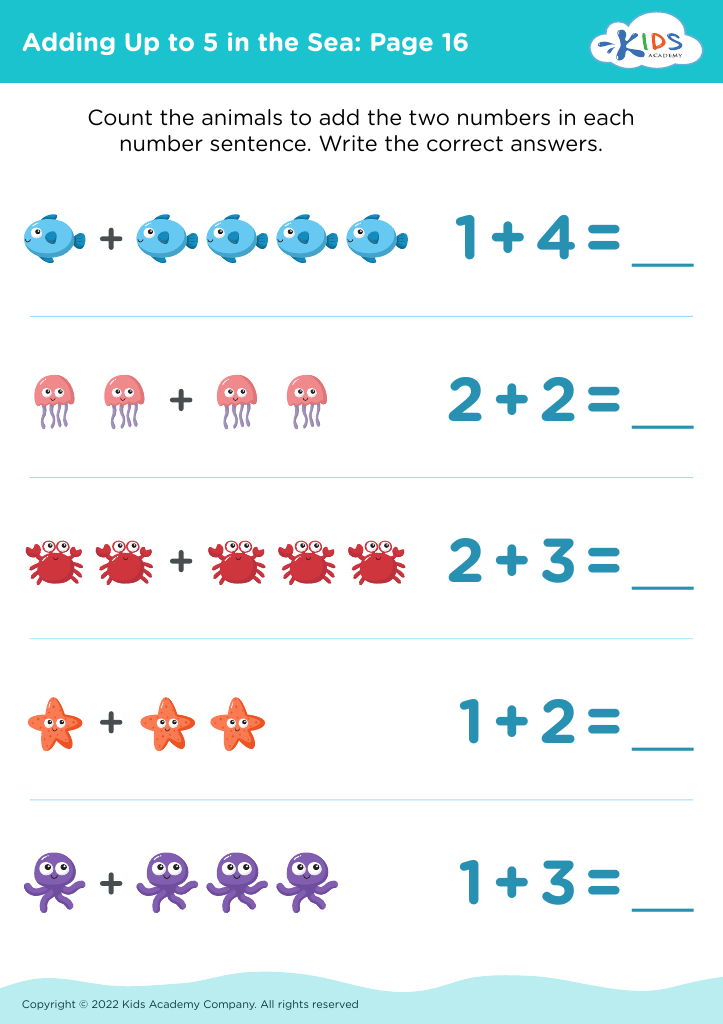
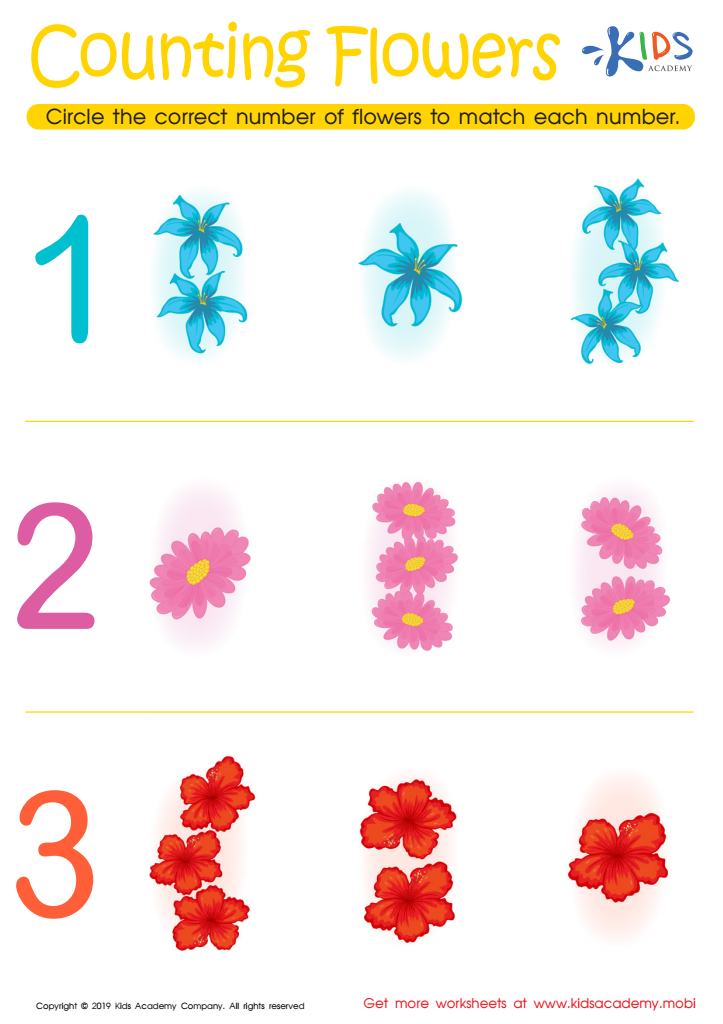
Counting Flowers Worksheet
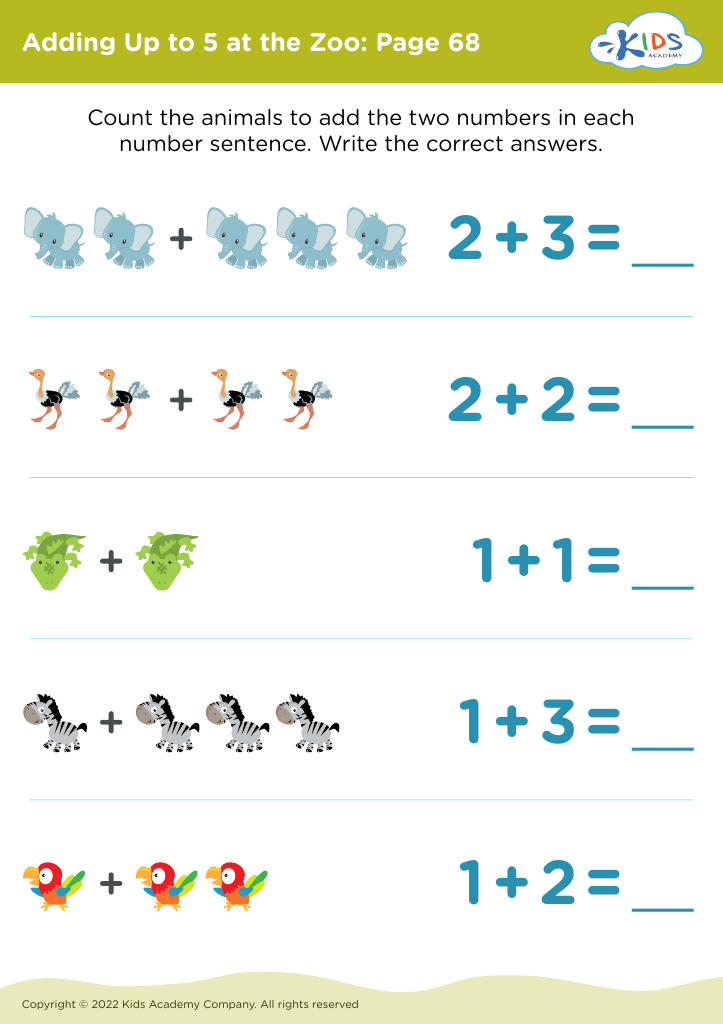
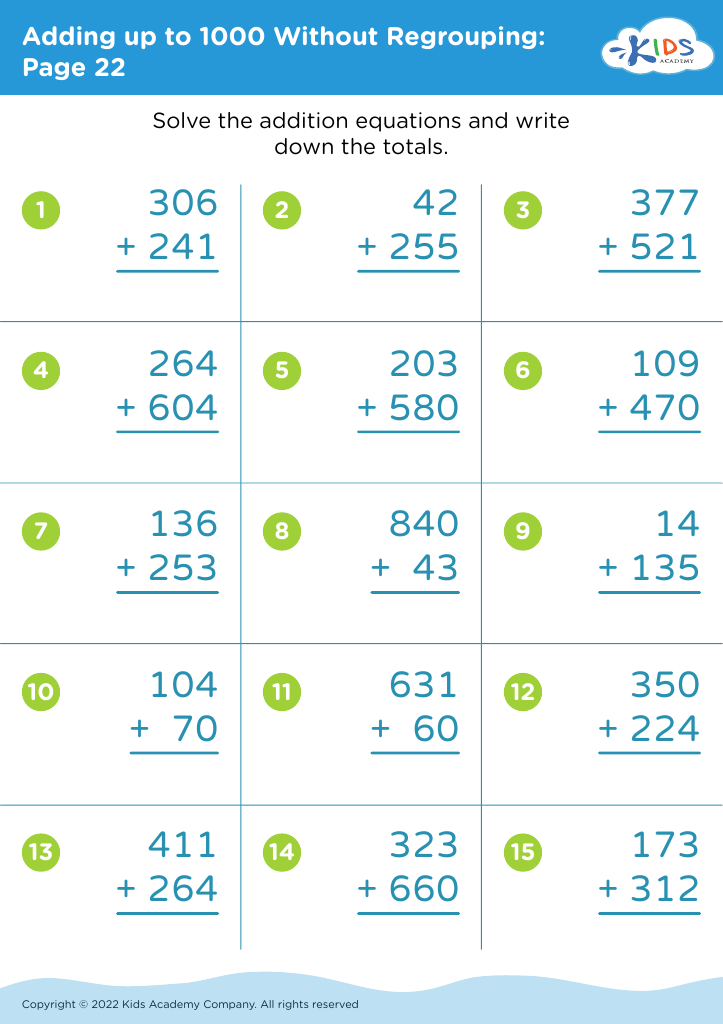
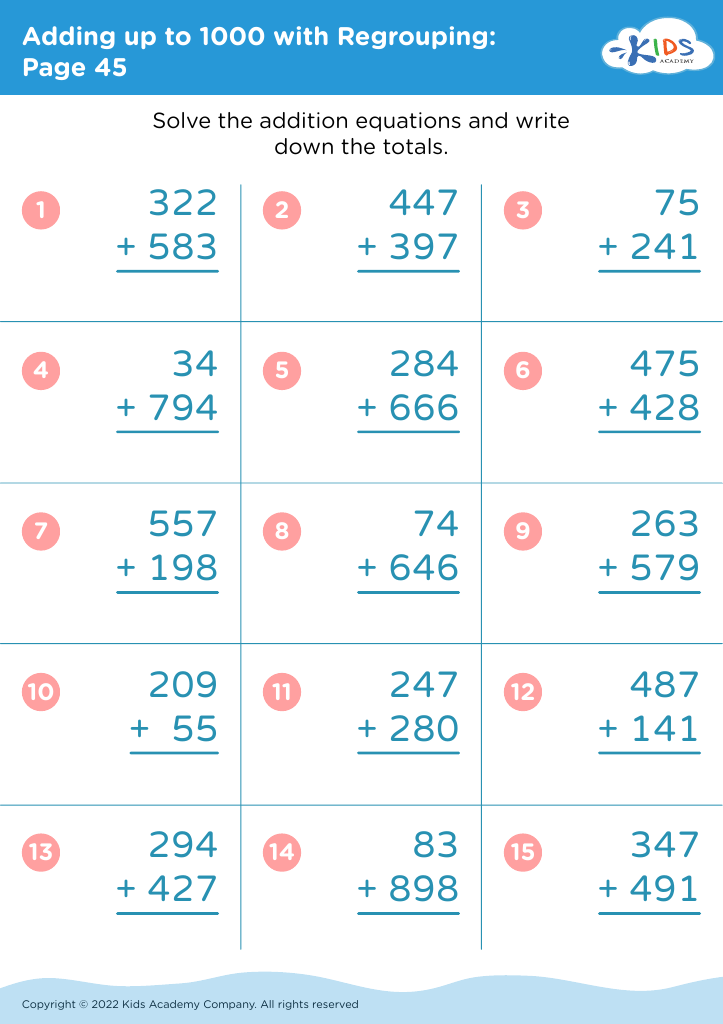
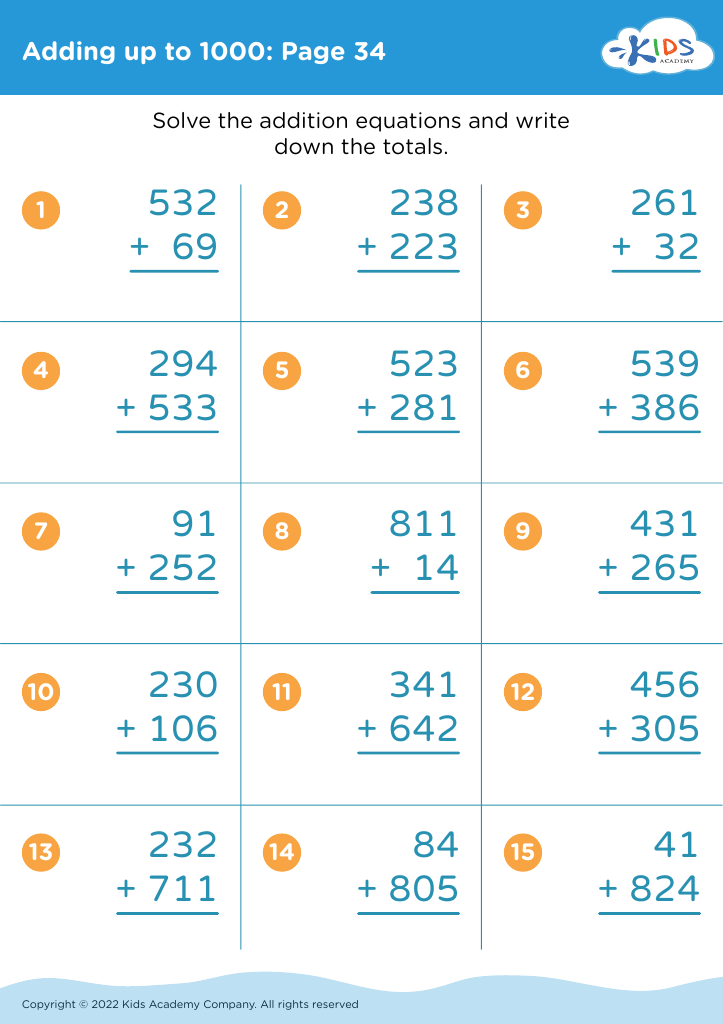
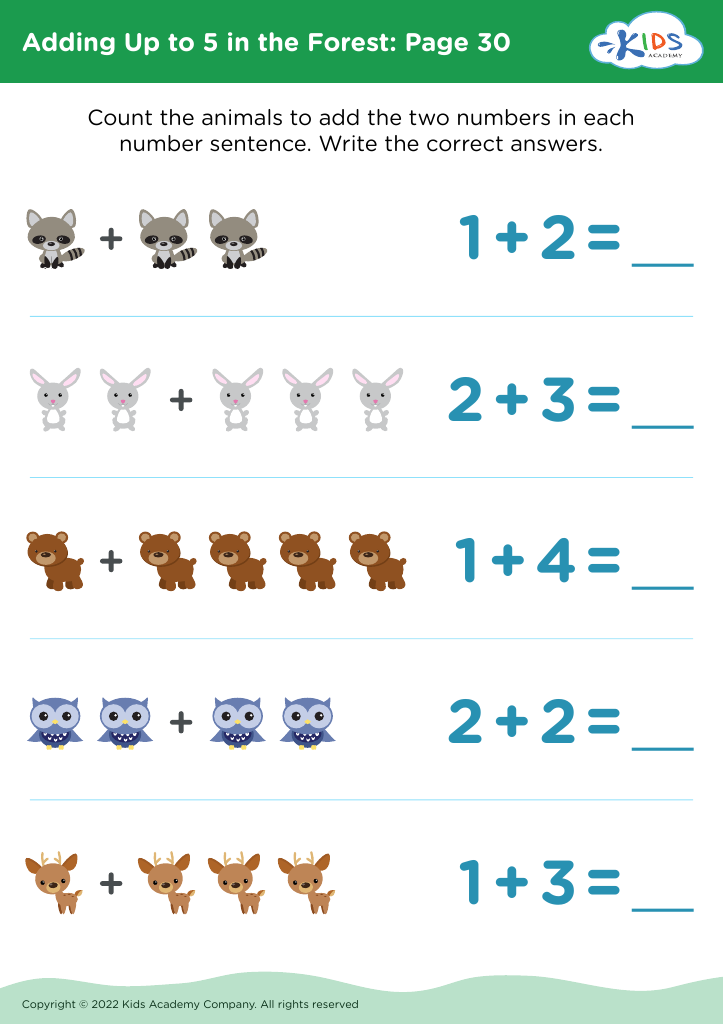
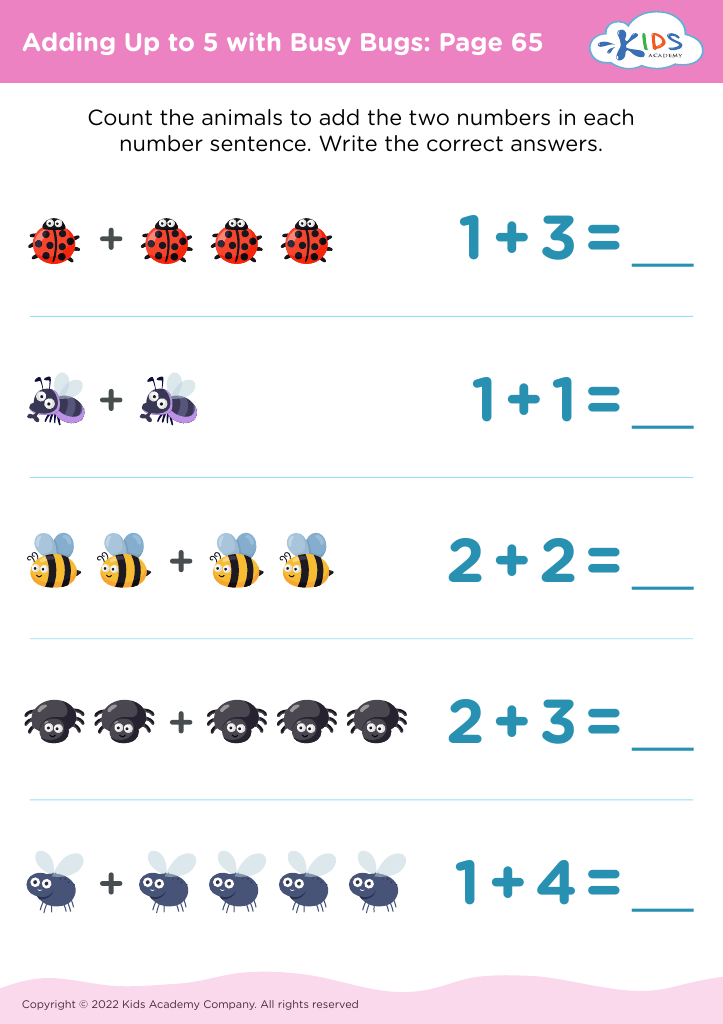
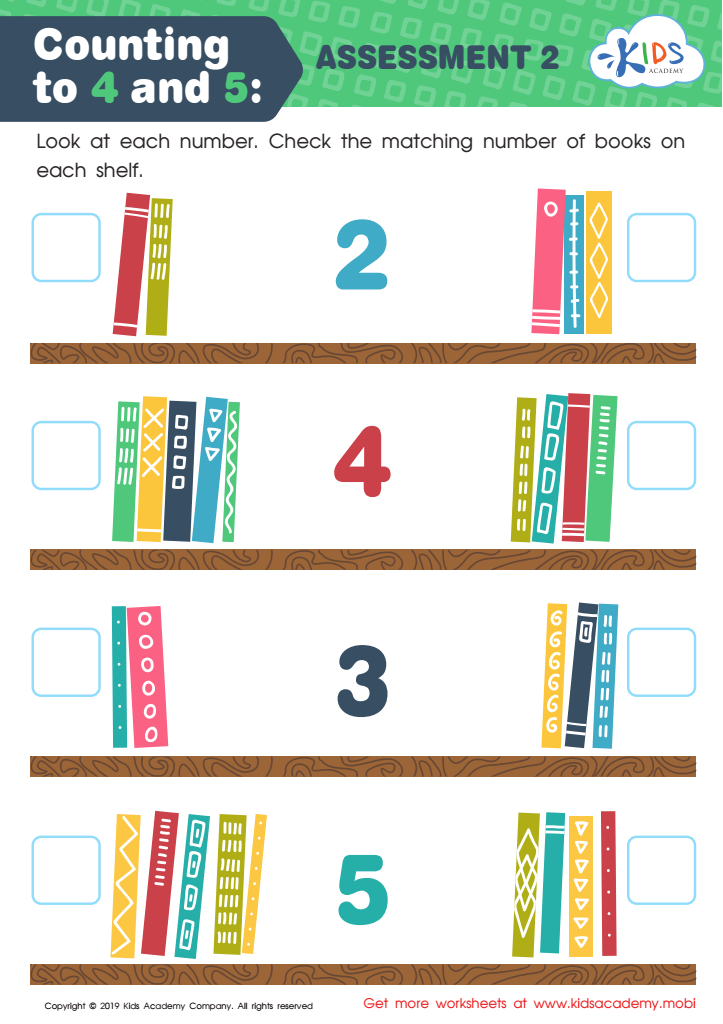
Counting to 4 and 5: Assessment 2 Worksheet
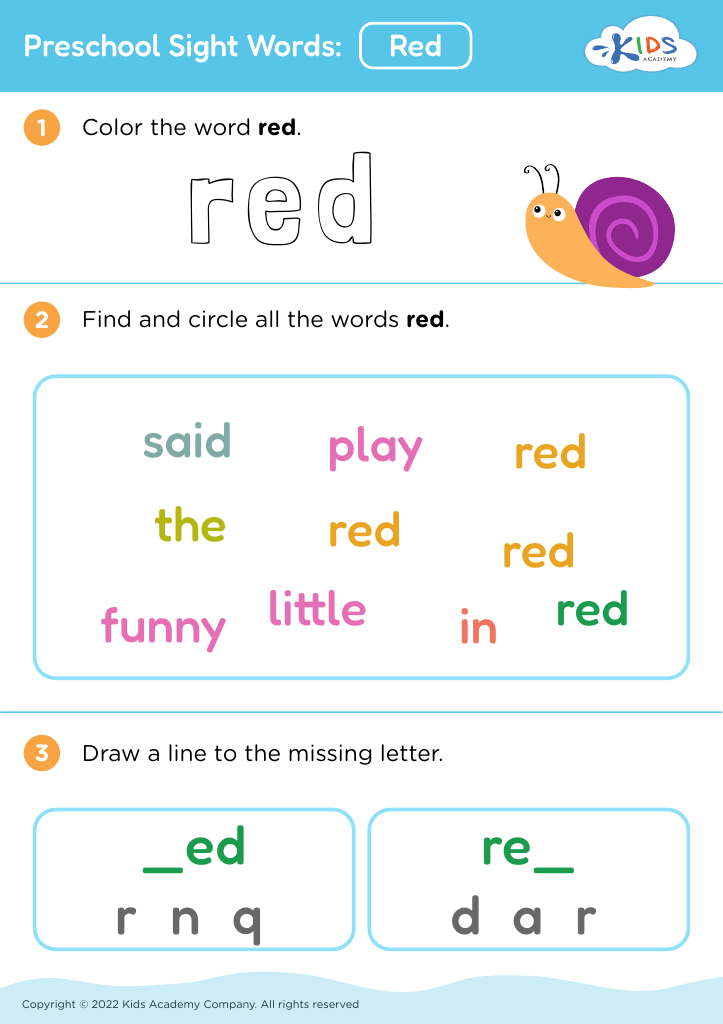





.jpg)


Fine motor skills, particularly writing abilities, are essential for children aged 4-7 because they form the foundation for effective communication and critical academic success. During this developmental stage, children refine their ability to control their hand movements, which directly impacts their handwriting and overall written expression. Many classroom activities, from drawing to tracing letters and numbers, hinged on these skills enhance their cognitive development and help reinforce hand-eye coordination.
Additionally, strong fine motor skills encourage independence. When children can confidently hold and control a pencil, they are better equipped to engage in tasks autonomously, boosting their self-esteem. Fine motor development also plays a role in later academic success; schools often evaluate a child's readiness based on their writing proficiency and overall classroom participation.
Moreover, these skills promote social interaction and creativity. Group activities involving writing or crafting encourage teamwork and allow children to express their thoughts and feelings, which further enhances emotional intelligence. Therefore, parents and teachers should prioritize activities that nurture fine motor skills, ensuring children not only excel academically but also enjoy positive social interactions and develop a love for learning. This focus creates a well-rounded educational experience that is vital for their future success.








