
Fraction representation Worksheets for Ages 4-7
5 filtered results
Difficulty Level
Grade
Age
-
From - To
Subject
Activity
Standards
Enhance early math skills with our engaging Fraction Representation Worksheets for Ages 4-7! Designed to make learning fun, these worksheets introduce young learners to the basics of fractions through colorful visuals and interactive activities. Our carefully crafted exercises help children understand half, quarter, and whole fractions, promoting confidence and competence in foundational math concepts. Ideal for both classroom and at-home practice, our worksheets support hands-on learning and reinforce fraction knowledge seamlessly. Empower your child’s mathematical journey today with resources tailored to spark curiosity and inspire a love for numbers. Download now and open a world of fractional fun!
Favorites
With answer key
Interactive
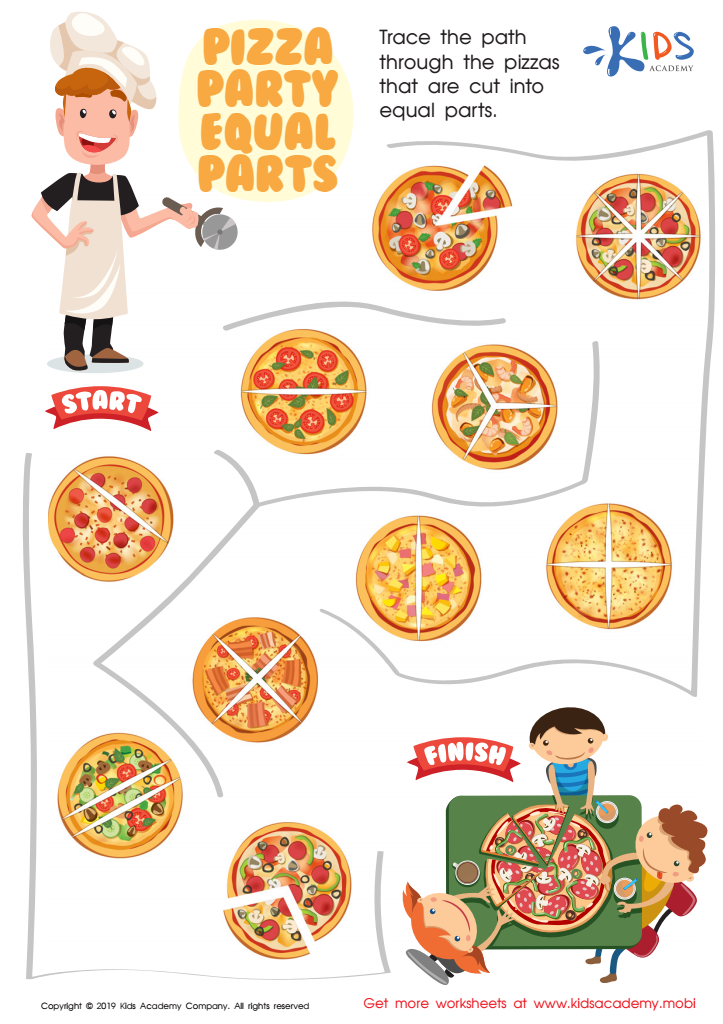
Pizza Party Equal Parts Worksheet
Love pizza? This printout is a great way to help kids learn about equal parts! Kids must identify pizzas cut into equal parts, then trace the path through the pizzas. It's an exciting maze - and a great way to help kids learn! Get the traceable pdf today and let the fun begin!
 Assign to My Students
Pizza Party Equal Parts Worksheet
Worksheet
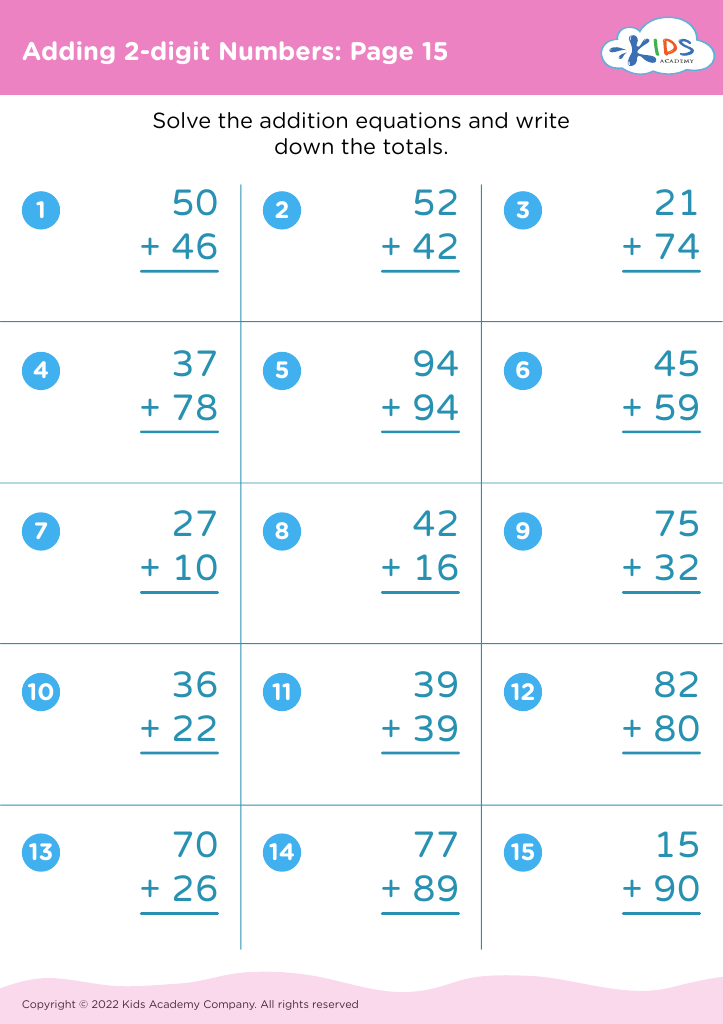
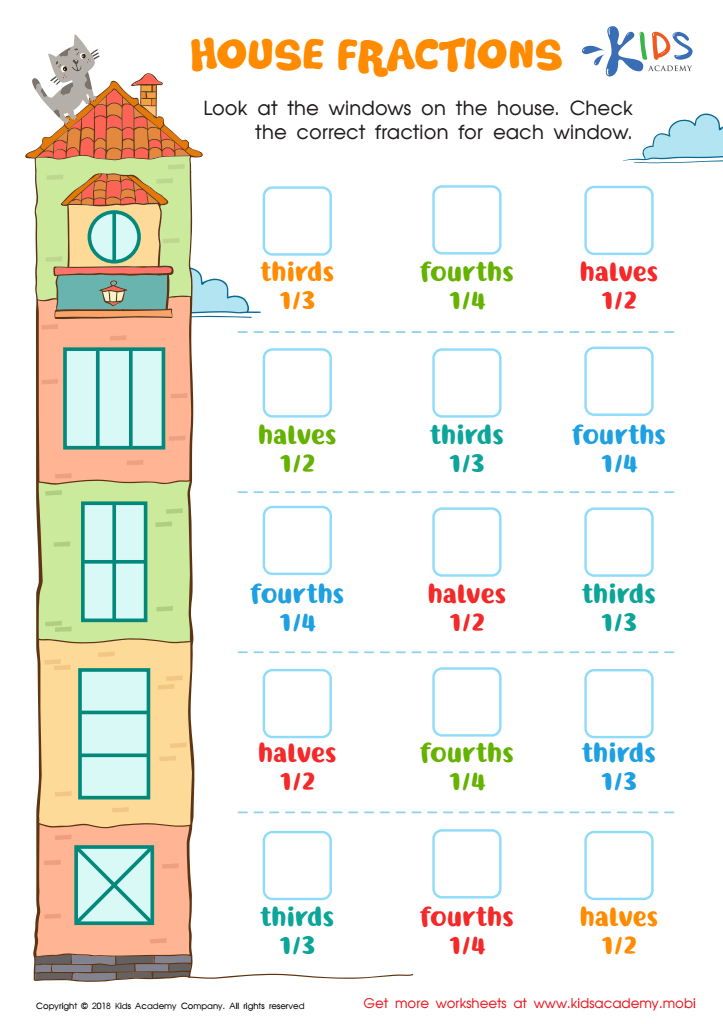
House Fractions Worksheet
Test your child's knowledge of fractions with this worksheet! Have them examine the windows of a house and select the correct fraction from the options given. This is a great way to see how much they understand about wholes, fractions, halves, one thirds, and one fourths.
House Fractions Worksheet
Worksheet
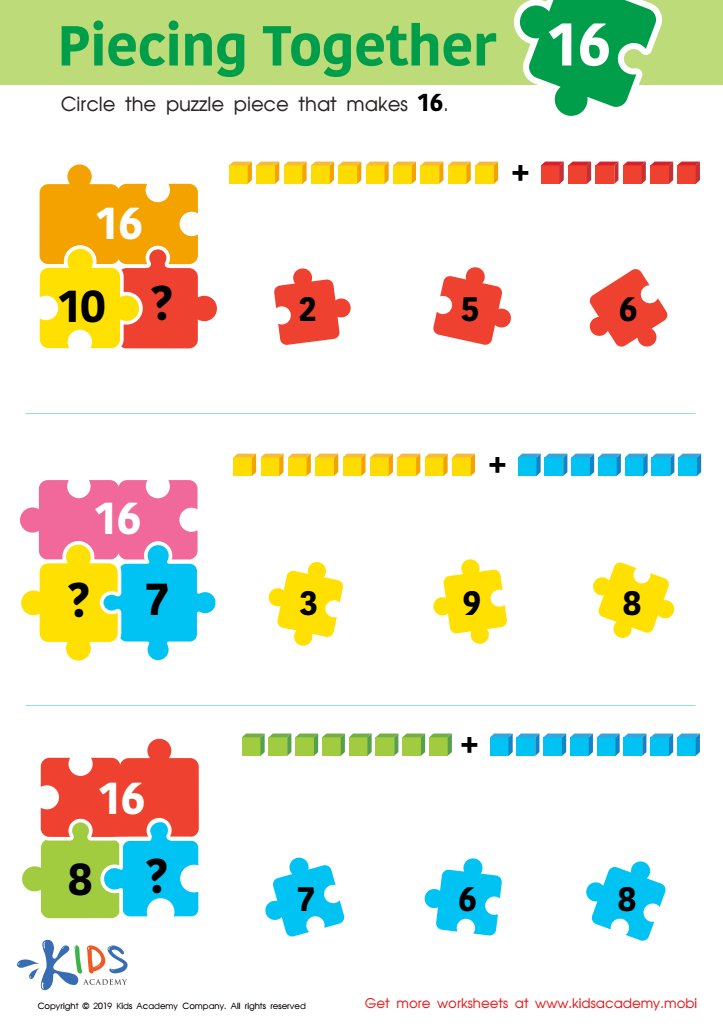
Piecing Together 16 Worksheet
Combine learning with fun using this colorful worksheet! Ask your preschoolers what they see in the picture, then help them solve the mathematical equations on the puzzle pieces. One equation is missing on each; have them circle the piece that will make the bottom puzzle piece numbers equal 16. Use puzzles and bright colors to teach - it's one of the best ways your kids can learn!
Piecing Together 16 Worksheet
Worksheet
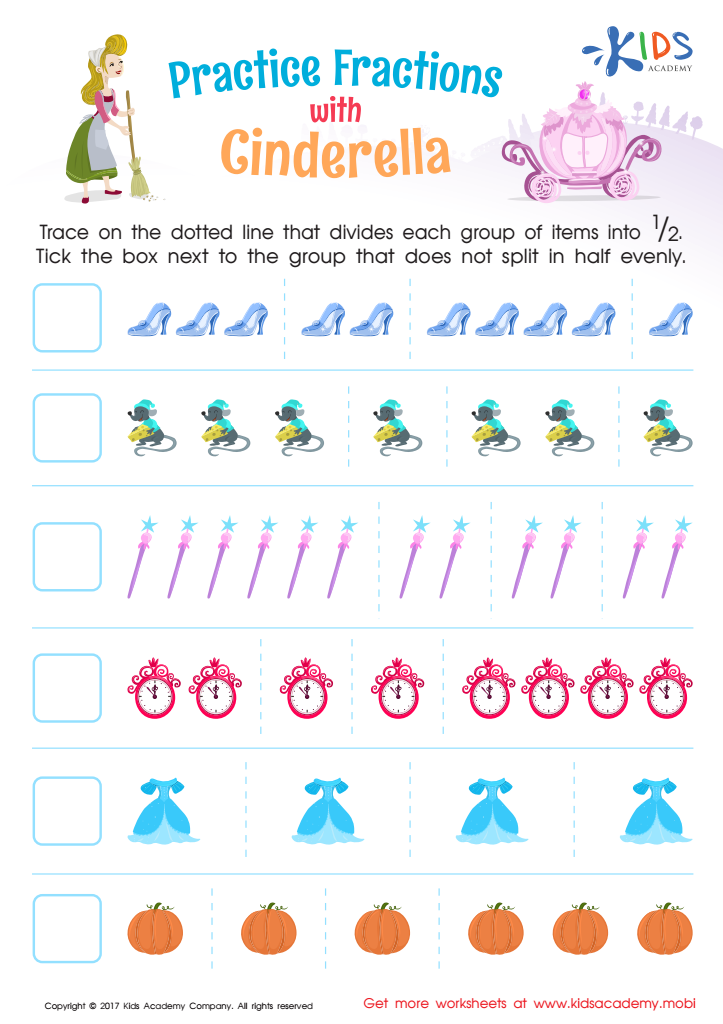
Fractions: Cinderella Printable
Cinderella and ½ are the perfect pair to excite your child about learning fractions.
Fractions: Cinderella Printable
Worksheet
Join Kids Academy for Free
Who is primarily going to use this learning content?


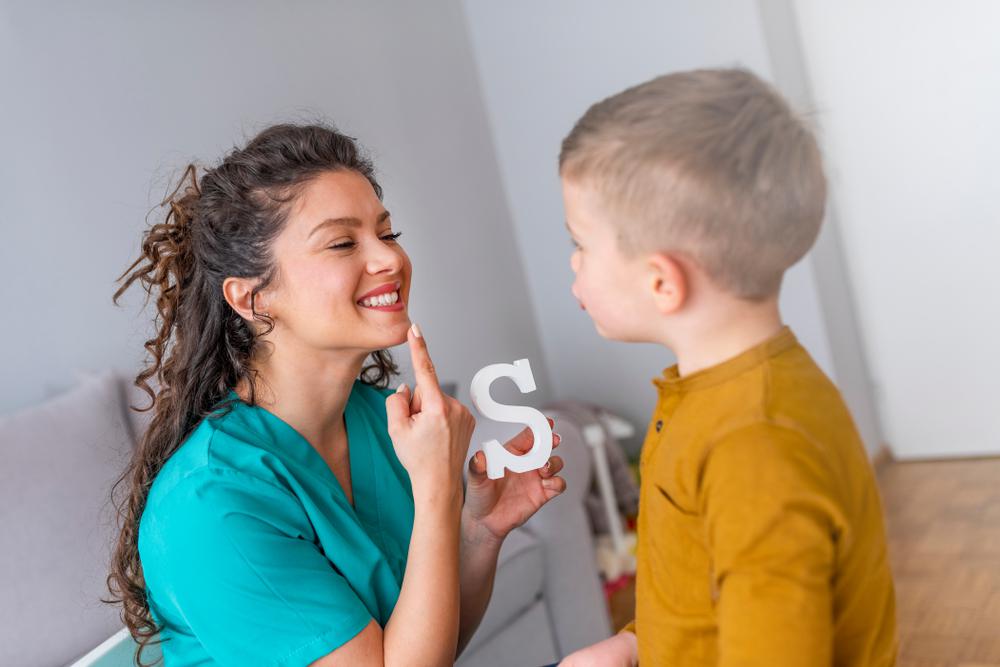



Teaching fraction representation to children ages 4-7 plays a crucial role in their early mathematical development. During these formative years, kids' brains are exceptionally receptive to new concepts, and laying a solid foundation in fractions can set the stage for future success in more complex math.
Firstly, understanding fractions helps children grasp the idea that numbers can represent parts of a whole, an essential concept in mathematics. For example, recognizing that "half a cookie" means dividing the cookie into two equal parts is a fundamental skill that will be built upon in later grades.
Secondly, early exposure to fractions nurtures problem-solving skills. Children who can reason about parts of a whole can more readily tackle problems involving division and proportionality. This sort of mathematical thinking is crucial not just in math classes but in real-world contexts like cooking or sharing toys.
Additionally, incorporating hands-on activities, such as cutting fruit into fractions or using fraction tiles, makes learning interactive and fun. This kind of engaging learning helps children better retain the information.
Lastly, developing a strong understanding of fractions at an early age builds mathematical confidence. A child who comprehends the basics of fractions will feel more assured and motivated to tackle arithmetic, measurements, and eventually algebra.
In short, prioritizing fraction representation for young learners sets a crucial grounding for their academic journey, enriches their problem-solving toolkit, and fosters an enduring love for mathematics.








