Improving analytical skills Worksheets for Ages 4-7
6 filtered results
-
From - To
Boost your child's analytical skills with our engaging worksheets designed specifically for ages 4-7. These thoughtfully crafted resources help young learners develop critical thinking, problem-solving, and reasoning abilities through fun activities. From puzzles and visual exercises to logic games and sequencing tasks, our worksheets offer a variety of engaging formats to keep children interested and motivated. Designed by educators, these materials facilitate early skill development in a playful way, ensuring a solid foundation for future learning. Perfect for both classroom settings and homeschooling, our worksheets empower kids to think critically while having fun. Explore our collection and inspire smart, curious minds today!
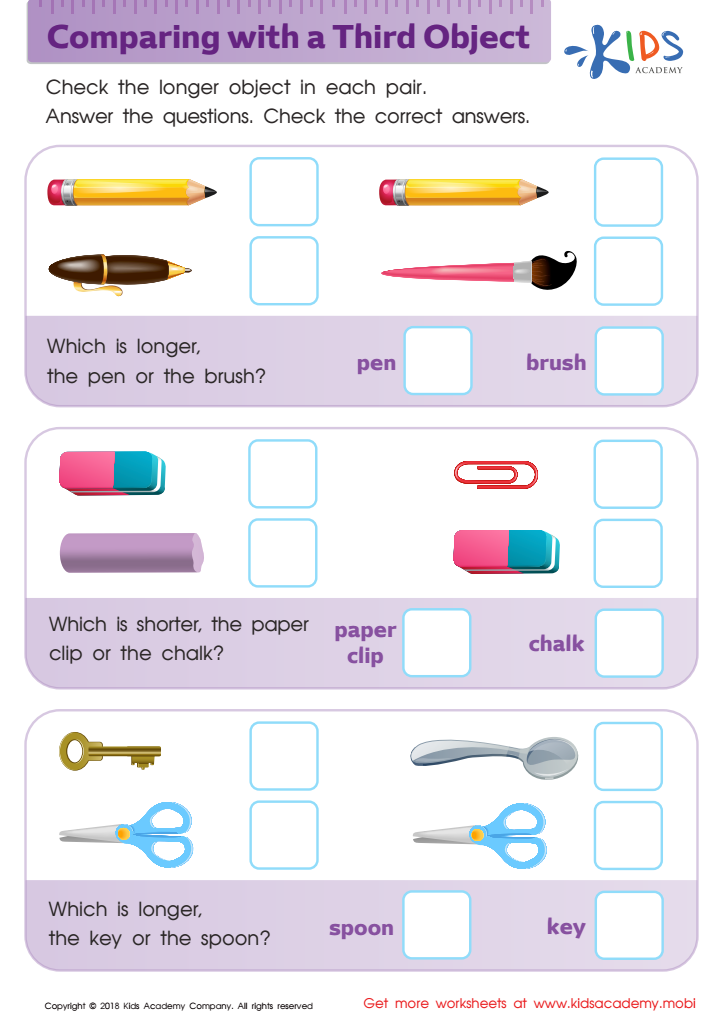
Comparing with a Third Object Worksheet
 Assign to My Students
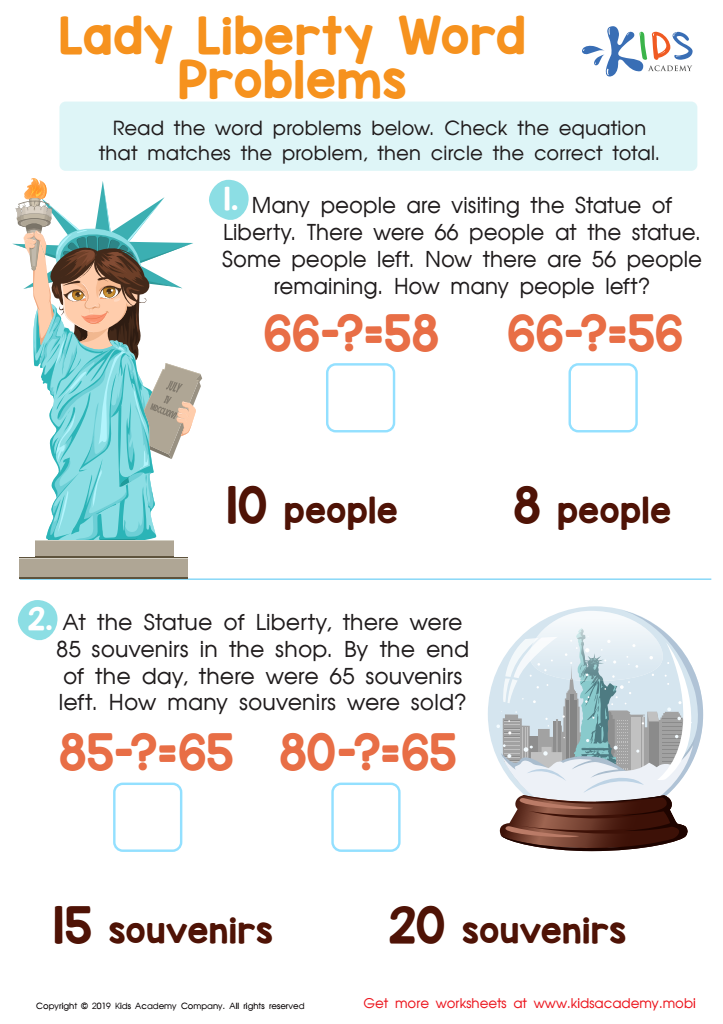
Lady Liberty Worksheet
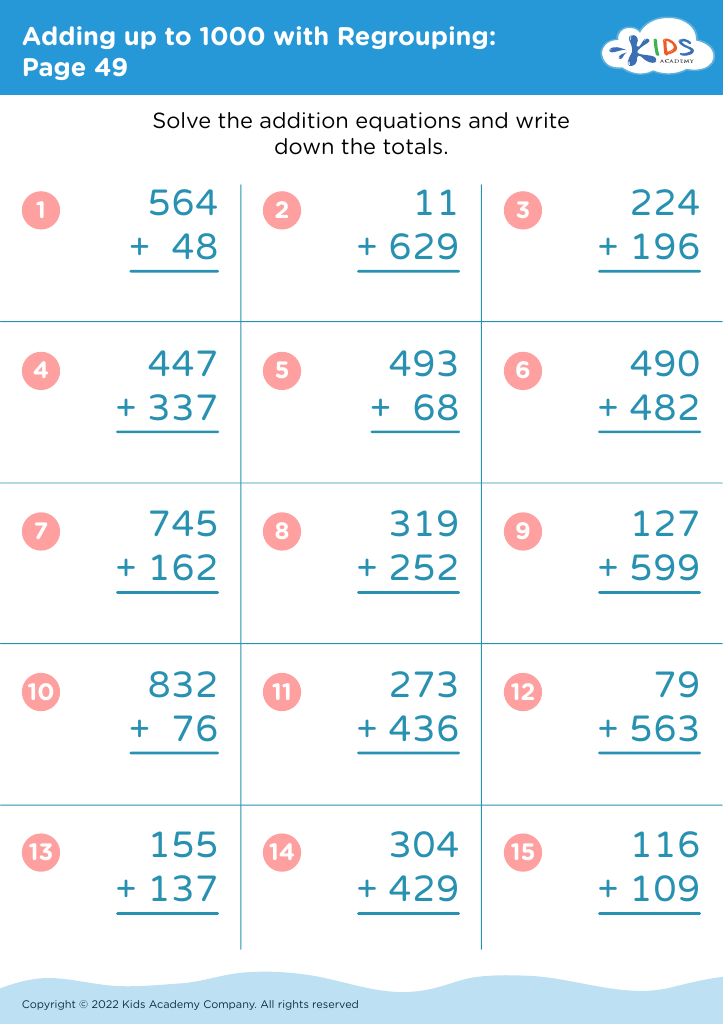
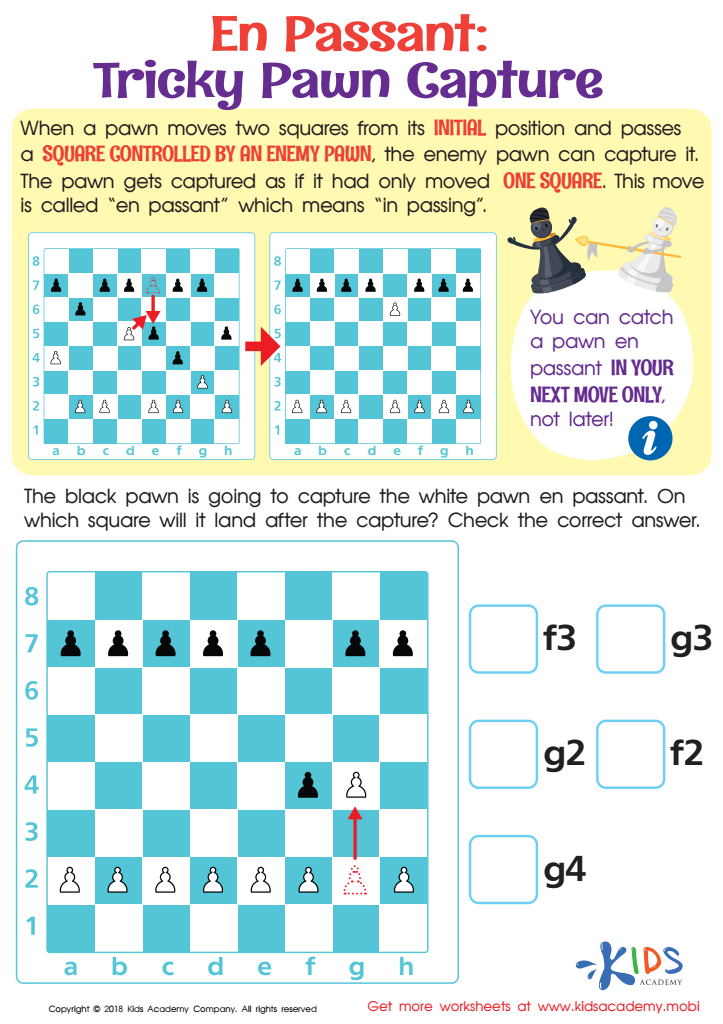
En Passant: Tricky Pawn Capture Worksheet
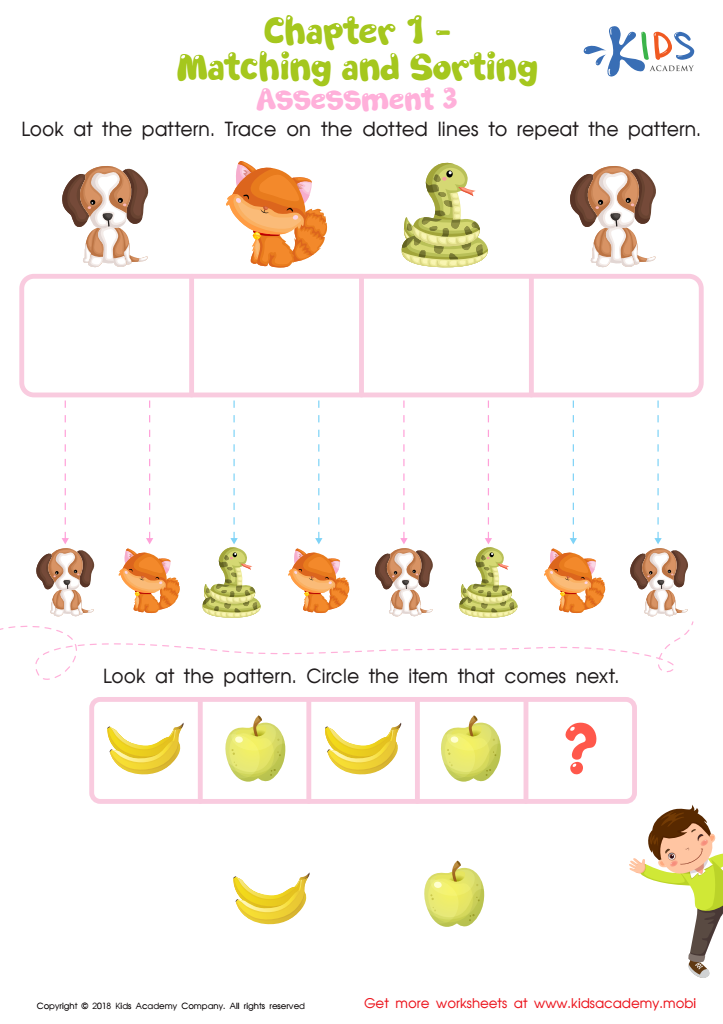
Matching and Sorting for Preschool: Assessment 3 Worksheet
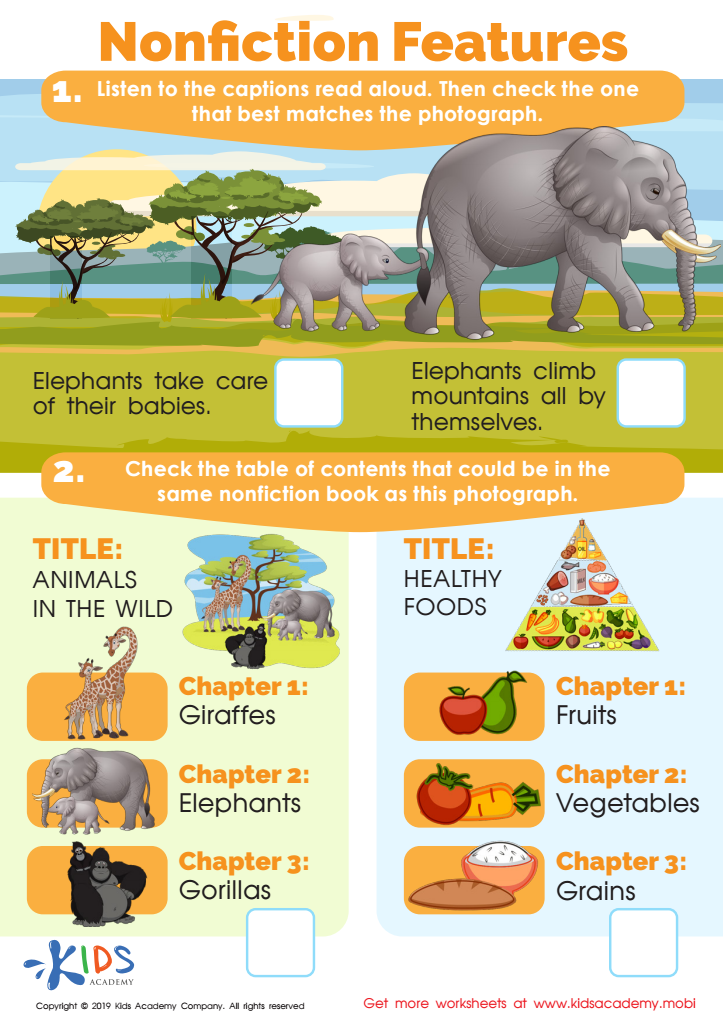
Nonfiction Features Worksheet








Improving analytical skills in children aged 4-7 is crucial for their overall development. During these formative years, children are naturally curious and eager to explore the world around them. Fostering analytical skills—such as problem-solving, critical thinking, and the ability to make connections—enhances their cognitive abilities and empowers them to navigate challenges effectively.
Parents and teachers play a vital role in nurturing these skills through engaging activities that encourage exploration, questioning, and experimentation. For instance, simple puzzles, pattern recognition games, and open-ended questions can stimulate a child's analytical mindset. This early development not only aids academic readiness but also lays a foundation for lifelong learning, enabling children to tackle more complex issues as they grow.
Moreover, strong analytical skills help children make informed decisions, promoting independence and confidence. In a rapidly changing world filled with information, the ability to analyze and discern different perspectives is essential. By prioritizing the enhancement of analytical skills in young learners, parents and teachers equip them with invaluable tools to succeed in academics and everyday life, fostering resilience, creativity, and adaptability in an uncertain future. An investment in these skills today promises a brighter, more capable generation tomorrow.








