Letter formation Worksheets for Ages 4-7
11 filtered results
-
From - To
Explore our engaging Letter Formation Worksheets designed for children aged 4-7! Perfect for early learners, these worksheets help kids master essential writing skills by guiding them through proper letter formation techniques. Each sheet emphasizes both uppercase and lowercase letters, ensuring young students develop a strong foundation for writing. With fun activities and colorful designs, our worksheets make learning enjoyable and effective. Ideal for at-home practice or classroom use, they align with early childhood education standards to support your child's literacy journey. Ignite a love for writing in your little one with Kids Academy's expertly crafted worksheets!
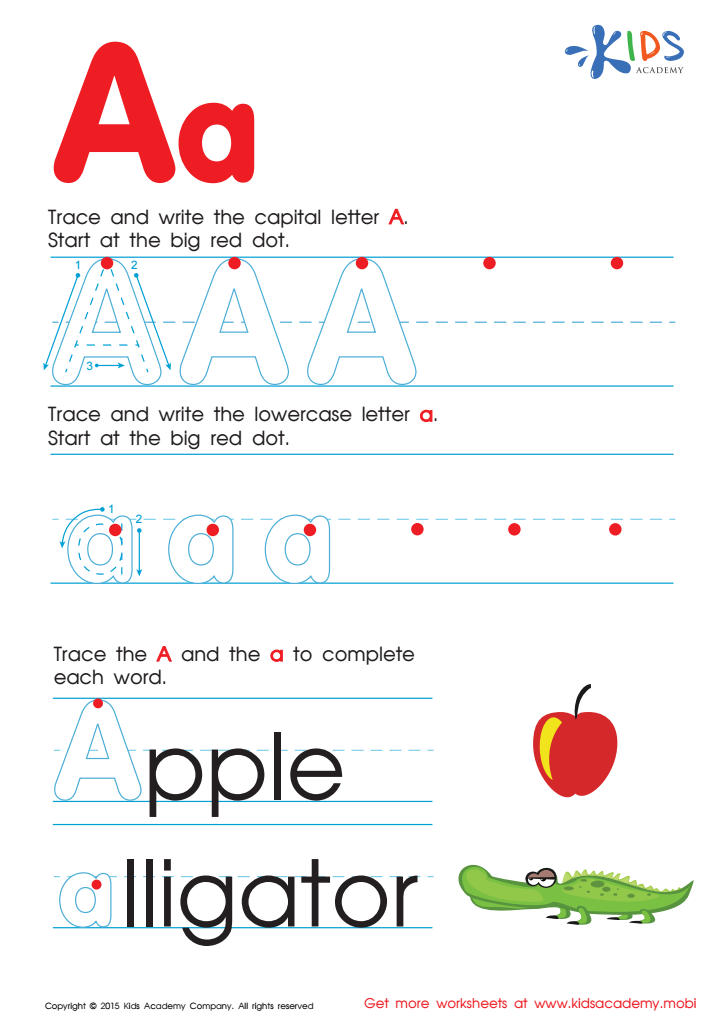
Letter A Tracing Page
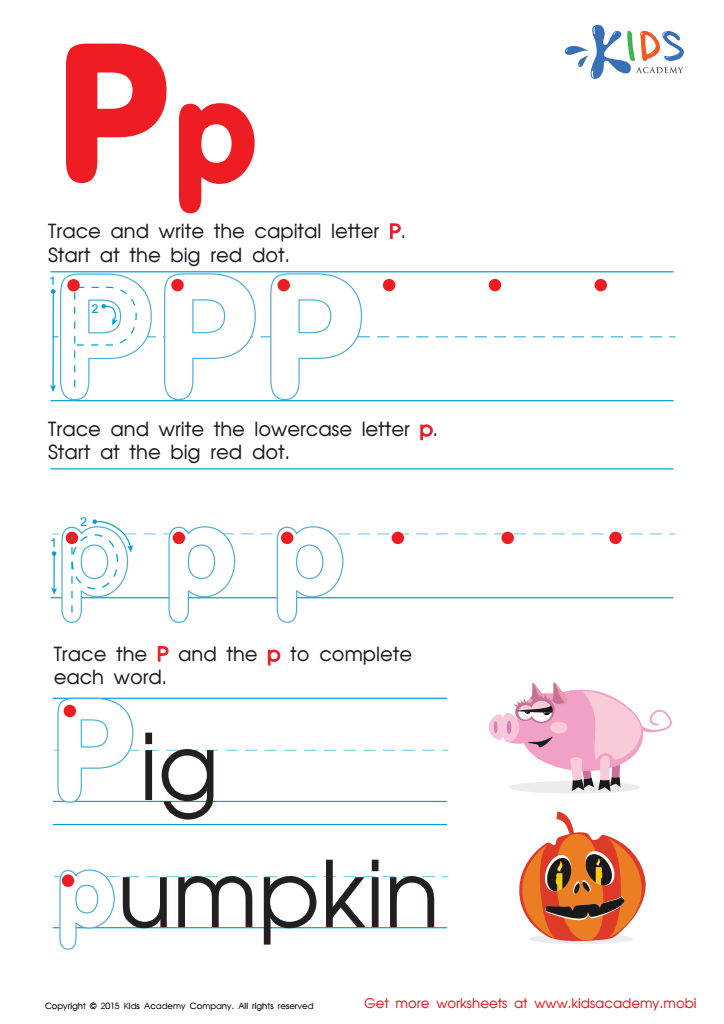
Letter P Tracing Page
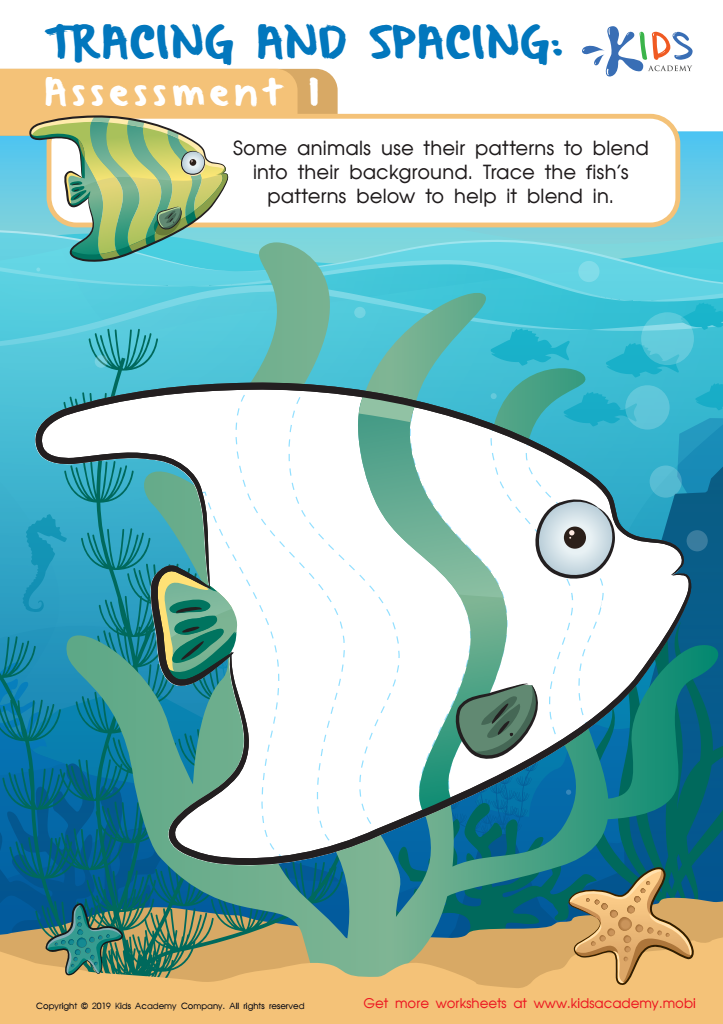
Tracing and Spacing: Assessment 1 Worksheet
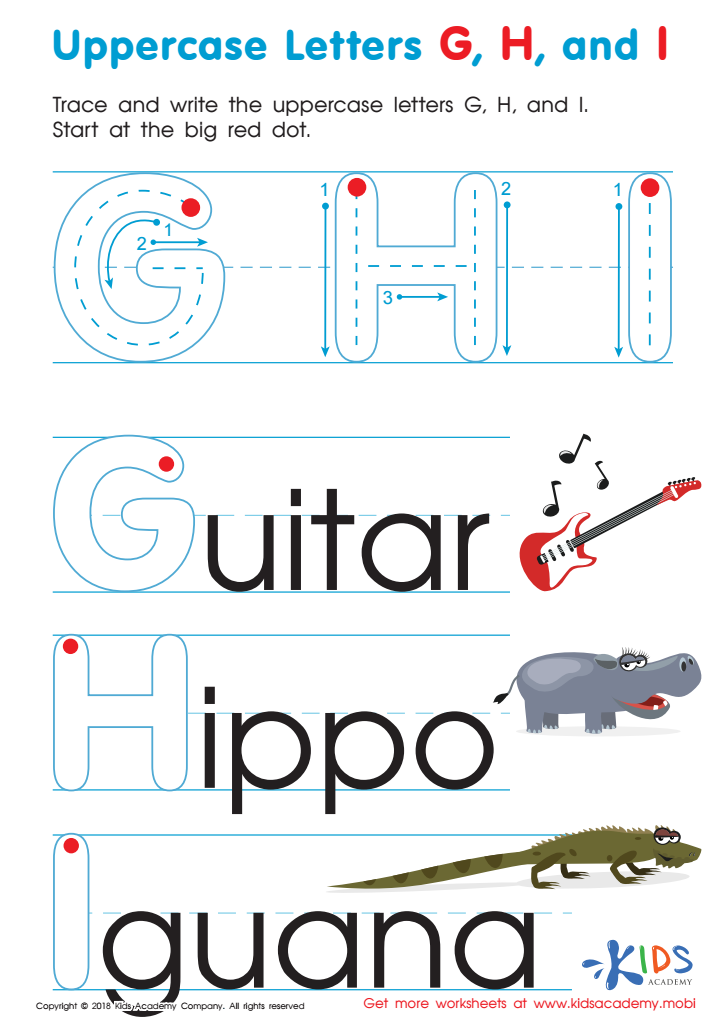
Uppercase Letters G, H, and I Worksheet
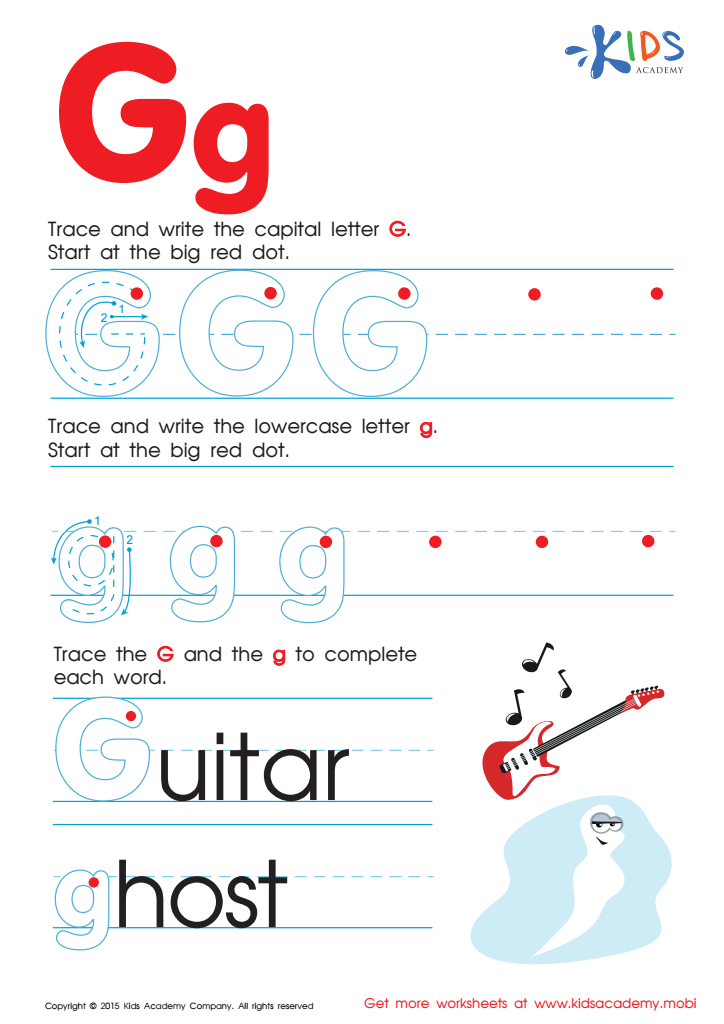
Letter G Tracing Page
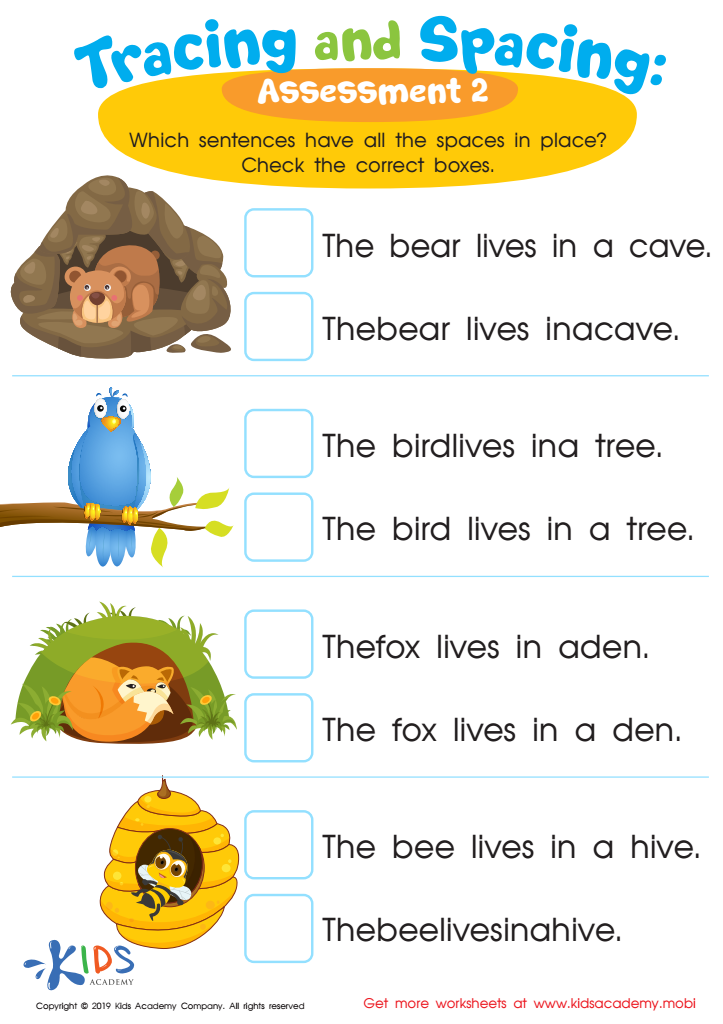
Tracing and Spacing: Assessment 2 Worksheet
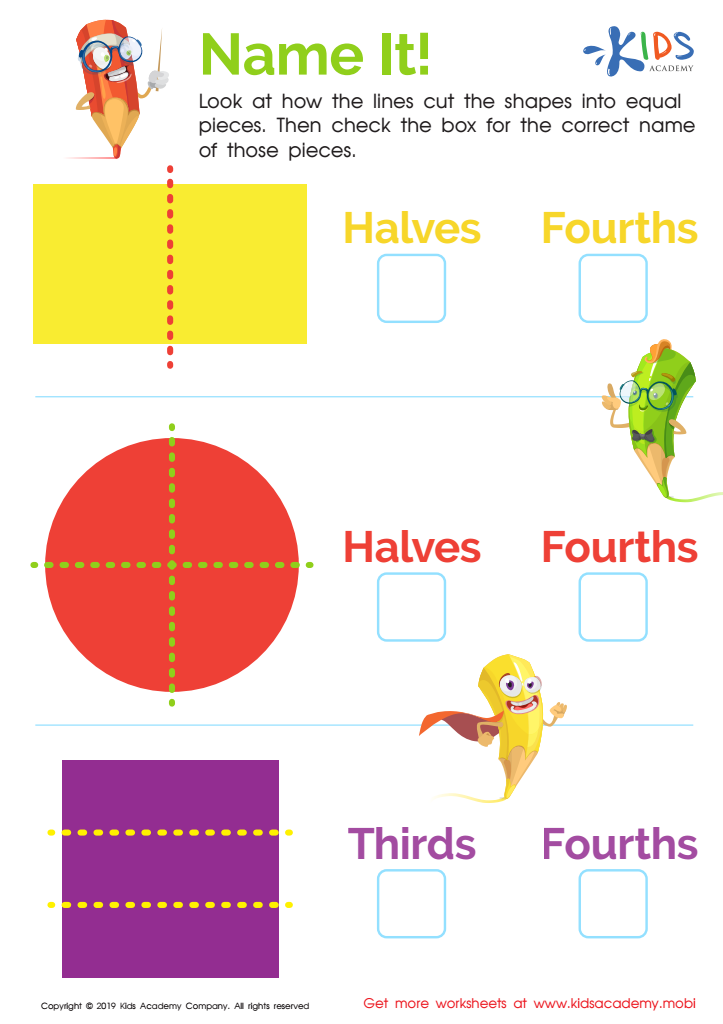
Name It! Worksheet
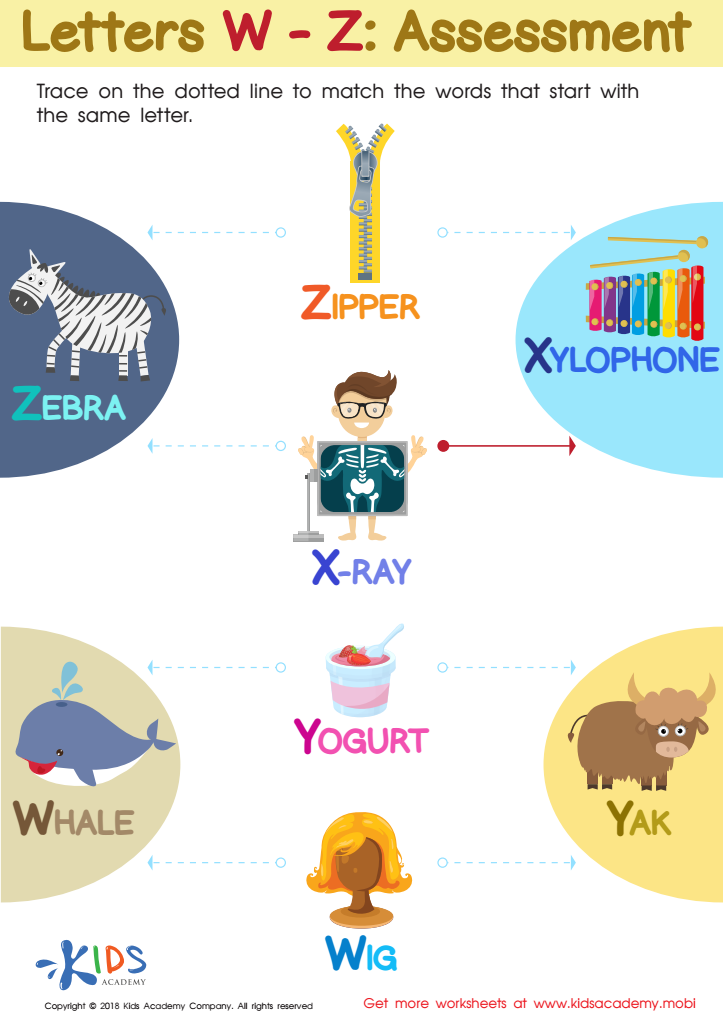
Letters W–Z Tracing Worksheet
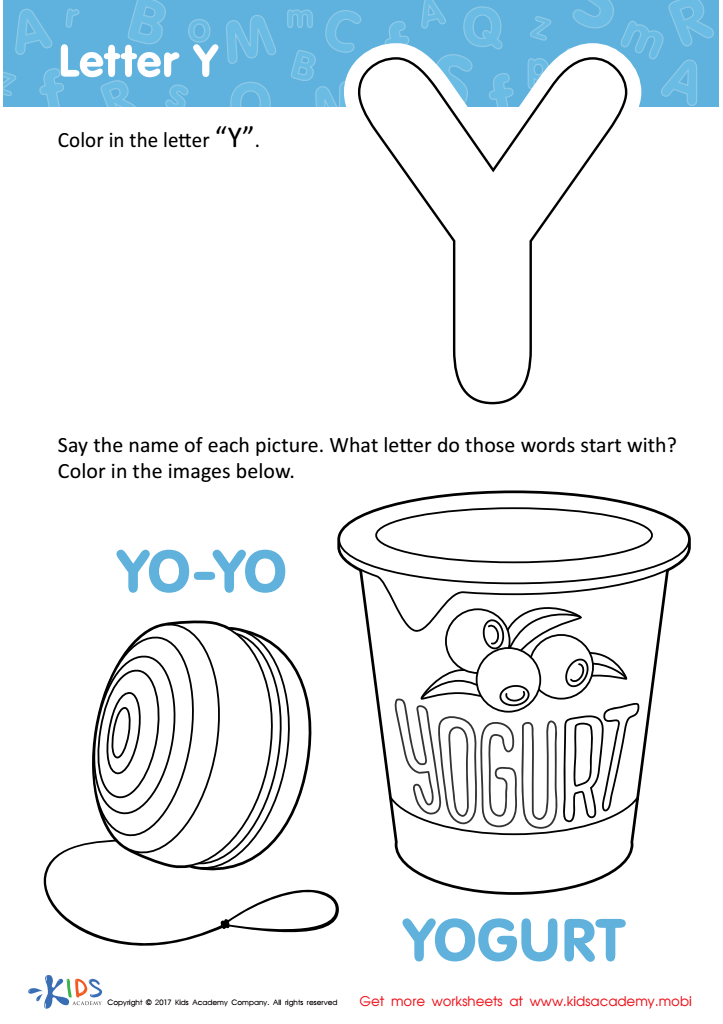
Letter Y Coloring Sheet
 Assign to My Students
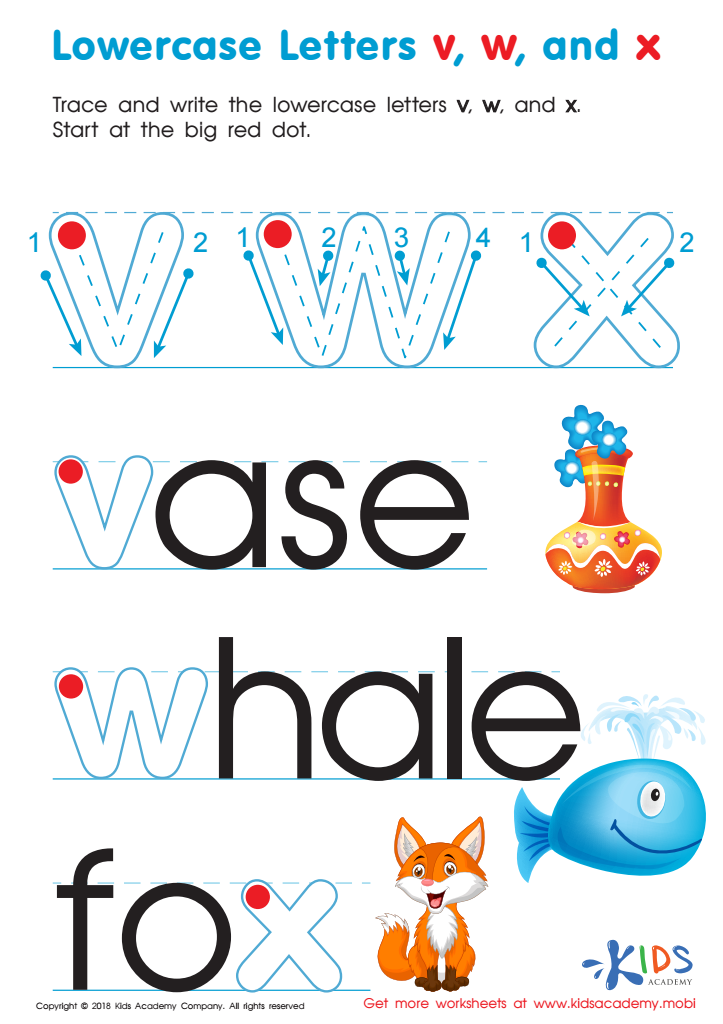
Lowercase Letters v w x Worksheet
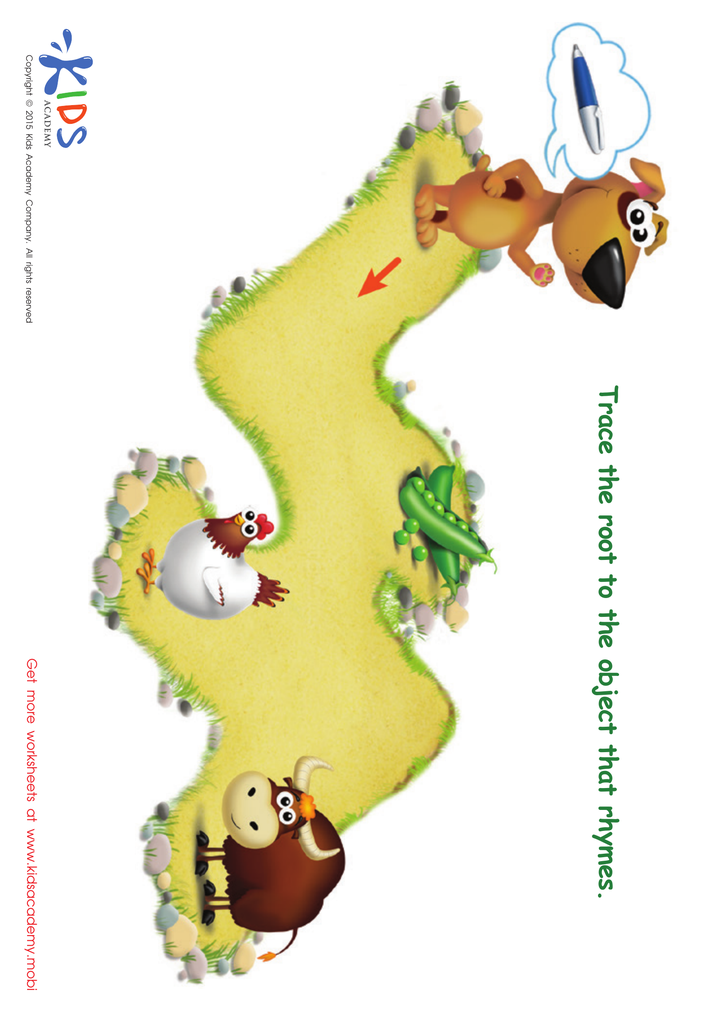
Pen Rhyming Words Worksheet







Letter formation is a foundational skill crucial for young learners aged 4-7, as it impacts their overall literacy development. At this formative stage, children are developing fine motor skills and hand-eye coordination, which are essential for writing legibly and efficiently. Mastering proper letter formation helps children write more quickly and accurately, reducing frustration and enhancing their confidence.
When children learn to form letters correctly, it reinforces their understanding of letter shapes and patterns, which is closely linked to reading skills. Recognizing and writing letters are intertwined processes; proficiency in one augments learning in the other. Early expertise in letter formation also paves the way for more complex writing tasks in the future, such as cursive writing or writing longer compositions.
Moreover, proper letter formation aids in cognitive development. It encourages concentration, attention to detail, and perseverance as children work to perfect each letter. This practice is equally significant for teachers and parents in identifying possible learning difficulties early, such as dysgraphia, enabling timely intervention.
In essence, ensuring proper letter formation for children ages 4-7 provides them with a solid base for broader academic success, fostering both literacy and cognitive skills essential for lifelong learning.








