Practice division Worksheets for Ages 4-7
4 filtered results
-
From - To
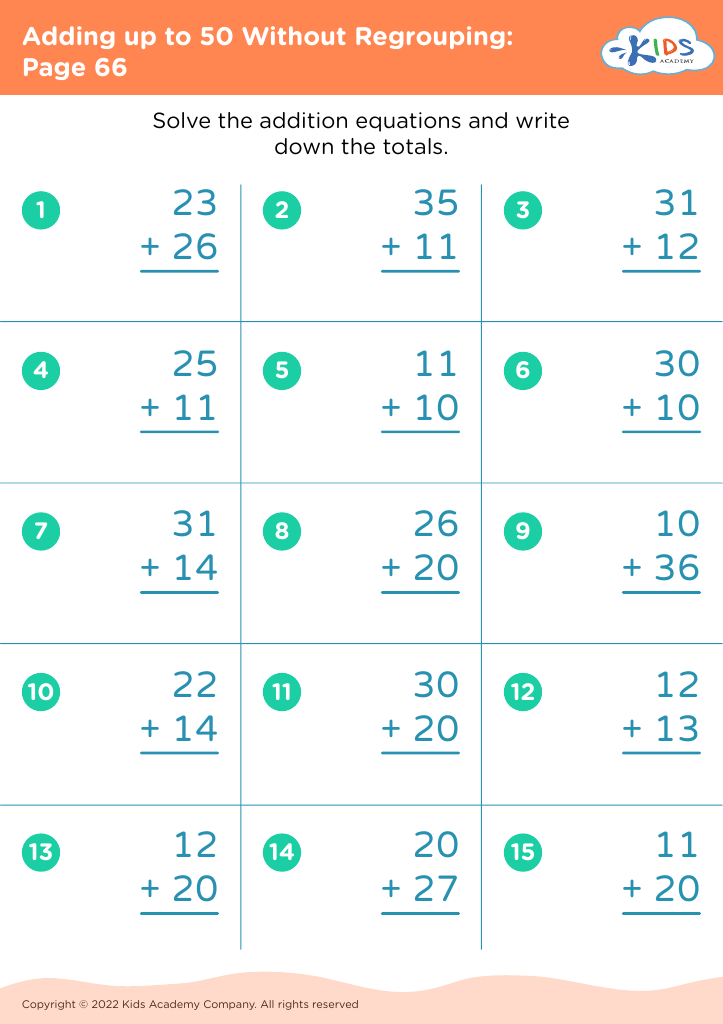
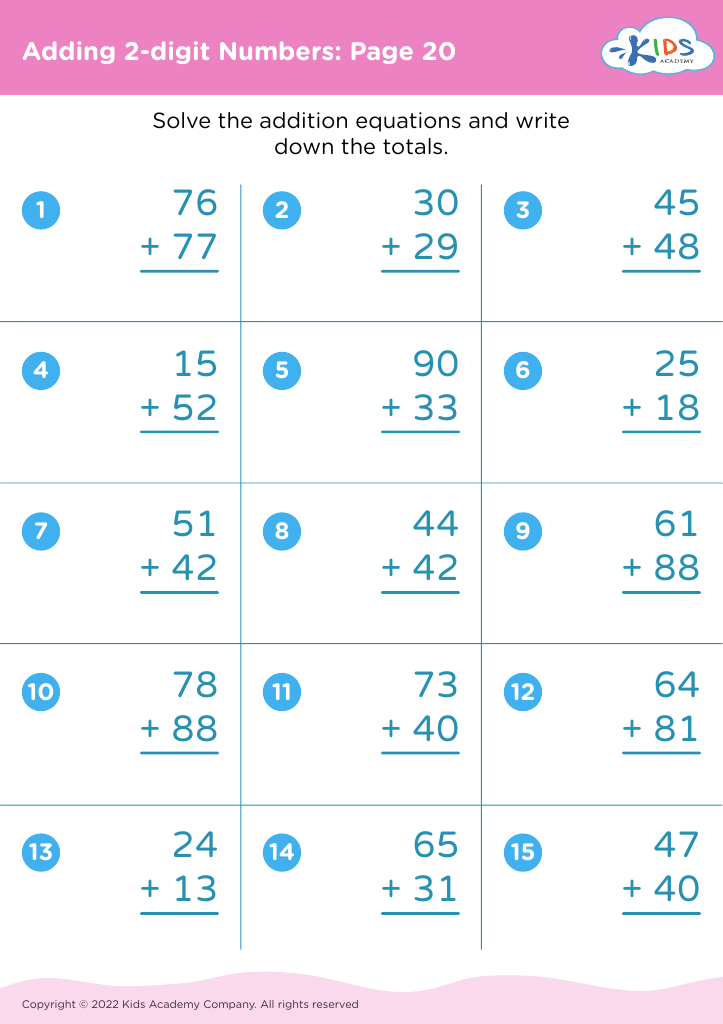
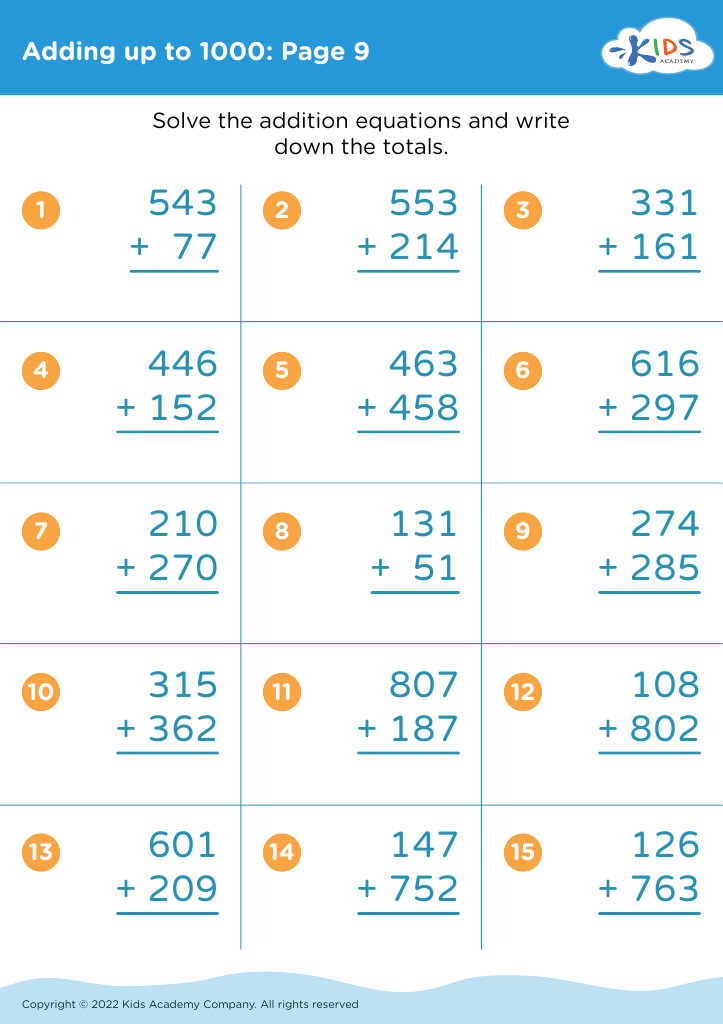
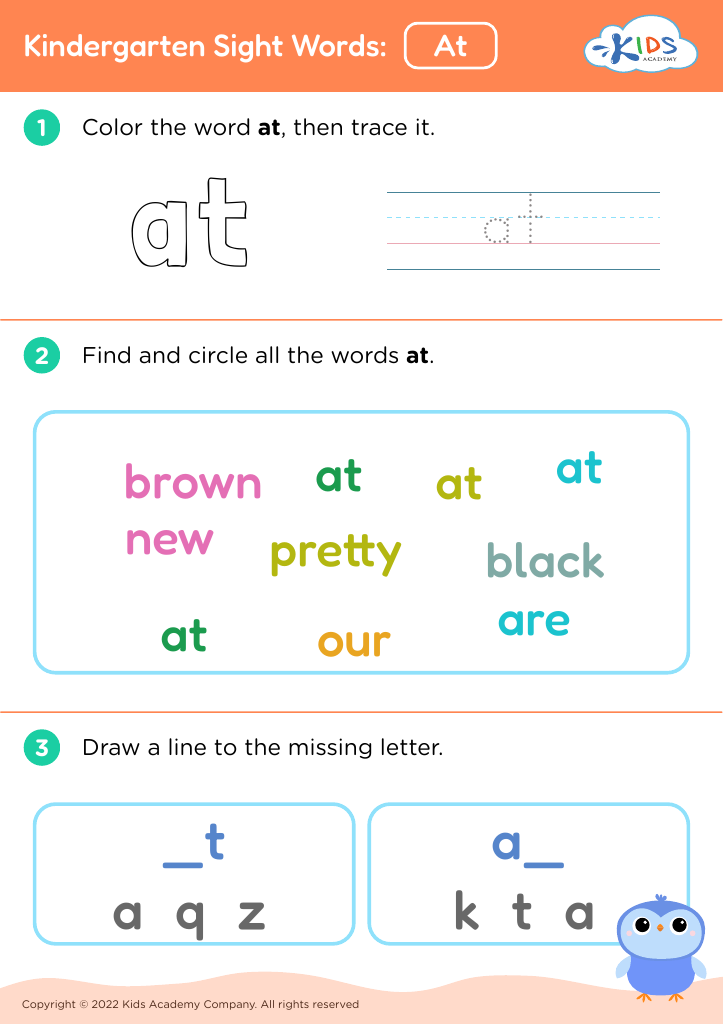
Discover our engaging practice division worksheets designed specifically for children aged 4 to 7! These thoughtfully crafted resources introduce young learners to the basic concepts of division through fun exercises and colorful visuals. Each worksheet encourages hands-on learning, helping kids build confidence as they explore sharing and grouping concepts. Perfect for classroom activities or at-home practice, our worksheets promote essential math skills while keeping learning enjoyable. With varying levels of difficulty, children can progress at their own pace. Start your child's math journey today by exploring our collection of division worksheets, and watch their understanding and enjoyment of math grow!








Practicing division for children ages 4-7 is essential for several reasons. At this developmental stage, children are building foundational math skills that will support their understanding of more complex concepts later on. Early exposure to division helps to mitigate math anxiety, as establishing proficiency in basic operations fosters a sense of competence and confidence.
Additionally, division often introduces children to the concept of sharing and grouping, which is crucial for social and emotional development. It encourages cooperative learning and teaches valuable life skills, such as fairness and teamwork. By engaging young learners in hands-on activities, such as dividing objects into equal groups, teachers and parents can instill a deeper sense of mathematical understanding.
Moreover, grasping division sets the groundwork for more advanced topics, such as fractions and ratios, which are introduced in higher grade levels. When children understand that division is essentially about breaking down quantities, they become better problem solvers.
Ultimately, caring about practice division can enhance a child's cognitive development, instilling essential reasoning skills and a joy for learning math that will benefit them throughout their education. Investing time in these early math skills will yield long-term success and encourage a positive attitude toward education.








