Practice writing numbers Worksheets for Ages 4-7
7 filtered results
-
From - To
Welcome to our "Practice Writing Numbers" worksheets designed specifically for children ages 4-7! These interactive worksheets provide a fun and engaging way for young learners to develop their number writing skills. Featuring colorful illustrations and clear guidance, our worksheets help kids practice writing numbers from 1 to 10 and beyond. With a variety of exercises, including tracing, filling in blanks, and number recognition, these resources are ideal for both home and classroom use. Foster your child's confidence in math with our thoughtfully crafted materials that ensure learning is enjoyable and effective. Begin their journey to number mastery today!
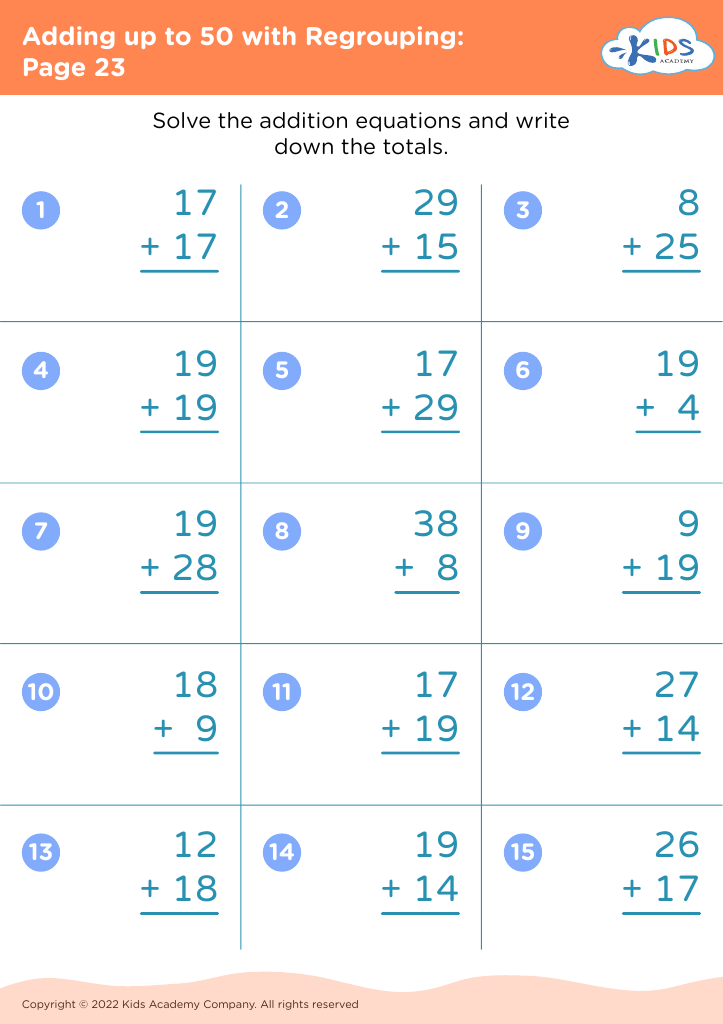
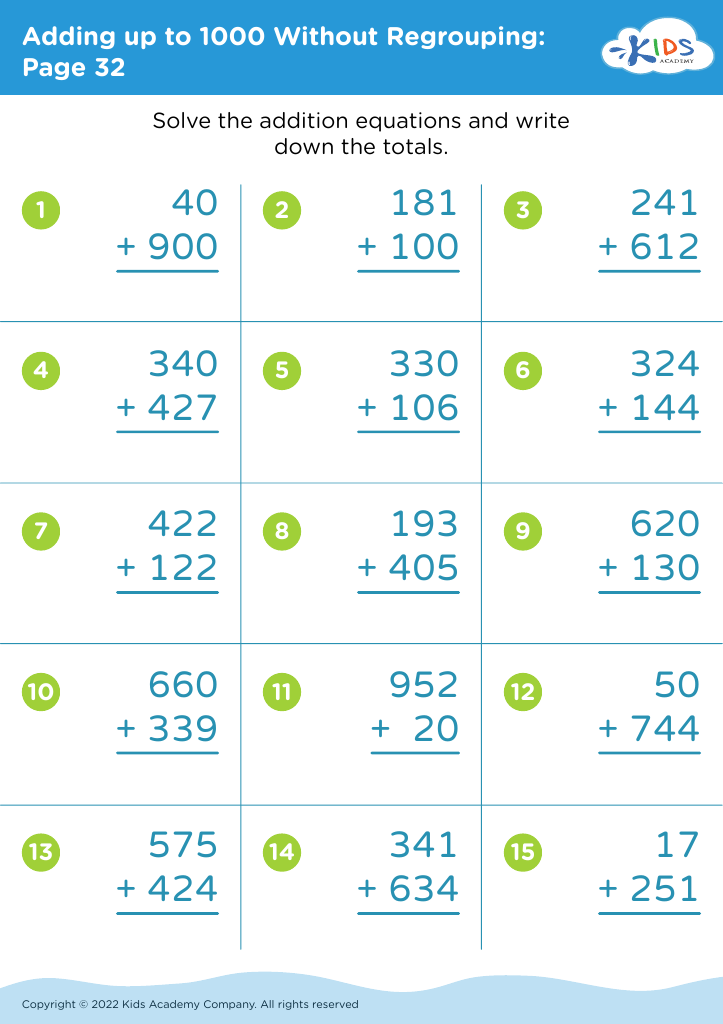
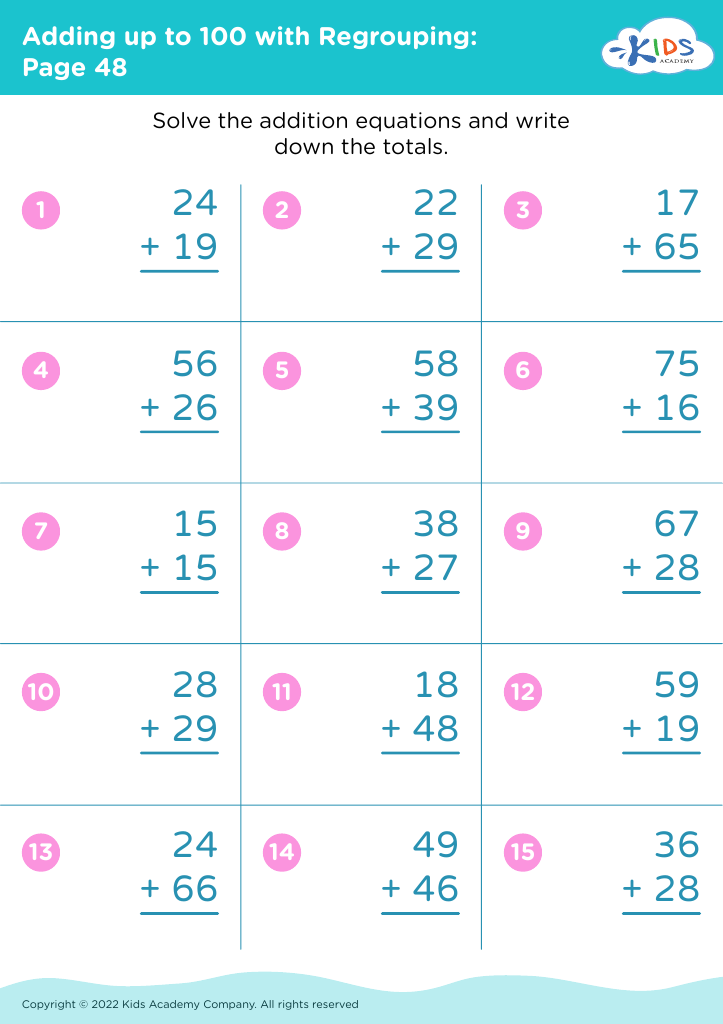
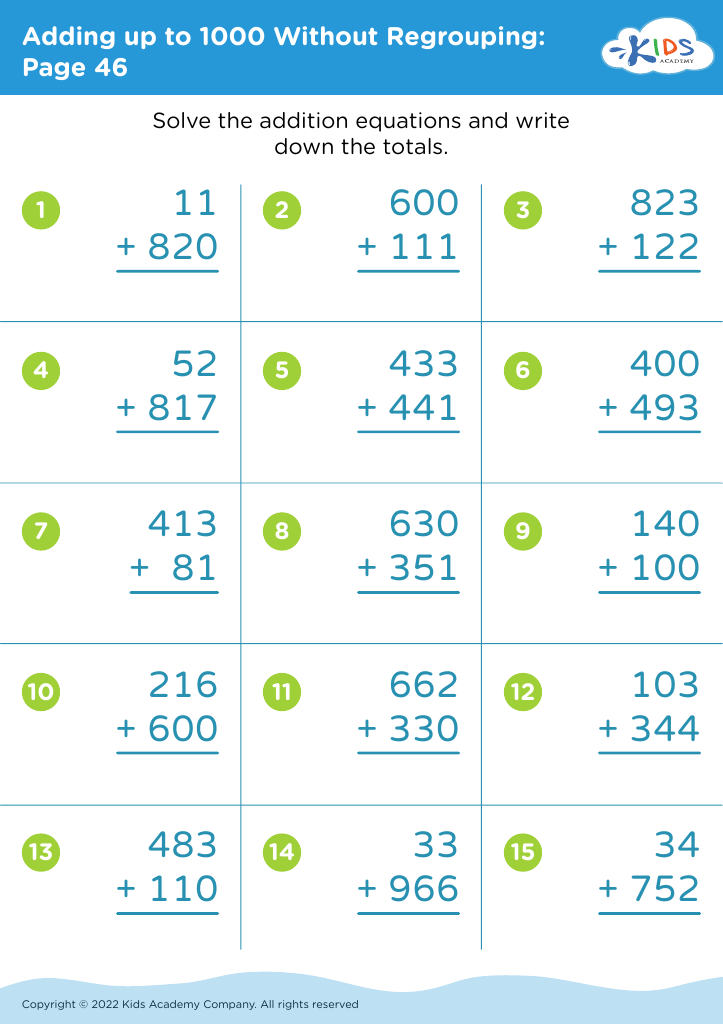
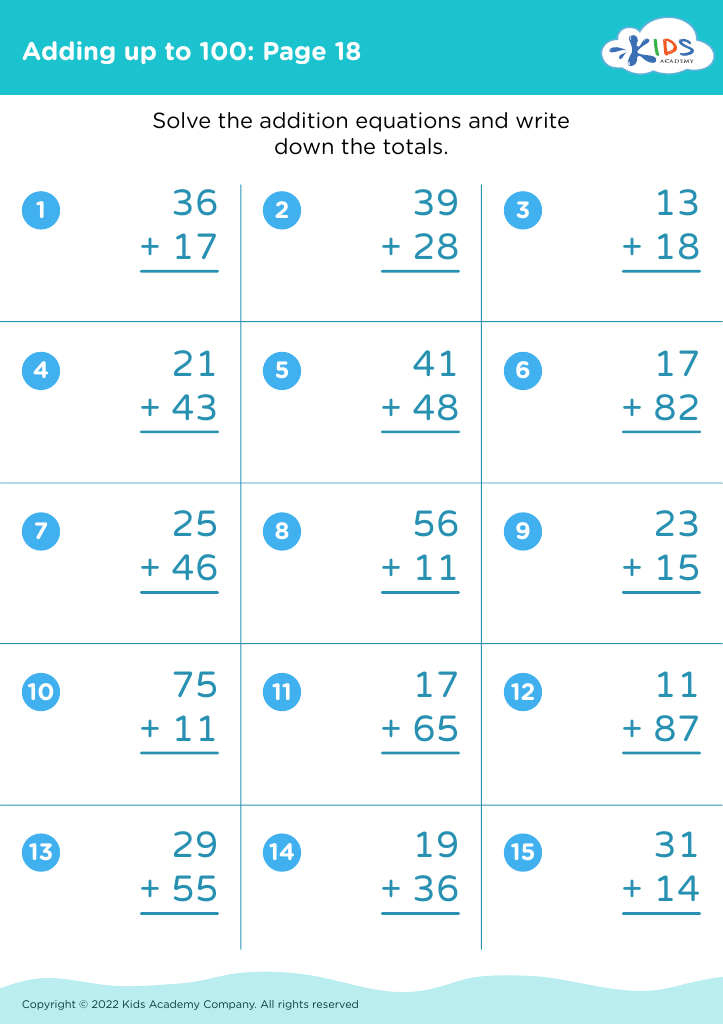
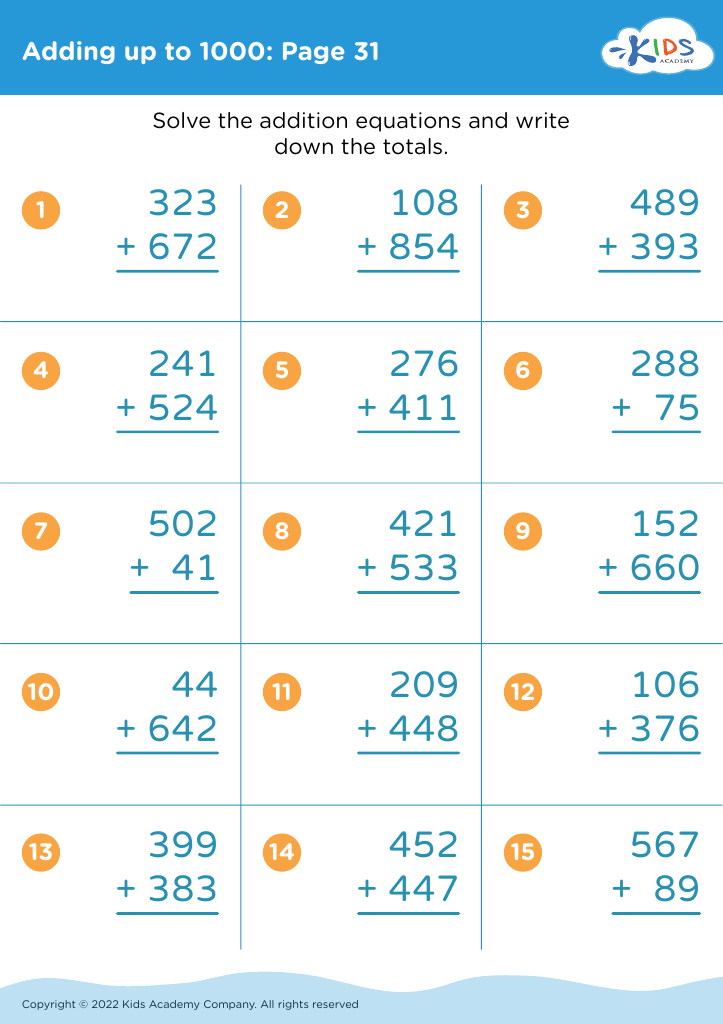
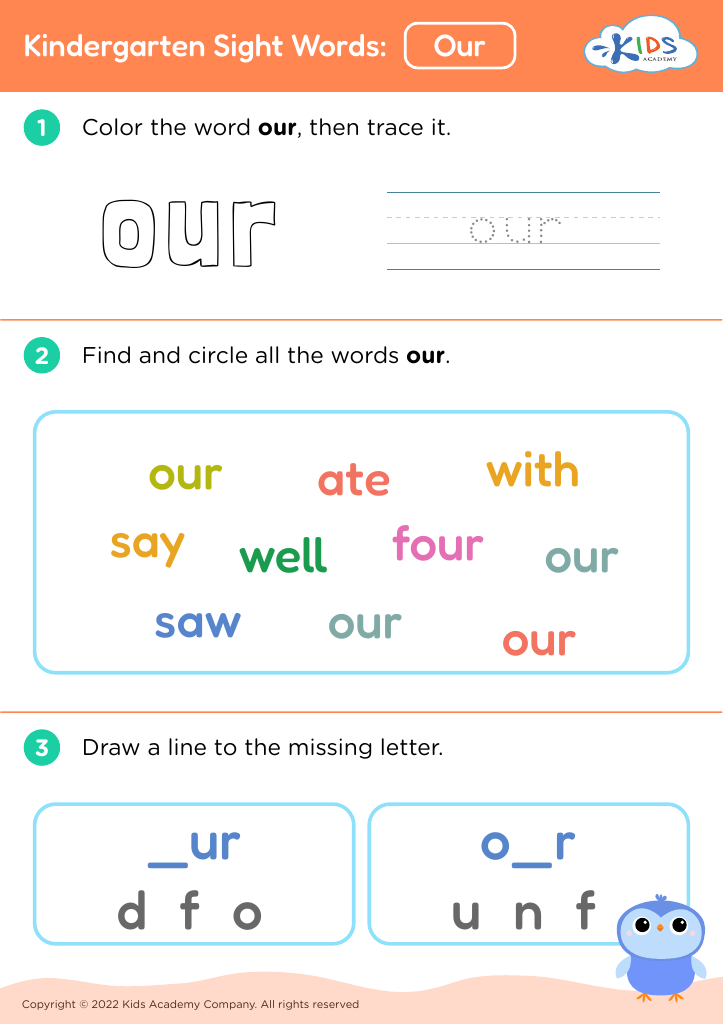








Practicing writing numbers for children aged 4-7 is essential for several reasons. Firstly, it develops fine motor skills, as children learn to control their hand movements when forming numbers. This skill not only benefits their writing ability but also lays the groundwork for other important tasks like drawing, cutting, and more complex handwriting in later years.
Secondly, writing numbers helps children conceptualize numerical values. By physically forming the numbers, they gain a tangible connection to the numeric symbols and their meanings. This early exposure fosters a deeper understanding of mathematics, aiding in their ability to perform basic operations like addition and subtraction later on.
Moreover, early number writing influences cognitive skills. It enhances memory retention and recognition of patterns, which are crucial for future math concepts. Engaging children in this practice also builds their confidence, presenting math as an accessible skill rather than a daunting subject.
Lastly, it encourages parental and teacher involvement. Collaborative practice can create supportive learning environments that motivate children to explore numeracy in fun and engaging ways. Supporting children's number writing sets a solid foundation for their future academic success, making it a priority for parents and educators alike.








