Predicting outcomes Worksheets for Ages 4-7
3 filtered results
-
From - To
Unlock your child’s potential with our Predicting Outcomes Worksheets specially designed for ages 4-7. These engaging and educational activities help young learners develop critical thinking and comprehension skills by encouraging them to anticipate what happens next in various scenarios. Our fun and colorful worksheets focus on everyday situations and stories, making learning enjoyable and relatable. With a variety of exercises tailored to early learners, Kids Academy ensures that concepts are simple yet stimulating, fostering creativity and logical reasoning. Equip your child with the tools to think ahead and succeed with our top-notch Predicting Outcomes Worksheets!
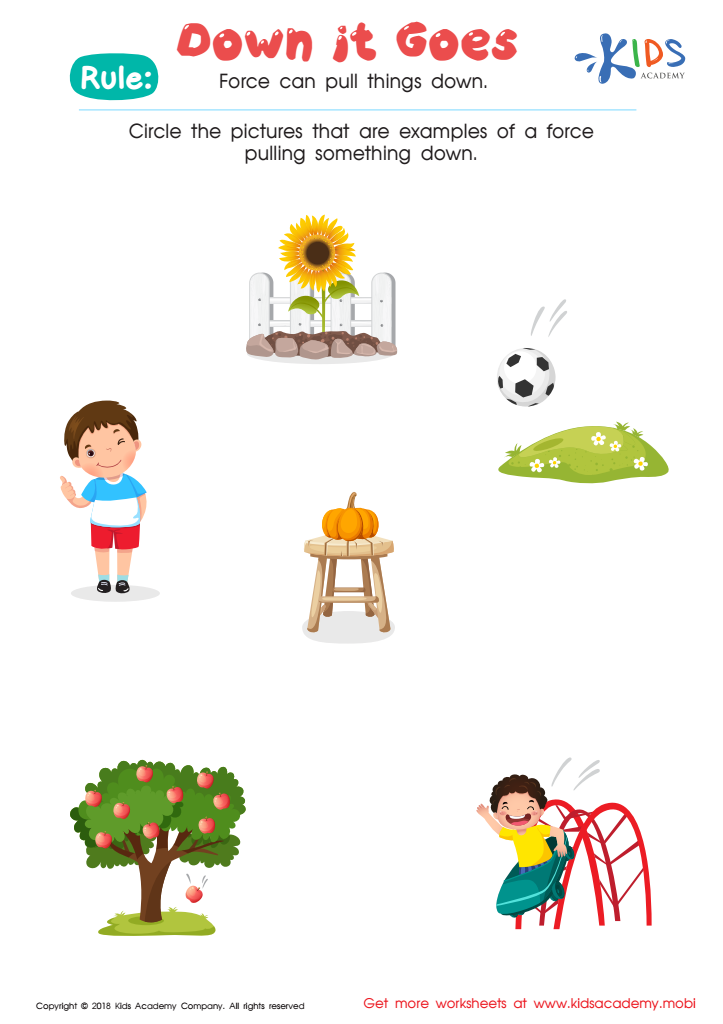
Down it Goes Worksheet
 Assign to My Students
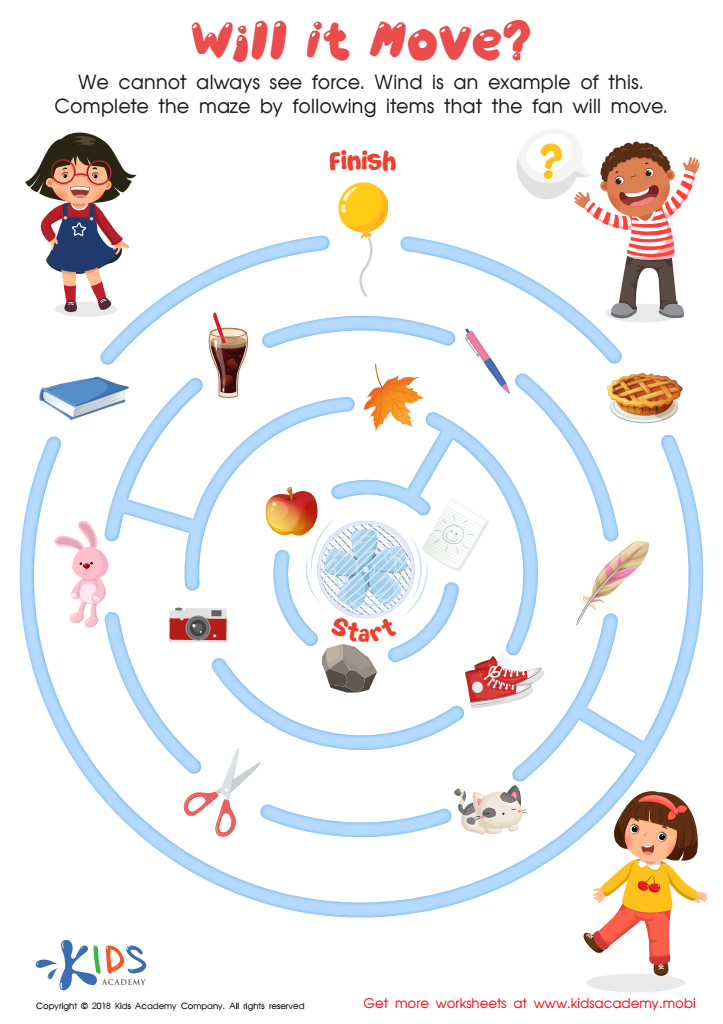
Will it Move? Worksheet
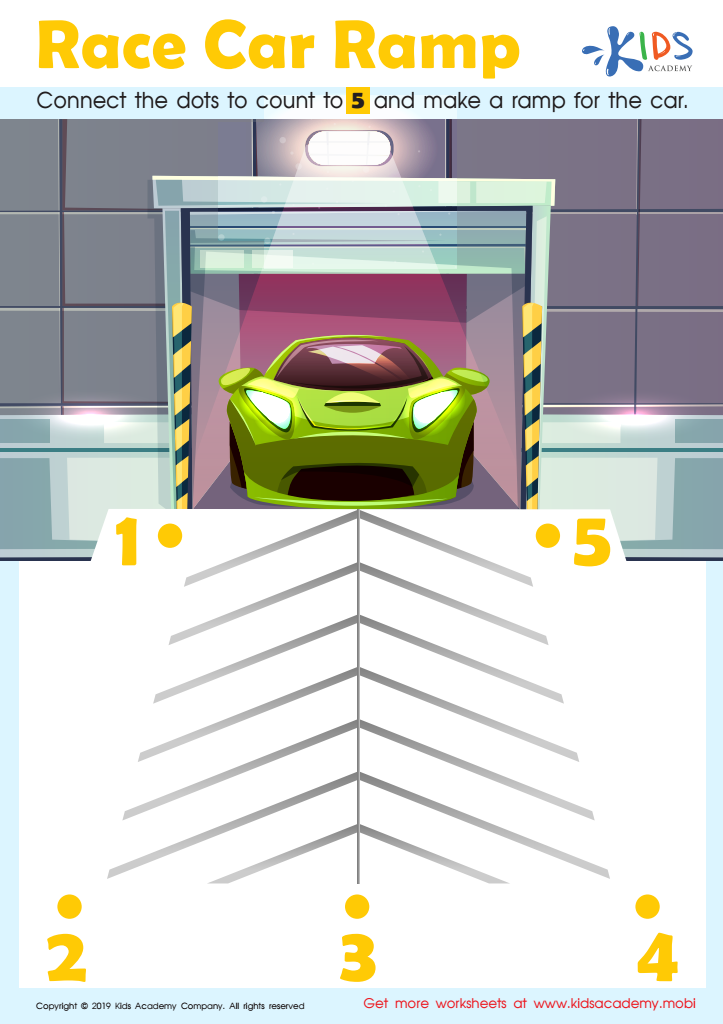
Race Car Ramp Worksheet






Predicting outcomes for children aged 4-7 is crucial because it lays the foundation for their future learning experiences and overall development. During this age, children are at a prime stage for cognitive and social growth. By anticipating how they will respond to certain stimuli or teaching methods, parents and teachers can better tailor their approaches to meet each child's unique needs. This personalized attention helps maximize a child's learning potential and ensures they do not fall behind in critical developmental milestones.
Moreover, predicting outcomes can identify early signs of any developmental delays or learning difficulties, enabling timely interventions. Early recognition and support for issues such as speech delays, social challenges, or learning disabilities can make a significant difference in a child’s academic journey and long-term success.
Additionally, understanding and predicting children's reactions to various situations can foster a positive and supportive learning environment. Teachers can choose activities that not only educate but also engage and inspire curiosity. Parents can provide appropriate support and encouragement at home, creating a cohesive experience between school and home environments.
In essence, having the foresight to predict outcomes equips educators and parents with the tools needed to guide children through crucial early years effectively, setting a solid foundation for lifelong learning and well-being.








