Problem-solving abilities Worksheets for Ages 4-7 - Page 2
61 filtered results
-
From - To
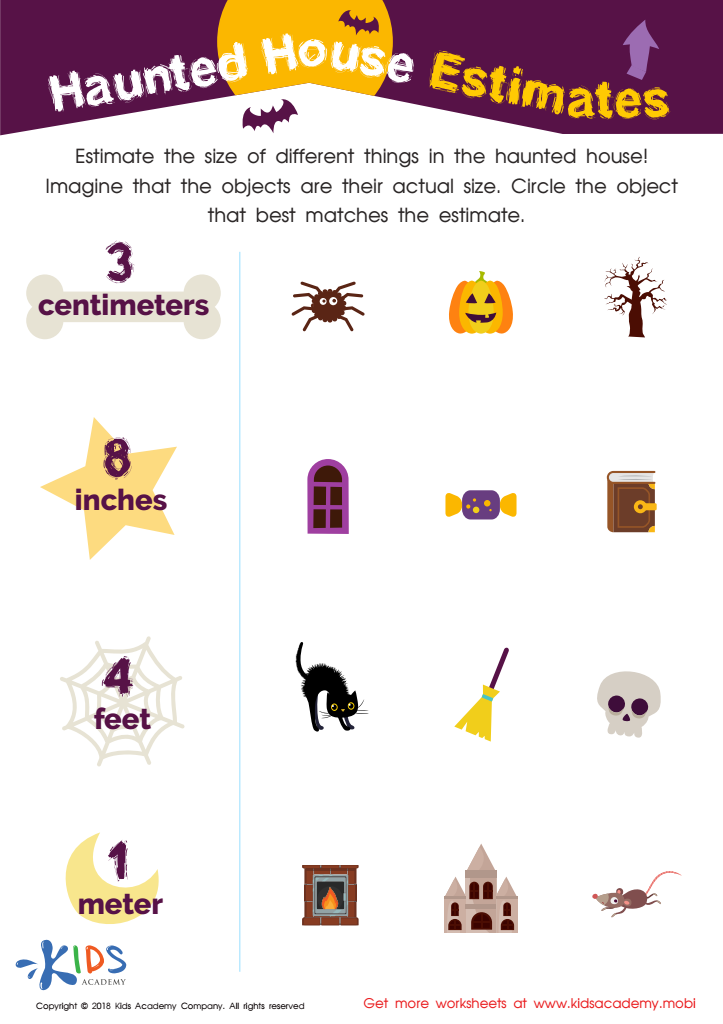
Haunted House Estimates Worksheet
 Assign to My Students
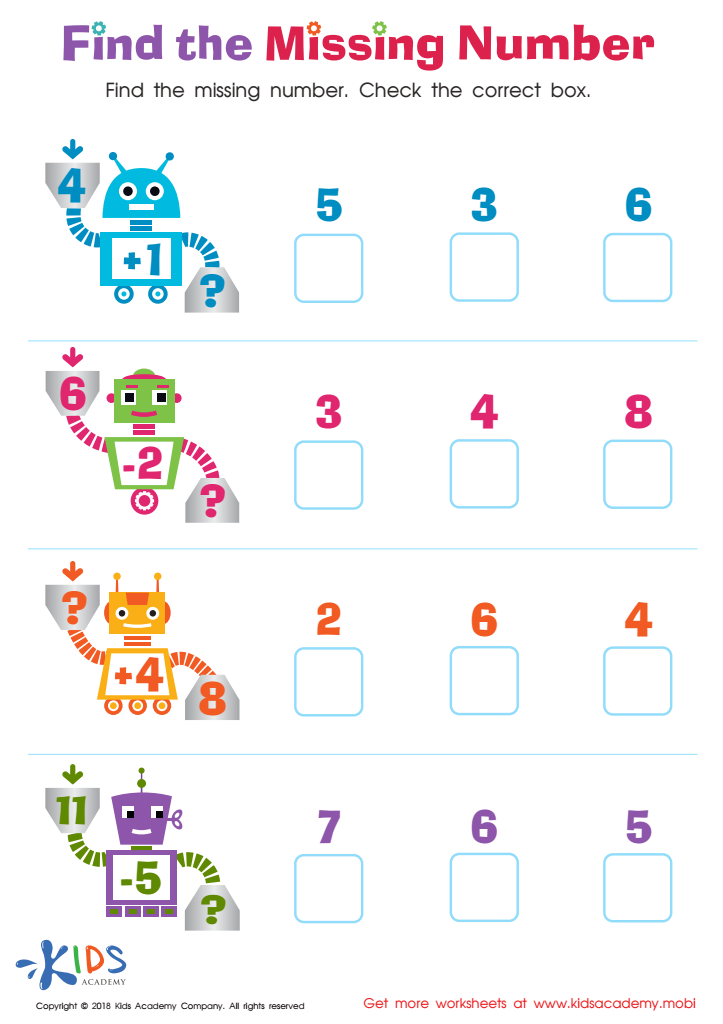
Find the Missing Number Worksheet
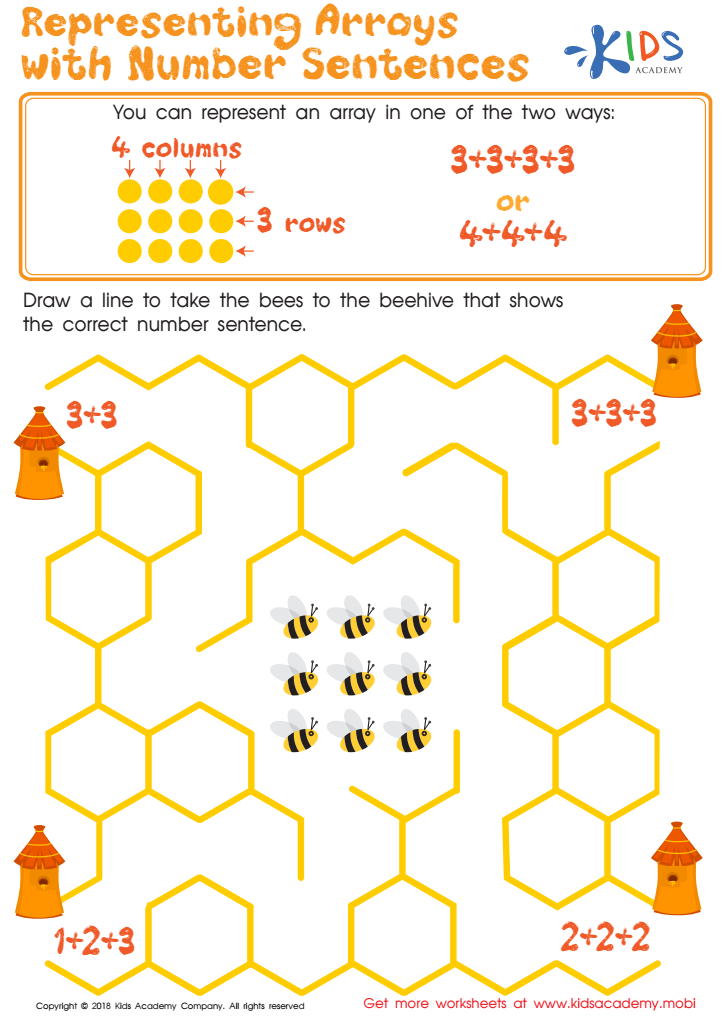
Representing Arrays with Number Sentences Worksheet
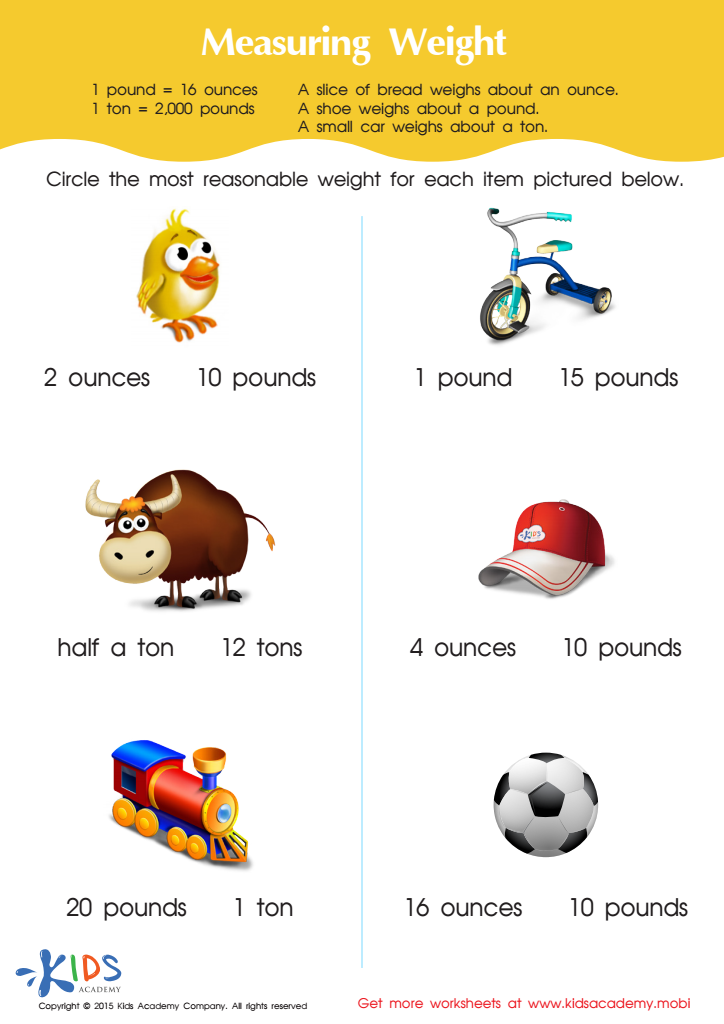
Measuring Weight in Ounces, Pounds and Tons (Part 2) Worksheet
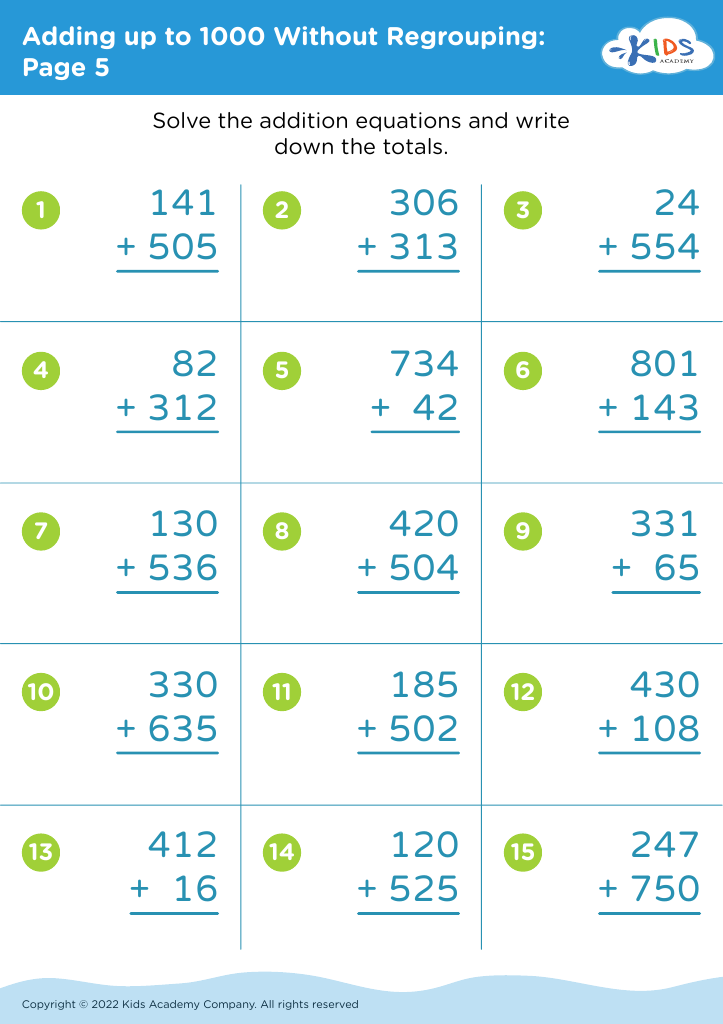
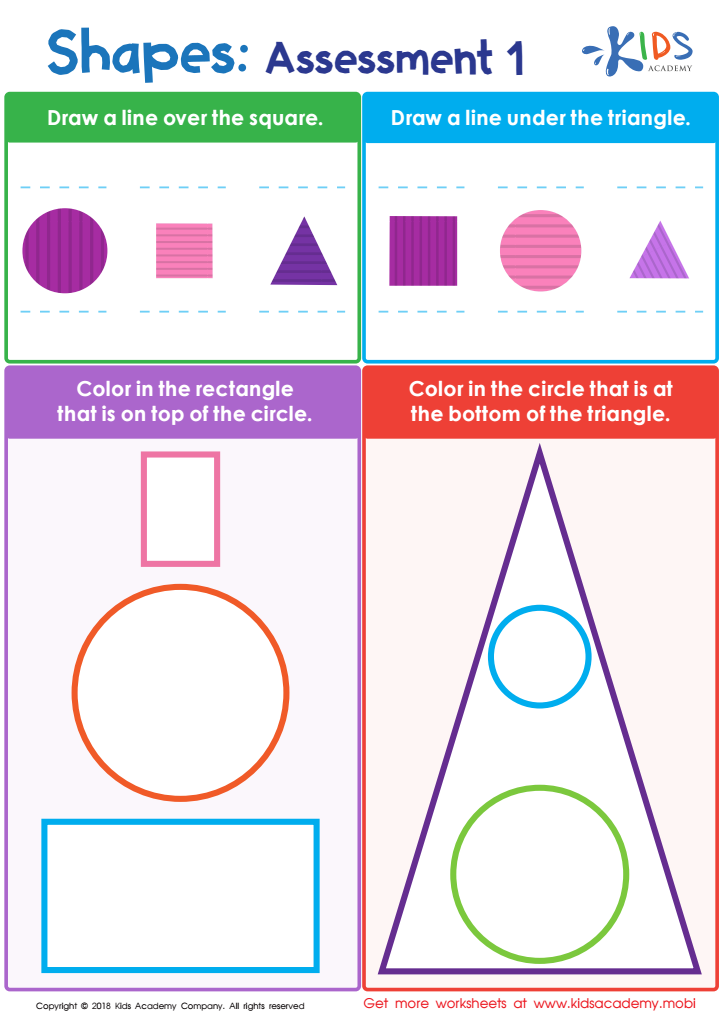
Shapes: Assessment 1 Worksheet
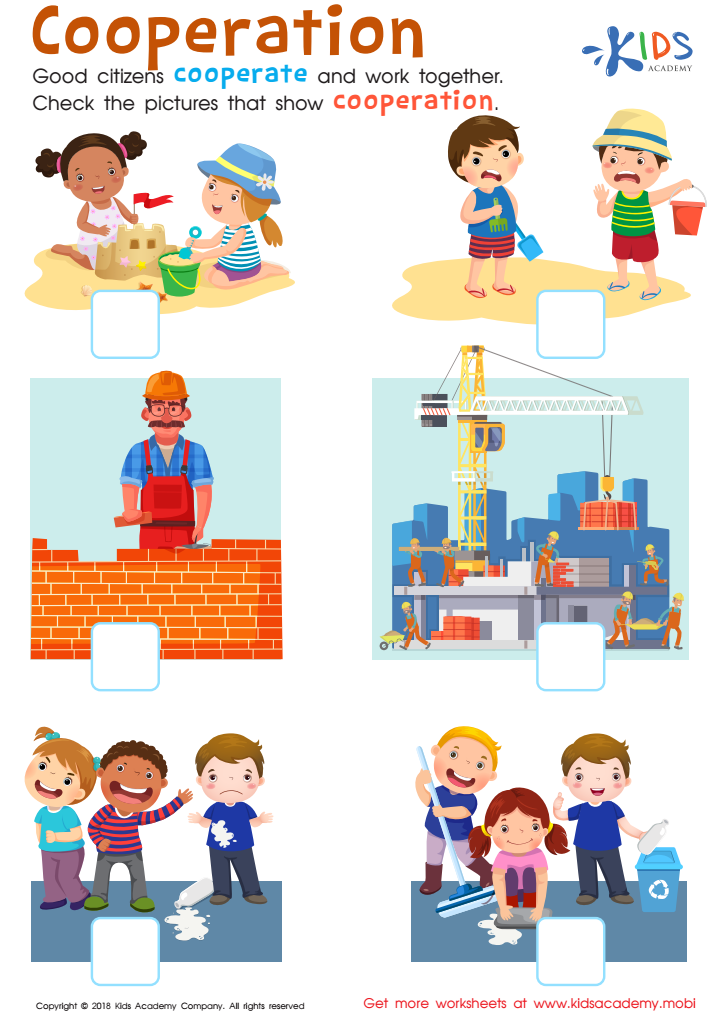
Cooperation Worksheet
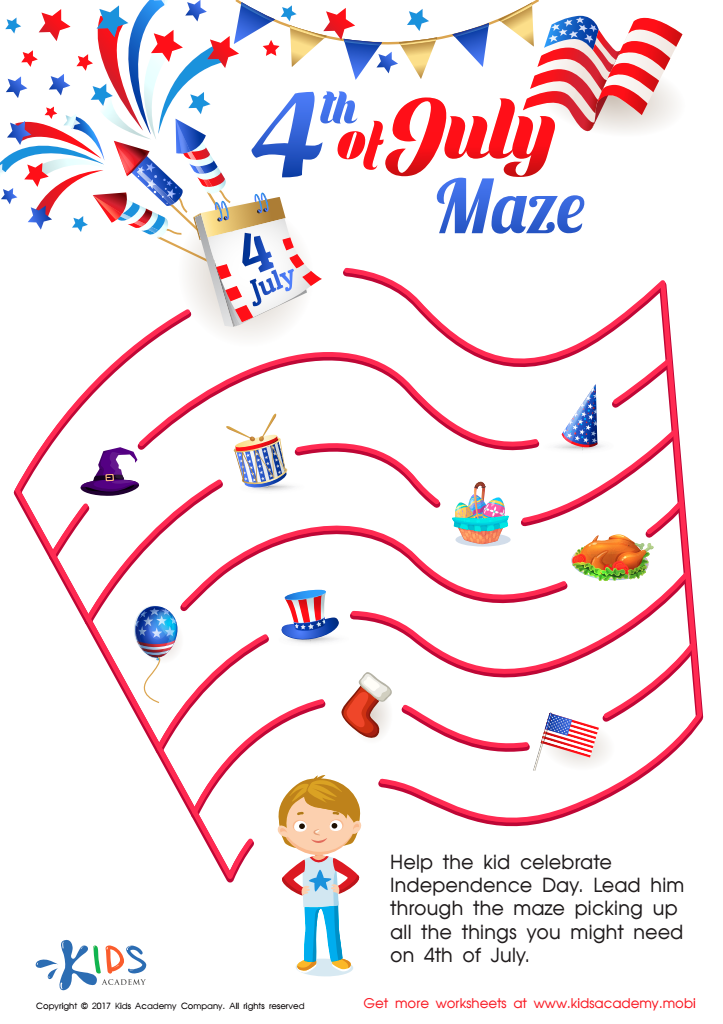
Fourth of July Maze Printable
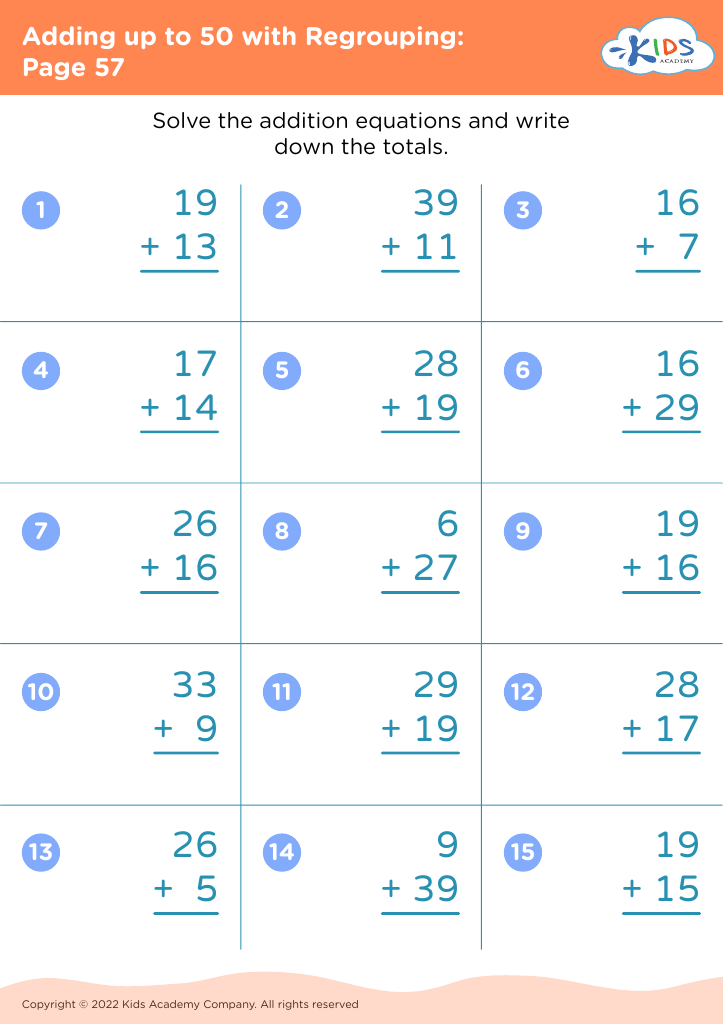
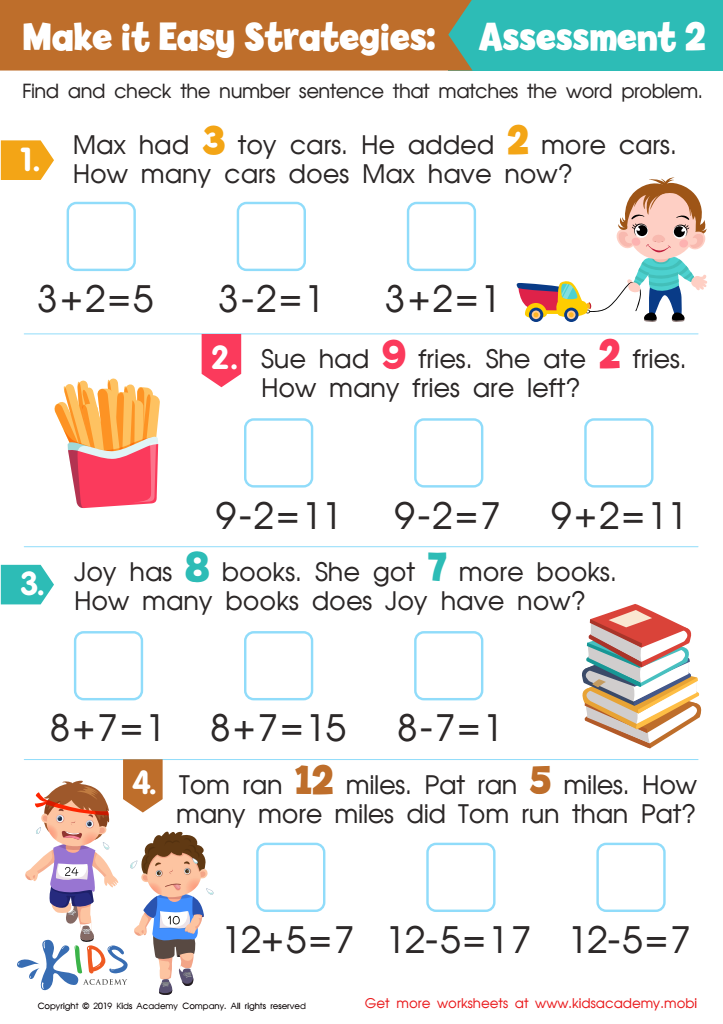
Make it Easy Strategies: Assessment 2 Worksheet
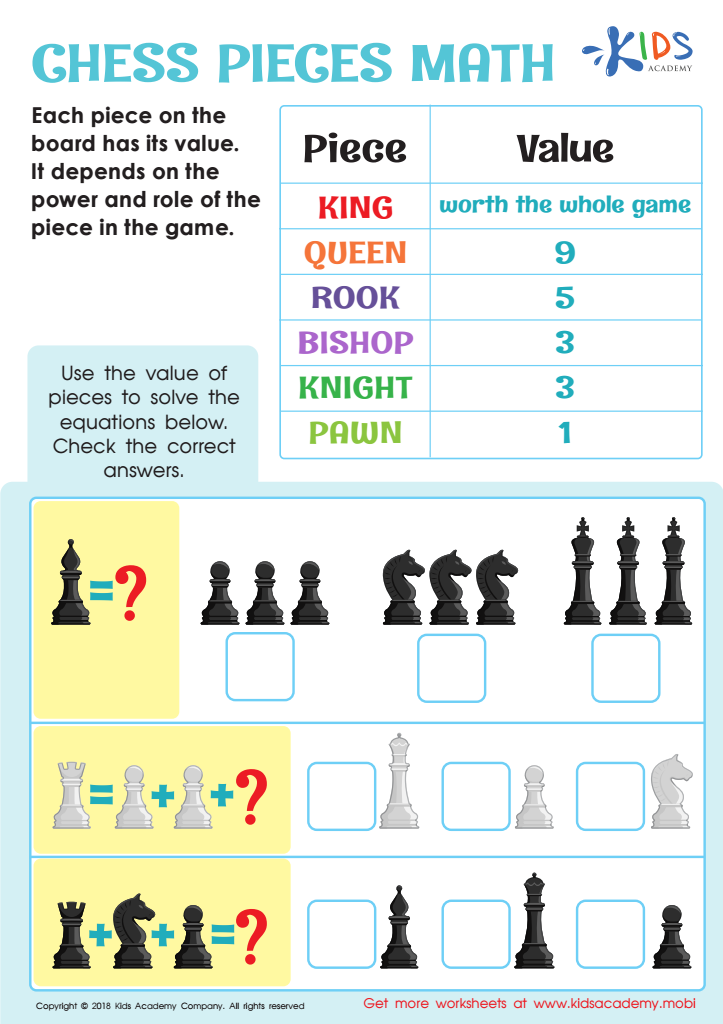
Chess Pieces Math Worksheet
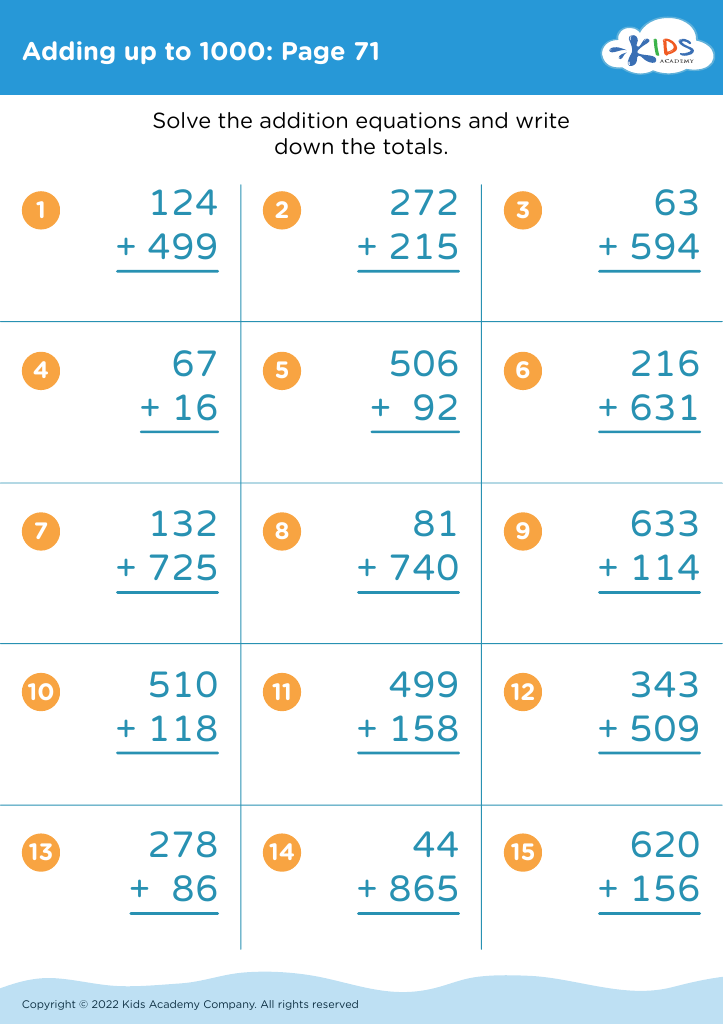
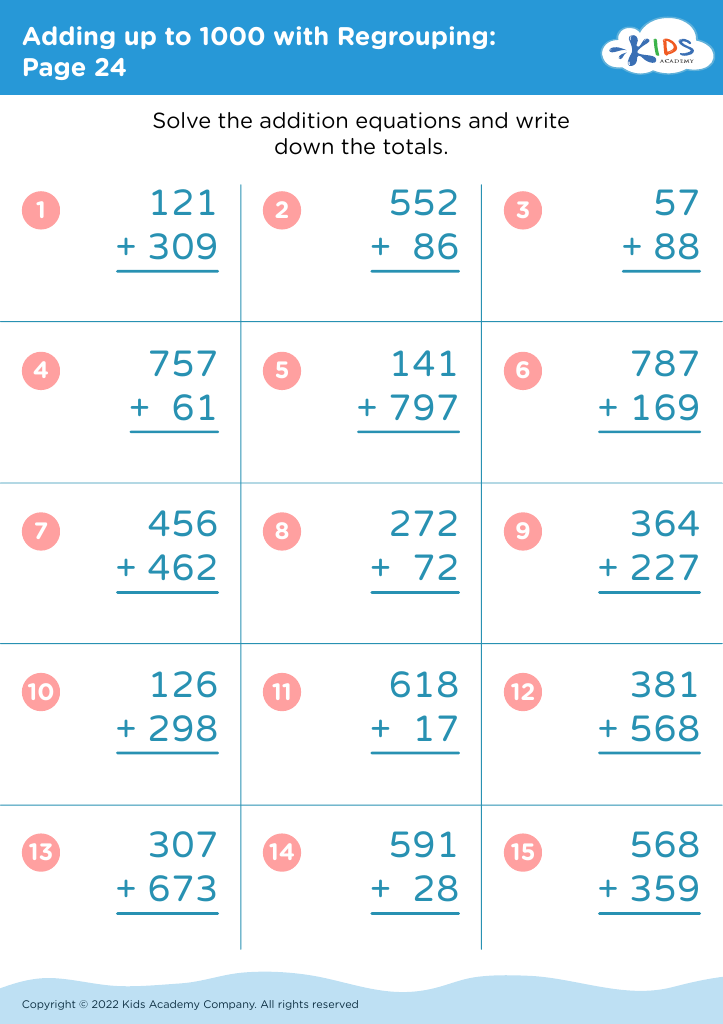
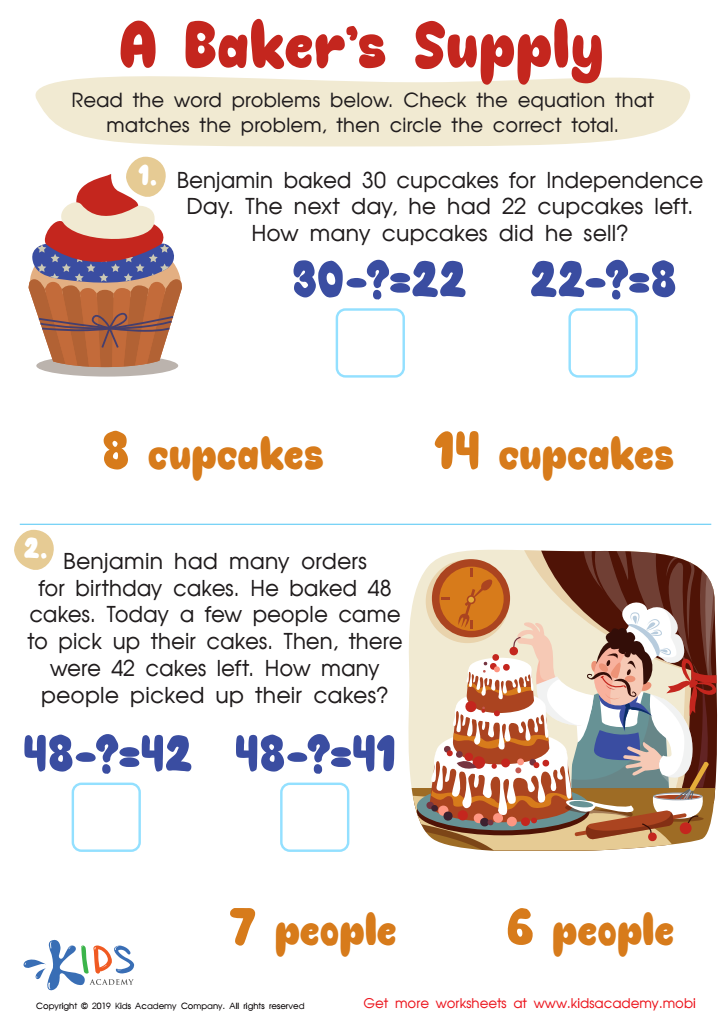
A Baker's Supply Worksheet
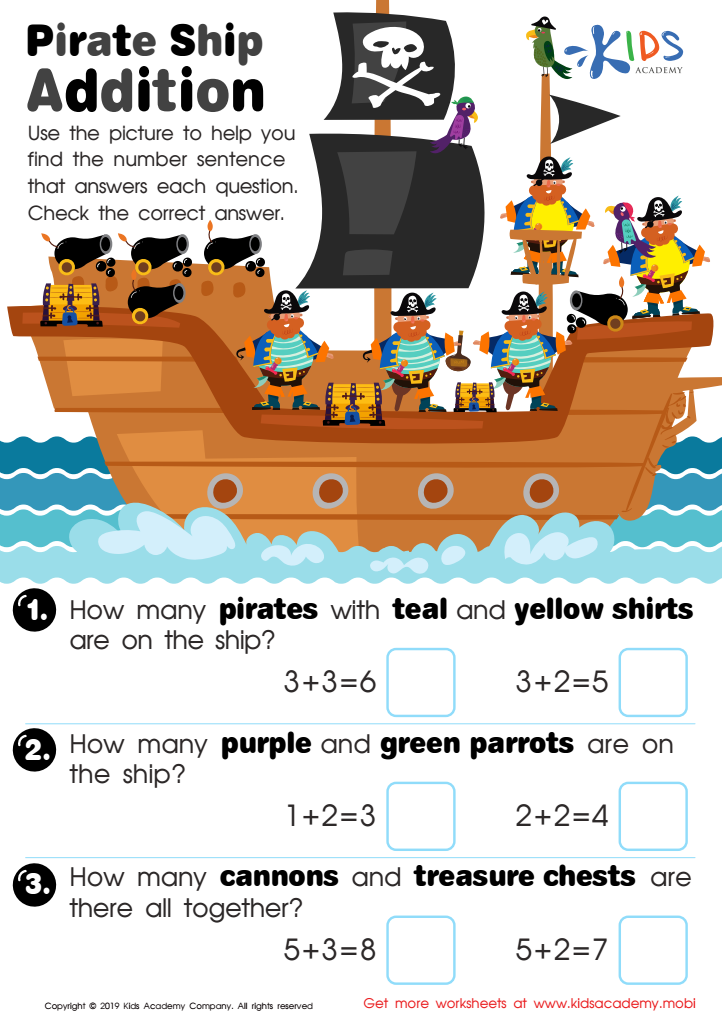
Pirate Ship Addition Worksheet
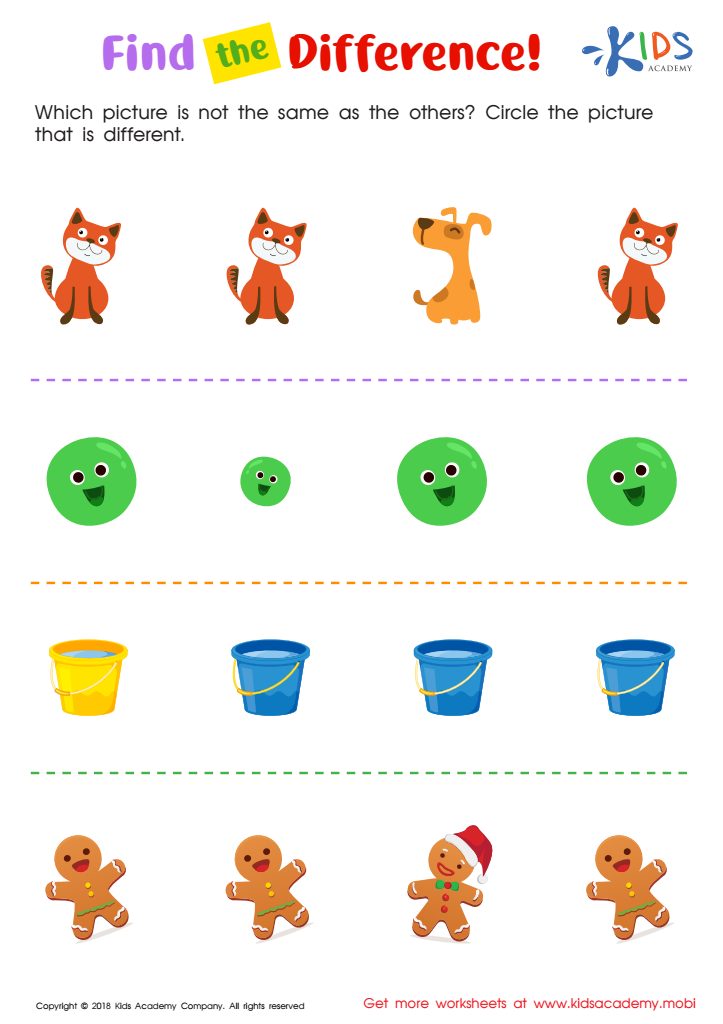
Find the Difference Worksheet
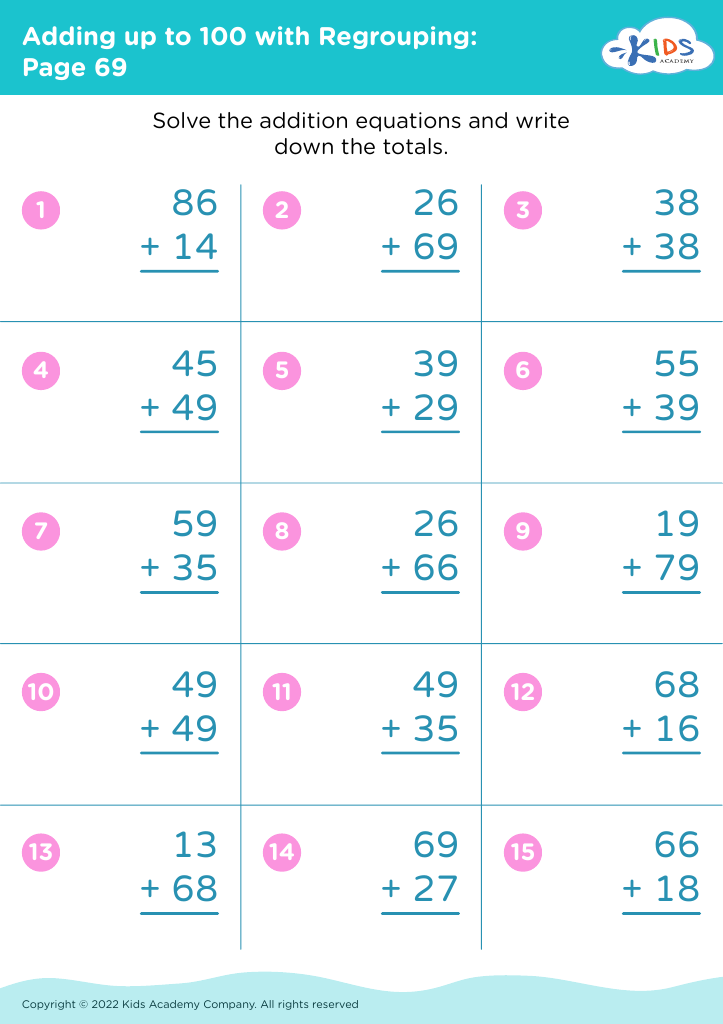
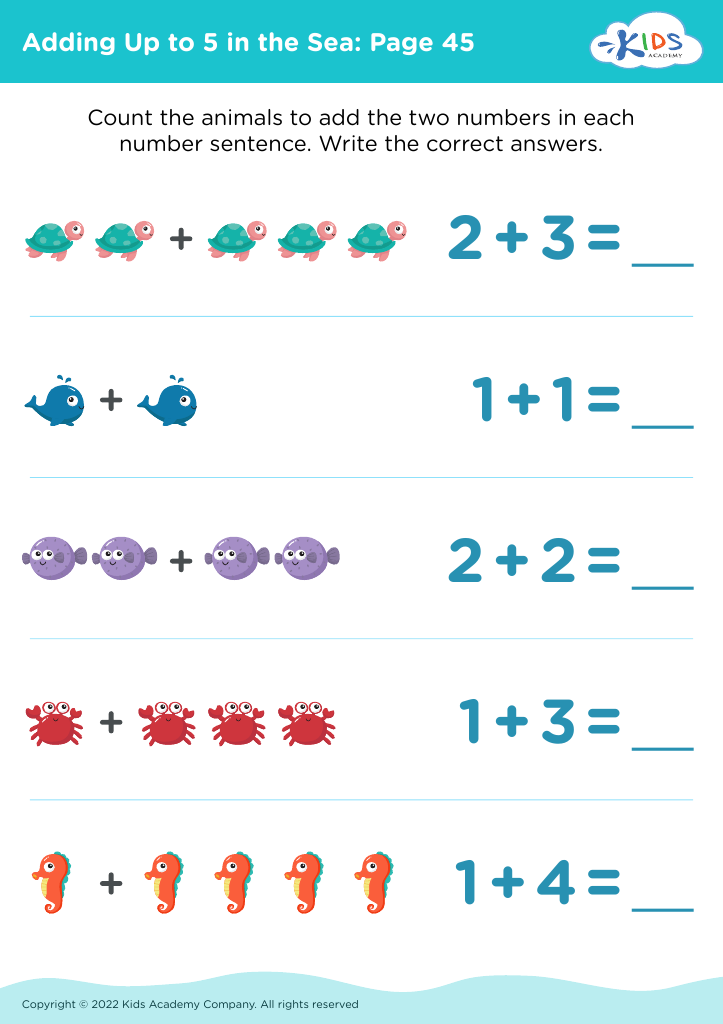
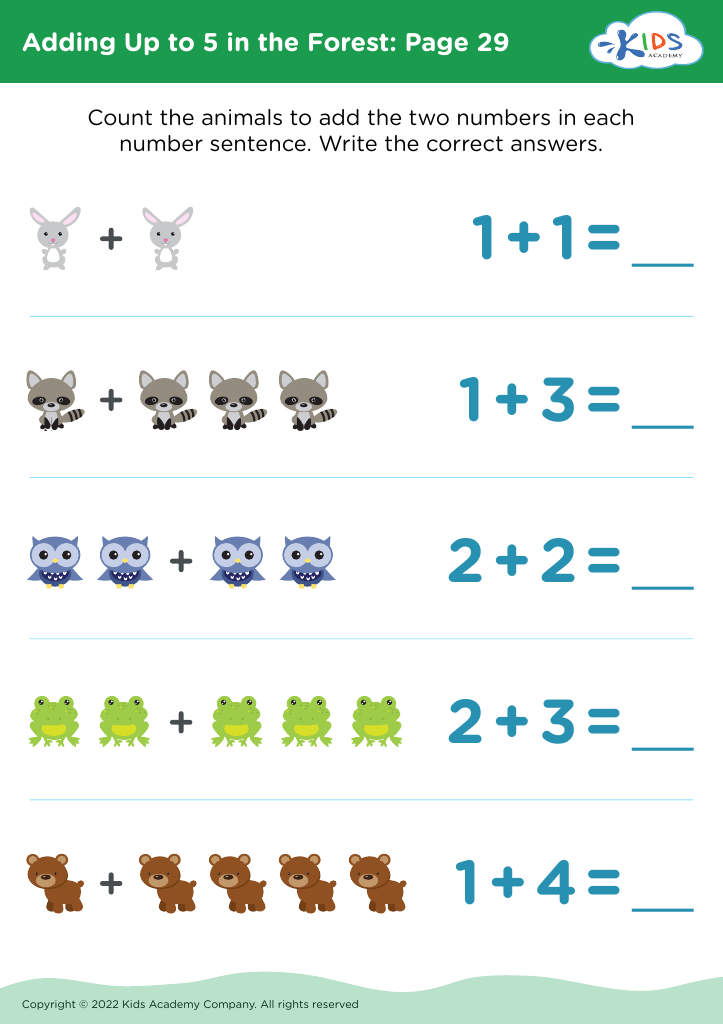
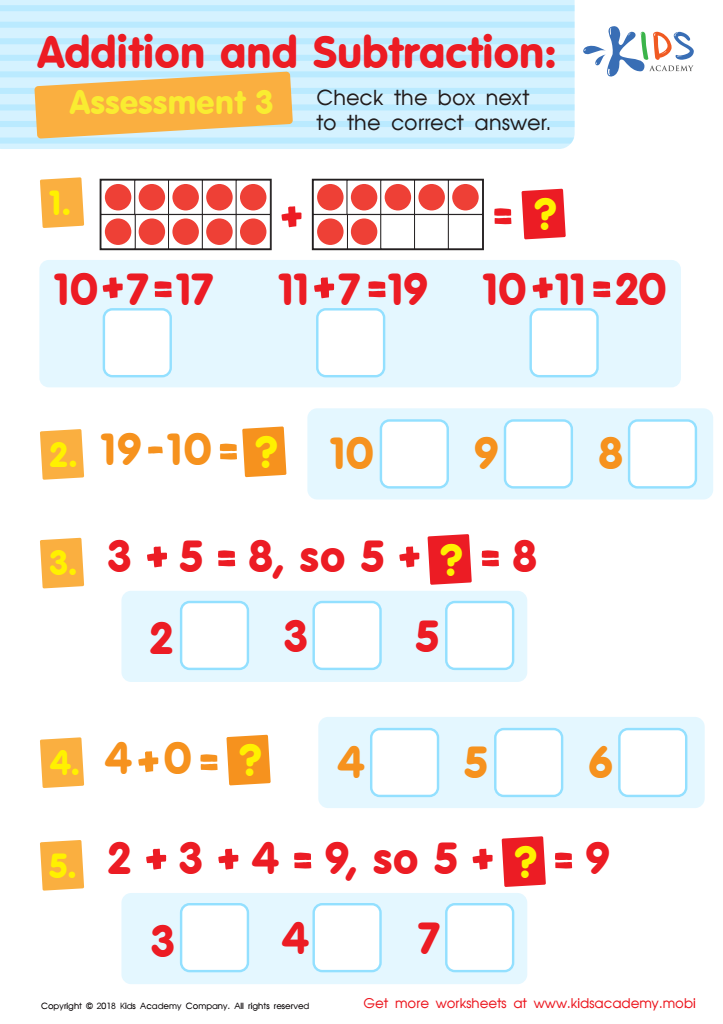
Addition and Subtraction Assessment 3 Worksheet







Problem-solving abilities are crucial for children aged 4-7 as they lay the foundation for future learning and development. At this stage, children are naturally curious and eager to explore their environment. Teaching them problem-solving skills harnesses this curiosity, encouraging critical thinking and creativity. It empowers them to approach challenges with an open mind, enhancing their ability to make decisions and find effective solutions.
When parents and teachers prioritize problem-solving, they cultivate resilience in children. Facing and overcoming difficulties helps children understand that failure is a natural part of the learning process. This mindset is essential as they encounter more complex challenges in school and life. Moreover, problem-solving fosters collaboration; engaging in group activities allows children to learn from each other and develop social skills.
Additionally, strong problem-solving skills are linked to better academic performance. Children who can think critically are more adept at grasping concepts in math and science, leading to greater success in these subjects. Ultimately, investing in problem-solving abilities equips children with essential skills that benefit their intellectual, social, and emotional development, preparing them for a successful future. Parents and teachers should, therefore, emphasize and nurture these abilities during this formative age.








