Problem-Solving Skills Worksheets for Ages 4-7 - Page 16
367 filtered results
-
From - To
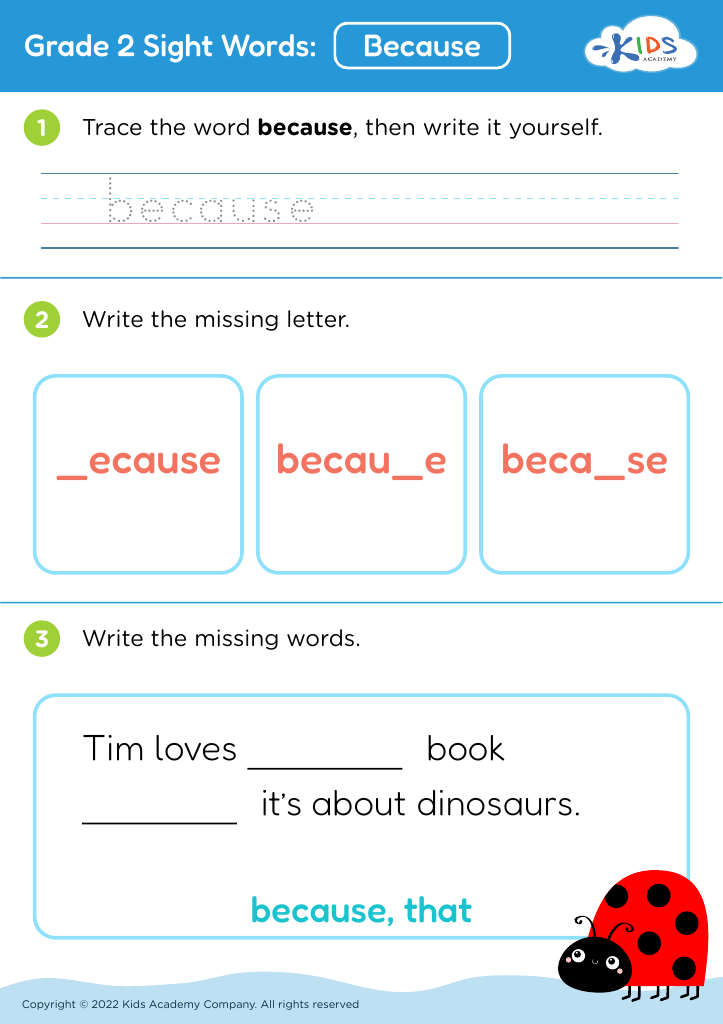
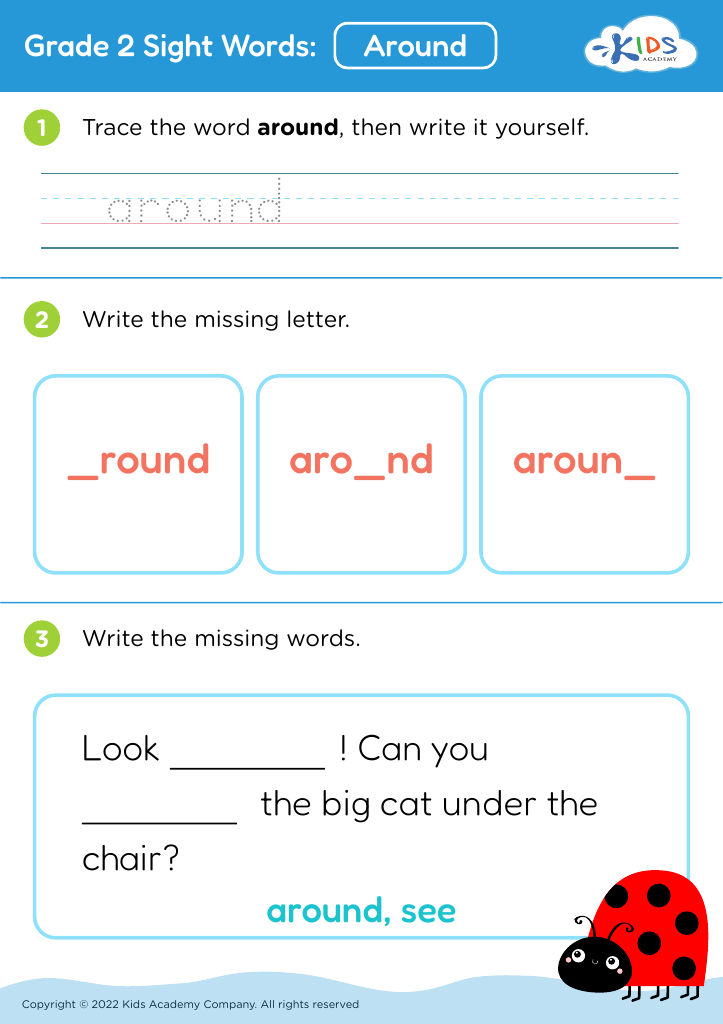
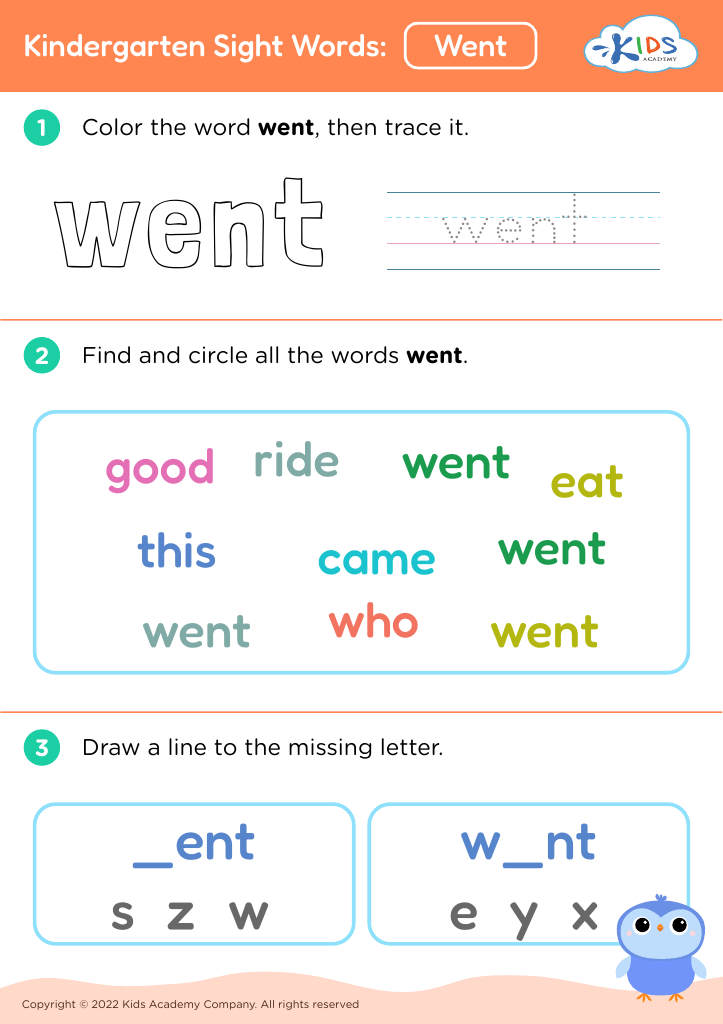
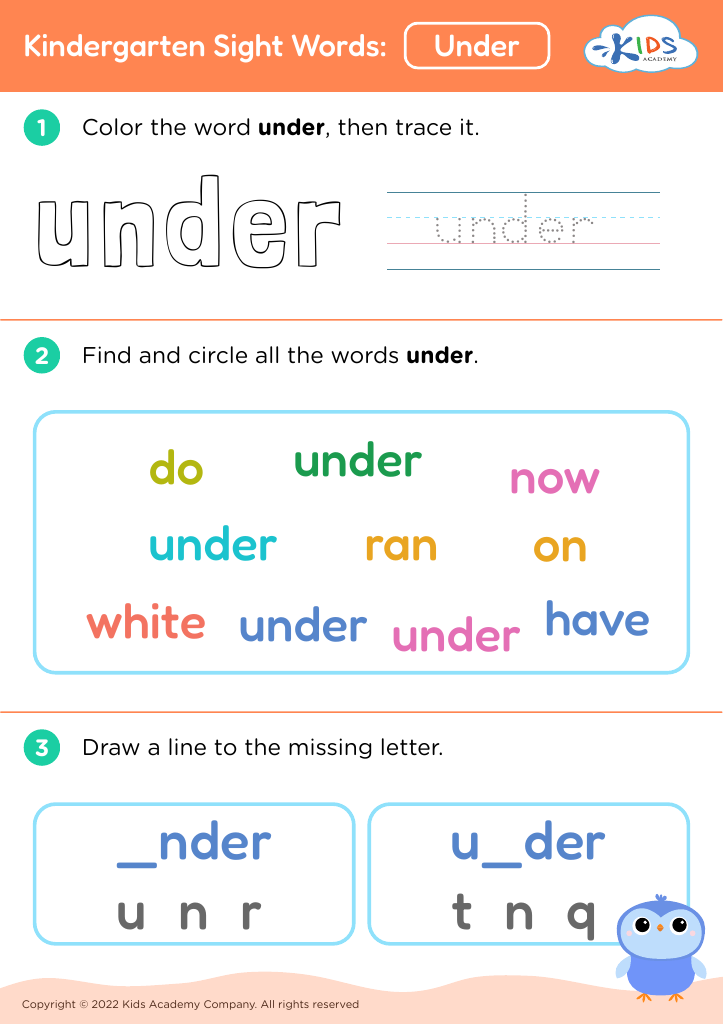








Problem-solving skills are essential for children ages 4-7 because these early years play a critical role in cognitive development and learning foundations. When kids face challenges and try to solve problems, they learn to think critically, make decisions, and develop resilience. This process not only boosts their intellectual capabilities but also their emotional intelligence, as they understand frustration, patience, and perseverance.
For parents and teachers, nurturing these skills offers long-term benefits. Children who improve their problem-solving abilities tend to be more independent and better at handling both academic and social situations. For instance, in a classroom setting, children with strong problem-solving skills can tackle math puzzles, participate in group activities, and adapt to new tasks more easily. At home, these kids are often more capable of resolving conflicts with siblings or finding creative ways to play and learn.
Moreover, reinforcing problem-solving skills at this age lays the groundwork for lifelong learning and adaptability. As the world around us continually changes, the ability to approach problems methodically and creatively is invaluable. By encouraging these skills early on, parents and teachers help children develop into competent, confident, and thoughtful individuals who can navigate life's complex challenges effectively.








