Recognize patterns Worksheets for Ages 4-7
11 filtered results
-
From - To
Explore our engaging "Recognize Patterns Worksheets for Ages 4-7" designed to cultivate early learning skills in young children. These colorful, fun, and interactive worksheets are perfect for preschoolers and early elementary students to develop critical thinking and observation abilities. By identifying and predicting sequences, children enhance their problem-solving skills and build a solid foundation for mathematics. Our worksheets feature a variety of themes and difficulty levels, ensuring that each child can progress at their own pace. Make learning enjoyable and effective with our pattern recognition activities, tailored to spark curiosity and promote educational growth.
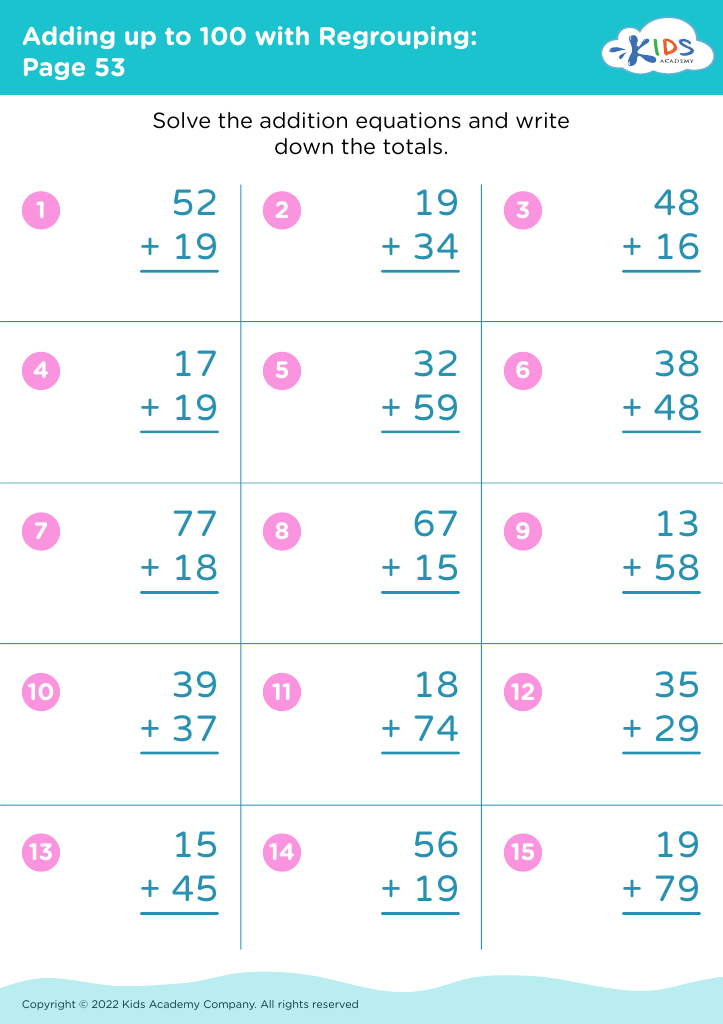
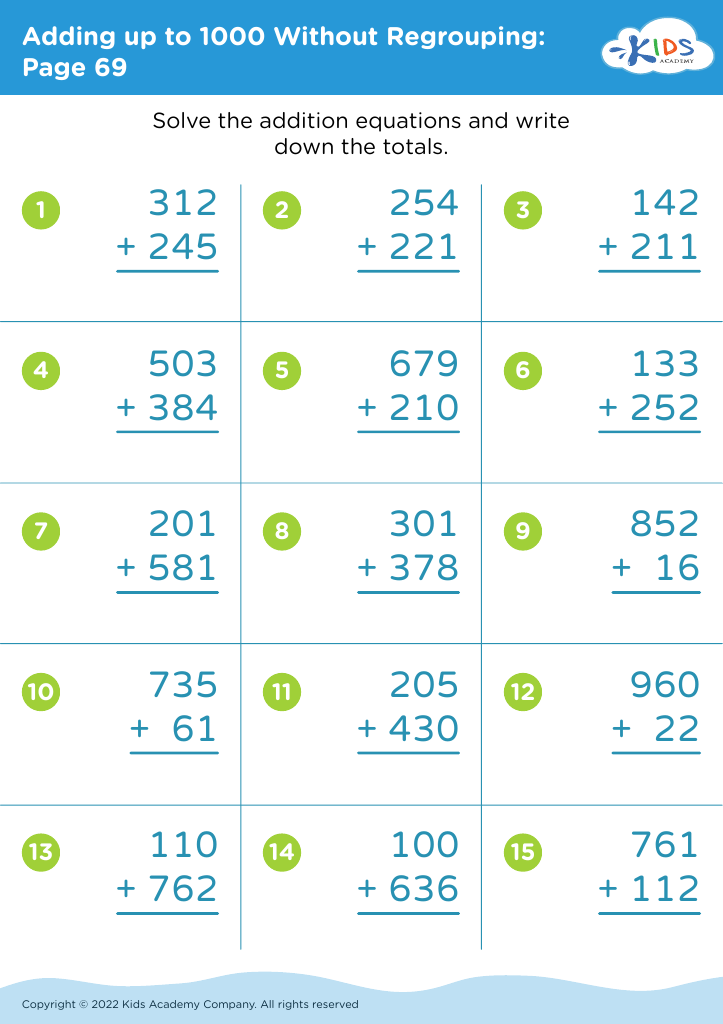
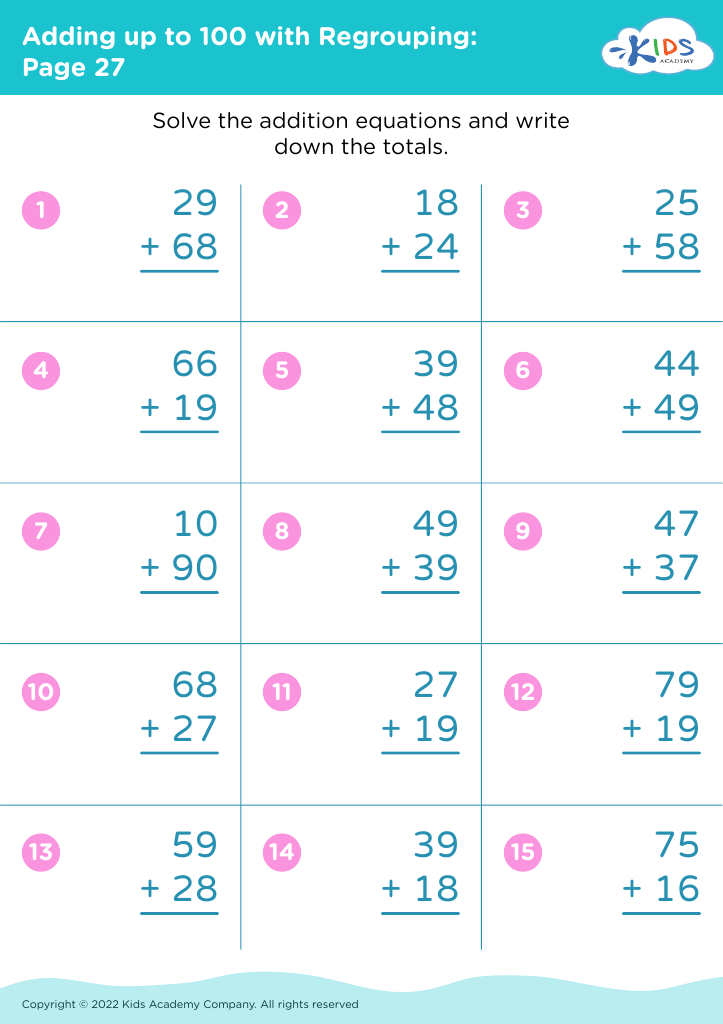
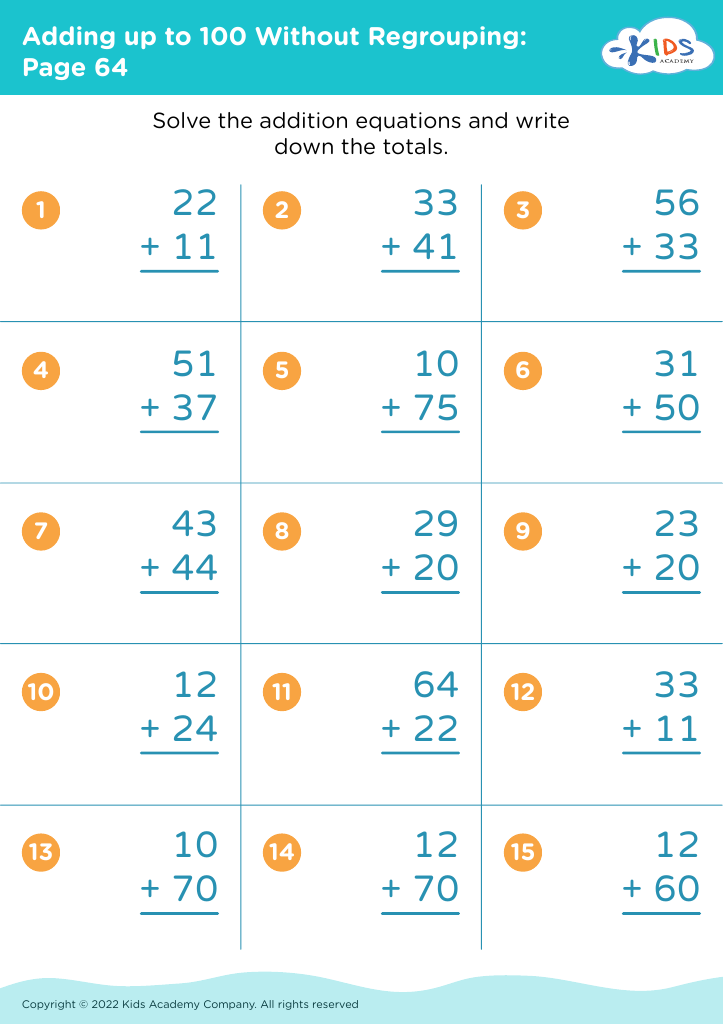
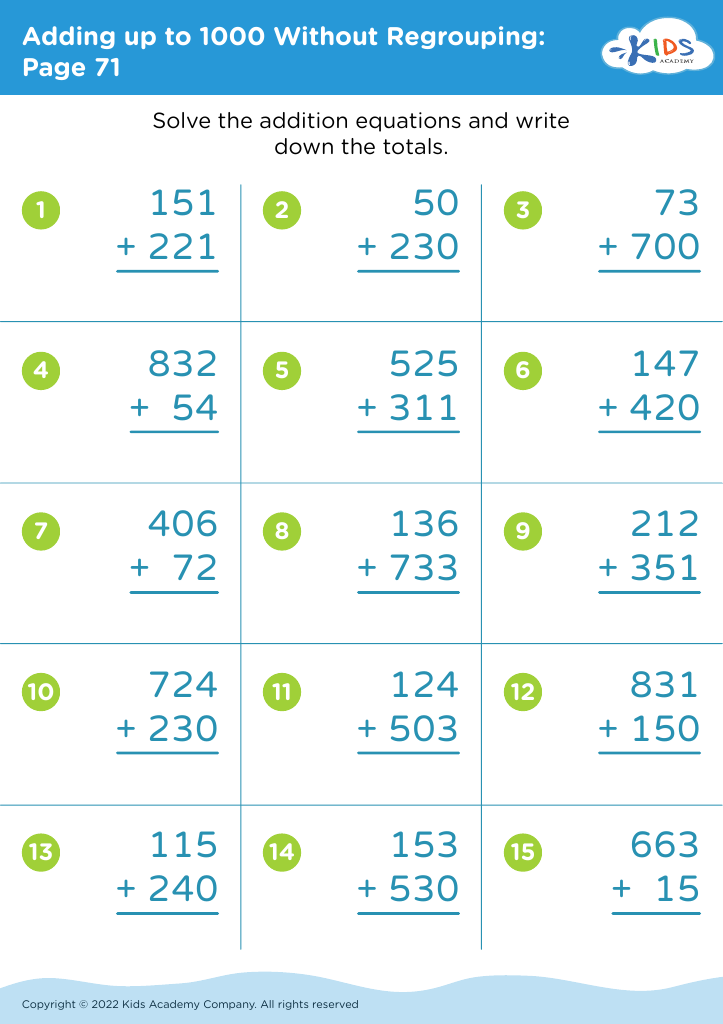
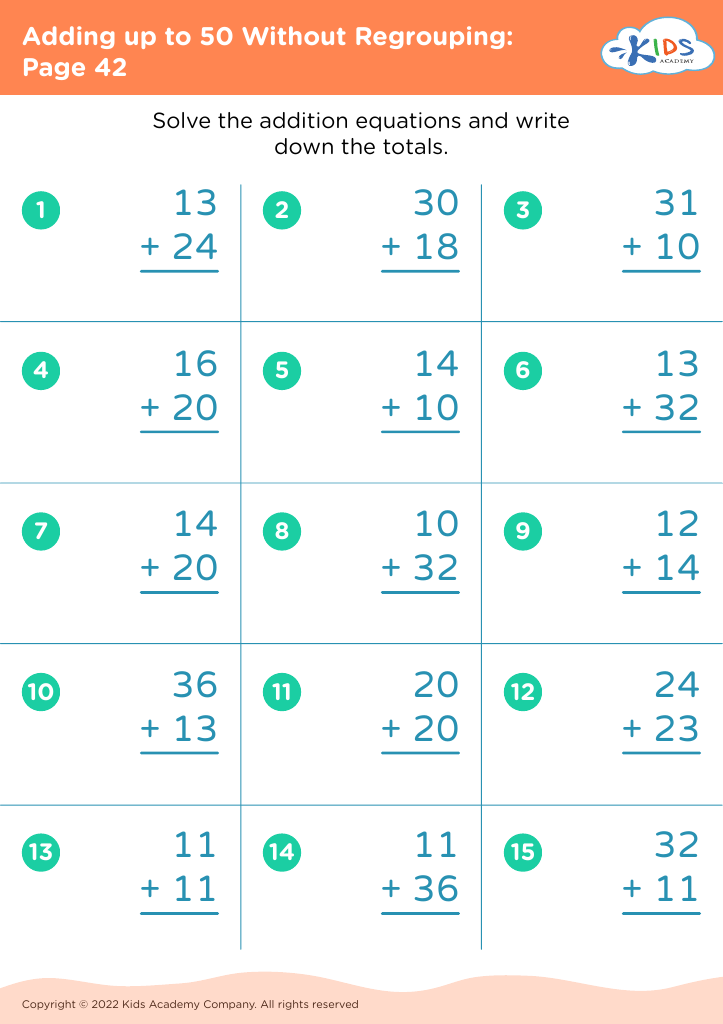
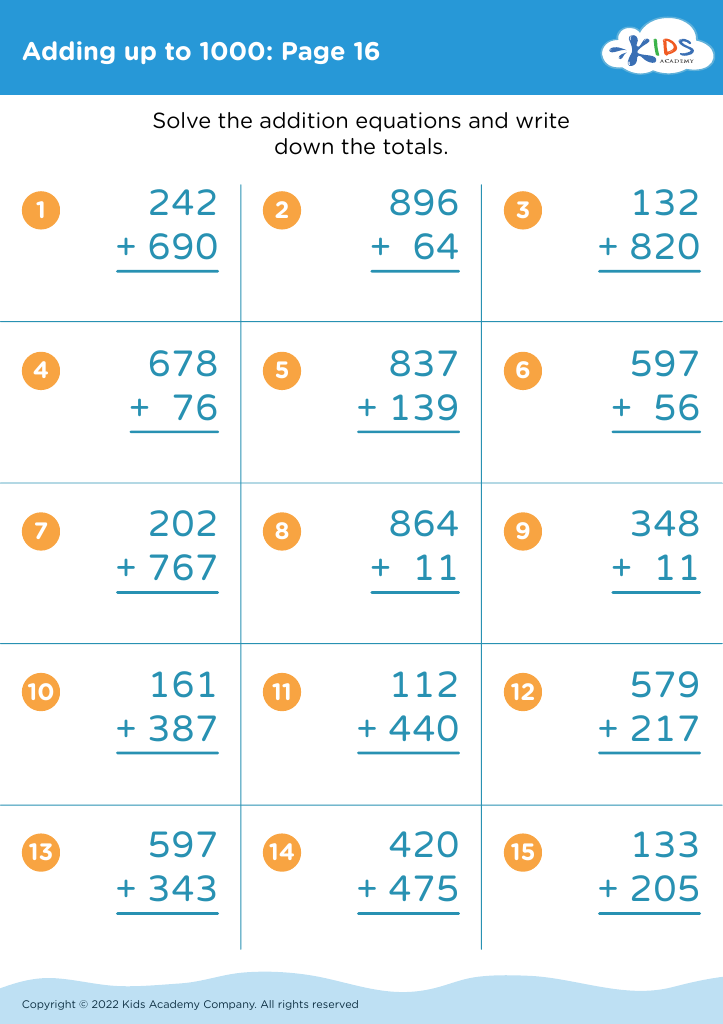
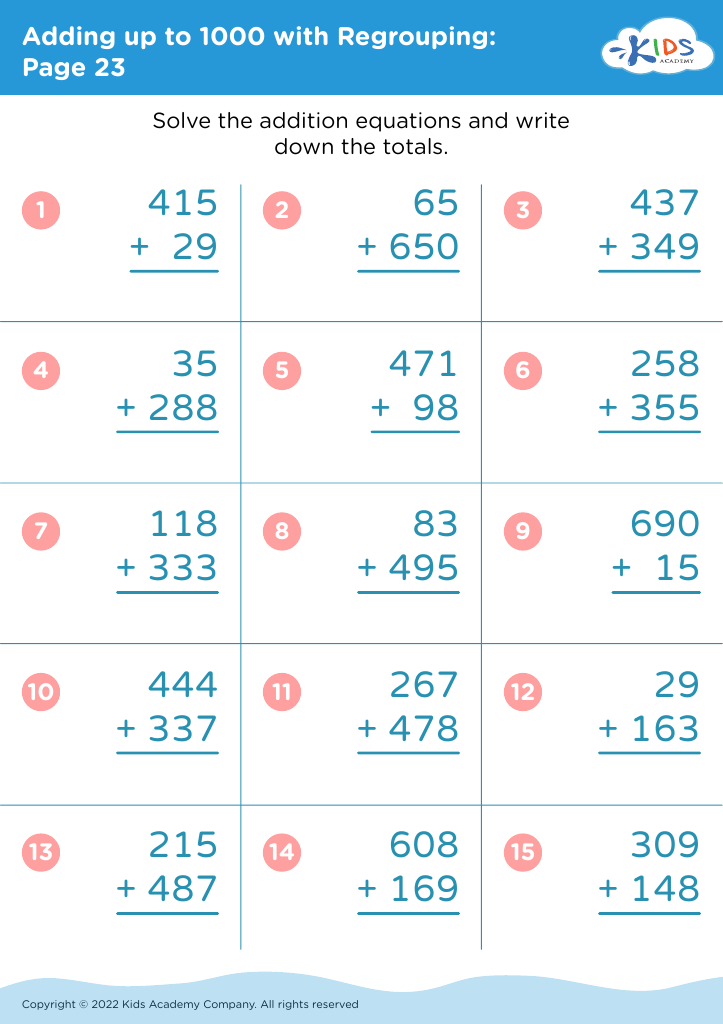








Recognizing patterns is a foundational skill in early childhood development that significantly impacts a child's cognitive, mathematical, and reasoning abilities. For children aged 4-7, understanding patterns helps to bolster their sense of order and predictability in the world. Parents and teachers should care about this skill for several critical reasons.
Firstly, pattern recognition enhances critical thinking and problem-solving skills. When children notice and predict sequences, shapes, and colors, they develop analytical thinking that is crucial for later academic success, especially in mathematics and science. For instance, understanding patterns in numbers lays the groundwork for learning addition, subtraction, and even multiplication.
Secondly, knowing how to recognize patterns improves language and literacy skills. Patterns in words and sentences—such as rhyming, rhythmic, and repetitive texts—aid children in phonemic awareness, which is integral for reading fluency and comprehension.
Additionally, pattern recognition fosters creativity. Recognizing and creating art with patterns involve imagination and personal expression, allowing children to explore and convey their unique ideas.
In summary, paying attention to pattern recognition in early childhood equips children with essential tools for learning and development. It builds a strong cognitive foundation, supports academic skills across various subjects, and nurtures both creativity and systematic thinking. Hence, it is a pivotal aspect of early education that deserves parents’ and teachers’ active encouragement.








