Recognizing equal parts Worksheets for Ages 4-7
3 filtered results
-
From - To
Welcome to our "Recognizing Equal Parts Worksheets" section, designed specifically for children ages 4-7! These engaging worksheets introduce young learners to the concept of equal parts and help develop essential fraction skills. Through colorful visuals and fun activities, kids will explore dividing shapes and objects into equal sections, enhancing their understanding of fairness and comparison. Our worksheets are perfect for home or classroom use, ensuring that young minds grasp these foundational math concepts in an interactive and enjoyable way. Join us in making math a fun adventure as your child builds confidence and skills in recognizing equal parts!
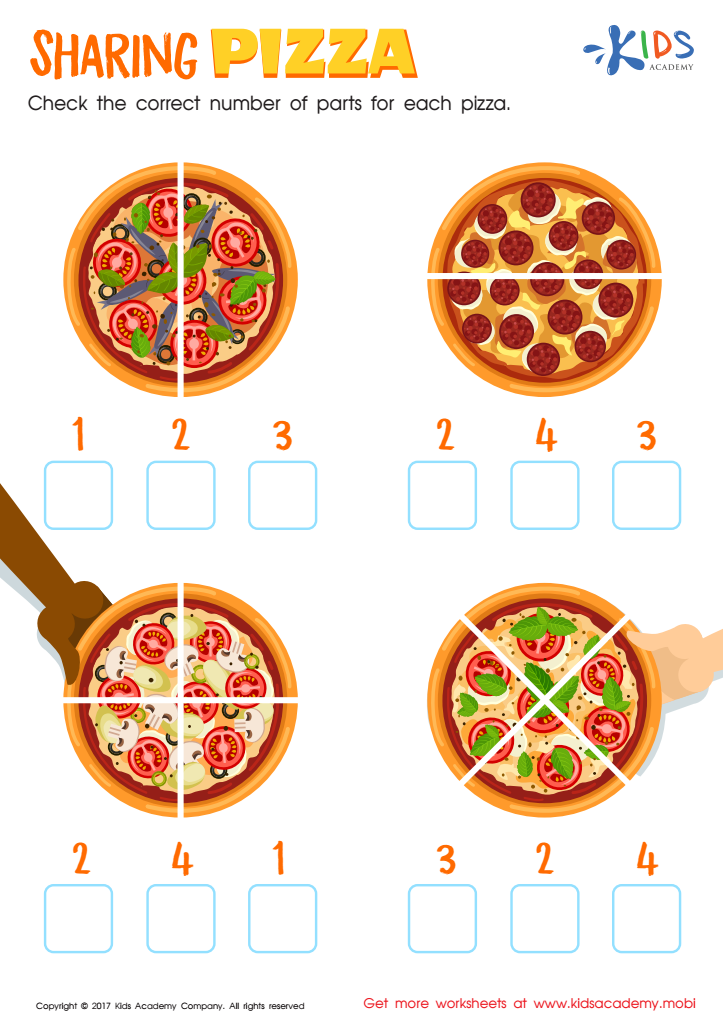
Sharing Pizza Worksheet
 Assign to My Students
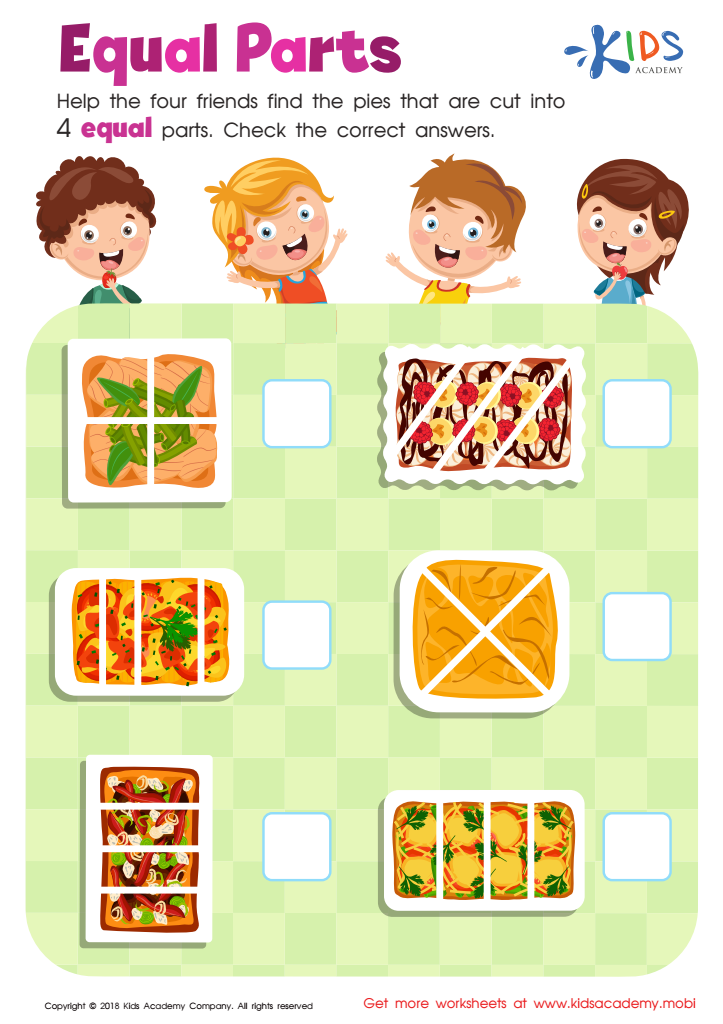
Equal Parts: Food Worksheet





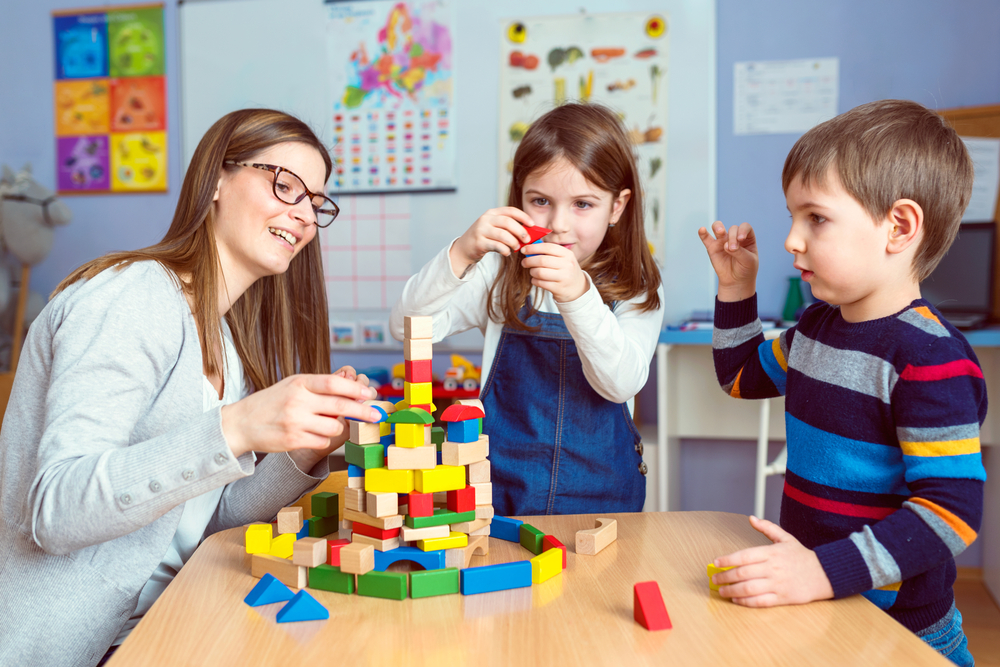
Recognizing equal parts is a fundamental skill for children ages 4-7 that lays the groundwork for essential mathematical concepts. At this stage, children are beginning to develop their spatial awareness and visualization skills, which are critical for geometry and fractions later on. Understanding equal parts enables children to grasp the idea of fairness and sharing, fostering social skills and cooperation during group activities or when sharing resources.
Moreover, recognizing equal parts supports other educational areas, such as literacy and problem-solving. When children learn concepts such as halves and quarters in tangible and playful ways—like dividing fruits or geometric shapes—they are engaging with their world, building critical thinking skills, and enhancing their cognitive development. This hands-on learning fundamentally consolidates abstract concepts in mathematics.
For parents and teachers, nurturing this understanding encourages curiosity and exploration in a fun and interactive way. It can involve everyday activities and discussions that promote counting, sorting, and dividing—making learning a natural part of life. Ultimately, equipping children with the ability to recognize equal parts boosts their confidence in math, setting them up for success in academics and broader life skills as they grow.








