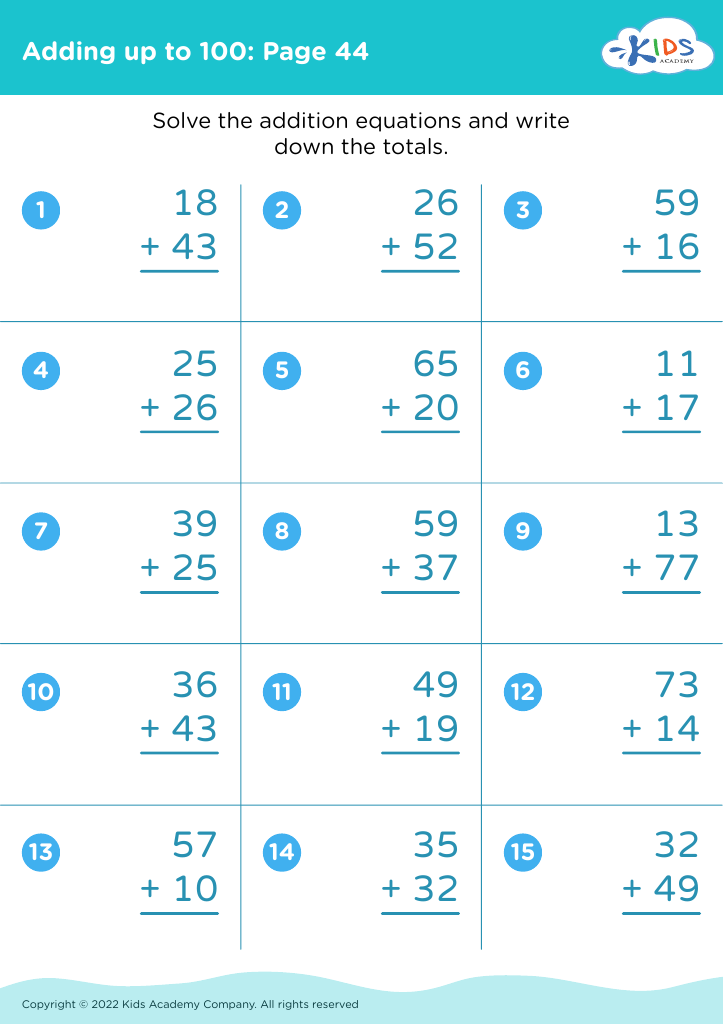
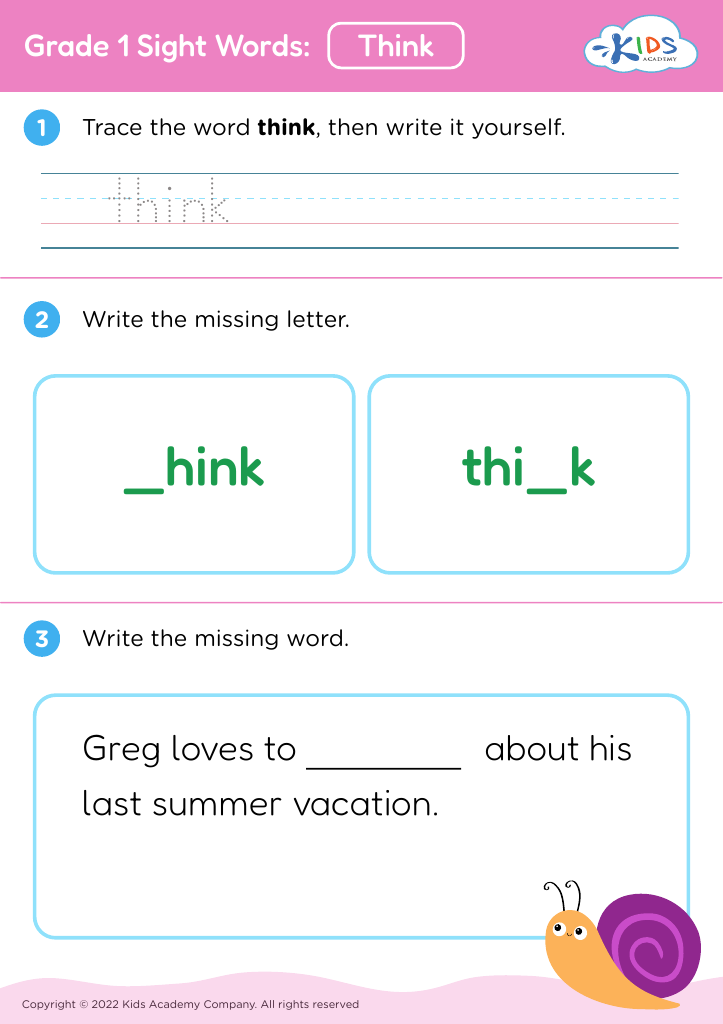
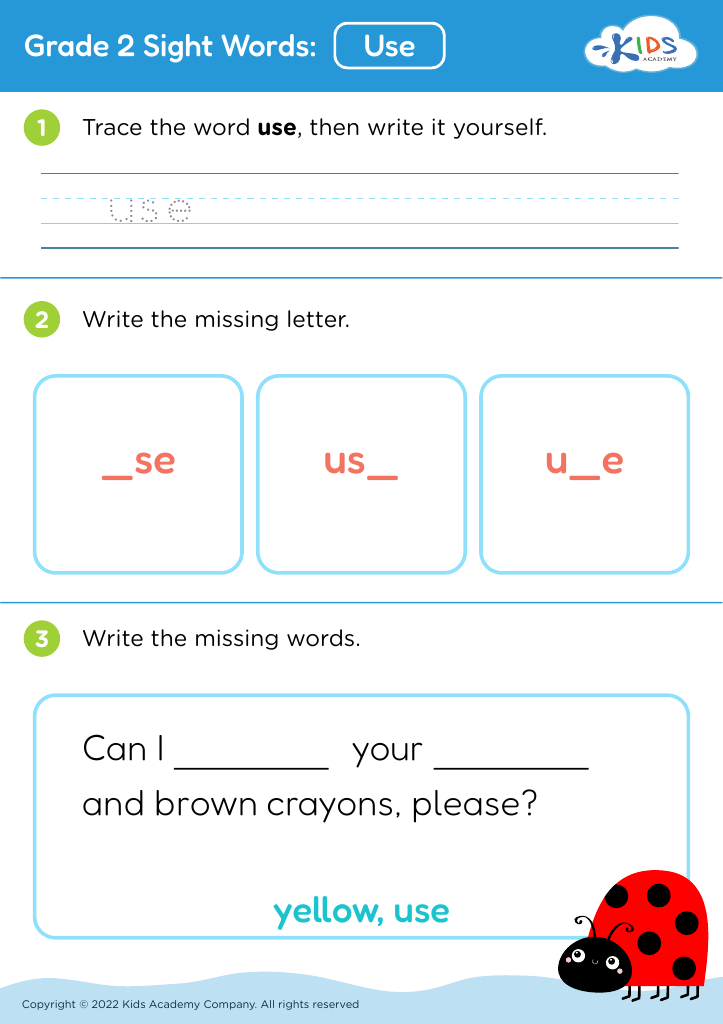
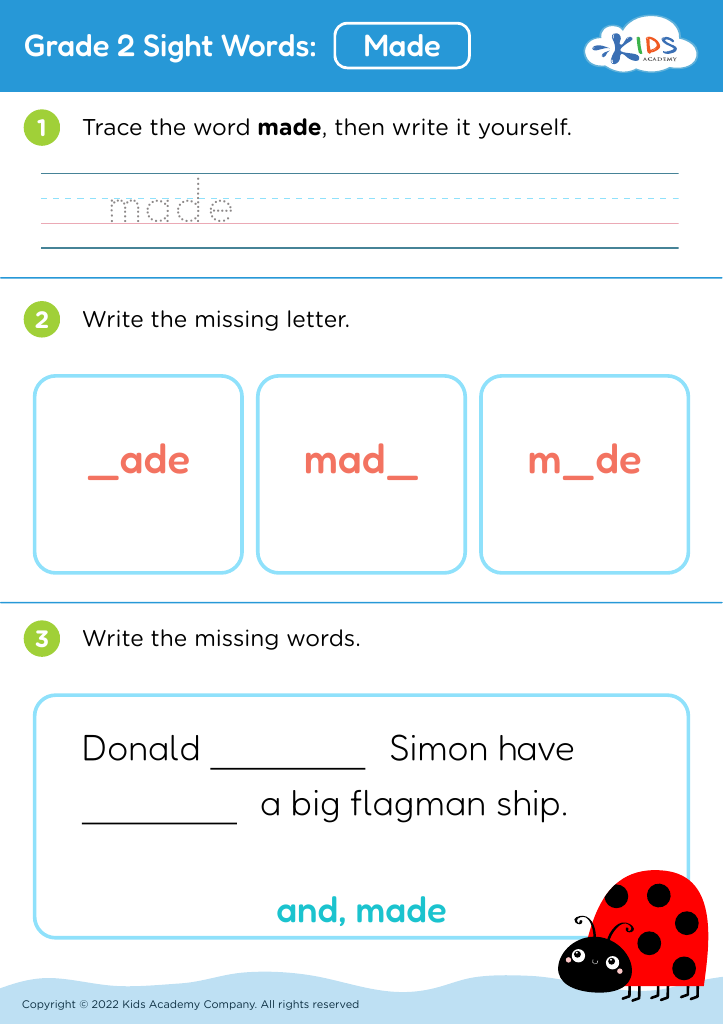








Recognizing patterns is a crucial cognitive skill that provides a foundation for early mathematical and language learning, making it essential for the developmental stage of 4- to 7-year-olds. Patterns help children understand and predict the world around them, fostering logical thinking and problem-solving abilities. When children identify patterns, they learn to predict what comes next, beneficial skills in both literacy (such as recognizing spelling patterns and rhythms in stories) and numeracy (like understanding sequences and number operations).
Moreover, engaging with patterns enhances children’s memory and attention span. Activities such as sorting objects by color, shape, or size and arranging items in specific sequences strengthen working memory and attentiveness. This ability to focus and remember sequences also translates to real-world skills like following instructions or organizing their thoughts more coherently.
For parents and teachers, encouraging pattern recognition is also simple and can be embedded into everyday activities or games, making learning enjoyable. Beyond academic benefits, recognizing and creating patterns nurtures creativity and critical thinking skills, essential for problem-solving in various aspects of life. Thus, developing pattern recognition skills in early education not only bolsters academic readiness but also equips children with essential life skills.








