Sound Association Worksheets for Ages 4-7 - Page 2
39 filtered results
-
From - To
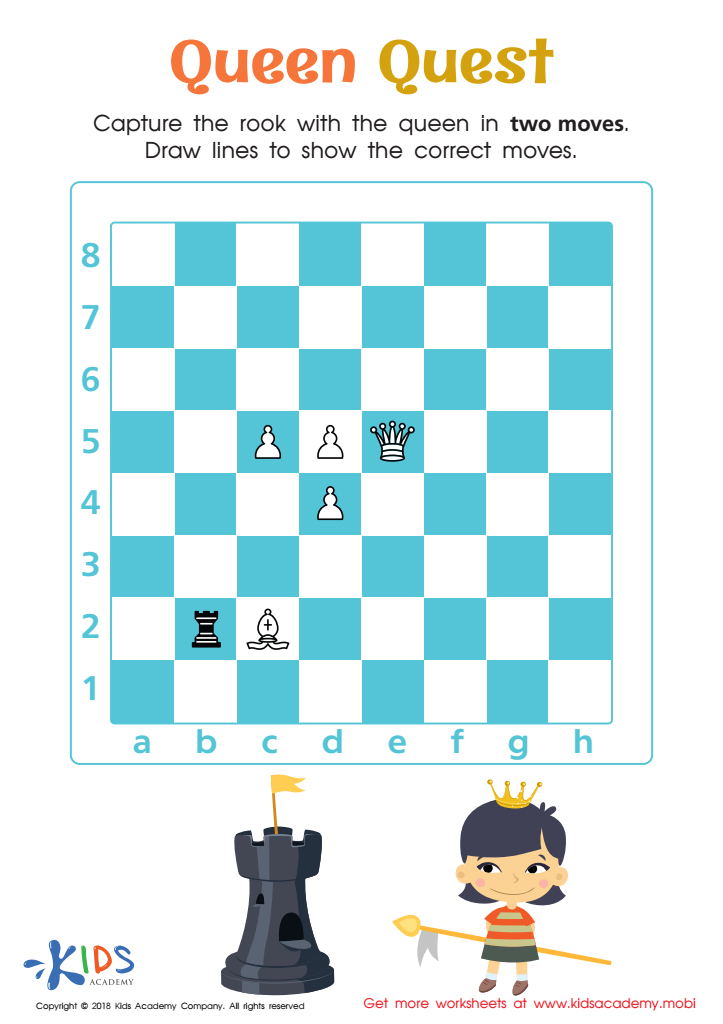
Queen Quest Worksheet
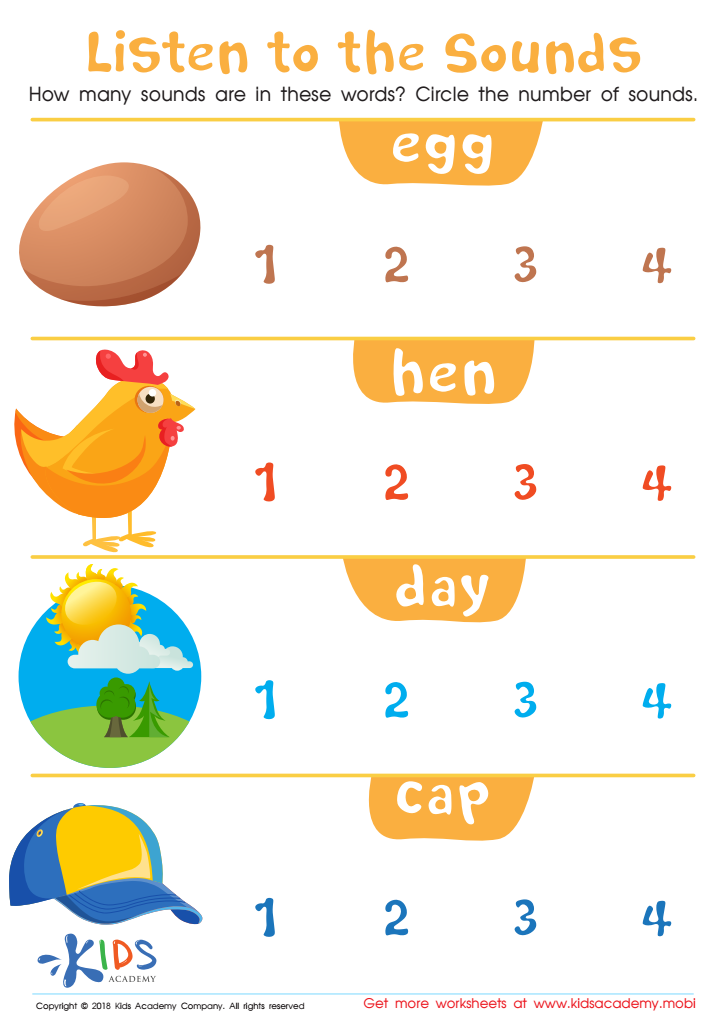
Listen to the Sounds Worksheet
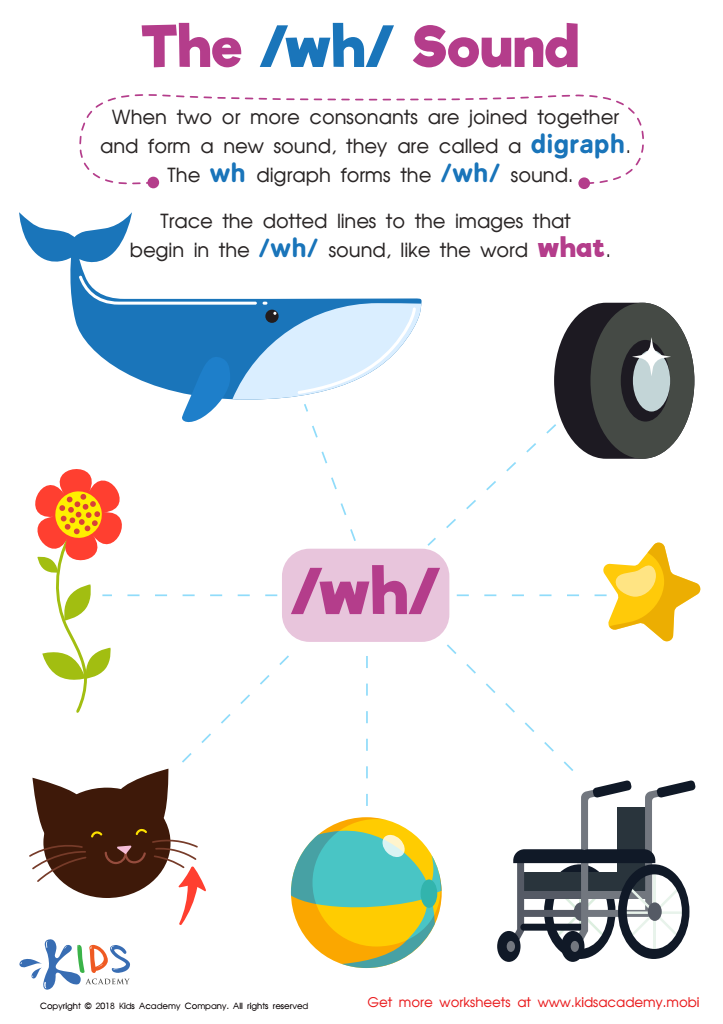
The /wh/ Sound Worksheet
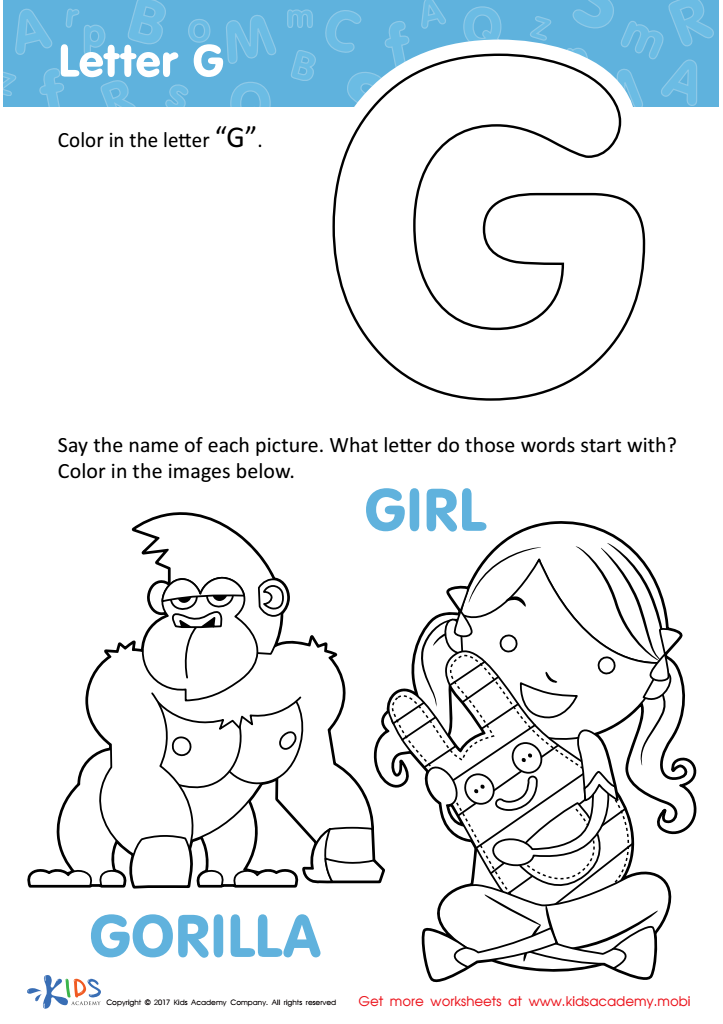
Letter G Coloring Sheet
 Assign to My Students
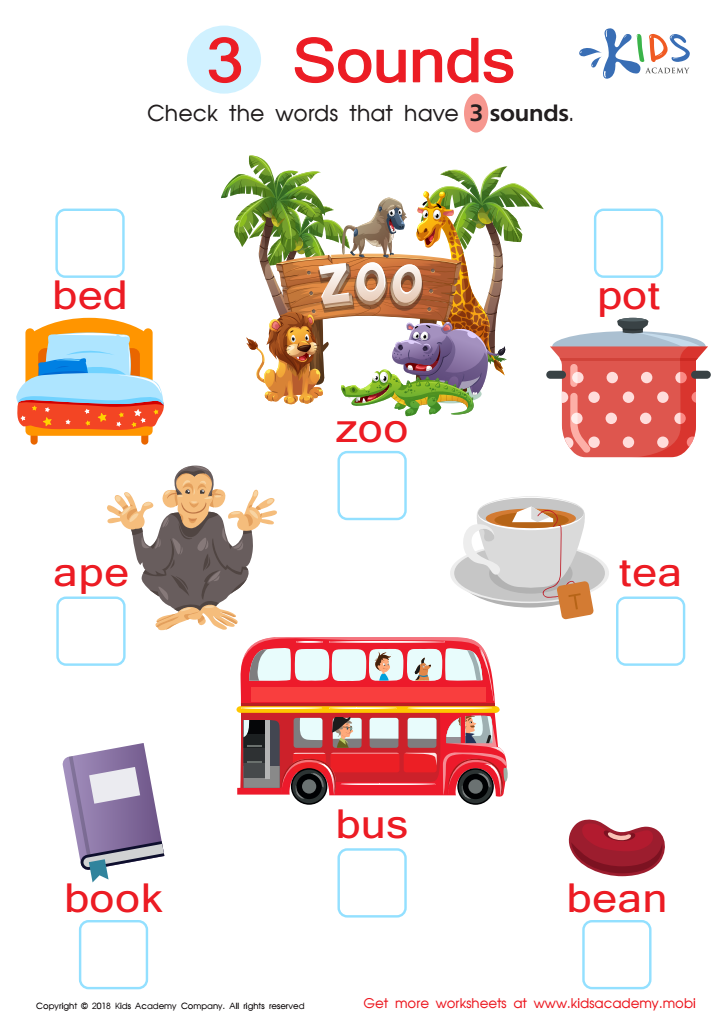
3 Sounds Worksheet
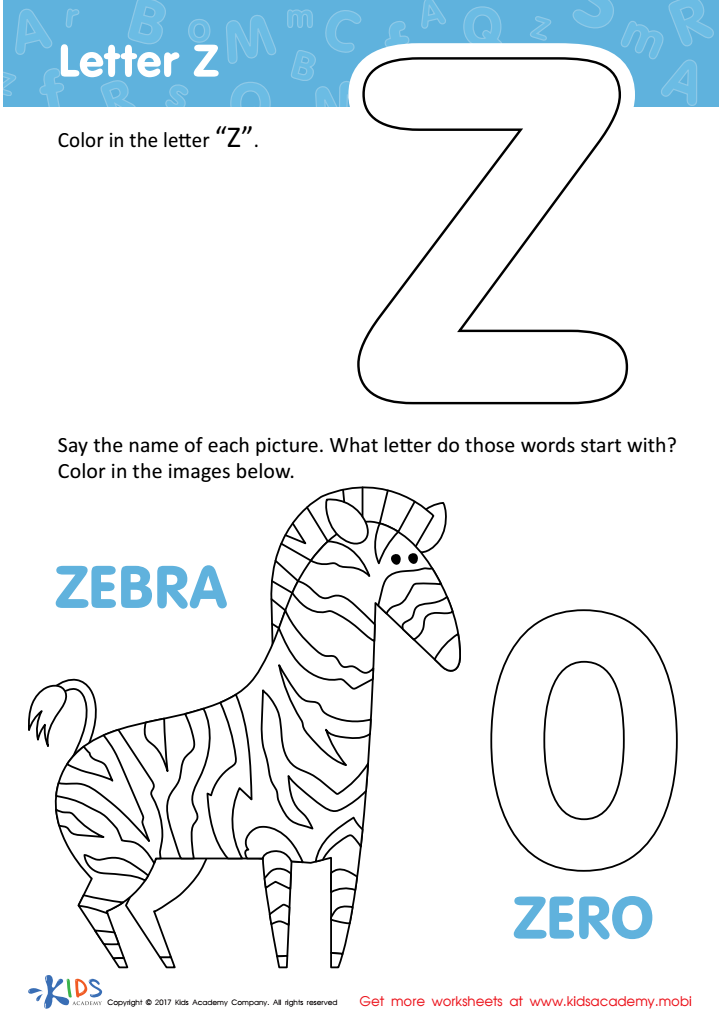
Letter Z Coloring Sheet
Assign to My Students
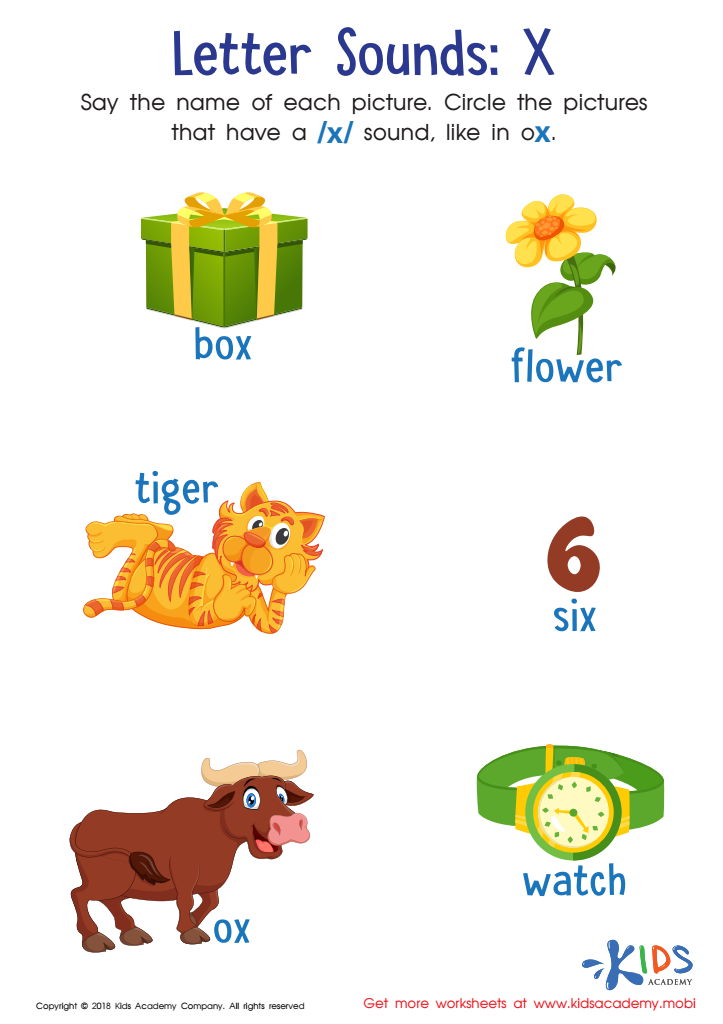
Letter X Sounds Worksheet
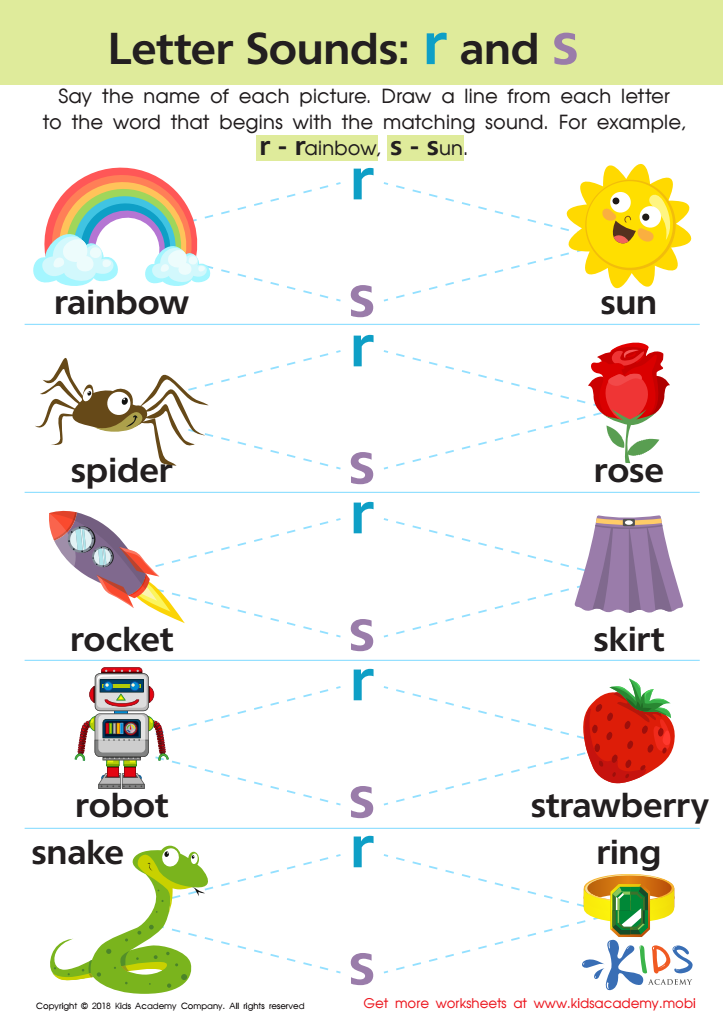
Letter R and S Sounds Worksheet
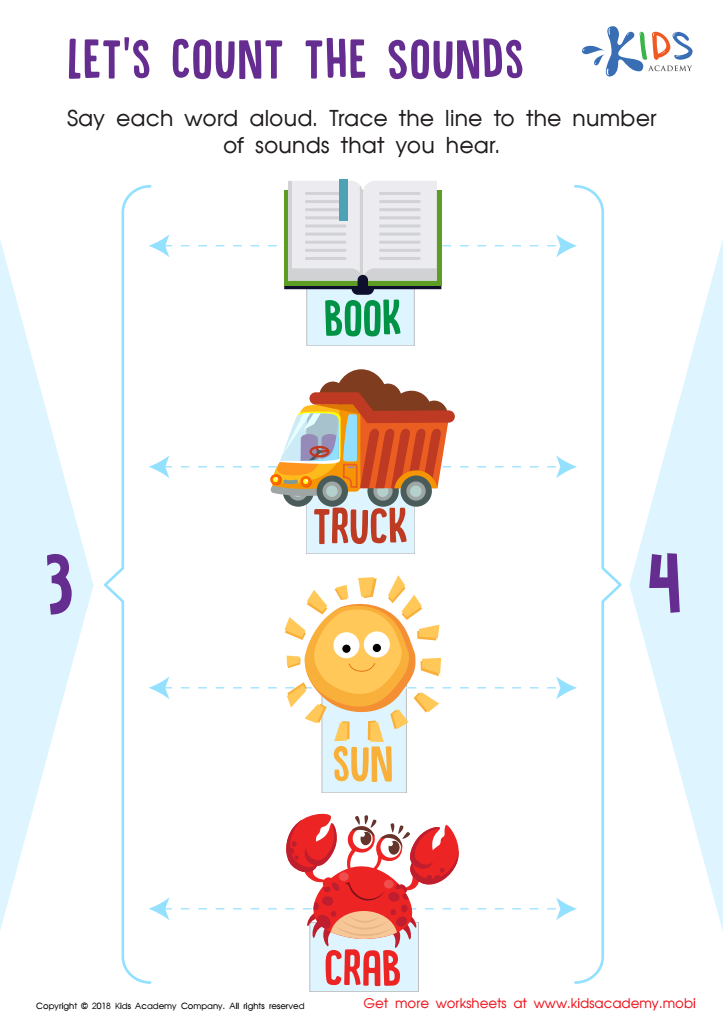
Let's Count the Sounds Worksheet
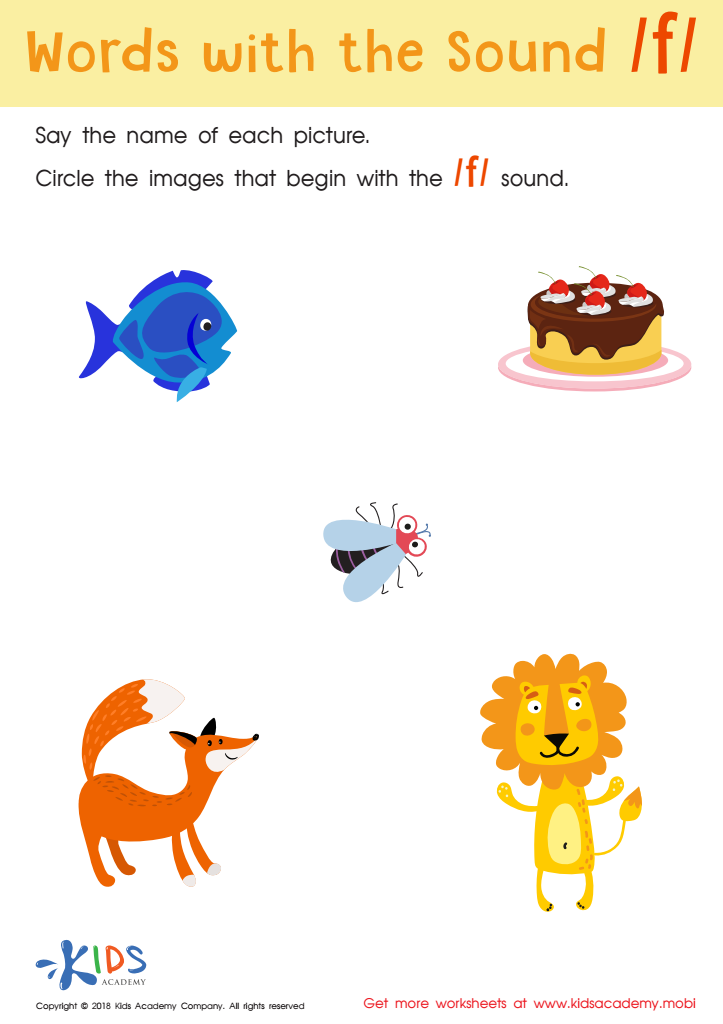
Words with sound f Reading Worksheet
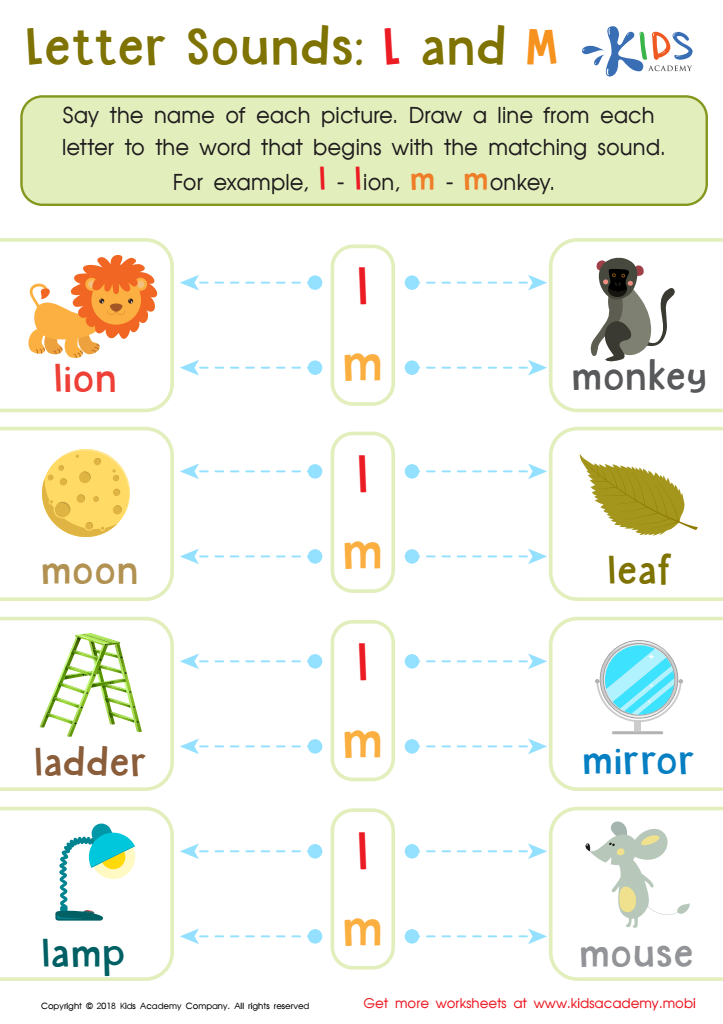
Letter l and M Sounds Worksheet
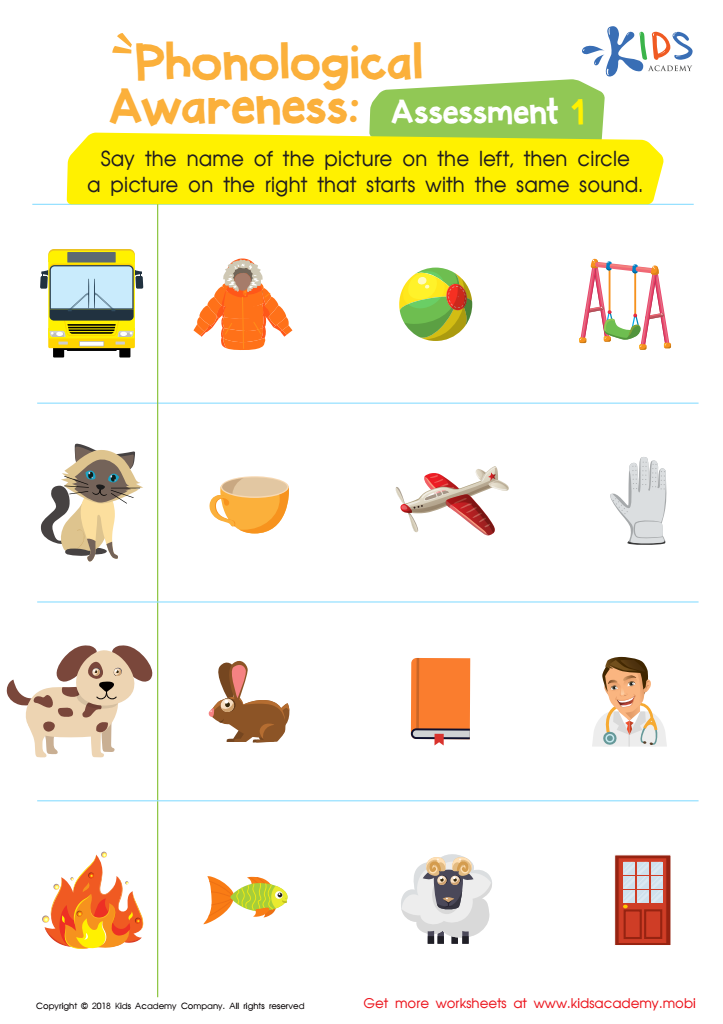
Phonological Awareness: Assessment 1 Worksheet
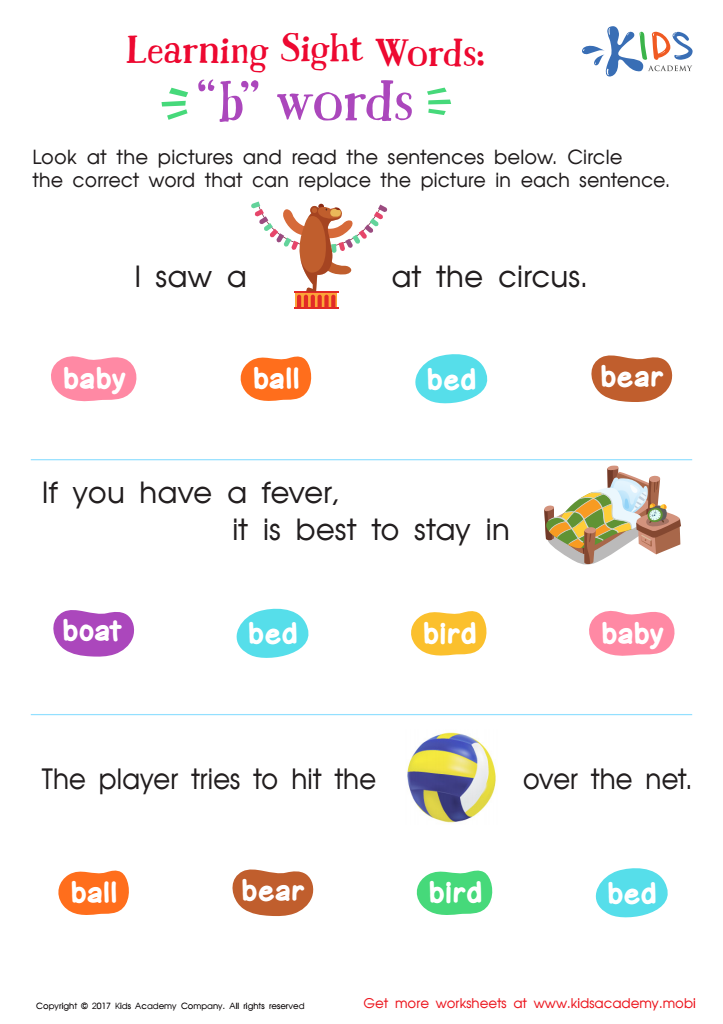
"B" Words Printable Sight Words Worksheet
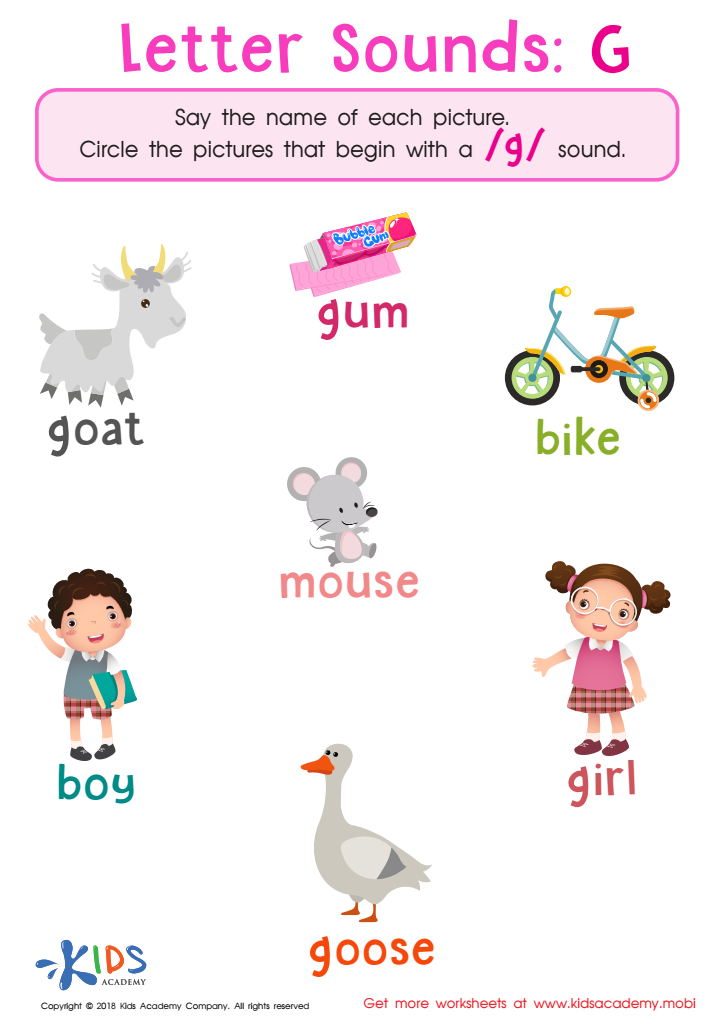
Letter G Sounds Worksheet
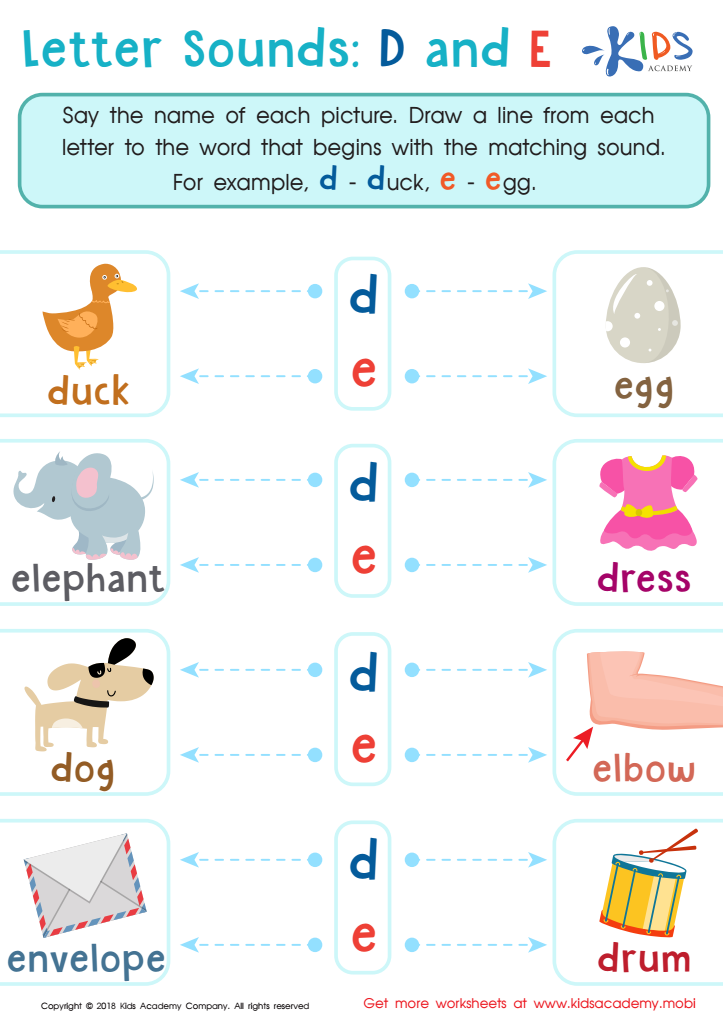
Letter D and E Sounds Worksheet





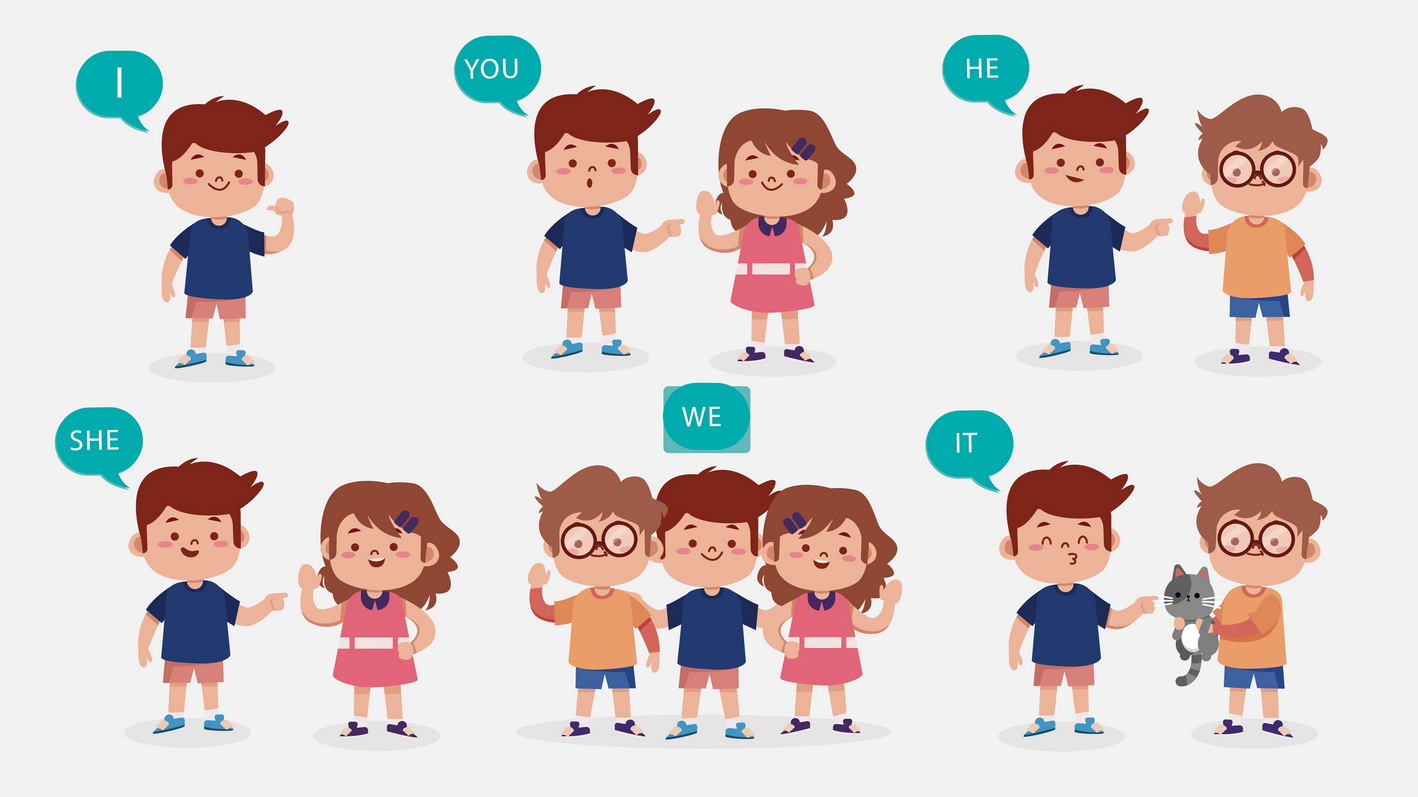

Sound association is a critical component of early literacy development for children aged 4-7. Parents and teachers should care deeply about this skill because it forms the foundation for reading and writing. Sound association involves connecting sounds with their corresponding letters, which is essential for phonemic awareness—the ability to hear, recognize, and manipulate sounds in spoken words.
By fostering sound association, parents and teachers empower children to decode words independently, improving their reading fluency and comprehension. This skill enhances vocabulary development and makes learning to read a more enjoyable process, instilling confidence in young learners. A strong grasp of sound association not only aids in reading but also supports spelling as children begin to connect sounds to letters when they write.
Moreover, sound association promotes critical thinking and cognitive development. Engaging children in activities like rhyming games, sound matching exercises, and interactive reading creates a fun learning environment. As children master this skill, they build a lifelong love for reading and learning. Ultimately, prioritizing sound association helps to bridge the gap to more complex literacy skills, setting the stage for academic success and fostering a generation of enthusiastic readers and thinkers.








