Spatial reasoning Worksheets for Ages 4-7
11 filtered results
-
From - To
Discover our engaging collection of Spatial Reasoning Worksheets crafted for children ages 4-7. These printables offer fun and interactive ways to develop critical thinking and problem-solving skills through activities like puzzles, shape matching, and pattern recognition. Perfect for enhancing young minds, the worksheets foster essential cognitive abilities important for both math and everyday tasks. Ideal for use in the classroom or at home, our spatial reasoning exercises provide a solid foundation for academic success. Explore and download a variety of colorful, age-appropriate worksheets today to inspire your child's mathematical and spatial development!
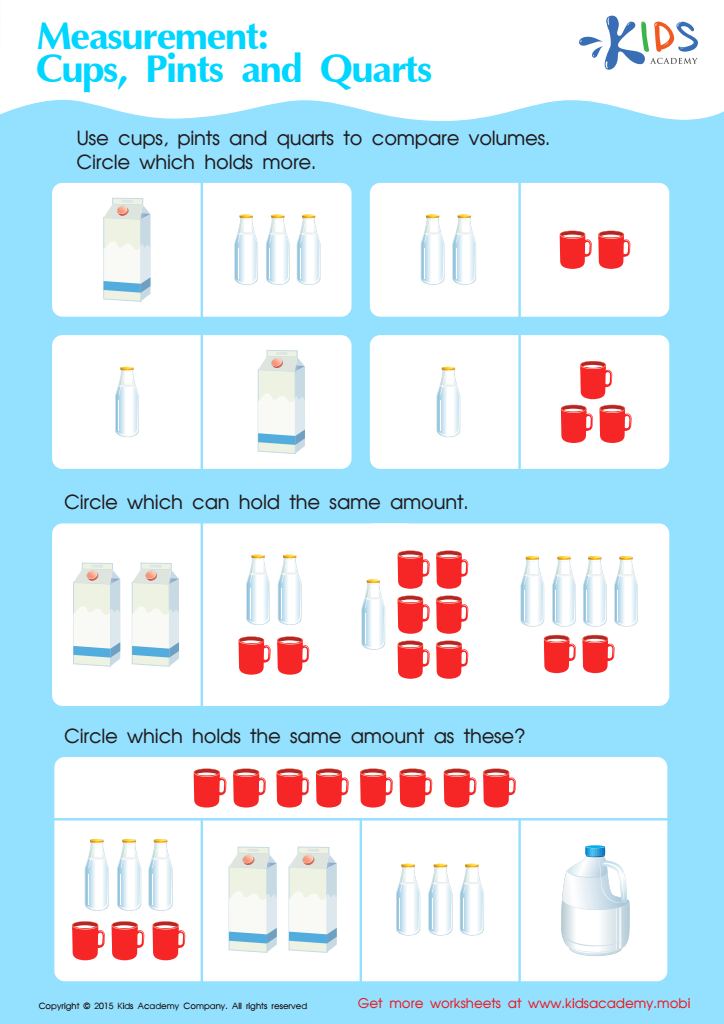
Measurement: Compare Volumes Worksheet
 Assign to My Students
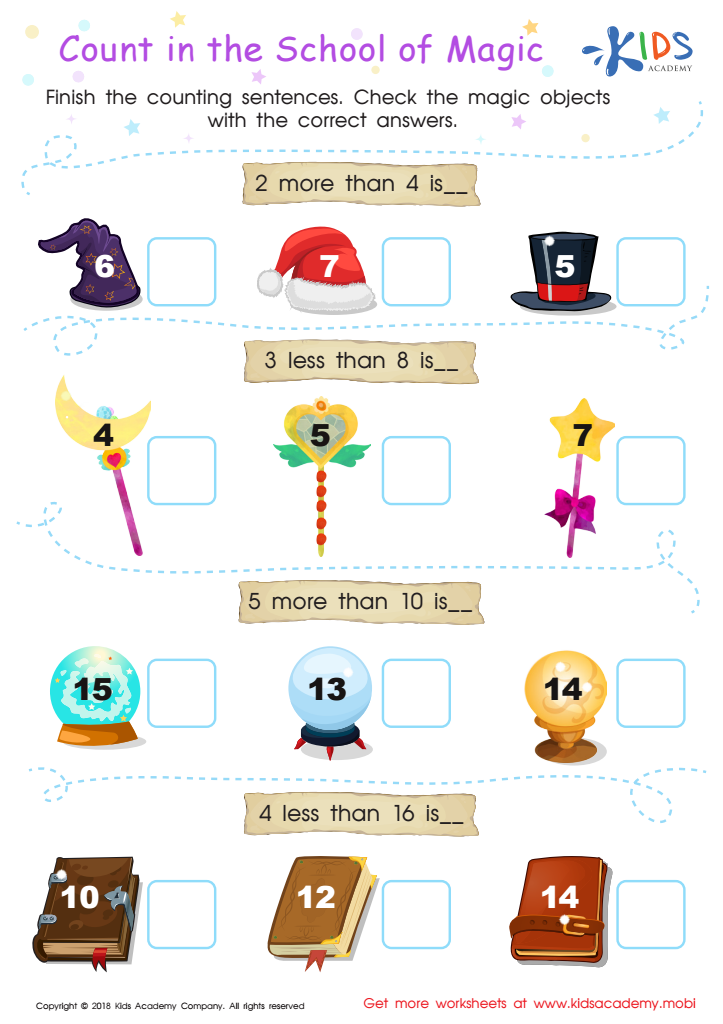
Count in the School of Magic Worksheet
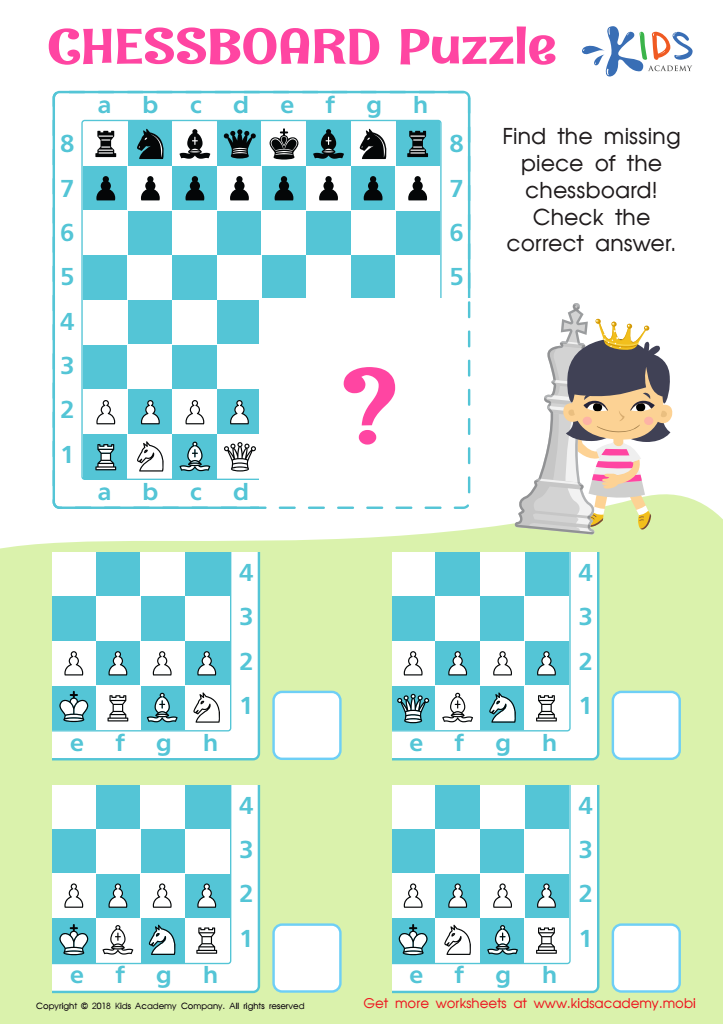
Chessboard Puzzle Worksheet
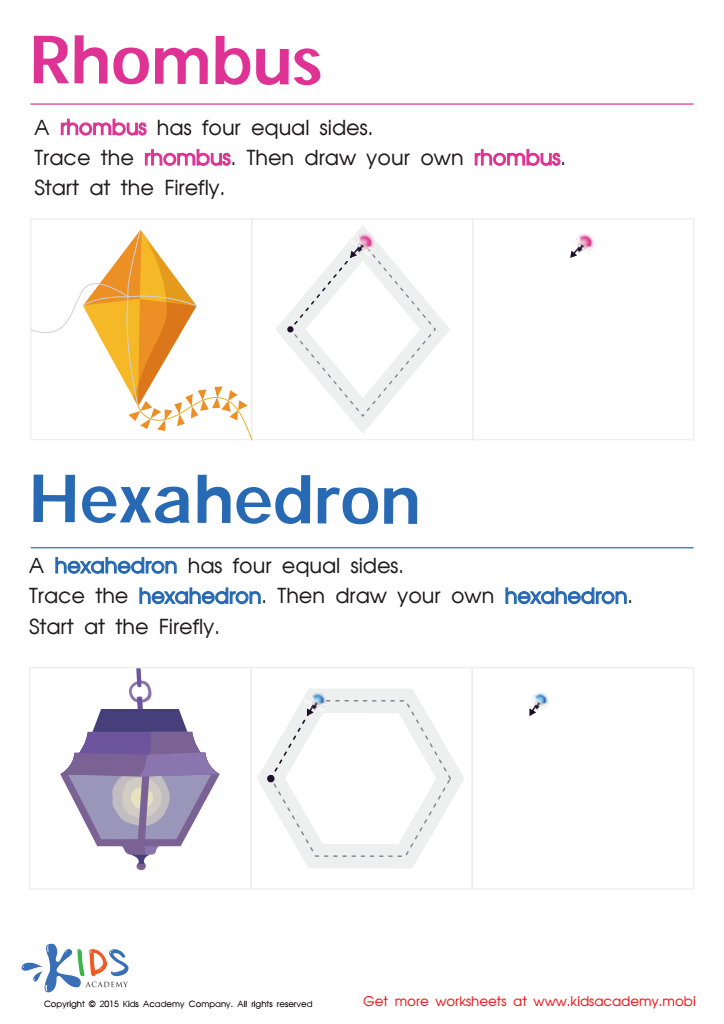
Draw a Rhombus And a Hexahedron Printable
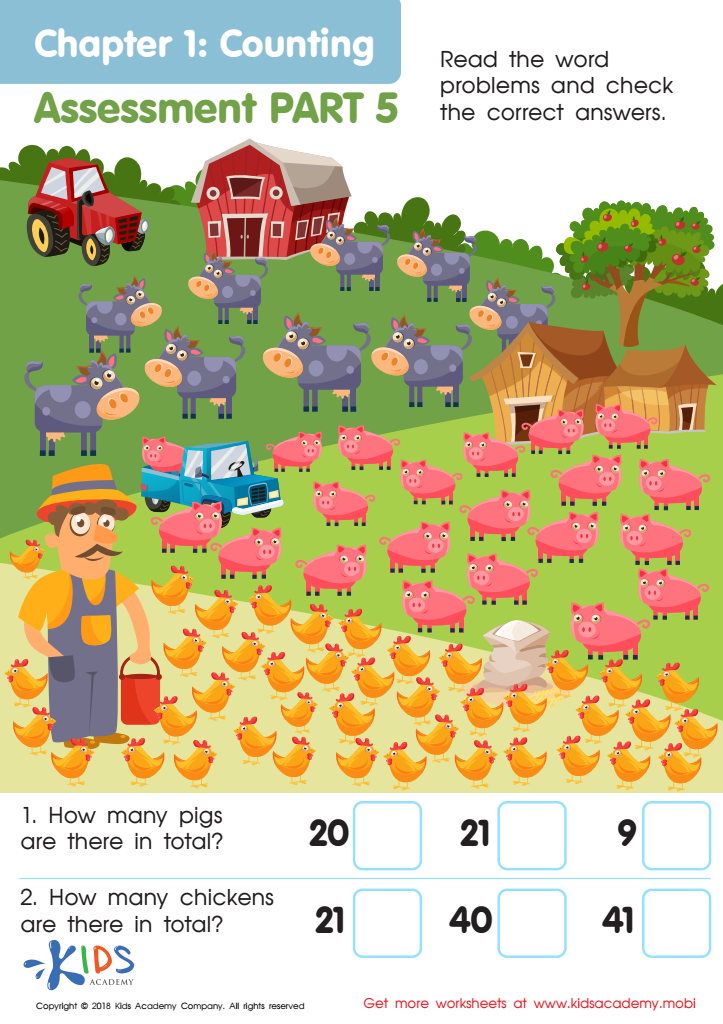
Counting: Assessment 5 Worksheet
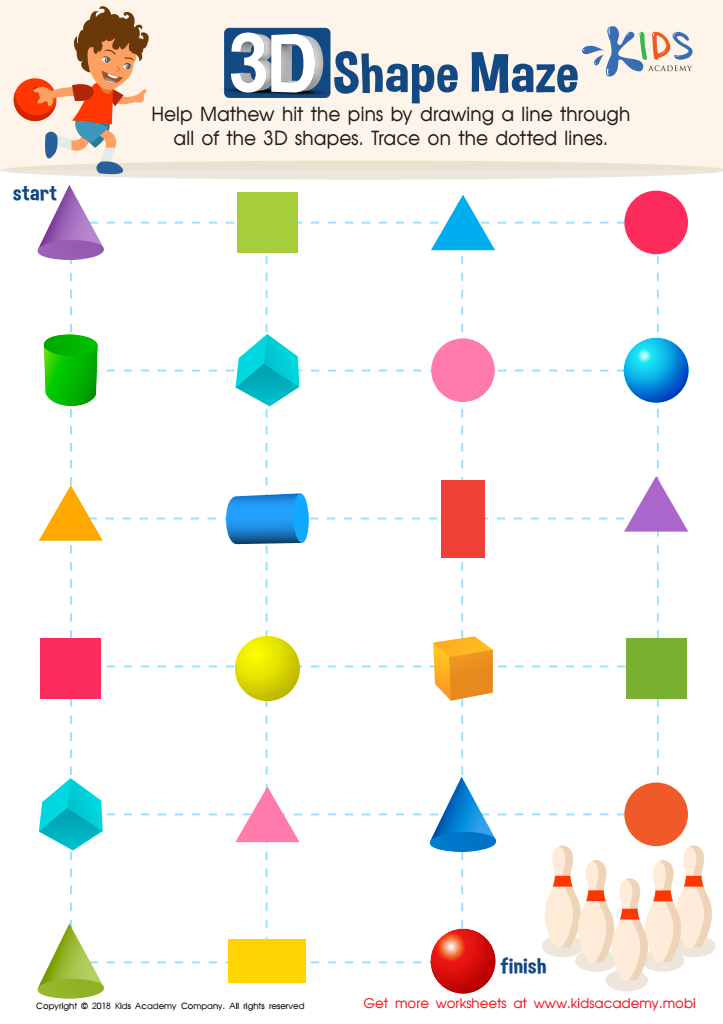
Shapes Maze Geometry Worksheet
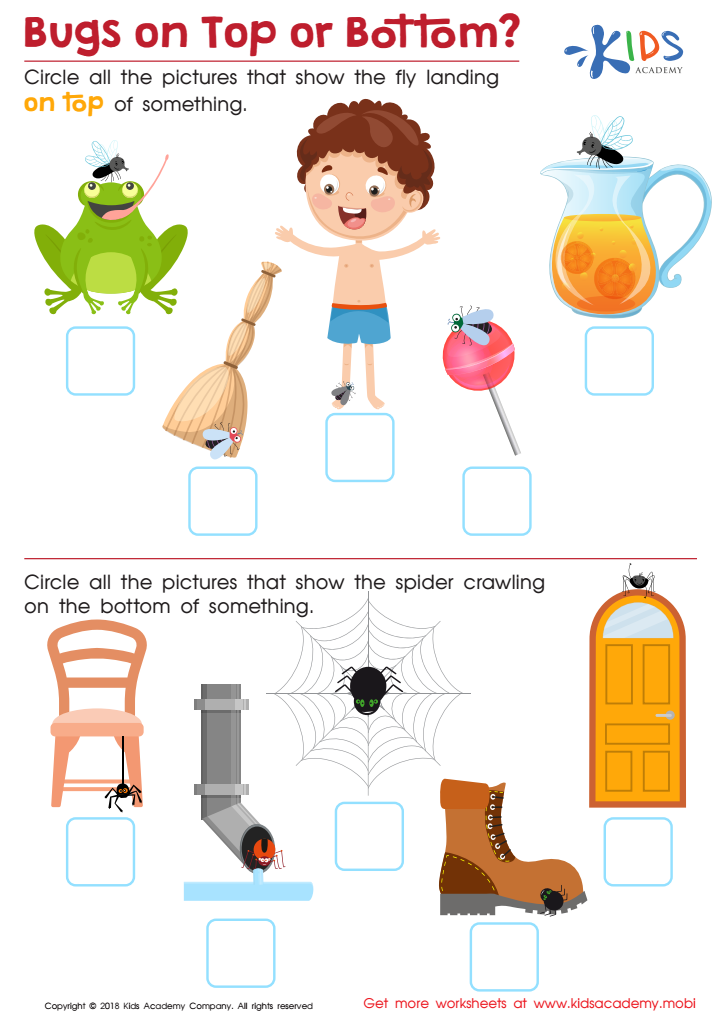
Bugs on Top or Bottom? Worksheet
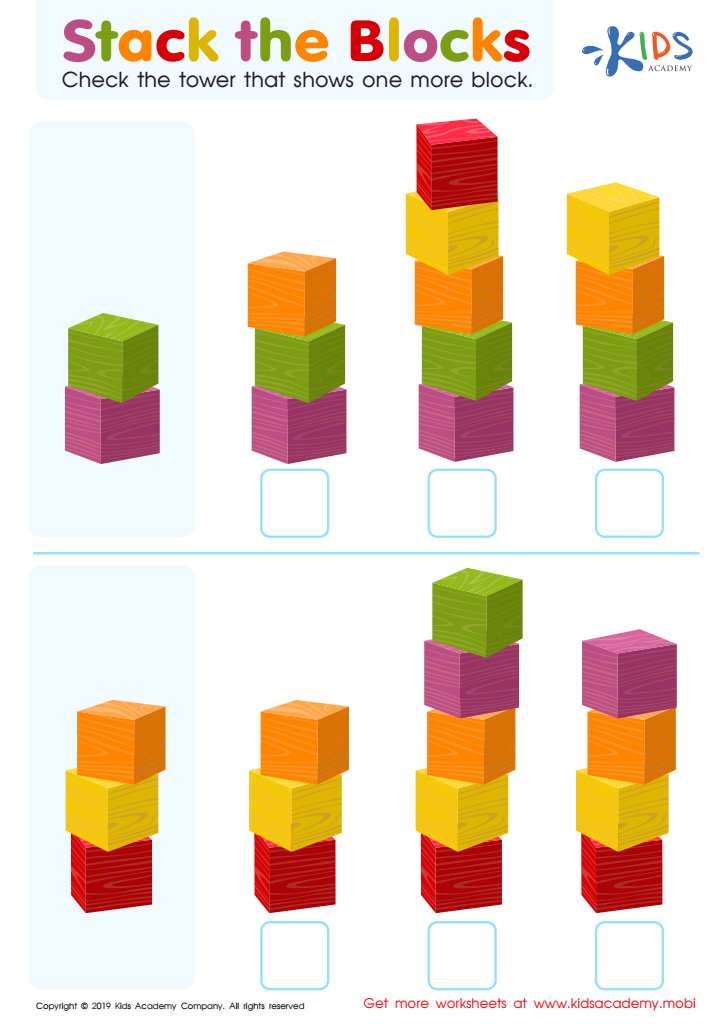
Stack the Blocks Worksheet
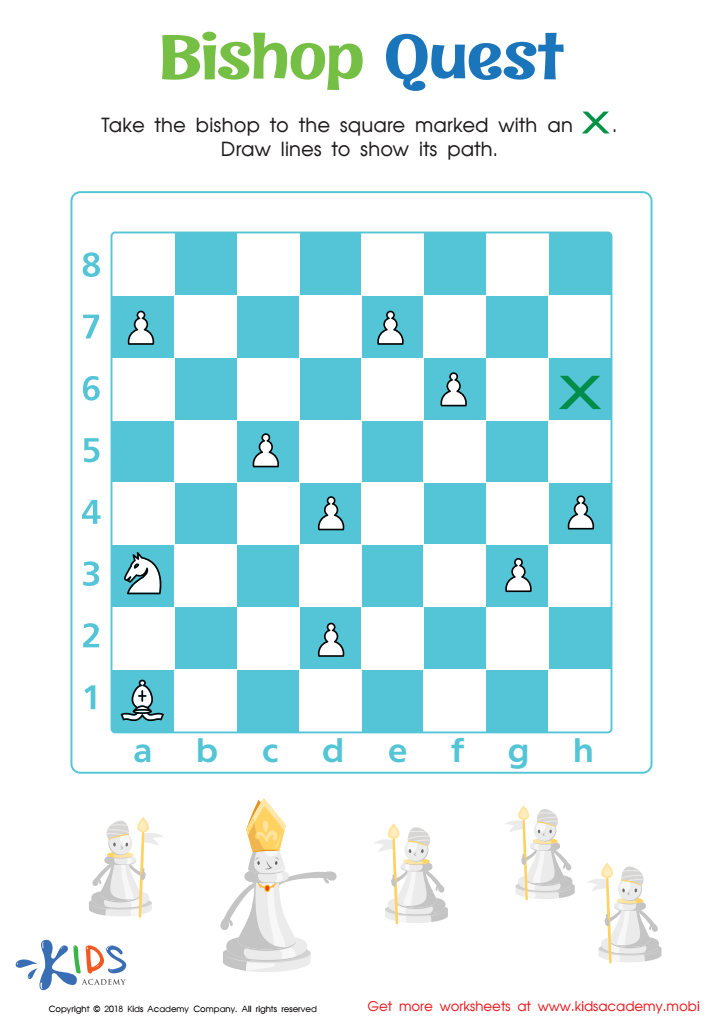
Bishop Quest Worksheet
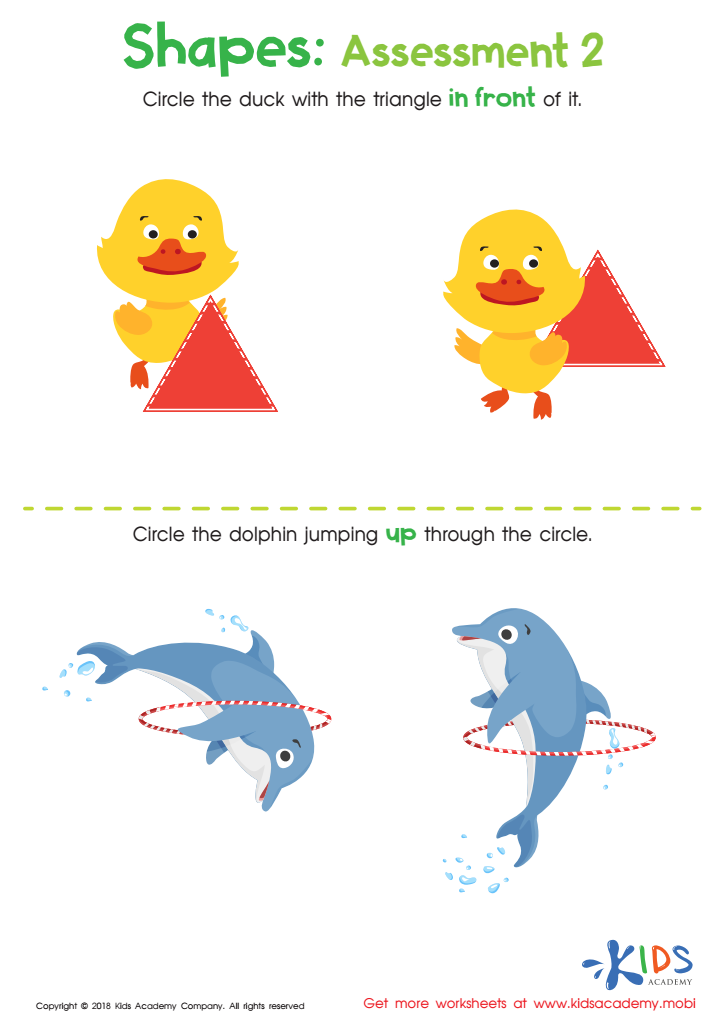
Geometry – Assessment 2 Worksheet


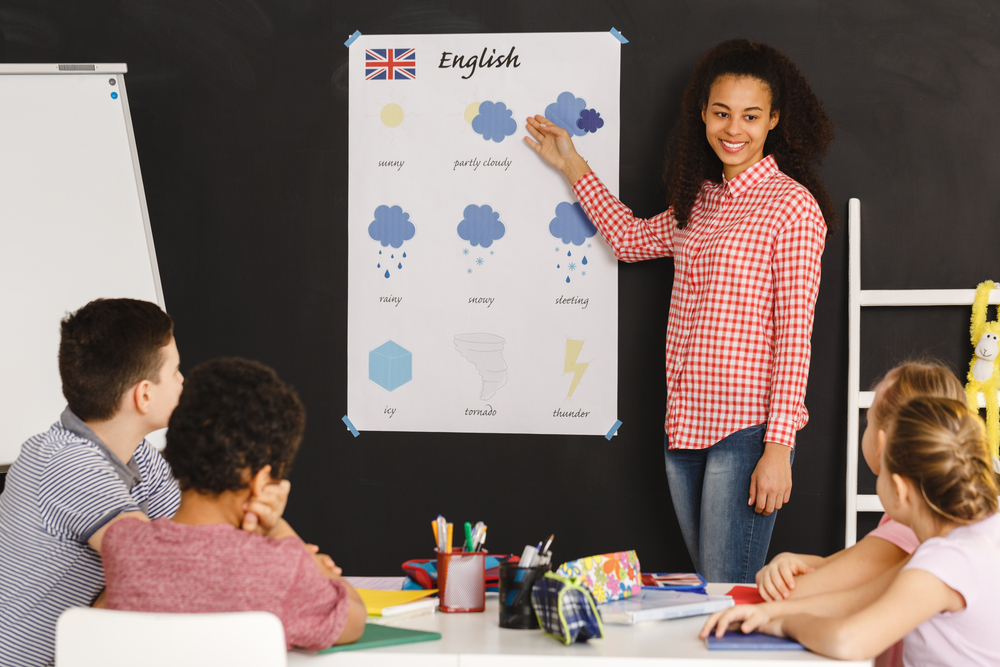


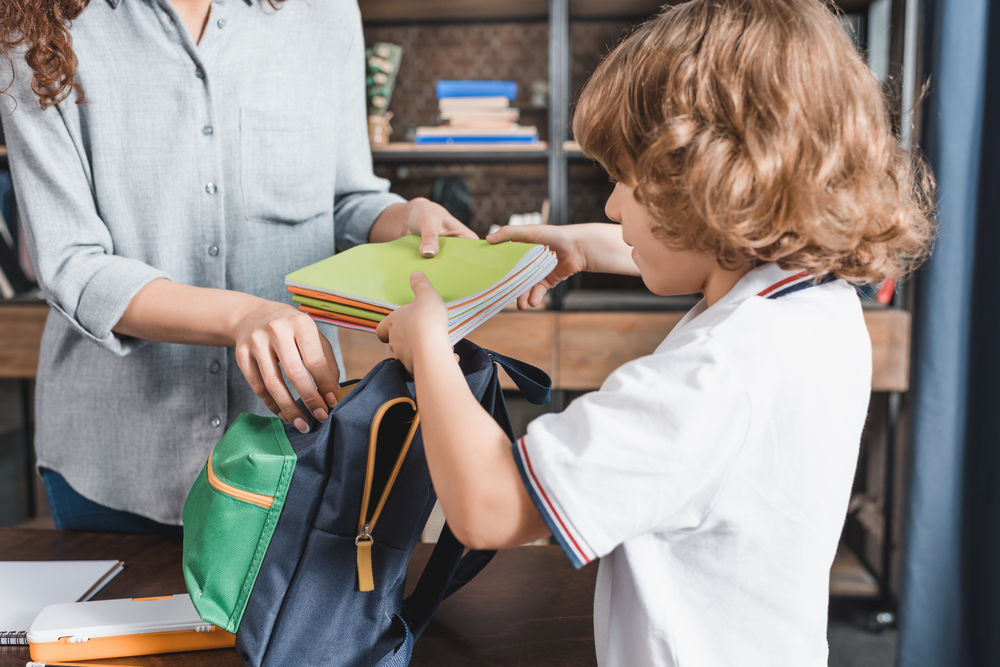


Spatial reasoning is the ability to understand and remember the spatial relations among objects and can significantly impact early childhood development. For children aged 4-7, this skill is a crucial foundation for learning many vital concepts later on, particularly in subjects like mathematics, science, and reading.
Parents and teachers should recognize that strong spatial reasoning skills help kids visualize and manipulate objects in their mind, which is essential for solving puzzles, understanding maps, and even building with blocks. This ability also lays the groundwork for grasping more complex concepts like geometry and physics. Research shows that children who develop robust spatial skills early on are more likely to excel in STEM (Science, Technology, Engineering, and Mathematics) fields in later years.
Moreover, spatial reasoning supports everyday problem-solving and critical thinking. It helps kids understand their physical space, follow directions, and organize their thoughts coherently. Activities that promote spatial reasoning can also enhance creativity and confidence, as children find innovative solutions and explore different ways to approach tasks.
Teachers and parents can foster these skills through playful yet educational activities such as puzzles, drawing, building with blocks, and engaging with interactive storybooks that require children to focus on spatial relationships. Emphasizing spatial reasoning from an early age equips children with the tools they need for academic and life success.








