Time calculation Worksheets for Ages 4-7
3 filtered results
-
From - To
Enhance your child's understanding of time with our engaging Time Calculation Worksheets, specifically designed for ages 4-7. These interactive worksheets help young learners grasp essential concepts such as telling time, understanding durations, and recognizing daily routines. With visually appealing activities that incorporate colorful illustrations, children will develop confidence in their time-telling skills while having fun. Our resources cater to various learning styles, making it easy for parents and educators to support early math development. Explore our collection now and discover effective ways to teach your child about numbers and schedules in everyday life! Perfect for home or classroom use!
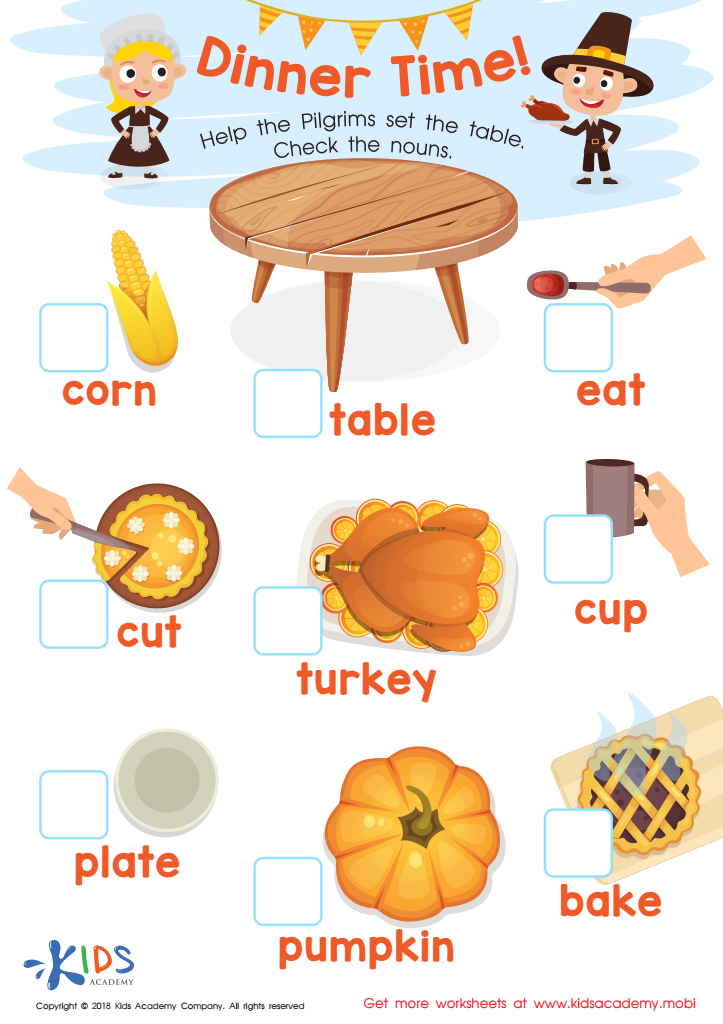
Dinner Time! Worksheet
 Assign to My Students
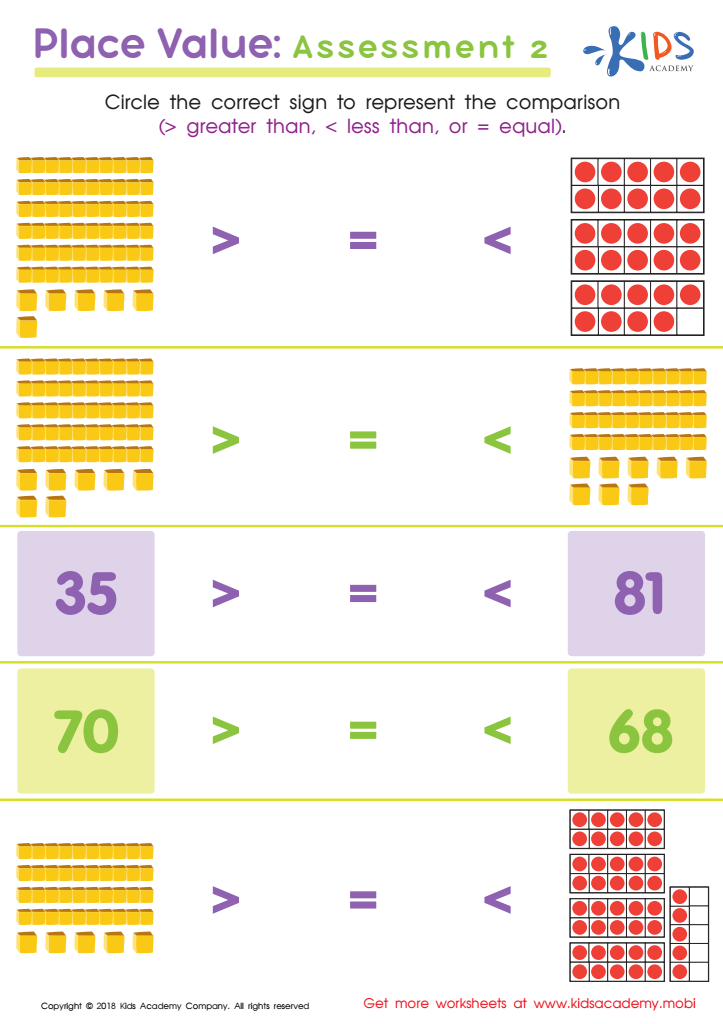
Place Value: Assessment 2 Worksheet
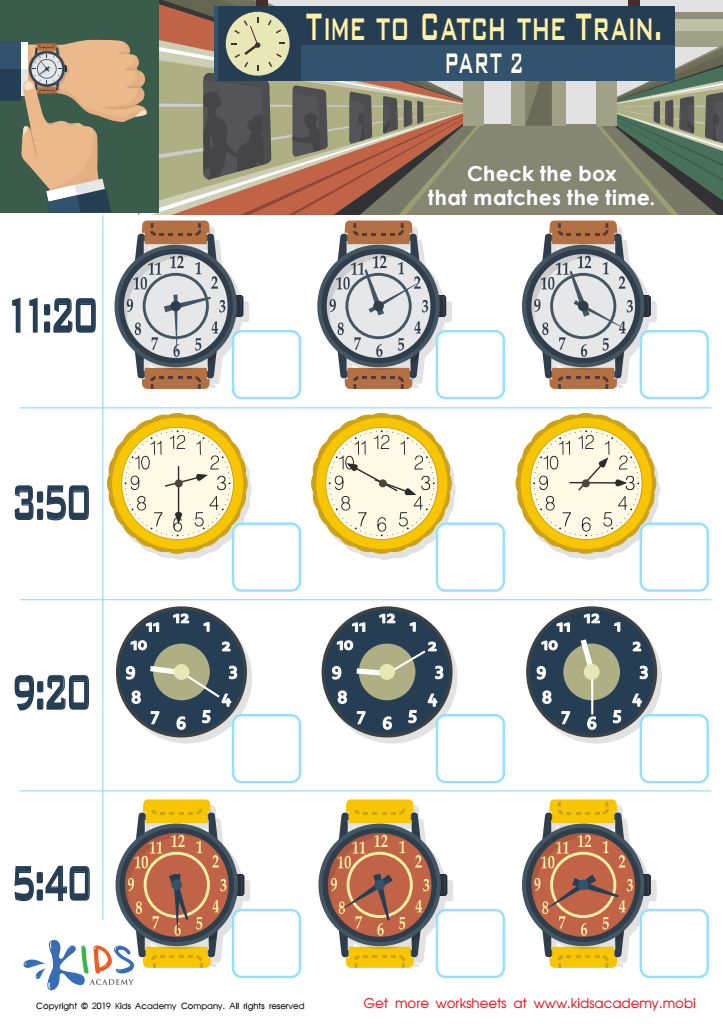
Time to Catch the Train Part 2 Worksheet



.jpg)


Introducing time calculation to children aged 4-7 is crucial for their overall development. At this stage, children are not only learning basic numeracy and literacy, but they are also beginning to understand their world and how to structure it. Grasping concepts like time helps cultivate essential life skills: children learn to establish routines, manage schedules, and develop patience—all vital for their personal growth and daily responsibilities.
Moreover, time calculation enhances cognitive skills such as reasoning, problem-solving, and critical thinking. Children who understand the progression of time, from seconds to hours, can better organize their activities and anticipate events, fostering a sense of independence. This understanding also links to other mathematical concepts like sequencing and counting, setting a strong foundational mathematics framework.
Additionally, teaching time nurtures social skills, as it encourages children to coordinate with peers, collaborate during group activities, and partake in planned events. Ultimately, prioritizing time calculation education creates a well-rounded child capable of navigating their environment effectively while building confidence and responsibility. Investing time in these early lessons not only benefits academics but also enriches their relationships and daily interactions, aiding their transition into more complex life stages.








