Understanding ecosystems Worksheets for Ages 4-7
9 filtered results
-
From - To
Explore our "Understanding Ecosystems" worksheets designed for children aged 4-7! Engage young minds with activities that introduce the essentials of ecosystems, including different environments, plants, animals, and their interactions. These fun, illustrative worksheets encourage kids to observe, explore, and discover the world around them while developing critical thinking and science skills. Perfect for classroom or home use, our resources support early learning through hands-on activities, coloring pages, and quizzes. Spark curiosity and nurture a love for nature today with our expertly crafted learning tools from Kids Academy. Download now and start exploring!
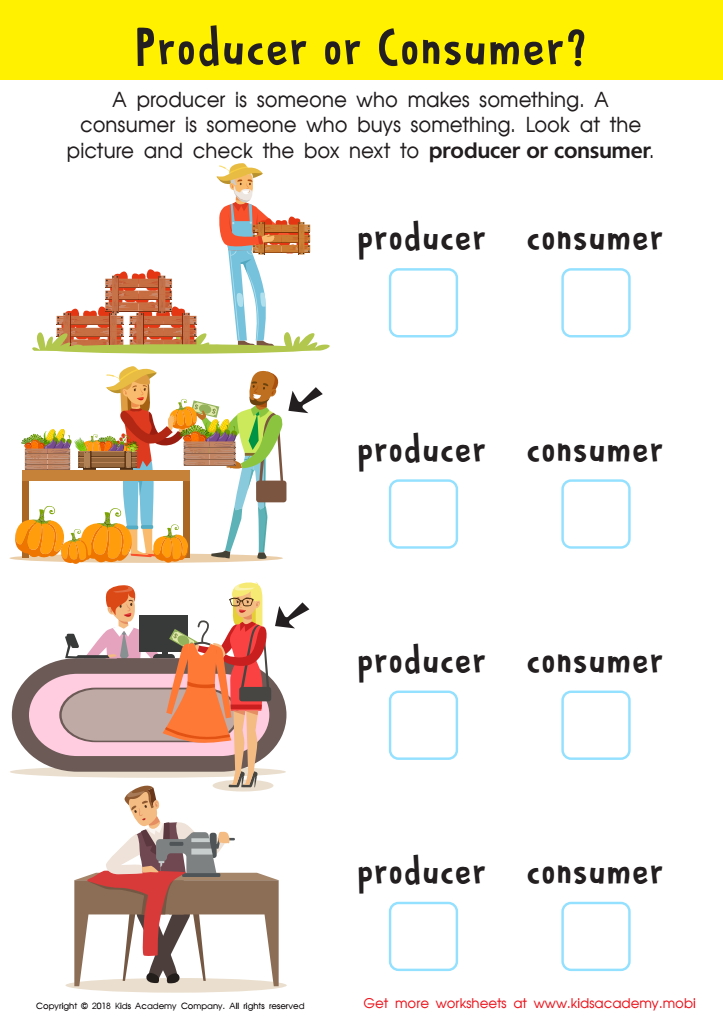
Producer or Consumer? Worksheet
 Assign to My Students
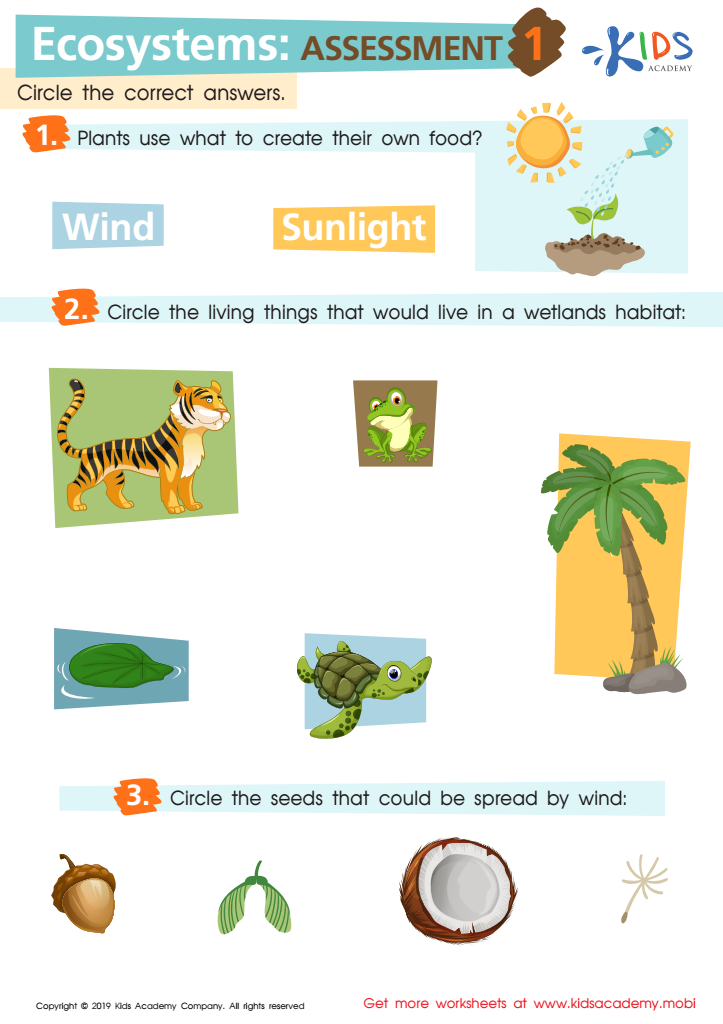
Ecosystems: Assessment 1 Worksheet
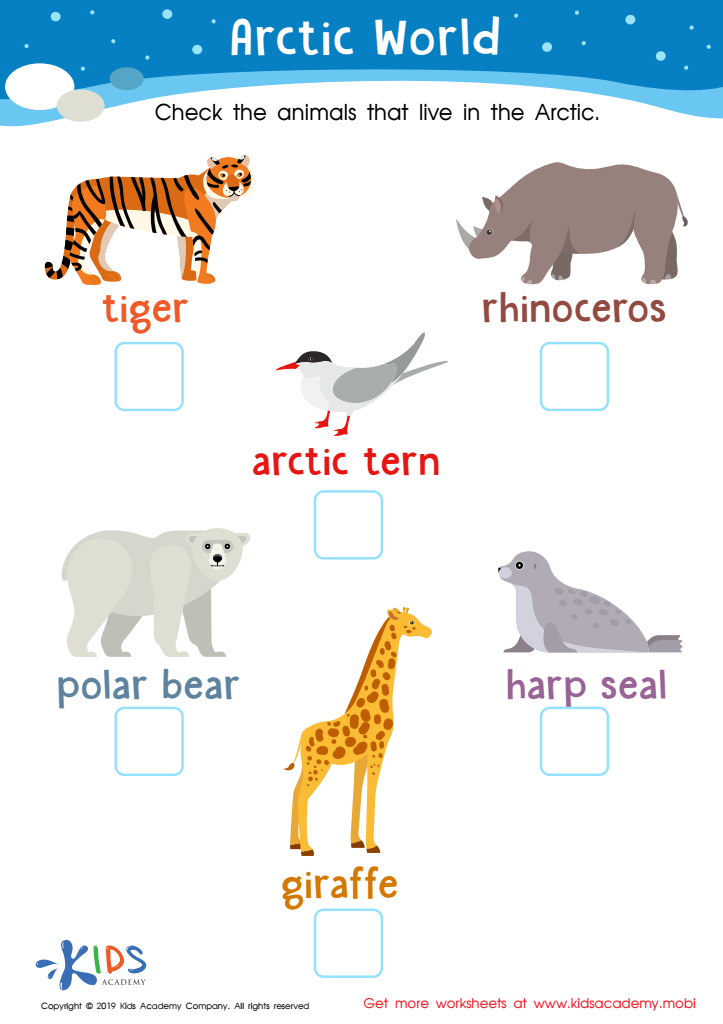
Arctic World Worksheet
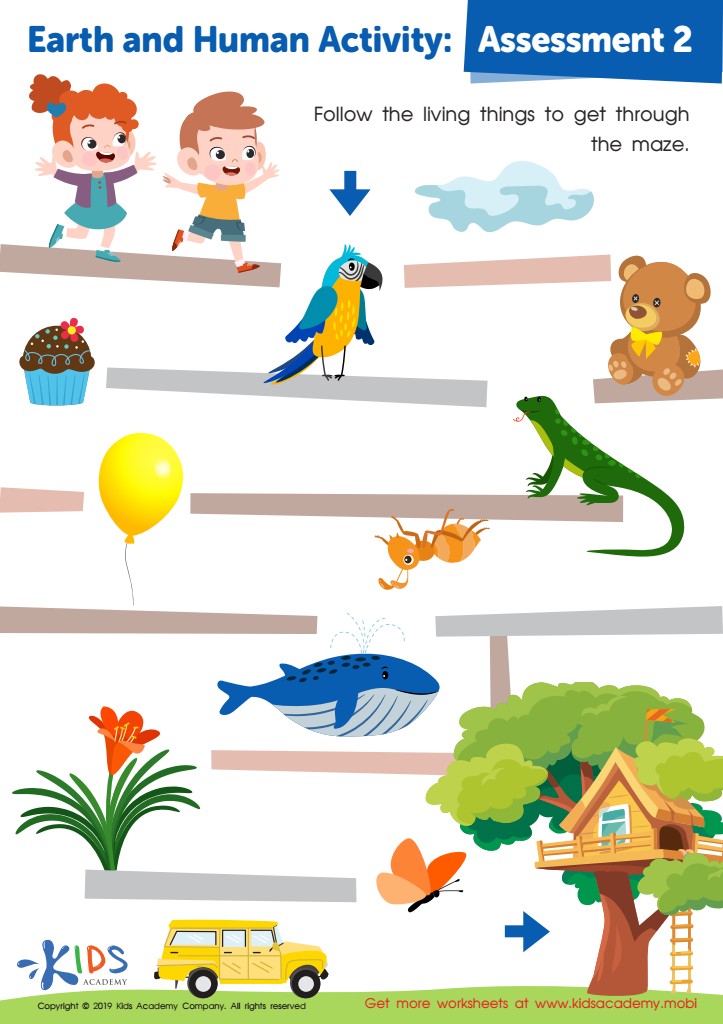
Earth and Human Activity: Assessment 2 Worksheet
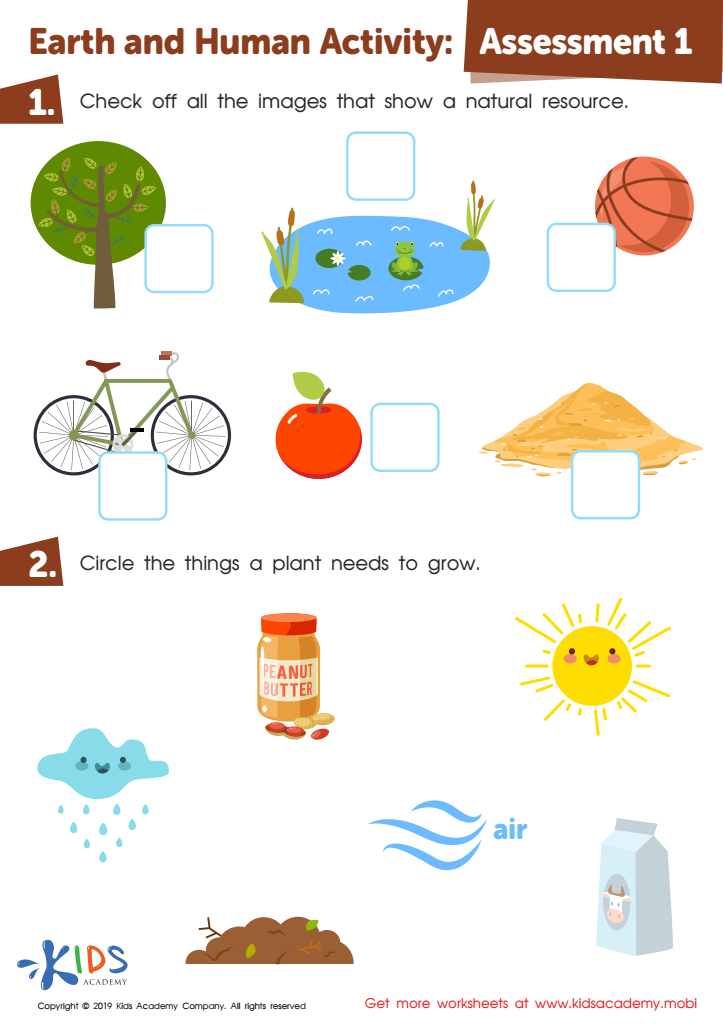
Earth and Human Activity: Assessment 1 Worksheet
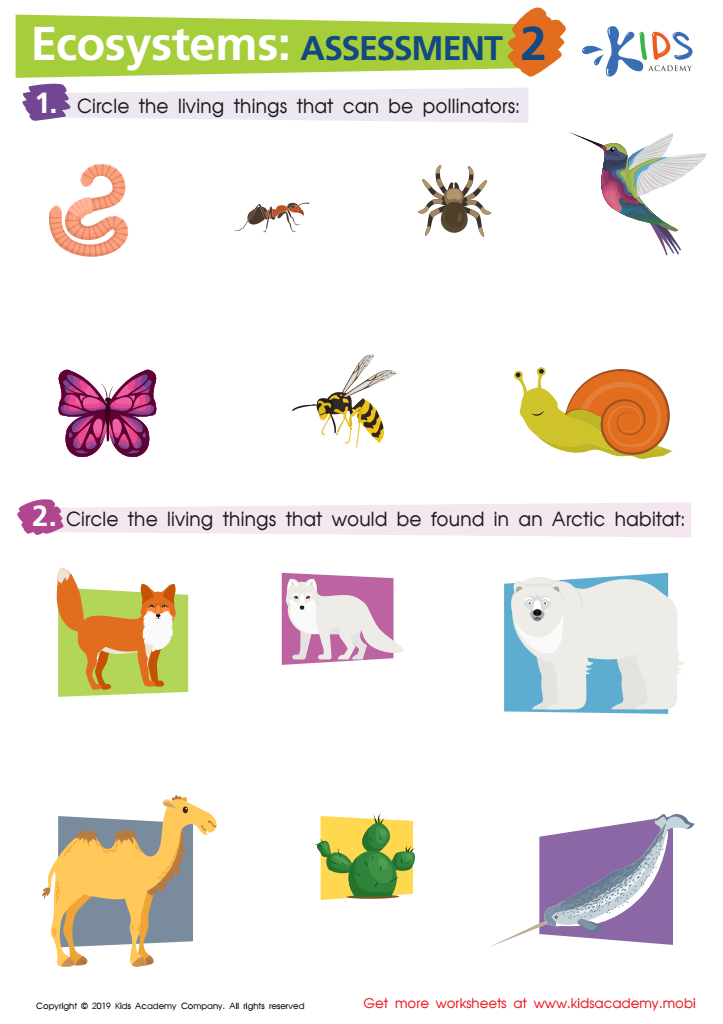
Ecosystems: Assessment 2 Worksheet
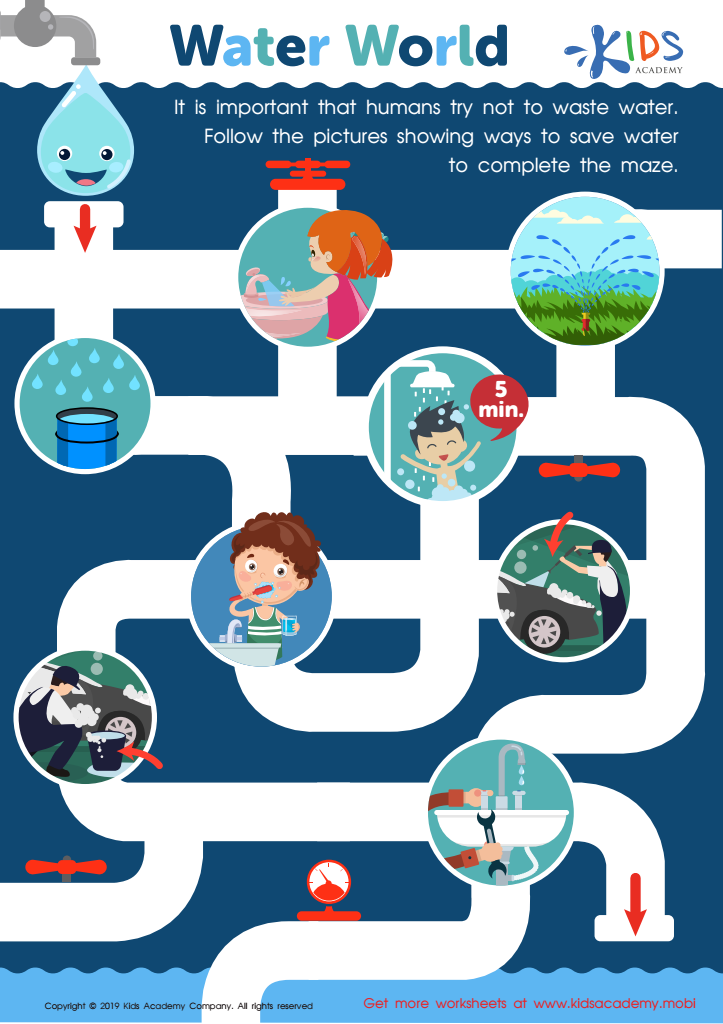
Water World Worksheet
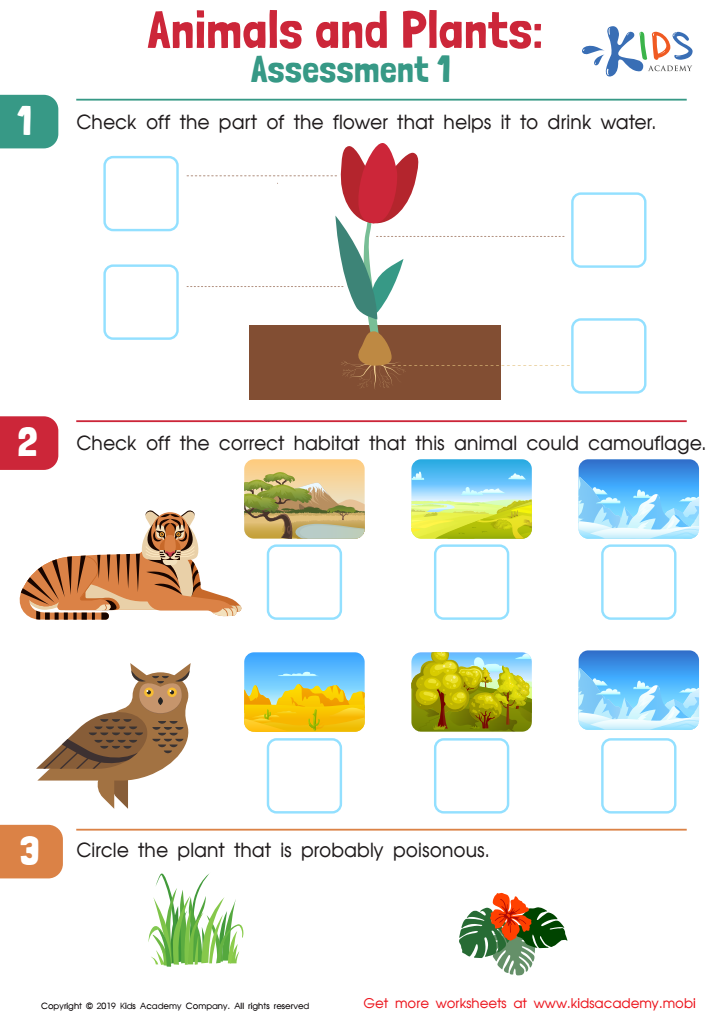
Animals and Plants: Assessment 1 Worksheet
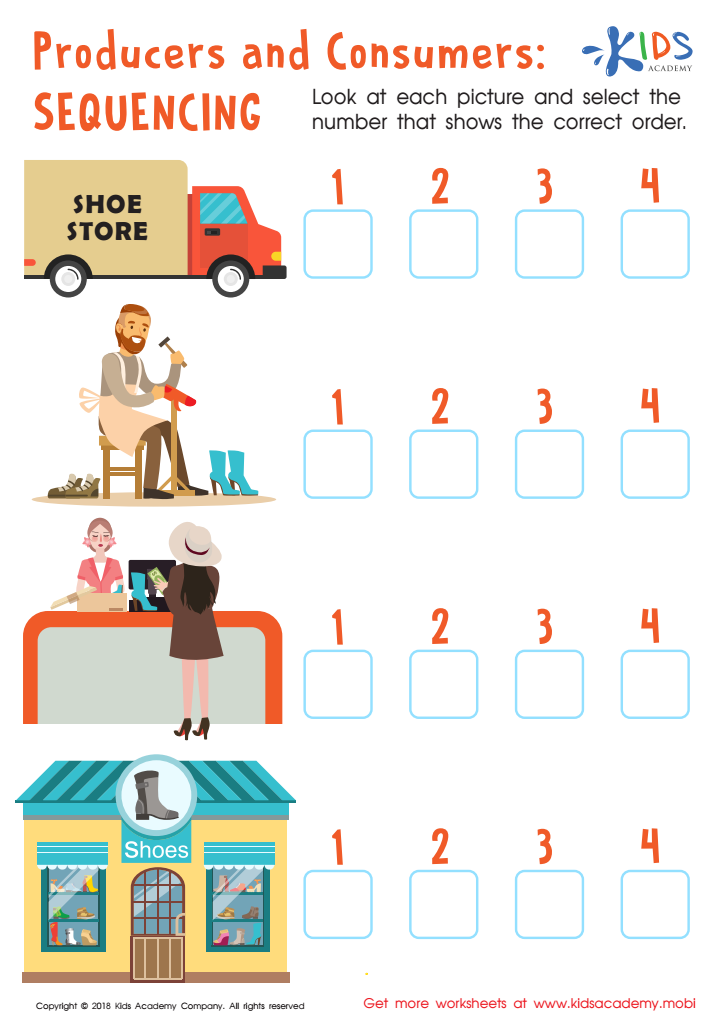
Producers and Consumers: Sequencing Worksheet






Understanding ecosystems is crucial for young children, ages 4-7, for several reasons. Firstly, teaching them about ecosystems helps foster a love and appreciation for nature early on. Recognizing that plants, animals, and their environments are interconnected encourages respect for living things and natural habitats. This, in turn, can promote responsible behaviors, such as recycling and conserving water, which are easier to instill at a young age.
Secondly, ecosystems are a fundamental concept central to many scientific principles. Introducing these ideas early helps children build a foundation for future learning. Simple lessons, like how bees help plants grow by pollinating flowers, tie into biology and the life sciences, as well as lessons about life cycles, food chains, and environmental stewardship.
Additionally, learning about ecosystems enhances critical thinking skills. When children observe nature and ask questions about it, they practice problem-solving and develop their observational abilities. For instance, they might wonder why certain plants grow better in sunlight or why birds migrate.
Emotionally, understanding ecosystems can also inspire wonder, empathy, and curiosity about the world around them, promoting overall well-being and a positive outlook on learning. Therefore, by understanding and engaging with the world through the lens of ecosystems, children connect more deeply with their environment, paving the way for more informed and mindful future generations.








