Understanding Quantities Worksheets for Ages 4-7 - Page 2
53 filtered results
-
From - To
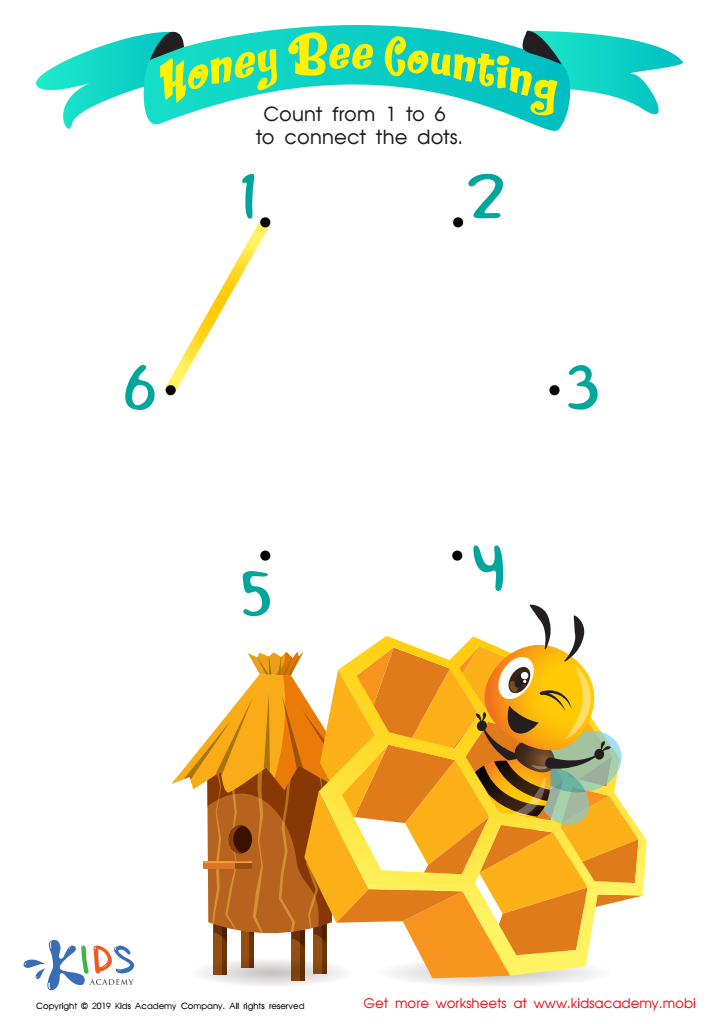
Honey Bee Counting Worksheet
 Assign to My Students
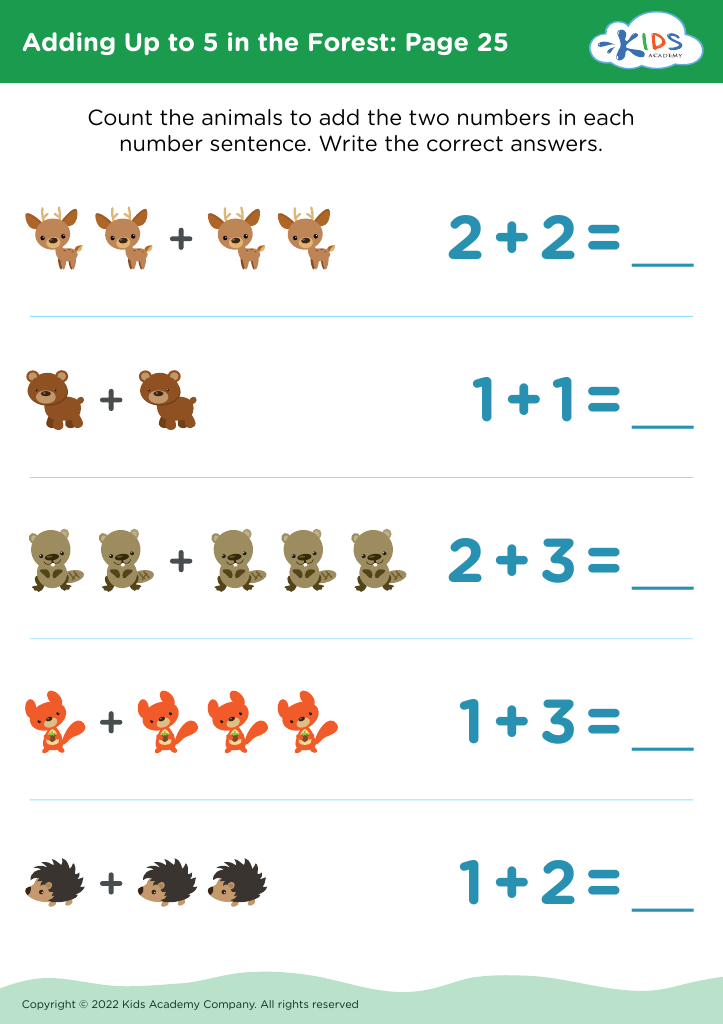
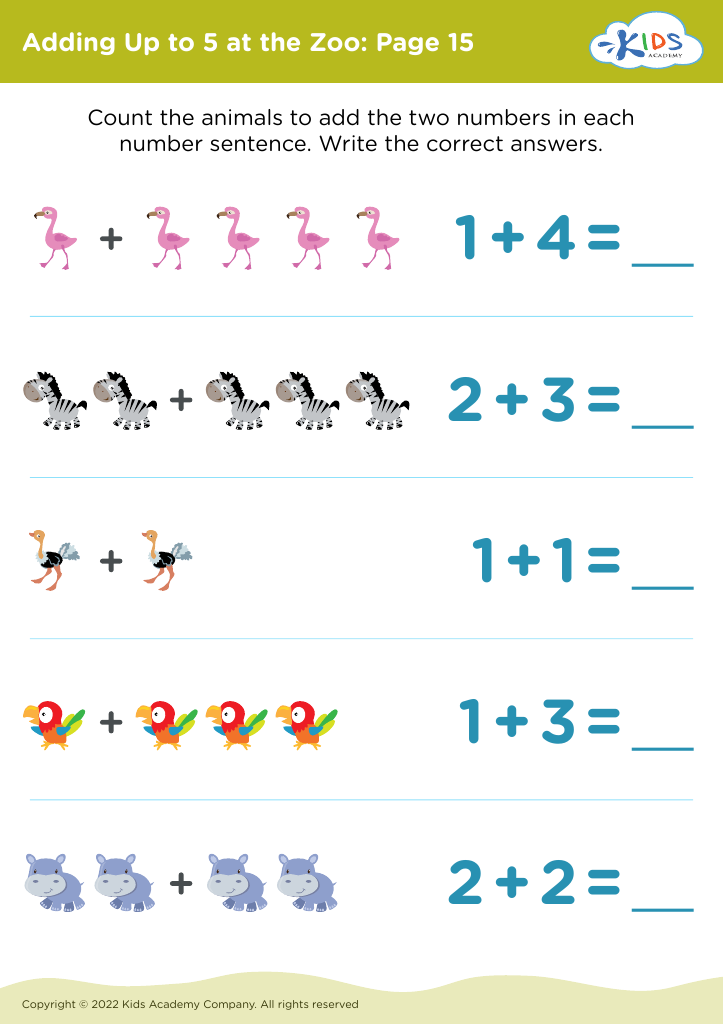
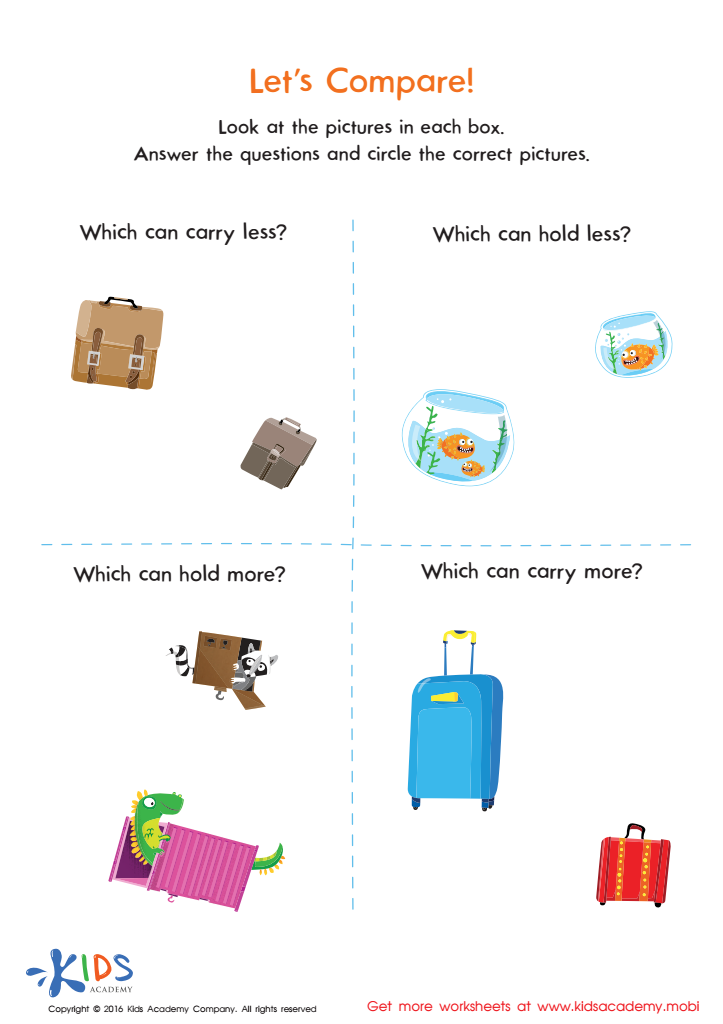
Let's Compare Worksheet: Big or Small
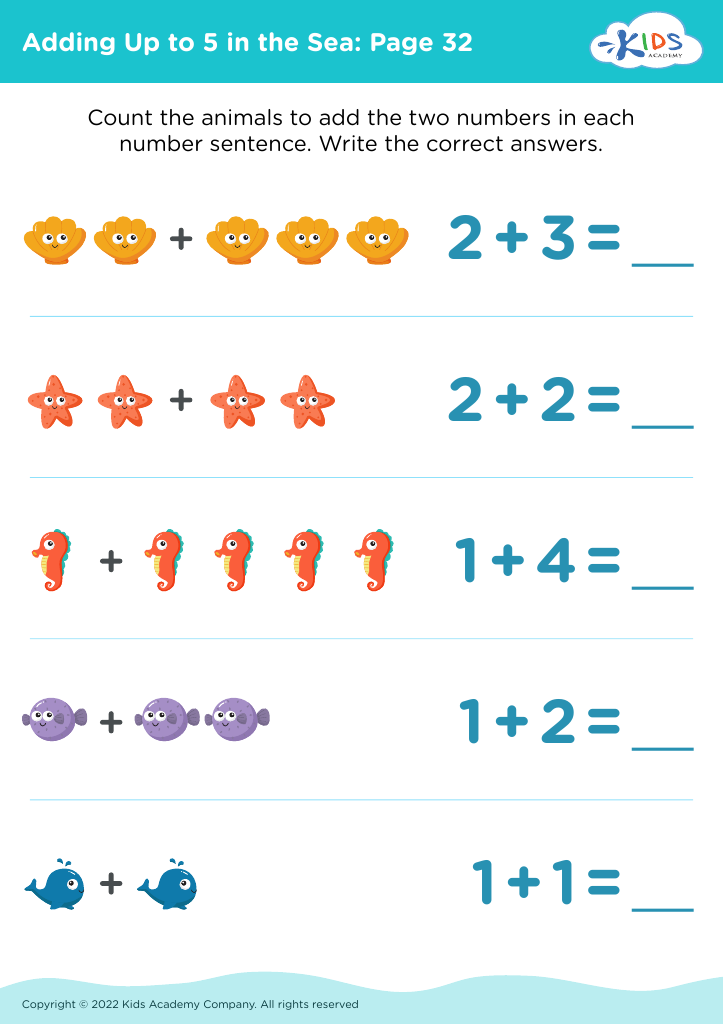
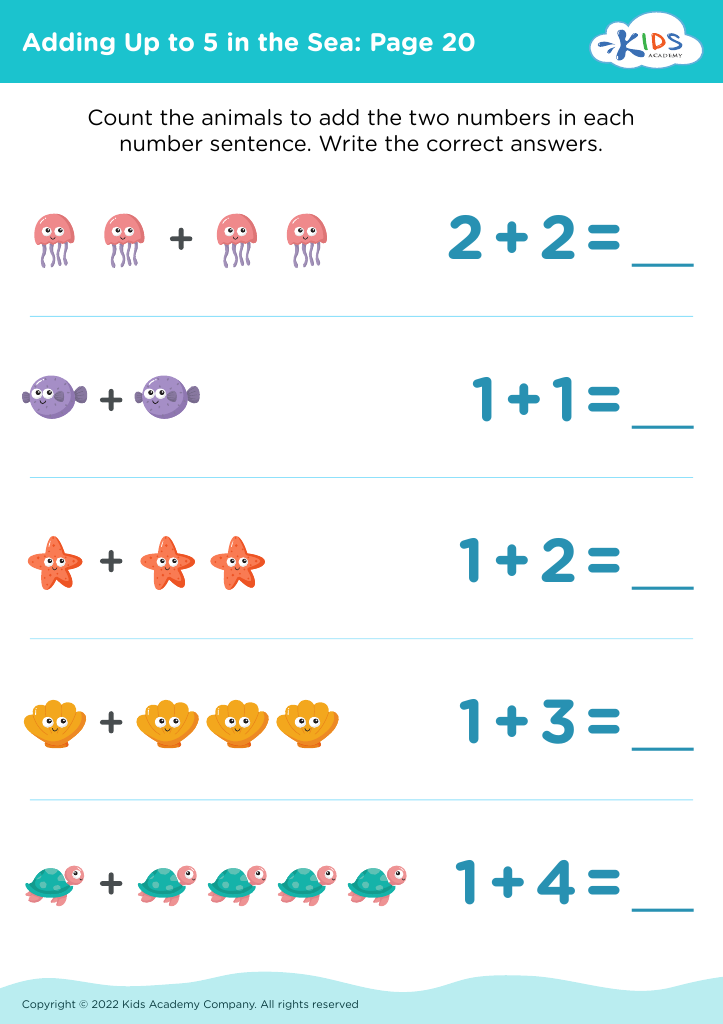
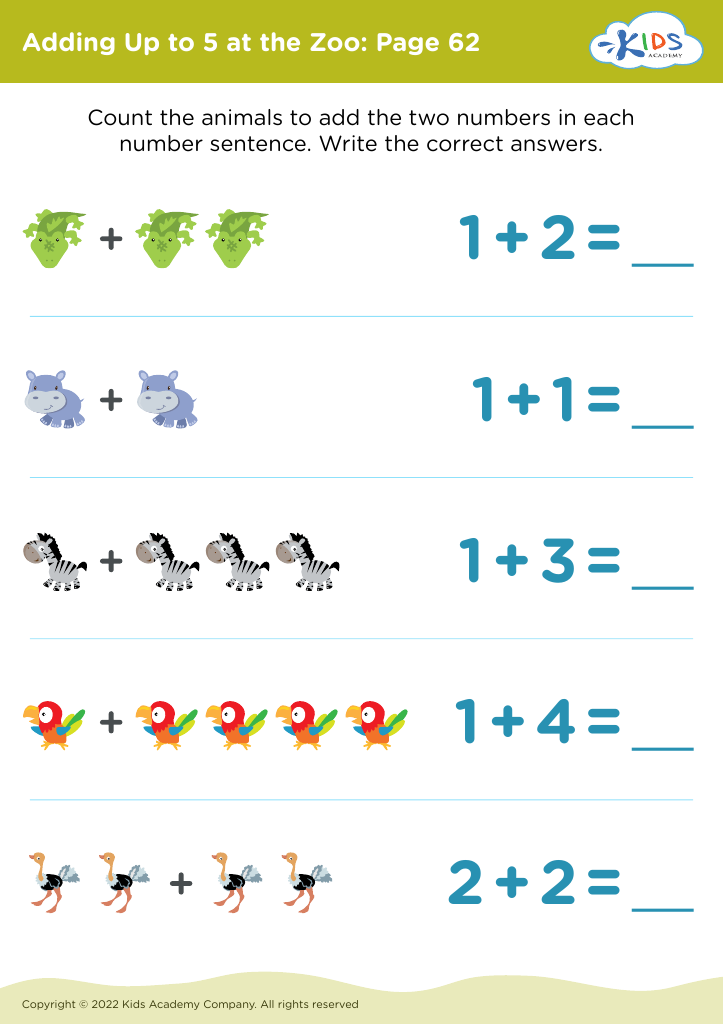
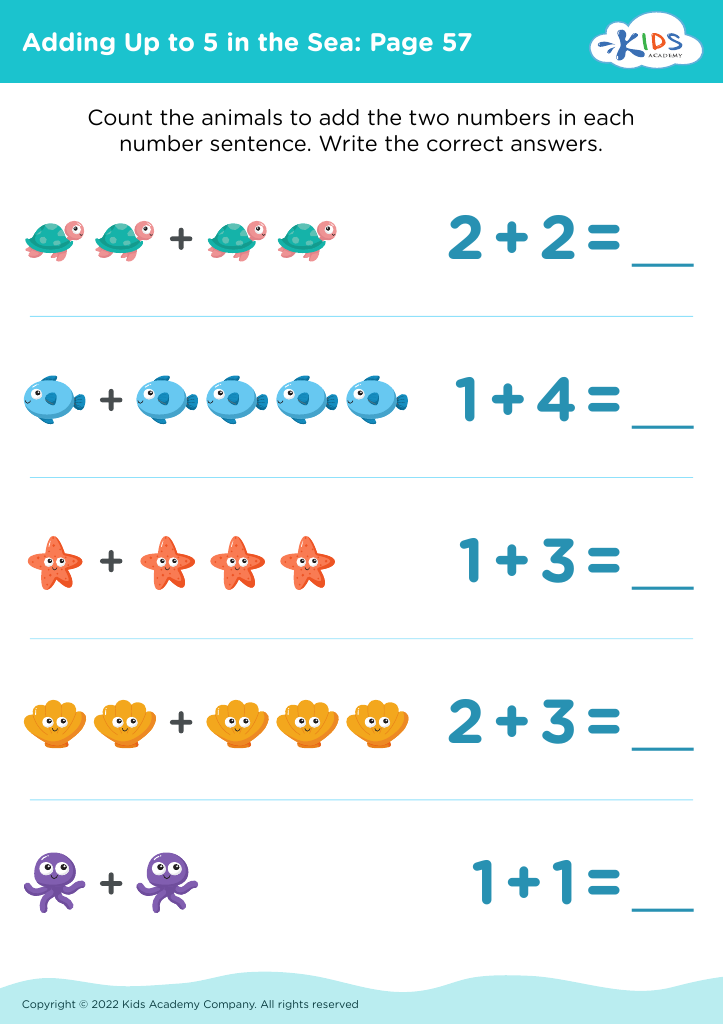
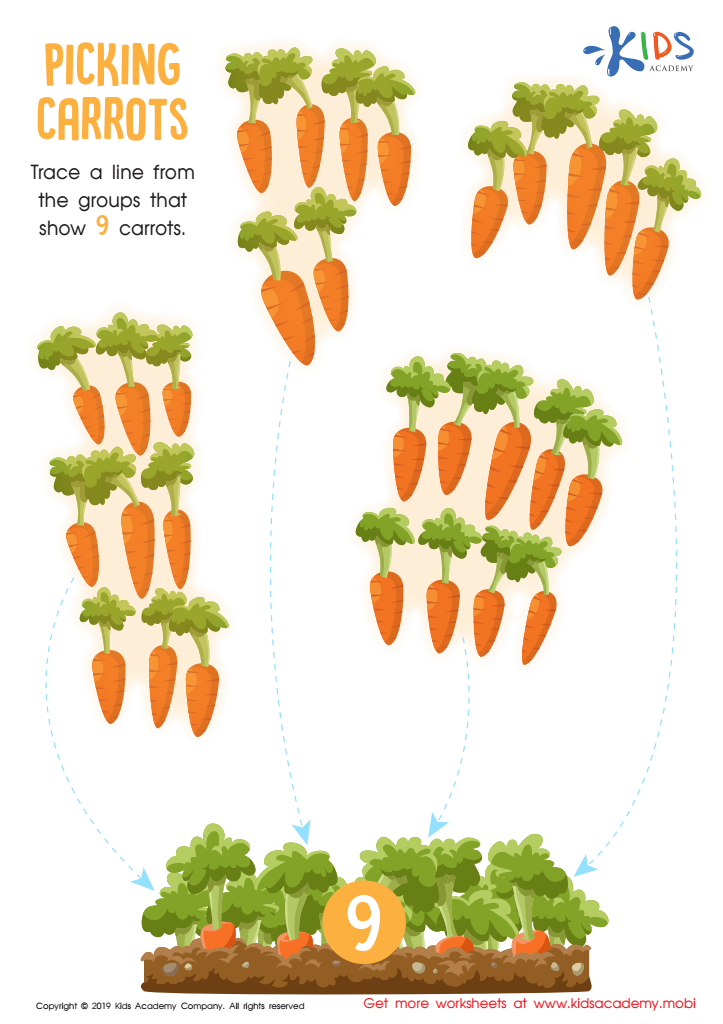
Picking Carrots Worksheet
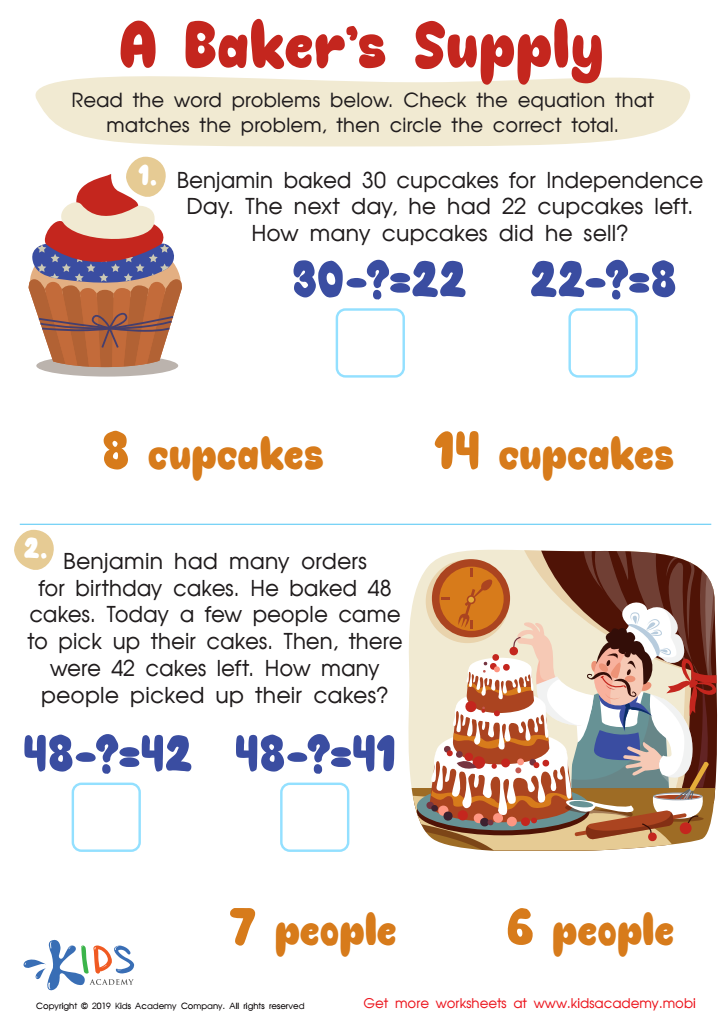
A Baker's Supply Worksheet
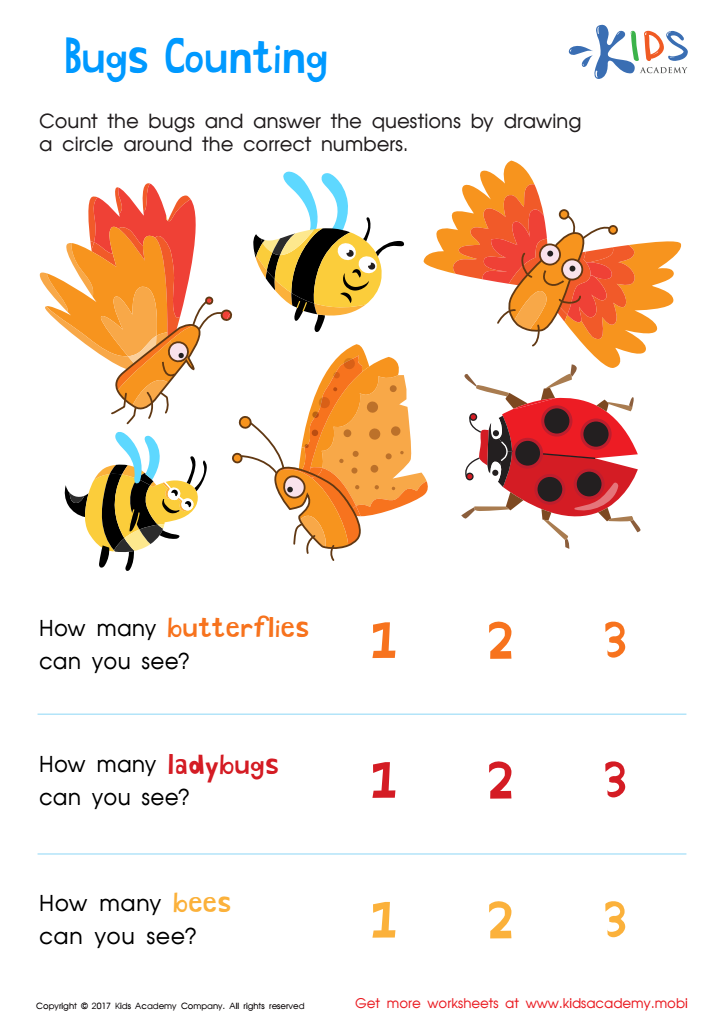
Bugs Counting Worksheet
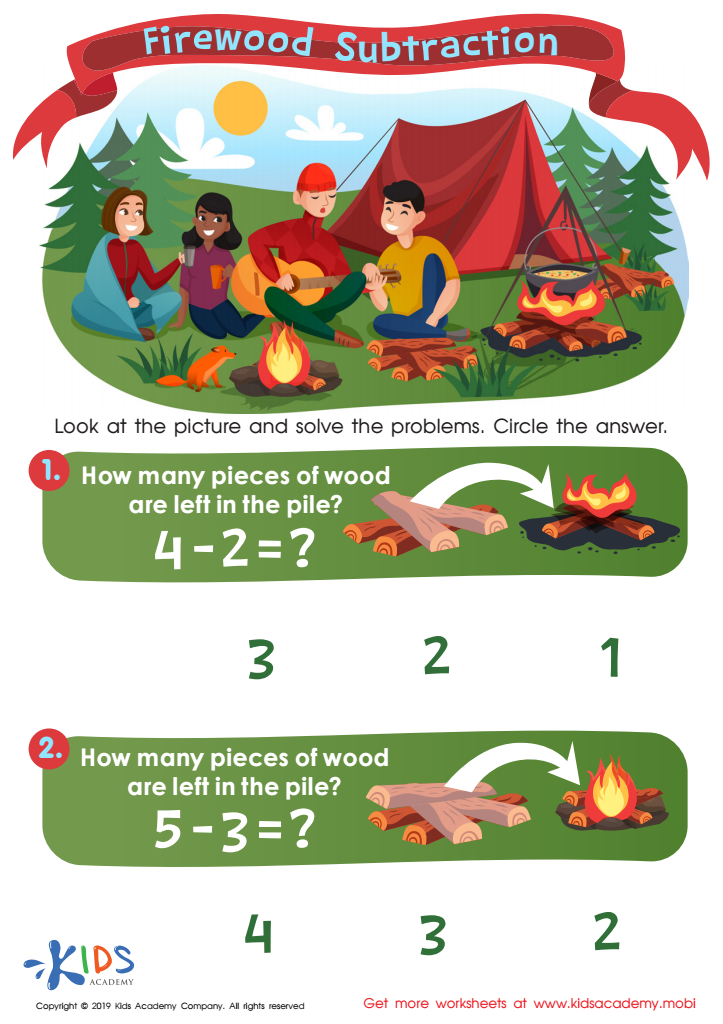
Firewood Subtraction Worksheet
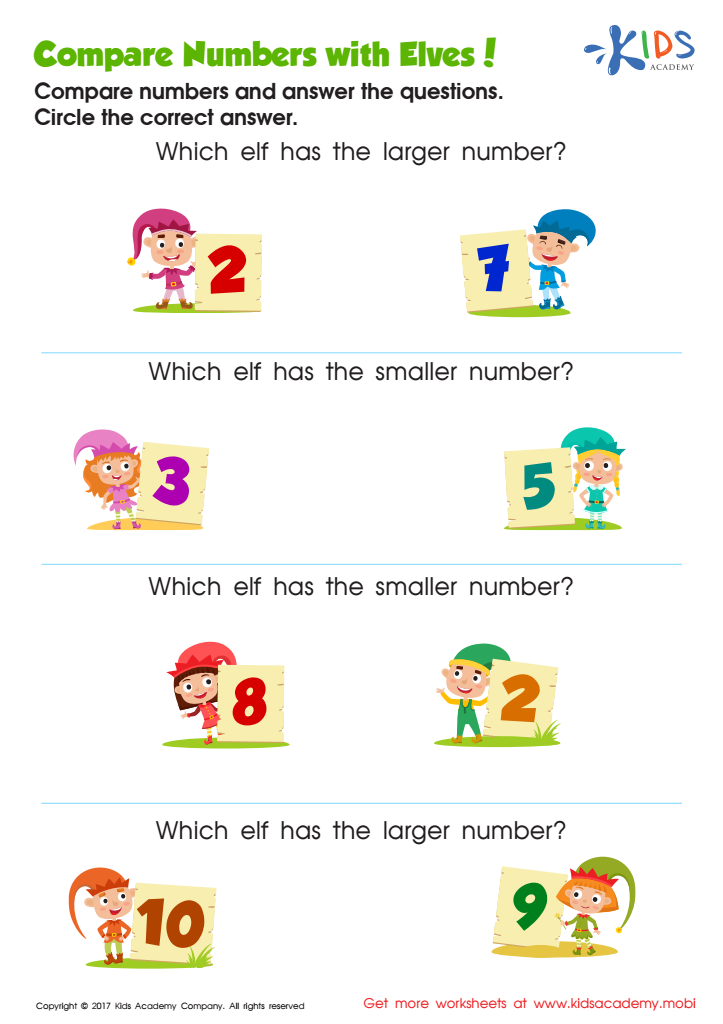
Comparing Numbers Worksheet for Kindergarten
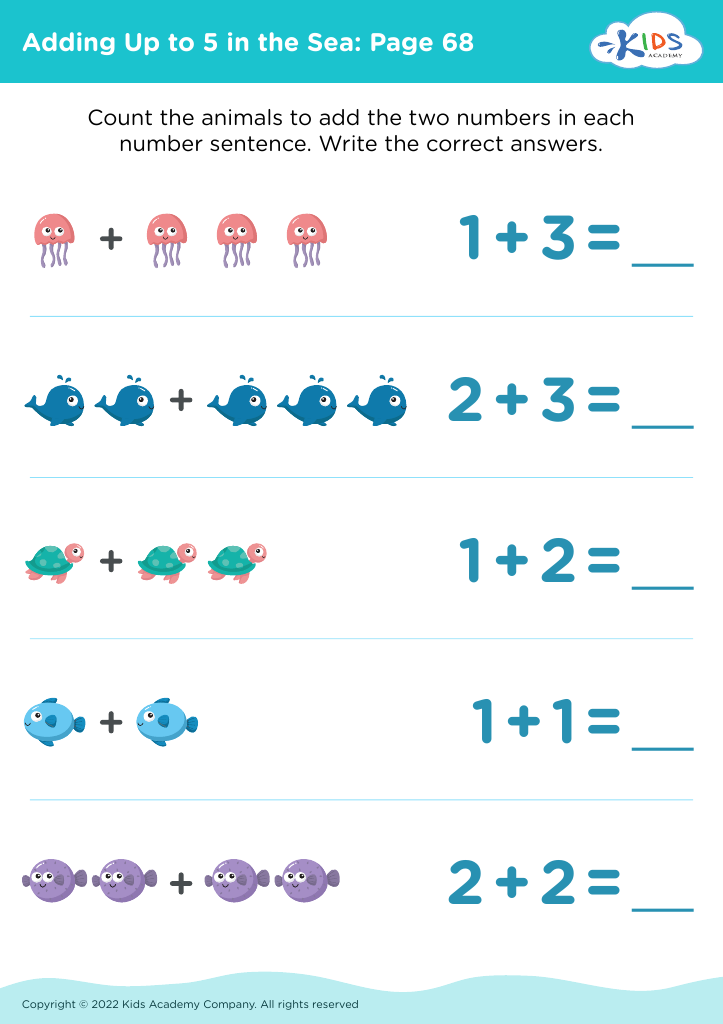
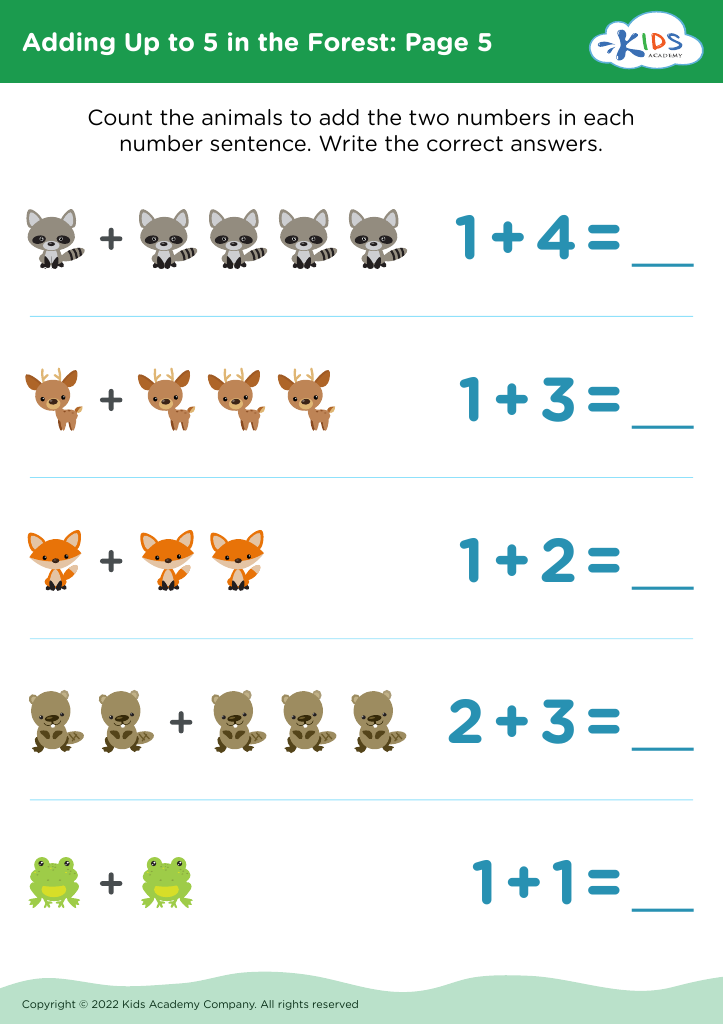
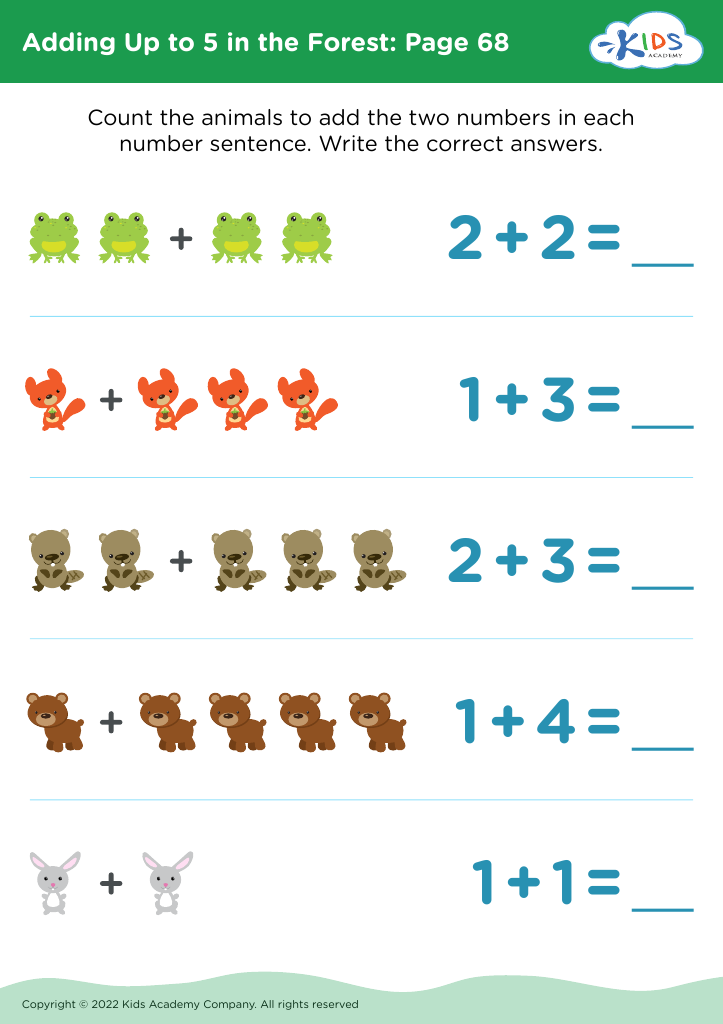







Understanding quantities is essential for children aged 4-7 as it lays the foundation for their mathematical development and everyday problem-solving skills. At this stage, children are naturally curious and eager to explore, and learning about quantities helps them make sense of the world around them. Recognizing and working with quantities enables children to understand basic concepts of addition and subtraction, compare amounts, and develop number sense, which is crucial for later mathematical success.
Parents and teachers should prioritize quantity understanding because it enhances cognitive development. Through engaging activities—such as counting objects, measuring ingredients for a recipe, or grouping toys—children learn to assess, categorize, and manipulate quantities, fostering critical thinking. Moreover, concepts tied to quantities are integral in real-life situations, from sharing snacks among friends to estimating how long tasks will take.
Additionally, early quantity comprehension promotes confidence in math, combating anxiety towards the subject as children progress. It supports socio-emotional development by enhancing collaboration—sharing and negotiating quantities encourages social skills. In a world increasingly shaped by data and technology, equipping young learners with strong quantitative skills ensures they are prepared for future academic and life challenges. Thus, fostering an understanding of quantities is pivotal in shaping well-rounded, confident learners.








