Understanding quantity Worksheets for Ages 4-7 - Page 2
31 filtered results
-
From - To
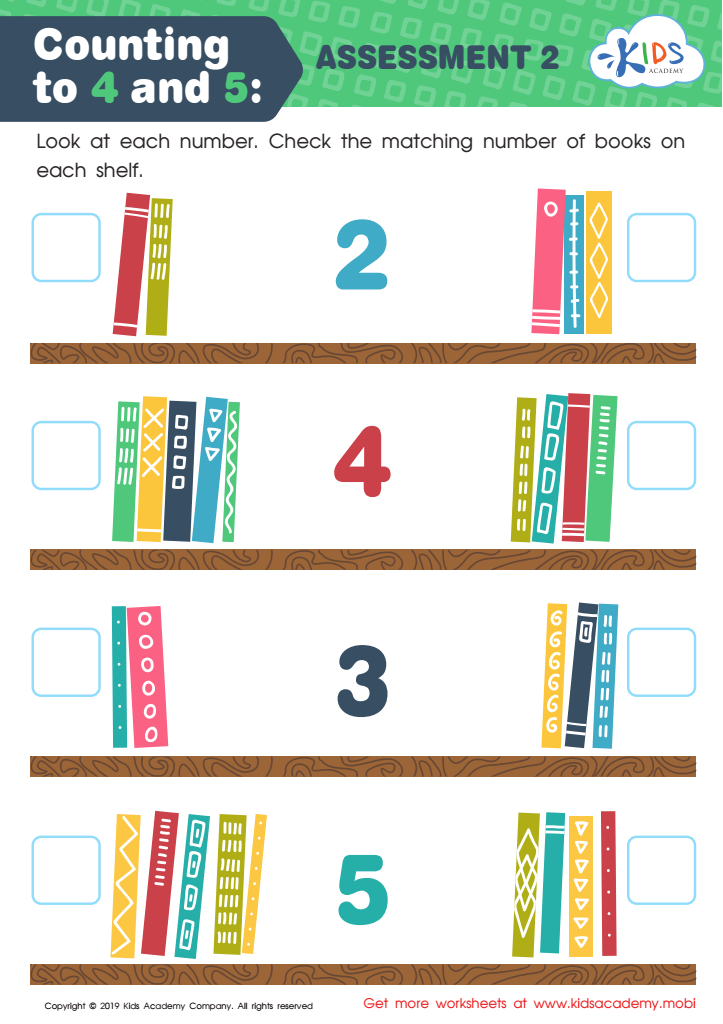
Counting to 4 and 5: Assessment 2 Worksheet
 Assign to My Students
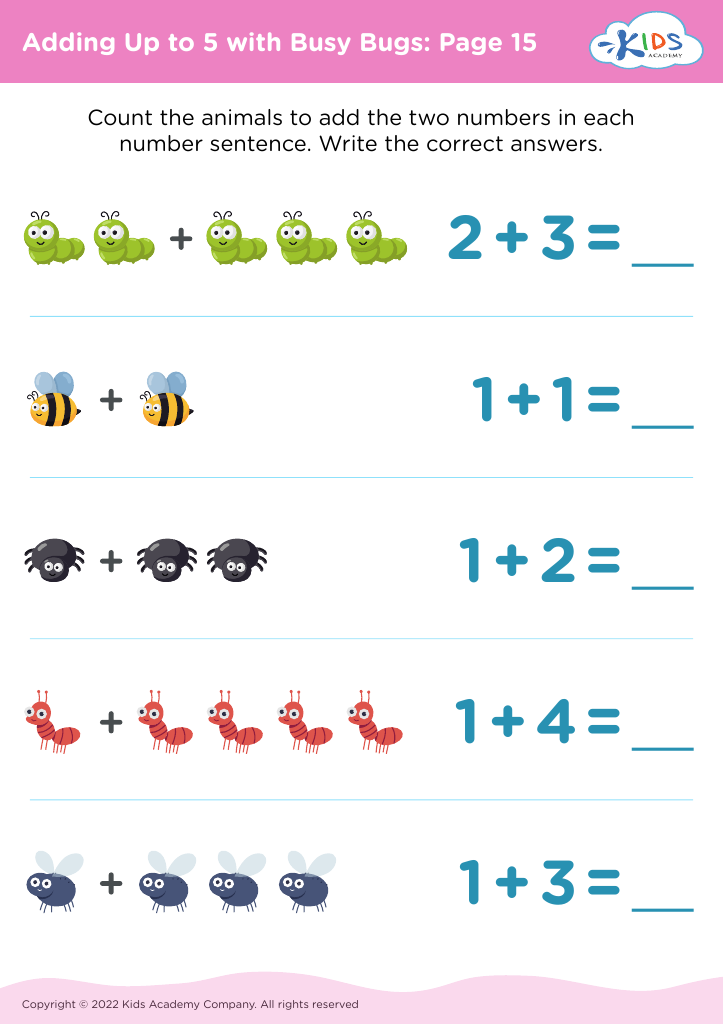
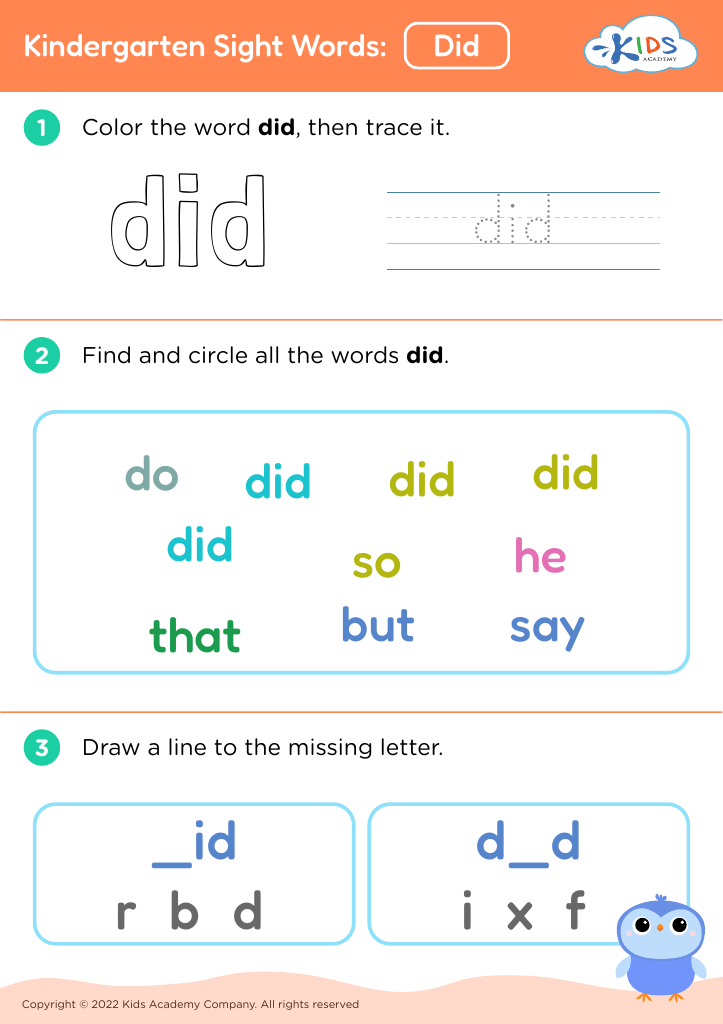








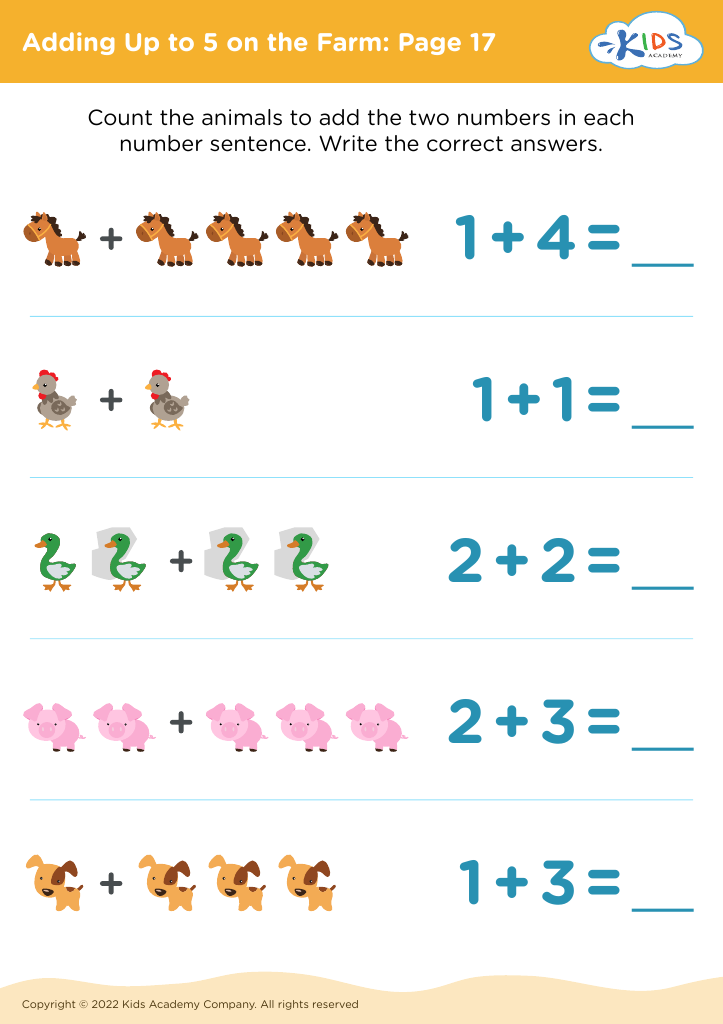
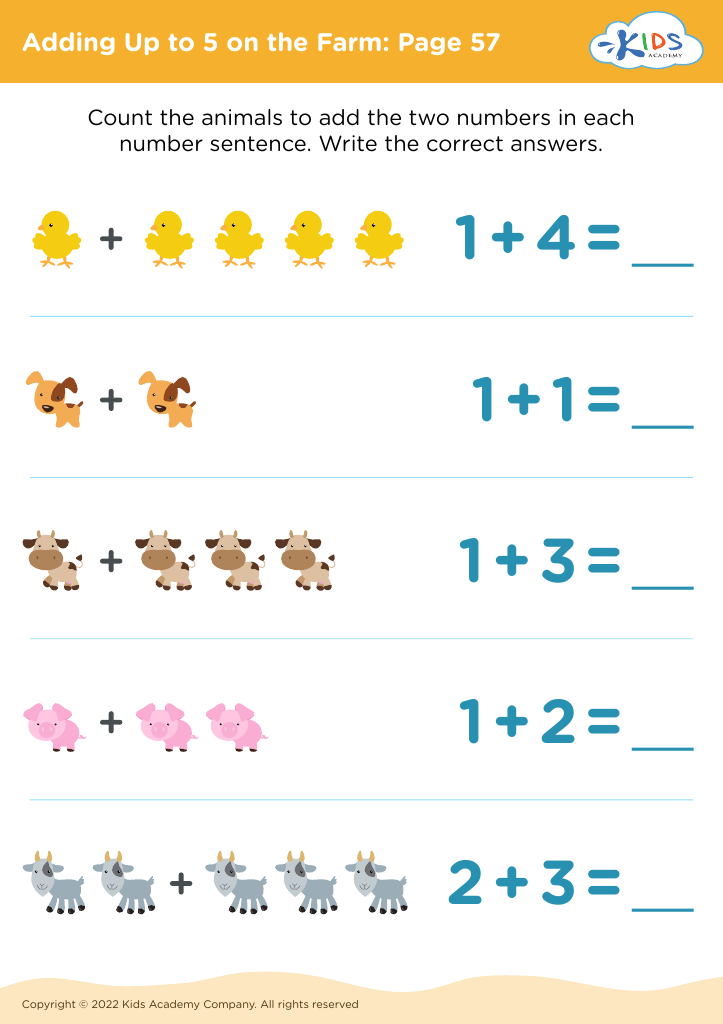
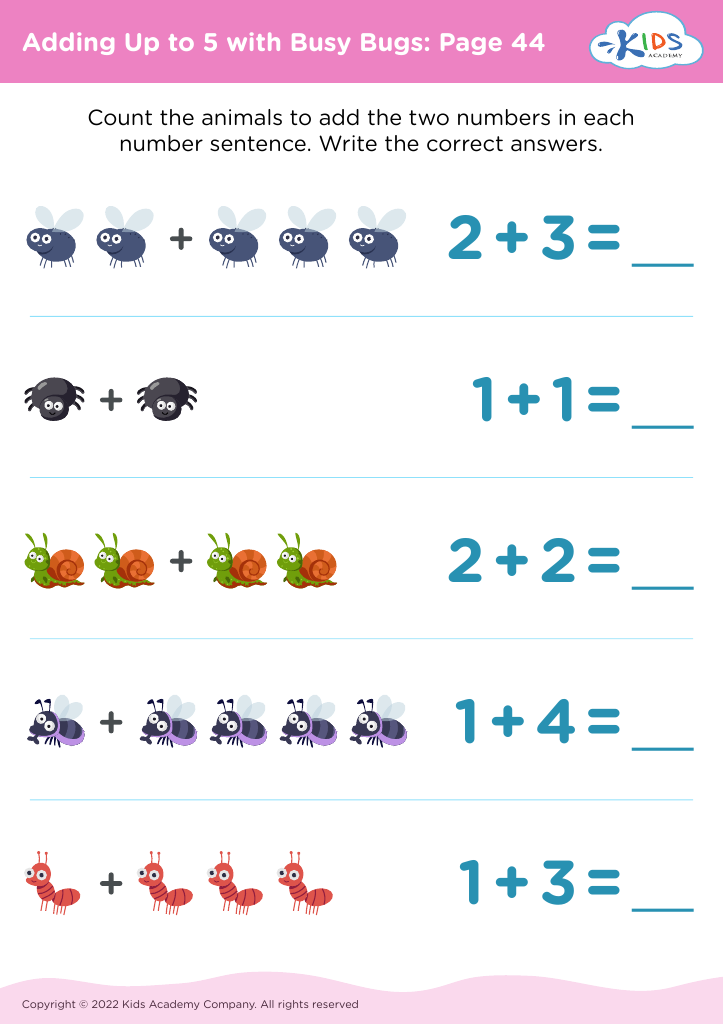
Understanding quantity is crucial for children aged 4-7 as it lays the foundation for essential mathematical skills and overall cognitive development. At this age, children are naturally curious and eager to learn, making it the perfect opportunity to introduce concepts of quantity through playful and engaging methods. Mastering the understanding of quantity helps young learners grasp fundamental math concepts such as addition, subtraction, and measurement, which are vital for their future academic success.
When children comprehend the concept of quantity, they can better make sense of numbers, compare values, and recognize patterns, fostering critical thinking and problem-solving skills. Furthermore, a solid grasp of these concepts enhances their confidence in their abilities, encouraging a positive attitude towards learning and mathematics.
Parents and teachers play a crucial role in facilitating this understanding by using everyday situations—such as cooking, shopping, or counting objects—to demonstrate the significance of quantities. By caring about this aspect of learning, adults actively contribute to building a strong mathematical foundation, ensuring that children develop a love for learning and a sense of competence in their abilities. Investing time and effort in helping children understand quantity now will yield significant benefits in their future academic and personal lives.








